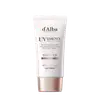
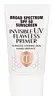
D'Alba Waterfull Tone-up Sunscreen SPF50+ PA++++ Versus Charlotte Tilbury Invisible UV Flawless Primer Broad Spectrum SPF 50
This hybrid sunscreen covers the full UV range and blocks ~98% of UVB at SPF 50.
This chemical sunscreen covers most of the UV range, lighter on the deep UVA that drives aging.


What's inside
What's inside
 Key Ingredients
Benefits
Concerns
Ingredients Side-by-side
Water
Skin ConditioningDibutyl Adipate
EmollientPropanediol
Solvent

Titanium Dioxide
Cosmetic Colorant

Caprylic/Capric Triglyceride
Masking
C12-15 Alkyl Benzoate
AntimicrobialDiethylamino Hydroxybenzoyl Hexyl Benzoate
UV Filter
Caprylyl Methicone
Skin Conditioning
Ethylhexyl Triazone
UV Absorber
Niacinamide
Smoothing










Glycerin
Humectant
Diethylhexyl Butamido Triazone
UV Absorber
1,2-Hexanediol
Skin Conditioning
Pentylene Glycol
Skin Conditioning
Portulaca Oleracea Extract
Skin Conditioning
Epilobium Angustifolium Flower/Leaf/Stem Extract
Skin ConditioningRhododendron Ferrugineum Extract
MaskingCentella Asiatica Extract
Cleansing
Prunus Persica Flower Extract
MoisturisingPrunus Persica Fruit Extract
Abrasive
Prunus Serrulata Flower Extract
Skin ConditioningAloe Barbadensis Leaf Extract
Emollient
Houttuynia Cordata Extract
Skin Conditioning
Tuber Magnatum Extract
Skin ConditioningCitrus Aurantium Dulcis Oil
Masking
Citrus Nobilis Peel Oil
Masking
Sodium Hyaluronate
Humectant
Litsea Cubeba Fruit Oil
Masking


Rosa Damascena Flower Water
Masking
Betula Platyphylla Japonica Juice
Skin Conditioning
Panthenol
Skin Conditioning
Polyhydroxystearic Acid
Emulsifying

Dimethicone/Vinyl Dimethicone Crosspolymer
Skin Conditioning
Vp/Eicosene Copolymer
Dimethiconol
Emollient
Trisiloxane
Skin Conditioning
Coco-Caprylate/Caprate
Emollient
Stearic Acid
Cleansing
Sodium Polyacryloyldimethyl Taurate
Emulsion StabilisingAmmonium Polyacryloyldimethyl Taurate
Emulsion StabilisingAlumina
Abrasive
Hydroxypropyl Methylcellulose Stearoxy Ether
Dicaprylyl Carbonate
EmollientXanthan Gum
EmulsifyingEthylhexylglycerin
Skin ConditioningAdenosine
Skin Conditioning
Sodium Polyacrylate
Absorbent
Triethoxycaprylylsilane
T-Butyl Alcohol
Perfuming



Pvm/Ma Copolymer
Emulsion StabilisingPolyether-1
Hydrolyzed Hyaluronic Acid
Humectant
Allantoin
Skin Conditioning
Butylene Glycol
Humectant
Tocopherol
Antioxidant

Disodium Phosphate
BufferingCitric Acid
Buffering
Caprylyl Glycol
Emollient
CI 77492
Cosmetic ColorantCI 77491
Cosmetic ColorantLimonene
Perfuming
Citral
Perfuming
Water, Dibutyl Adipate, Propanediol, Titanium Dioxide, Caprylic/Capric Triglyceride, C12-15 Alkyl Benzoate, Diethylamino Hydroxybenzoyl Hexyl Benzoate, Caprylyl Methicone, Ethylhexyl Triazone, Niacinamide, Glycerin, Diethylhexyl Butamido Triazone, 1,2-Hexanediol, Pentylene Glycol, Portulaca Oleracea Extract, Epilobium Angustifolium Flower/Leaf/Stem Extract, Rhododendron Ferrugineum Extract, Centella Asiatica Extract, Prunus Persica Flower Extract, Prunus Persica Fruit Extract, Prunus Serrulata Flower Extract, Aloe Barbadensis Leaf Extract, Houttuynia Cordata Extract, Tuber Magnatum Extract, Citrus Aurantium Dulcis Oil, Citrus Nobilis Peel Oil, Sodium Hyaluronate, Litsea Cubeba Fruit Oil, Rosa Damascena Flower Water, Betula Platyphylla Japonica Juice, Panthenol, Polyhydroxystearic Acid, Dimethicone/Vinyl Dimethicone Crosspolymer, Vp/Eicosene Copolymer, Dimethiconol, Trisiloxane, Coco-Caprylate/Caprate, Stearic Acid, Sodium Polyacryloyldimethyl Taurate, Ammonium Polyacryloyldimethyl Taurate, Alumina, Hydroxypropyl Methylcellulose Stearoxy Ether, Dicaprylyl Carbonate, Xanthan Gum, Ethylhexylglycerin, Adenosine, Sodium Polyacrylate, Triethoxycaprylylsilane, T-Butyl Alcohol, Pvm/Ma Copolymer, Polyether-1, Hydrolyzed Hyaluronic Acid, Allantoin, Butylene Glycol, Tocopherol, Disodium Phosphate, Citric Acid, Caprylyl Glycol, CI 77492, CI 77491, Limonene, Citral
Water
Skin ConditioningEthylhexyl Methoxycinnamate
UV Absorber
Ethylhexyl Salicylate
UV Absorber
Butylene Glycol
Humectant
Diethylhexyl Succinate
EmollientButyl Methoxydibenzoylmethane
UV Absorber
Glycerin
Humectant
Octocrylene
UV Absorber
Dextrin Palmitate
Emulsifying
Pentylene Glycol
Skin Conditioning
Hydroxyethyl Acrylate/Sodium Acryloyldimethyl Taurate Copolymer
Emulsion StabilisingPhenoxyethanol
Preservative
PEG-60 Glyceryl Isostearate
Surfactant
Marrubium Vulgare Extract
Skin ConditioningCI 77891
Cosmetic ColorantPolyglyceryl-2 Triisostearate
Emulsifying
Talc
Abrasive
Hydroxypropyl Methylcellulose Stearoxy Ether
Polysorbate 60
Emulsifying
Sorbitan Isostearate
Emulsifying
Agar
MaskingTocopherol
Antioxidant
Xanthan Gum
EmulsifyingCI 77492
Cosmetic ColorantIsopropyl Titanium Triisostearate
Emollient
Aluminum Hydroxide
EmollientSodium Hyaluronate
Humectant
CI 77491
Cosmetic ColorantKhaya Senegalensis Bark Extract
Skin ProtectingMaltodextrin
Absorbent
Citric Acid
Buffering
BHT
Antioxidant
Ascorbyl Glucoside
Antioxidant
Camellia Oleifera Seed Oil
Skin Conditioning
Butyrospermum Parkii Butter
Skin Conditioning
Rosa Canina Fruit Oil
Emollient
Sodium Hydroxide
BufferingCI 77499
Cosmetic ColorantPlumeria Alba Flower Extract
Skin ConditioningPotassium Sorbate
Preservative
Sodium Benzoate
Masking
Aloe Barbadensis Leaf Extract
Emollient
Solanum Tuberosum Pulp Extract
SmoothingAscorbyl Dipalmitate
Antioxidant
Water, Ethylhexyl Methoxycinnamate, Ethylhexyl Salicylate, Butylene Glycol, Diethylhexyl Succinate, Butyl Methoxydibenzoylmethane, Glycerin, Octocrylene, Dextrin Palmitate, Pentylene Glycol, Hydroxyethyl Acrylate/Sodium Acryloyldimethyl Taurate Copolymer, Phenoxyethanol, PEG-60 Glyceryl Isostearate, Marrubium Vulgare Extract, CI 77891, Polyglyceryl-2 Triisostearate, Talc, Hydroxypropyl Methylcellulose Stearoxy Ether, Polysorbate 60, Sorbitan Isostearate, Agar, Tocopherol, Xanthan Gum, CI 77492, Isopropyl Titanium Triisostearate, Aluminum Hydroxide, Sodium Hyaluronate, CI 77491, Khaya Senegalensis Bark Extract, Maltodextrin, Citric Acid, BHT, Ascorbyl Glucoside, Camellia Oleifera Seed Oil, Butyrospermum Parkii Butter, Rosa Canina Fruit Oil, Sodium Hydroxide, CI 77499, Plumeria Alba Flower Extract, Potassium Sorbate, Sodium Benzoate, Aloe Barbadensis Leaf Extract, Solanum Tuberosum Pulp Extract, Ascorbyl Dipalmitate
Reviews
Ingredients Explained
These ingredients are found in both products.
Ingredients higher up in an ingredient list are typically present in a larger amount.
Aloe Barbadensis Leaf Extract is a botanical extract pulled from the leaves of aloe vera and one of the most studied plant ingredients in cosmetics.
The inner leaf gel it comes from is mostly water (~99-99.5%) and the remaining fraction is made up of pretty good stuff: polysaccharides, vitamins, phenolics, and enzymes.
Its headline job is hydration.
The star polysaccharide in aloe, acemannan, is a humectant that retains moisture and helps reduce trans-epidermal water loss.
Aloe also has real soothing credentials; it contains anti-inflammatory compounds like bradykinase and C-glucosyl chromone that help calm irritation and redness.
On the repair side, lab work shows that acemannan wakes up your skin's repair cells (fibroblasts), prompting them to multiply and speed up healing.
There's some human data for cosmetic benefit too: a cream containing 10% Aloe Barbadensis leaf extract improved skin hydration and elasticity in a real-use study.
Safety-wise, this ingredient is well-regarded with just one rare downside; there have been some case reports of acute eczema, contact urticaria, and dermatitis in people who applied aloe-derived ingredients topically. Those with a known aloe or Liliaceae sensitivity should patch test.
Typical use levels range widely, from under 1% up to 90%+ depending on the format and the effect you are after.
Learn more about Aloe Barbadensis Leaf ExtractButylene Glycol (or BG) is used within cosmetic products for a few different reasons:
Overall, Butylene Glycol is a safe and well-rounded ingredient that works well with other ingredients.
Though this ingredient works well with most skin types, some people with sensitive skin may experience a reaction such as allergic rashes, closed comedones, or itchiness.
Learn more about Butylene GlycolCi 77491 is also hydrated iron III oxide. It's sole purpose is to give a red/pink hue to products.
Iron III oxides are classified as inorganic chemicals for coloring.
Synthetically created Ci 77491 is considered safer than those naturally found. This is because the synthetically created version may contain less impurities. Iron oxides are generally non-toxic and non-allergenic.
Learn more about CI 77491CI 77492 is also hydrated iron III oxide. It's sole purpose is to give a yellow hue to products.
Iron III oxides are classified as inorganic chemicals for coloring.
Synthetically created CI 77492 is considered safer than those naturally found. This is because the synthetically created version may contain less impurities. Iron oxides are generally non-toxic and non-allergenic.
Learn more about CI 77492Citric Acid is an alpha hydroxy acid (AHA) naturally found in citrus fruits like oranges, lemons, and limes.
Like other AHAs, citric acid can exfoliate skin by breaking down the bonds that hold dead skin cells together. This helps reveal smoother and brighter skin underneath.
However, this exfoliating effect only happens at high concentrations (20%) which can be hard to find in cosmetic products.
Due to this, citric acid is usually included in small amounts as a pH adjuster. This helps keep products slightly more acidic and compatible with skin's natural pH.
In skincare formulas, citric acid can:
While it can provide some skin benefits, research shows lactic acid and glycolic acid are generally more effective and less irritating exfoliants.
Most citric acid used in skincare today is made by fermenting sugars (usually from molasses). This synthetic version is identical to the natural citrus form but easier to stabilize and use in formulations.
Read more about some other popular AHA's here:
Learn more about Citric AcidGlycerin (or glycerol) is a compound naturally found in your skin. It's a powerhouse humectant that pulls water into the stratum corneum.
Topically, glycerin does several things at once:
Your skin makes glycerin on its own (mostly from sebaceous oil breakdown) and shuttles it to your outermost layer of skin, or your epidermis, via aquaporin-3.
Aquaporin-3 is a transporter that is essential for normal skin hydration, elasticity, and repair. Interestingly, mice lacking in AQP3 have dry and less elastic skin that can be fully corrected with glycerin.
This ingredient is non-irritating, plays well with almost every ingredient, and works across all skin types. Typical use is anywhere between 3-10% but can go up to 79% in some leave-on products.
Just know very high concentrations (>40%) can feel tacky in low humidity.
Glycerin is the name for this ingredient in American English. British English uses Glycerol/Glycerine.
Learn more about GlycerinWe don't have a description for Hydroxypropyl Methylcellulose Stearoxy Ether yet.
Pentylene Glycol (1,2-pentanediol) is a multitasking little diol with three main roles in a formula:
Research on alkanediols (the family pentylene glycol belongs to) show they work by disrupting microbial cell membranes. This disruption helps the primary preservative system in a product work more effectively at lower doses.
On the safety side, the Cosmetic Ingredient Review Expert Panel has concluded this ingredient to be safe as used in current cosmetic practices + concentrations.
Typical use levels in a formula run about 1-5%.
Learn more about Pentylene GlycolSodium Hyaluronate is the salt form of hyaluronic acid. It is a long sugar chain that is naturally found in your skin, joints, and connective tissue that maintains hydration and elasticity.
In skincare, it works as a humectant. It pulls water from the environment and deeper layers of skin and binds it to the surface.
Interestingly, the size of the molecule affects its behavior:
Some clinical evidence links low molecular weight versions to improved wrinkle depth, elasticity, anti-inflammatory effects, and barrier repair.
Many serums use a blend of both weights so you can get surface hydration plus longer-lasting and deeper effects.
You'll typically see concentrations between 0.1-2% for this ingredient.
Learn more about Sodium HyaluronateTocopherol is a fat-soluble antioxidant known as Vitamin E.
You'll find this ingredient in the vast majority of skincare (for good reason). It works to neutralize free radicals, or unstable molecules generated by UV exposure, pollution, and other environmental stressors, before they can cause oxidative damage to your skin cells.
Topically applied tocopherol has been shown to protect against UV damage by ramping up the skin's own natural defense enzymes.
It also acts as a skin conditioning agent; some studies show that regular topical use can improve the skin's water-binding capacity over 2-4 weeks.
This ingredient is especially loved for being a team player. When combined with Vitamin C, the photoprotective effect of both ingredients roughly doubles and the combo also helps reduce UV-induced DNA damage.
This ingredient has some brightening potential but it's more of a prevention ingredient than spot-fader. Cell studies show it can slow down melanin production but it's worth noting that it's not the most powerful brightener out there.
In formulations, it also serves as a stabilizer that helps protect other oxidation-prone ingredients from degrading.
Concentrations usually range from 0.1-1% in most leave-on products.
Learn more about TocopherolWater. It's the most common cosmetic ingredient of all. You'll usually see it at the top of ingredient lists, meaning that it makes up the largest part of the product.
So why is it so popular? Water most often acts as a solvent - this means that it helps dissolve other ingredients into the formulation.
You'll also recognize water as that liquid we all need to stay alive. If you see this, drink a glass of water. Remember to stay hydrated!
Learn more about WaterXanthan gum is used as a stabilizer and thickener within cosmetic products. It helps give products a sticky, thick feeling - preventing them from being too runny.
On the technical side of things, xanthan gum is a polysaccharide - a combination consisting of multiple sugar molecules bonded together.
Xanthan gum is a pretty common and great ingredient. It is a natural, non-toxic, non-irritating ingredient that is also commonly used in food products.
Learn more about Xanthan Gum

