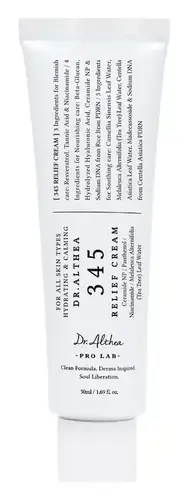
This calming moisturizer is formulated around Niacinamide and Panthenol to calm redness and brighten dull-looking skin.
This barrier-repair moisturizer is formulated around Niacinamide and Panthenol to strengthen the skin barrier and hydrate skin.


What's inside
What's inside
 Key Ingredients
Benefits
Concerns
Ingredients Side-by-side
Water
Skin ConditioningNiacinamide
Smoothing











1,2-Hexanediol
Skin Conditioning
Panthenol
Skin Conditioning
Ethyl Linoleate
Emollient



Caprylic/Capric Triglyceride
Masking
Cetearyl Alcohol
Emollient



Ammonium Acryloyldimethyltaurate/Vp Copolymer
Centella Asiatica Extract
Cleansing
Acetyl Glucosamine
Skin Conditioning
Bifida Ferment Lysate
Skin Conditioning
Resveratrol
Antioxidant
Polyglyceryl-10 Distearate
Emulsifying
Glyceryl Stearate
Emollient
4-T-Butylcyclohexanol
Masking
Sodium Hyaluronate
Humectant
Sorbitan Stearate
Emulsifying
Phytosterols
Skin Conditioning
N-Palmitoyl Serinol
Skin ProtectingHypericum Perforatum Flower Extract
Skin ConditioningButylene Glycol
Humectant
Palmitic Acid
Emollient
Ceramide NP
Skin Conditioning
Carbomer
Emulsion StabilisingPalmitoyl Tetrapeptide-10
Skin Conditioning
Acetyl Dipeptide-1 Cetyl Ester
Skin Conditioning
Sialyllactose
Skin ConditioningCetyl Palmitate
Emollient
Stearic Acid
Cleansing
Polysorbate 80
Emulsifying
Pentylene Glycol
Skin Conditioning
Allantoin
Skin Conditioning
Sodium Benzoate
Masking
Hydrogenated Lecithin
Emulsifying
Citric Acid
Buffering
Sorbitan Laurate
Emulsifying
Myristic Acid
Cleansing
Tocopherol
Antioxidant
Hydroxyethylcellulose
Emulsion StabilisingWater, Niacinamide, 1,2-Hexanediol, Panthenol, Ethyl Linoleate, Caprylic/Capric Triglyceride, Cetearyl Alcohol, Ammonium Acryloyldimethyltaurate/Vp Copolymer, Centella Asiatica Extract, Acetyl Glucosamine, Bifida Ferment Lysate, Resveratrol, Polyglyceryl-10 Distearate, Glyceryl Stearate, 4-T-Butylcyclohexanol, Sodium Hyaluronate, Sorbitan Stearate, Phytosterols, N-Palmitoyl Serinol, Hypericum Perforatum Flower Extract, Butylene Glycol, Palmitic Acid, Ceramide NP, Carbomer, Palmitoyl Tetrapeptide-10, Acetyl Dipeptide-1 Cetyl Ester, Sialyllactose, Cetyl Palmitate, Stearic Acid, Polysorbate 80, Pentylene Glycol, Allantoin, Sodium Benzoate, Hydrogenated Lecithin, Citric Acid, Sorbitan Laurate, Myristic Acid, Tocopherol, Hydroxyethylcellulose
Water
Skin ConditioningDipropylene Glycol
HumectantNiacinamide
Smoothing
Methylpropanediol
SolventCyclopentasiloxane
Emollient
Betaine
Humectant
Caprylic/Capric Triglyceride
Masking
Pentylene Glycol
Skin Conditioning
Glycerin
Humectant
Cetearyl Alcohol
Emollient
Glyceryl Glucoside
Humectant
1,2-Hexanediol
Skin Conditioning
Cetyl Alcohol
Emollient
Panthenol
Skin Conditioning
Hydrogenated Lecithin
Emulsifying
Phenoxyethanol
Preservative
Glyceryl Stearate
Emollient
Acrylates/C10-30 Alkyl Acrylate Crosspolymer
Emulsion StabilisingTromethamine
BufferingGlucose
Humectant
Butylene Glycol
Humectant
Dipotassium Glycyrrhizate
Humectant
Cetearyl Glucoside
Emulsifying
Chlorella Vulgaris Extract
Skin ConditioningStearic Acid
Cleansing
Sodium Polyacrylate
Absorbent
Sodium Hyaluronate
Humectant
Allantoin
Skin Conditioning
Fructose
Humectant
Fructooligosaccharides
Humectant
Hydrolyzed Hyaluronic Acid
Humectant
Sorbitol
Humectant
Biosaccharide Gum-2
Skin ConditioningCitric Acid
Buffering
Xanthan Gum
EmulsifyingMadecassoside
Antioxidant
Sodium Phytate
ChelatingSodium Citrate
BufferingEctoin
Skin Conditioning
Ceramide NP
Skin Conditioning
Sorbitan Laurate
Emulsifying
Panax Ginseng Root Extract
Emollient
Cynanchum Atratum Extract
Skin ConditioningBeta-Glucan
Skin Conditioning
Acetyl Hexapeptide-1
Skin Conditioning
Asiaticoside
Antioxidant
Centella Asiatica Leaf Extract
Skin Conditioning
Glycyrrhiza Glabra Root Extract
Bleaching
Citrus Aurantium Dulcis Fruit Extract
MaskingCholesterol
Emollient
Phytosphingosine
Skin Conditioning
Ceramide Ns
Skin Conditioning
Ethylhexylglycerin
Skin ConditioningCeramide Ng
Skin Conditioning
Centella Asiatica Extract
Cleansing
Ceramide AP
Skin Conditioning
Ethyl Hexanediol
SolventHydroxyethylcellulose
Emulsion StabilisingCeramide As
Skin Conditioning
Acetyl Dipeptide-1 Cetyl Ester
Skin Conditioning
Althaea Rosea Flower Extract
Skin ConditioningCamellia Sinensis Leaf Extract
Antimicrobial
Polygonum Cuspidatum Root Extract
Antioxidant
Scutellaria Baicalensis Root Extract
Astringent
Rosmarinus Officinalis Leaf Extract
AntimicrobialWater, Dipropylene Glycol, Niacinamide, Methylpropanediol, Cyclopentasiloxane, Betaine, Caprylic/Capric Triglyceride, Pentylene Glycol, Glycerin, Cetearyl Alcohol, Glyceryl Glucoside, 1,2-Hexanediol, Cetyl Alcohol, Panthenol, Hydrogenated Lecithin, Phenoxyethanol, Glyceryl Stearate, Acrylates/C10-30 Alkyl Acrylate Crosspolymer, Tromethamine, Glucose, Butylene Glycol, Dipotassium Glycyrrhizate, Cetearyl Glucoside, Chlorella Vulgaris Extract, Stearic Acid, Sodium Polyacrylate, Sodium Hyaluronate, Allantoin, Fructose, Fructooligosaccharides, Hydrolyzed Hyaluronic Acid, Sorbitol, Biosaccharide Gum-2, Citric Acid, Xanthan Gum, Madecassoside, Sodium Phytate, Sodium Citrate, Ectoin, Ceramide NP, Sorbitan Laurate, Panax Ginseng Root Extract, Cynanchum Atratum Extract, Beta-Glucan, Acetyl Hexapeptide-1, Asiaticoside, Centella Asiatica Leaf Extract, Glycyrrhiza Glabra Root Extract, Citrus Aurantium Dulcis Fruit Extract, Cholesterol, Phytosphingosine, Ceramide Ns, Ethylhexylglycerin, Ceramide Ng, Centella Asiatica Extract, Ceramide AP, Ethyl Hexanediol, Hydroxyethylcellulose, Ceramide As, Acetyl Dipeptide-1 Cetyl Ester, Althaea Rosea Flower Extract, Camellia Sinensis Leaf Extract, Polygonum Cuspidatum Root Extract, Scutellaria Baicalensis Root Extract, Rosmarinus Officinalis Leaf Extract
Reviews
Ingredients Explained
These ingredients are found in both products.
Ingredients higher up in an ingredient list are typically present in a larger amount.
1,2-Hexanediol is a synthetic liquid and another multi-functional powerhouse.
It is a:
- Humectant, drawing moisture into the skin
- Emollient, helping to soften skin
- Solvent, dispersing and stabilizing formulas
- Preservative booster, enhancing the antimicrobial activity of other preservatives
Acetyl Dipeptide-1 Cetyl Ester is a peptide composed of amino acids arginine and tyrosine.
This peptide is considered a neurotransmitter peptide, meaning it has pain-relieving and relaxing properties. It has the ability to calm skin irritation from external factors such as chemical stinging or heat.
Neurotransmitter peptides are also often called "botox in a bottle". This is because these peptides have the ability to relax the muscles.
Though relaxing the muscles can prevent expression lines (as we have seen in botox), the studies do not show these peptides to be a botox replacement. The effects of this muscle relaxation is also short-term, as opposed to longer-term results from botox.
Learn more about Acetyl Dipeptide-1 Cetyl EsterAllantoin is a soothing ingredient known for its protective and moisturizing properties; it's basically a quiet workhorse ingredient you can find in a huge range of cosmetics.
Though it can be derived from the comfrey plant, allantoin is produced synthetically for cosmetic products to ensure purity.
Research shows it can encourage your skin cells to turn over and renew by stimulating keratinocyte and fibroblast proliferation.
It also has mild keratolytic properties to help loosen and shed dead skin cells without being harsh.
Studies also suggest allantoin can help calm inflammation by dialing down some of the chemical signals your skin sends out when it is irritated.
This ingredient is typically used in the 0.1-0.5% range, and the FDA recognizes it as a skin protectant in OTC products up to 2%.
Overall, allantoin is a wonderful addition to most routines; it is stable across a wide pH range (~4-8), works well with other ingredients, and is considered non-sensitizing/non-irritating.
Fun fact: Allantoin is naturally occurring in comfrey root, beets, chamomile, and wheat sprouts. Our bodies even produce it as a byproduct of uric acid metabolism.
Learn more about AllantoinButylene Glycol (or BG) is used within cosmetic products for a few different reasons:
Overall, Butylene Glycol is a safe and well-rounded ingredient that works well with other ingredients.
Though this ingredient works well with most skin types, some people with sensitive skin may experience a reaction such as allergic rashes, closed comedones, or itchiness.
Learn more about Butylene GlycolCaprylic/Capric Triglyceride (aka MCT Oil) is a lightweight emollient, solvent, and texture enhancer. It is considered a skin-softener by helping to prevent moisture loss.
Though it behaves like an oil, it is not technically one due to its chemical composition. One perk of this ingredient is that it is very stable, resistant to oxidation, and unlikely to go rancid.
In practice, that translates to a long shelf life and a consistently elegant skin feel.
While there is an assumption Caprylic Triglyceride can clog pores due to it being derived from coconut oil, there is no research supporting this. Just patch test if you have concerns.
Fractionated coconut oil and MCT Oil are both listed as Caprylic/Capric Triglyceride according to INCI. This is because INCI names are based on the ingredient’s final chemical composition and not its marketing name or source.
This ingredient is treated as the gold standard fungal acne safe oil. Even though it is coconut derived, the problematic lauric acid is stripped out.
This leaves just caprylic (C8) and capric (C10) acid. These chain lengths actually trend antifungal; a 2020 study found caprylic acid was enough to disrupt Malassezia furfur cell membrane, with a caprylic acid derivative damaging membrane structures at concentrations as low as 0.2%.
Learn more about Caprylic/Capric TriglycerideCentella Asiatica Extract (Centella) is one of the most researched botanical extracts in skincare with decades of studies backing its effects on inflammation, collagen, and the skin barrier.
That research keeps pointing back to the same four triterpenoid saponins: Asiaticoside, Madecassoside, Asiatic Acid, and Madecassic Acid.
These compounds allow centella to dial back inflammation, encourage the skin to build and hold onto collagen, support the barrier and hydration, and bring solid antioxidant activity to protect against signs of aging.
Centella also carries a nice supporting cast of Vitamin A, vitamin C, several B vitamins, and amino acids. Put it all together and you get an ingredient that soothes, hydrates, and protects, all at once.
Most of centella's magic comes from the four big compounds (Asiaticoside, Madecassoside, Asiatic Acid, and Madecassic Acid). These are the actives doing the heavy lifting in almost every centella study.
Here is the short version of what they do in the skin:
So it is not just soothing for the sake of soothing. Centella calms the skin AND helps it rebuild.
Just FYI, not all centella on an ingredient list is the same. What you are getting actually depends on the extract:
Fun fact on the ratios: the leaves tend to be richest in Madecassoside and Asiaticoside, and lower in the two acids. The exact amounts shift with where the plant is grown and how it is processed. This means purity really does vary brand to brand.
Centella is one of the most easygoing actives out there.
It layers well with basically everything: niacinamide, hyaluronic acid, peptides, and vitamin C, and also pairs nicely with stronger actives like retinoids and exfoliating acids where it can help take the edge off irritation.
On the safety side, centella and its triterpenes are classified as weak sensitizers, meaning allergic reactions are possible but uncommon.
Patch tests at 1% and 5% came back negative in test panels, and creams at typical use levels did not cause allergic reactions across large groups of people.
But as with any new active, a patch test is still a smart move for very reactive skin.
Centella is widely used because it is effective at low percentages. For context, human safety testing found no meaningful irritation from creams containing centella extract at everyday use levels (the tested amounts were well under 1%).
The irritancy threshold in animal testing was also above 30% (so real-world formulas sit far below anything concerning).
In collagen lab studies, higher concentrations drove more collagen synthesis, so serums built around centella tend to feature it more prominently.
Bottom line: you will find centella working nicely anywhere from a fraction of a percent up to hero-ingredient levels depending on whether it is a supporting soother or the main event.
Fun fact: Centella has been used as a medicine and in food for many centuries. As a medicine, it is used to treat burns, scratches, and wounds.
Learn more about Centella Asiatica ExtractCeramide NP (formerly known as Ceramide 3) is one of the skin's naturally occurring lipids.
Since ceramides are the major lipid components of the skin, they are crucial for maintaining skin barrier and hydration. Ceramide NP most closely mirrors the dominant kind in human skin amongst ceramide subtypes.
This ceramide works by slotting into gaps within the stratum corneum's lipid matrix to limit trans-epidermal water loss (TEWL) and shield the skin against external irritants.
A study with 312 patients found that using a ceramide-containing routine for 4 weeks reduced the severity of atopic dermatitis by over 61%.
Another clinical study in subjects aged 60 and older found that a ceramide body wash and moisturizer improved skin dryness and itchy skin in 15 days.
Overall, ceramides are considered non-irritating and safety tests have found little to no observable adverse effects from using this ingredient.
Ceramide NP is usually sourced from plants (like soybean or rice bran), or produced synthetically.
Learn more about Ceramide NPCetearyl alcohol is a waxy mixture of two fatty alcohols: cetyl alcohol and stearyl alcohol. It is an emollient and emulsifier.
Despite having "alcohol" in its name, it has nothing to do with drying solvent alcohols; the FDA also allows "alcohol-free" products to contain fatty alcohols like this ingredient.
It plays several roles in a formula:
Typical use levels for this ingredient sit around 1-10% and the Cosmetic Ingredient Review Expert Panel has affirmed safety at concentrations up to 25% in leave-on products.
Multiple assessments have found it to be non-irritating and non-sensitizing to most people.
However, there have been some cases of allergic contact dermatitis in patients with chronically compromised skin barriers.
Cetearyl alcohol has a comedogenic rating of 2 and irritancy rating of 1. Both of these numbers come from the 1989 study that used rabbit ears; a "2" means mildly comedogenic and a "1" means low irritancy.
Here's the catch: rabbit skin is more sensitive than human skin and throws a lot of false positives. A 1996 reappraisal found that ingredients rated 1-2 in the rabbit ear tests are generally safe for humans.
Remember comedogenic ratings are unable to assess the entire formula of a product or how it will react on your skin. Just be sure to patch test if you are unsure about certain ingredients.
This ingredient is not fungal acne safe. Cetearyl alcohol is a fatty alcohol with chain lengths that fall within the range that Malassezia can metabolize.
A 2019 study has also observed Malassezia growth in the presence of this ingredient, confirming it to be not-fungal acne safe.
Learn more about Cetearyl AlcoholCitric Acid is an alpha hydroxy acid (AHA) naturally found in citrus fruits like oranges, lemons, and limes.
Like other AHAs, citric acid can exfoliate skin by breaking down the bonds that hold dead skin cells together. This helps reveal smoother and brighter skin underneath.
However, this exfoliating effect only happens at high concentrations (20%) which can be hard to find in cosmetic products.
Due to this, citric acid is usually included in small amounts as a pH adjuster. This helps keep products slightly more acidic and compatible with skin's natural pH.
In skincare formulas, citric acid can:
While it can provide some skin benefits, research shows lactic acid and glycolic acid are generally more effective and less irritating exfoliants.
Most citric acid used in skincare today is made by fermenting sugars (usually from molasses). This synthetic version is identical to the natural citrus form but easier to stabilize and use in formulations.
Rosacea skin has a lower threshold for acids generally, with 62.5% of rosacea subjects in one study reacting to lactic acid in a sting test. This is why we mark citric acid as a potential rosacea trigger.
However, this ingredient shows up as a pH adjuster or chelator at roughly 0.1-1% in many products. These low levels are unlikely to be an issue for rosacea skin and becomes a potential trigger at exfoliating concentrations (20%). Because everybody's skin is unique, we recommend a patch test if you are unsure.
Learn more about Citric AcidGlyceryl Stearate is made by reacting glycerin with stearic acid (typically sourced from plant oils like palm or coconut). It's an emulsifier, emollient, and mild occlusive.
Emulsifiers help ingredients like oil and water stay mixed so your formula stays nicely blended and uniform in texture.
This ingredient is typically used in concentrations between 1-10%. Studies have found it to be non-sensitizing, non-phototoxic, and non-photoallergenic.
A close cousin of this ingredient is Glyceryl Stearate SE ("self-emulsifying"). This just has a small amount of sodium or potassium stearate added so it can emulsify without a co-emulsifier.
Since this ingredient is an ester of a C18 fatty acid, it may not be fungal acne safe. The Malassezia yeast can potentially metabolize within the C11-C24 range.
Fun fact: The human body also creates Glyceryl Stearate naturally.
Learn more about Glyceryl StearateHydrogenated Lecithin is a more stable version of lecithin.
It's made by taking lecithin (a phospholipid commonly found in soybeans and egg yolks) and hydrogenating it. This just means the unsaturated fatty acids are turned into saturated ones so they don't go bad as easily.
This ingredient is an emollient, emulsifier, and penetration enhancer. As an emollient, it helps soften and hydrate skin by trapping moisture within. As an emulsifier, it prevents oil and water ingredients from separating.
Hydrogenated Lecithin can form tiny spherical structures made of phospholipid bilayers called liposomes. These liposomes are able to capture compounds inside their structure and deliver them through the skin barrier.
Because phospholipids are a natural component of our cell membranes, this ingredient is inherently compatible with skin.
A 2021 study found lecithin-based surfactants were less harsh and more tolerable comared to Sodium Lauryl Sulfate (SLS).
Learn more about Hydrogenated LecithinHydroxyethylcellulose is used to improve the texture of products. It is created from a chemical reaction involving ethylene oxide and alkali-cellulose. Cellulose is a sugar found in plant cell walls and help give plants structure.
This ingredient helps stabilize products by preventing ingredients from separating. It can also help thicken the texture of a product.
This ingredient can also be found in pill medicines to help our bodies digest other ingredients.
Learn more about HydroxyethylcelluloseNiacinamide is a multitasking form of vitamin B3 that strengthens the skin barrier, reduces pores and dark spots, regulates oil, and improves signs of aging.
And the best part? It's gentle and well-tolerated by most skin types, including sensitive and reactive skin.
You might have heard of "niacin flush", or the reddening of skin that causes itchiness. Niacinamide has not been found to cause this.
In very rare cases, some individuals may not be able to tolerate niacinamide at all or experience an allergic reaction to it.
If you are experiencing flaking, irritation, and dryness with this ingredient, be sure to double check all your products as this ingredient can be found in all categories of skincare.
When incorporating niacinamide into your routine, look out for concentration amounts. Typically, 5% niacinamide provides benefits such as fading dark spots. However, if you have sensitive skin, it is better to begin with a smaller concentration.
When you apply niacinamide to your skin, your body converts it into nicotinamide adenine dinucleotide (NAD). NAD is an essential coenzyme that is already found in your cells as "fuel" and powers countless biological processes.
In your skin, NAD helps repair cell damage, produce new healthy cells, support collagen production, strengthen the skin barrier, and fight environmental stressors (like UV and pollution).
Our natural NAD levels start to decline with age, leading to slower skin repair, visible aging, and a weaker skin barrier. By providing your skin niacinamide, you're recharging your skin's NAD levels. This leads to stronger, healthier, and younger looking skin.
Another name for vitamin B3 is nicotinamide. This vitamin is water-soluble and our bodies don't store it. We obtain Vitamin B3 from either food or skincare. Meat, fish, wheat, yeast, and leafy greens contain vitamin B3.
The type of niacinamide used in skincare is synthetically created.
Learn more about NiacinamidePanthenol is a common ingredient that helps hydrate and soothe the skin. It is found naturally in our skin and hair.
There are two forms of panthenol: D and L.
D-panthenol is also known as dexpanthenol. Most cosmetics use dexpanthenol or a mixture of D and L-panthenol.
Panthenol is famous due to its ability to go deeper into the skin's layers. Using this ingredient has numerous pros (and no cons):
Like hyaluronic acid, panthenol is a humectant. Humectants are able to bind and hold large amounts of water to keep skin hydrated.
This ingredient works well for wound healing. It works by increasing tissue in the wound and helps close open wounds.
Once oxidized, panthenol converts to pantothenic acid. Panthothenic acid is found in all living cells.
This ingredient is also referred to as pro-vitamin B5.
Learn more about PanthenolPentylene Glycol (1,2-pentanediol) is a multitasking little diol with three main roles in a formula:
Research on alkanediols (the family pentylene glycol belongs to) show they work by disrupting microbial cell membranes. This disruption helps the primary preservative system in a product work more effectively at lower doses.
On the safety side, the Cosmetic Ingredient Review Expert Panel has concluded this ingredient to be safe as used in current cosmetic practices + concentrations.
Typical use levels in a formula run about 1-5%.
Learn more about Pentylene GlycolSodium Hyaluronate is the salt form of hyaluronic acid. It is a long sugar chain that is naturally found in your skin, joints, and connective tissue that maintains hydration and elasticity.
In skincare, it works as a humectant. It pulls water from the environment and deeper layers of skin and binds it to the surface.
Interestingly, the size of the molecule affects its behavior:
Some clinical evidence links low molecular weight versions to improved wrinkle depth, elasticity, anti-inflammatory effects, and barrier repair.
Many serums use a blend of both weights so you can get surface hydration plus longer-lasting and deeper effects.
You'll typically see concentrations between 0.1-2% for this ingredient.
Learn more about Sodium HyaluronateSorbitan Laurate is created from lauric acid and derivatives from sorbitol. It is an emulsifier.
Stearic Acid is a fatty acid that is already found in your skin. It's one of the free fatty acids that works alongside ceramides and cholesterols to maintain your barrier.
In cosmetics, it is a multitasker:
Safety-wise, the CIR Expert Panel has concluded it to be safe in cosmetics when formulated to be non-irritating and non-sensitizing.
Free stearic acid is a C18 fatty acid that the Malassezia yeast can substrate, so this ingredient may not be fungal acne safe.
This ingredient does have a comedogenic rating of 2-3, but this doesn't mean a formula with this ingredient will clog pores.
Human testing has proved that any finished product with this ingredient won't automatically make you break out; it really comes down to concentration, formula, and your skin.
Learn more about Stearic AcidWater. It's the most common cosmetic ingredient of all. You'll usually see it at the top of ingredient lists, meaning that it makes up the largest part of the product.
So why is it so popular? Water most often acts as a solvent - this means that it helps dissolve other ingredients into the formulation.
You'll also recognize water as that liquid we all need to stay alive. If you see this, drink a glass of water. Remember to stay hydrated!
Learn more about Water