
What's inside
What's inside
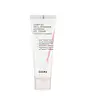 Key Ingredients
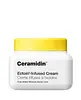
Benefits
Concerns
Ingredients Side-by-side
Water
Skin ConditioningButylene Glycol
Humectant
Glycerin
Humectant


Helianthus Annuus Seed Oil
Emollient

Squalane
Emollient
PCA Dimethicone
Skin Conditioning
Phenyl Trimethicone
Skin Conditioning
Polyglyceryl-3 Methylglucose Distearate
Emulsifying
Polyglycerin-3
Humectant
Dipropylene Glycol
HumectantCeramide NP
Skin Conditioning


Betaine
Humectant
Hydrogenated Lecithin
Emulsifying
Hydroxyacetophenone
Antioxidant
Ammonium Acryloyldimethyltaurate/Vp Copolymer
Sodium Polyacrylate
Absorbent
Xylitol
Humectant
Sodium Acrylate/Sodium Acryloyldimethyl Taurate Copolymer
Emulsion StabilisingCaprylyl Glycol
Emollient
Glyceryl Stearate
Emollient
Polyisobutene
Polyquaternium-51
Skin Conditioning
Ethylhexylglycerin
Skin ConditioningCaprylic/Capric Triglyceride
Masking
Disodium EDTA
1,2-Hexanediol
Skin Conditioning
Caprylyl/Capryl Glucoside
CleansingSorbitan Oleate
Emulsifying
Mentha Piperita Leaf Extract
Skin ConditioningZingiber Officinale Root Extract
Masking
Menthyl Lactate
MaskingEthyl Menthane Carboxamide
TonicMethyl Diisopropyl Propionamide
MaskingLeuconostoc/Radish Root Ferment Filtrate
Antimicrobial
Centella Asiatica Leaf Extract
Skin Conditioning
Anthemis Nobilis Flower Water
Masking
Glycyrrhiza Glabra Root Extract
Bleaching
Aloe Barbadensis Leaf Juice
Skin Conditioning
Chamaecyparis Obtusa Water
MaskingCitrus Aurantium Bergamia Fruit Oil
Masking
Dipotassium Glycyrrhizate
Humectant
Melaleuca Alternifolia Leaf Oil
Antioxidant

Aniba Rosaeodora Wood Oil
Astringent
Tocopherol
Antioxidant
Cetearyl Alcohol
Emollient
Stearic Acid
Cleansing
Sodium Hyaluronate
Humectant
Hydrolyzed Hyaluronic Acid
Humectant
Allantoin
Skin Conditioning
Panthenol
Skin Conditioning
Palmitoyl Pentapeptide-4
Skin Conditioning
Phytosphingosine
Skin Conditioning
Cholesterol
Emollient
Ceramide Ng
Skin Conditioning
Ceramide Ns
Skin Conditioning
Ceramide AP
Skin Conditioning
Ceramide As
Skin Conditioning
Ceramide EOP
Skin Conditioning
Water, Butylene Glycol, Glycerin, Helianthus Annuus Seed Oil, Squalane, PCA Dimethicone, Phenyl Trimethicone, Polyglyceryl-3 Methylglucose Distearate, Polyglycerin-3, Dipropylene Glycol, Ceramide NP, Betaine, Hydrogenated Lecithin, Hydroxyacetophenone, Ammonium Acryloyldimethyltaurate/Vp Copolymer, Sodium Polyacrylate, Xylitol, Sodium Acrylate/Sodium Acryloyldimethyl Taurate Copolymer, Caprylyl Glycol, Glyceryl Stearate, Polyisobutene, Polyquaternium-51, Ethylhexylglycerin, Caprylic/Capric Triglyceride, Disodium EDTA, 1,2-Hexanediol, Caprylyl/Capryl Glucoside, Sorbitan Oleate, Mentha Piperita Leaf Extract, Zingiber Officinale Root Extract, Menthyl Lactate, Ethyl Menthane Carboxamide, Methyl Diisopropyl Propionamide, Leuconostoc/Radish Root Ferment Filtrate, Centella Asiatica Leaf Extract, Anthemis Nobilis Flower Water, Glycyrrhiza Glabra Root Extract, Aloe Barbadensis Leaf Juice, Chamaecyparis Obtusa Water, Citrus Aurantium Bergamia Fruit Oil, Dipotassium Glycyrrhizate, Melaleuca Alternifolia Leaf Oil, Aniba Rosaeodora Wood Oil, Tocopherol, Cetearyl Alcohol, Stearic Acid, Sodium Hyaluronate, Hydrolyzed Hyaluronic Acid, Allantoin, Panthenol, Palmitoyl Pentapeptide-4, Phytosphingosine, Cholesterol, Ceramide Ng, Ceramide Ns, Ceramide AP, Ceramide As, Ceramide EOP
Water
Skin ConditioningGlycerin
Humectant
Propanediol
Solvent
Butyrospermum Parkii Butter Extract
Skin Conditioning
Betaine
Humectant
Methylpropanediol
SolventHydrogenated Poly(C6-14 Olefin)
EmollientPentaerythrityl Distearate
Emulsifying
Caprylic/Capric Triglyceride
Masking
Dipropylene Glycol
HumectantDicaprylyl Ether
Emollient
Cetearyl Alcohol
Emollient
Cetearyl Glucoside
EmulsifyingPanthenol
Skin Conditioning
Ectoin
Skin Conditioning
Vinyldimethicone
Argania Spinosa Kernel Oil
Emollient
2,3-Butanediol
HumectantSodium Stearoyl Glutamate
Cleansing1,2-Hexanediol
Skin Conditioning
Glyceryl Stearate
Emollient
Spent Grain Wax
Skin Conditioning
Ceramide NP
Skin Conditioning
Ceramide Ng
Skin Conditioning
Ceramide AP
Skin Conditioning
Ceramide Ns
Skin Conditioning
Ceramide As
Skin Conditioning
Ethylhexylglycerin
Skin ConditioningSodium Hyaluronate
Humectant
Theobroma Cacao Seed Extract
Antioxidant
Pelargonium Graveolens Flower Oil
Masking

Olea Europaea Fruit Oil
Masking
Citrus Aurantium Bergamia Fruit Oil
Masking
Cholesterol
Emollient
Hydrogenated Lecithin
Emulsifying
Sodium Polyacrylate
Absorbent
Hydroxypropyl Starch Phosphate
Glyceryl Stearate Se
Emulsifying
Behenyl Alcohol
Emollient
Dextrin
AbsorbentSalvia Officinalis Oil
Masking
Citronellol
Perfuming
Hydroxyacetophenone
Antioxidant
Tocopherol
Antioxidant
CI 19140
Cosmetic ColorantWater, Glycerin, Propanediol, Butyrospermum Parkii Butter Extract, Betaine, Methylpropanediol, Hydrogenated Poly(C6-14 Olefin), Pentaerythrityl Distearate, Caprylic/Capric Triglyceride, Dipropylene Glycol, Dicaprylyl Ether, Cetearyl Alcohol, Cetearyl Glucoside, Panthenol, Ectoin, Vinyldimethicone, Argania Spinosa Kernel Oil, 2,3-Butanediol, Sodium Stearoyl Glutamate, 1,2-Hexanediol, Glyceryl Stearate, Spent Grain Wax, Ceramide NP, Ceramide Ng, Ceramide AP, Ceramide Ns, Ceramide As, Ethylhexylglycerin, Sodium Hyaluronate, Theobroma Cacao Seed Extract, Pelargonium Graveolens Flower Oil, Olea Europaea Fruit Oil, Citrus Aurantium Bergamia Fruit Oil, Cholesterol, Hydrogenated Lecithin, Sodium Polyacrylate, Hydroxypropyl Starch Phosphate, Glyceryl Stearate Se, Behenyl Alcohol, Dextrin, Salvia Officinalis Oil, Citronellol, Hydroxyacetophenone, Tocopherol, CI 19140
Reviews
Ingredients Explained
These ingredients are found in both products.
Ingredients higher up in an ingredient list are typically present in a larger amount.
1,2-Hexanediol is a synthetic liquid and another multi-functional powerhouse.
It is a:
- Humectant, drawing moisture into the skin
- Emollient, helping to soften skin
- Solvent, dispersing and stabilizing formulas
- Preservative booster, enhancing the antimicrobial activity of other preservatives
Betaine is a common humectant (a substance that promotes retention of moisture). It's known to be gentle on the skin and can help balance hydration.
This ingredient is best for improving hydration and soothing irritated skin. Studies also show it helps even out skin tone.
Fun fact: Betaine is naturally created in the skin and body. The kind found within cosmetic products can be either plant-derived or synthetic.
Another name for betaine is trimethylglycine.
Learn more about BetaineThis ingredient is an emollient, solvent, and texture enhancer. It is considered a skin-softener by helping the skin prevent moisture loss.
It helps thicken a product's formula and makes it easier to spread by dissolving clumping compounds.
Caprylic Triglyceride is made by combining glycerin with coconut oil, forming a clear liquid.
While there is an assumption Caprylic Triglyceride can clog pores due to it being derived from coconut oil, there is no research supporting this.
Learn more about Caprylic/Capric TriglycerideCeramide AP is formally known as Ceramide 6.
Ceramides are intercellular lipids naturally found in our skin that bonds dead skin cells together to create a barrier. Having a strong skin barrier leads to more firm and hydrated skin.
They are known for their ability to hold water and thus are a great ingredient for dry skin. By bolstering the skin ceramides act as a barrier against irritating ingredients. This can help with inflammation as well.
If you would like to eat ceramides, sweet potatoes contain a small amount.
Read more about other common types of ceramides here:
Ceramide NP
Ceramide EOP
Ceramide AS is formally known as Ceramides 4 and 5.
Ceramides are intercellular lipids naturally found in our skin that bonds dead skin cells together to create a barrier. They are known for their ability to hold water and thus are a great ingredient for dry skin.
Ceramide NG is a type of Ceramide. The NG stands for a sphinganine base.
Ceramides are intercellular lipids naturally found in our skin that bonds dead skin cells together to create a barrier. They are known for their ability to hold water and thus are a great ingredient for dry skin.
Ceramides are an important building block for our skin barrier. A stronger barrier helps the skin look more firm and hydrated. By bolstering the skin ceramides act as a barrier against irritating ingredients. This can help with inflammation as well.
If you would like to eat ceramides, sweet potatoes contain a small amount.
Read more about other common types of ceramides here:
Ceramide AP
Ceramide EOP
Ceramide NP
Ceramide NP is a type of ceramide and formally known as ceramide 3.
Ceramides are intercellular lipids naturally found in our skin that bonds dead skin cells together to create a barrier. They are known for their ability to hold water and thus are a great ingredient for dry skin.
Ceramides are an important building block for our skin barrier. A stronger barrier helps the skin look more firm and hydrated. By bolstering the skin ceramides act as a barrier against irritating ingredients. This can help with inflammation as well.
If you would like to eat ceramides, sweet potatoes contain a small amount.
Read more about other common types of ceramides here:
Ceramide AP
Ceramide EOP
Ceramide NS is formally known as Ceramide 2. It is one of the major ceramides in the stratum corneum (outermost layer of skin) plays a role in forming a protective barrier.
Due to its structure, skin lipids can be packed tightly and in turn, this strengthens the barrier and reduces water loss.
Studies show conditions like atopic dermatitis can worsen when ceramide NS levels are low.
Learn more about Ceramide NsCetearyl alcohol is a mixture of two fatty alcohols: cetyl alcohol and stearyl alcohol. It is mainly used as an emulsifier. Emulsifiers help prevent the separation of oils and products. Due to its composition, it can also be used to thicken a product or help create foam.
Cetearyl alcohol is an emollient. Emollients help soothe and hydrate the skin by trapping moisture.
Studies show Cetearyl alcohol is non-toxic and non-irritating. The FDA allows products labeled "alcohol-free" to have fatty alcohols.
This ingredient is usually derived from plant oils such as palm, vegetable, or coconut oils. There is debate on whether this ingredient will cause acne.
Due to the fatty acid base, this ingredient may not be Malassezia folliculitis safe.
Learn more about Cetearyl AlcoholCholesterol is a class of organic molecules called lipids. It helps hydrate your skin and is essential to having a healthy skin barrier.
Our skin naturally contains cholesterol in the outermost layer. Besides cholesterol, it also contains ceramides and fatty acids. Cholesterol makes up about 1/4 of your skin's outer layer and barrier. Your skin barrier is responsible for keeping allergens and microbes out. Having a healthy skin barrier is also responsible for keeping your skin firm and plump.
Our bodies use cholestrol to create vitamin D, steroid hormones, and more.
Learn more about CholesterolCitrus Aurantium Bergamia Fruit Oil is the oil from the bergamot orange. It is native to Italy.
This ingredient is used to add fragrance to products. It contains limonene, linalool, and linalyl acetate.
The term 'fragrance' is not regulated in many countries. In many cases, it is up to the brand to define this term. For instance, many brands choose to label themselves as "fragrance-free" because they are not using synthetic fragrances. However, their products may still contain ingredients such as essential oils that are considered a fragrance.
When used topically, Citrus Aurantium Bergamia Fruit Oil is a photosensitizer due to its furanocoumarins. Photosensitizers make the skin and eyes much more sensitive to sunlight. Photosensitizers are linked to skin cancer.
However, more cosmetics using Citrus Aurantium Bergamia Fruit Oil are removing the furanocoumarins.
Bergamot oil was also found to have anti-inflammatory, antibacterial and antifungal properties.
Learn more about Citrus Aurantium Bergamia Fruit OilDipropylene Glycol is a synthetically created humectant, stabilizer, and solvent.
This ingredient helps:
Dipropylene glycol is technically an alcohol, but it belongs to the glycol family (often considered part of the ‘good’ alcohols). This means it is hydrating and gentle on skin unlike drying solvent alcohols like denatured alcohol.
As a masking agent, Dipropylene Glycol can be used to cover the smell of other ingredients. However, it does not have a scent.
Studies show Dipropylene Glycol is considered safe to use in skincare.
Learn more about Dipropylene GlycolEthylhexylglycerin (we can't pronounce this either) is commonly used as a preservative and skin softener. It is derived from glyceryl.
You might see Ethylhexylglycerin often paired with other preservatives such as phenoxyethanol. Ethylhexylglycerin has been found to increase the effectiveness of these other preservatives.
Glycerin is already naturally found in your skin. It helps moisturize and protect your skin.
A study from 2016 found glycerin to be more effective as a humectant than AHAs and hyaluronic acid.
As a humectant, it helps the skin stay hydrated by pulling moisture to your skin. The low molecular weight of glycerin allows it to pull moisture into the deeper layers of your skin.
Hydrated skin improves your skin barrier; Your skin barrier helps protect against irritants and bacteria.
Glycerin has also been found to have antimicrobial and antiviral properties. Due to these properties, glycerin is often used in wound and burn treatments.
In cosmetics, glycerin is usually derived from plants such as soybean or palm. However, it can also be sourced from animals, such as tallow or animal fat.
This ingredient is organic, colorless, odorless, and non-toxic.
Glycerin is the name for this ingredient in American English. British English uses Glycerol/Glycerine.
Learn more about GlycerinGlyceryl Stearate is a mix of glycerin and stearic acid.
It is used to stabilize the mixing of water and oil ingredients. By preventing these ingredients from separating, it can help elongate shelf life. It can also help thicken the product's texture.
As an emollient, it helps soften skin and supports barrier-replenishing ingredients.
In cosmetics, Glyceryl Stearate is often made from vegetable oils or synthetically produced.
This ingredient may not be fungal-acne safe
Fun fact: The human body also creates Glyceryl Stearate naturally.
Learn more about Glyceryl StearateHydrogenated Lecithin is created from the hydrogenation of lecithin (a group of phospholipids). Hydrogenation is a chemical reaction between hydrogen and another element.
This ingredient is an emollient and emulsifier. As an emollient, it helps soften skin by trapping moisture within. As an emulsifier, it prevents oil and water ingredients from separating.
Hydroxyacetophenone is antioxidant with skin conditioning and soothing properties. It also boosts the efficiency of preservatives.
This ingredient is not irritating or sensitizing.
Panthenol is a common ingredient that helps hydrate and soothe the skin. It is found naturally in our skin and hair.
There are two forms of panthenol: D and L.
D-panthenol is also known as dexpanthenol. Most cosmetics use dexpanthenol or a mixture of D and L-panthenol.
Panthenol is famous due to its ability to go deeper into the skin's layers. Using this ingredient has numerous pros (and no cons):
Like hyaluronic acid, panthenol is a humectant. Humectants are able to bind and hold large amounts of water to keep skin hydrated.
This ingredient works well for wound healing. It works by increasing tissue in the wound and helps close open wounds.
Once oxidized, panthenol converts to pantothenic acid. Panthothenic acid is found in all living cells.
This ingredient is also referred to as pro-vitamin B5.
Learn more about PanthenolSodium Hyaluronate is hyaluronic acid's salt form. It is commonly derived from the sodium salt of hyaluronic acid.
Like hyaluronic acid, it is great at holding water and acts as a humectant. This makes it a great skin hydrating ingredient.
Sodium Hyaluronate is naturally occurring in our bodies and is mostly found in eye fluid and joints.
These are some other common types of Hyaluronic Acid:
Learn more about Sodium HyaluronateSodium Polyacrylate is the sodium salt of polyacrylic acid. It is used as an absorber, emollient, and stabilizer.
This ingredient is a super-absorbent polymer - meaning it can absorb 100 to 1000 times its mass in water. As an emollient, Sodium Polyacrylate helps soften and soothe skin. Emollients work by creating a barrier to trap moisture in. This helps keep your skin hydrated.
Tocopherol (also known as Vitamin E) is a common antioxidant used to help protect the skin from free-radicals and strengthen the skin barrier. It's also fat soluble - this means our skin is great at absorbing it.
Vitamin E also helps keep your natural skin lipids healthy. Your lipid skin barrier naturally consists of lipids, ceramides, and fatty acids. Vitamin E offers extra protection for your skin’s lipid barrier, keeping your skin healthy and nourished.
Another benefit is a bit of UV protection. Vitamin E helps reduce the damage caused by UVB rays. (It should not replace your sunscreen). Combining it with Vitamin C can decrease sunburned cells and hyperpigmentation after UV exposure.
You might have noticed Vitamin E + C often paired together. This is because it is great at stabilizing Vitamin C. Using the two together helps increase the effectiveness of both ingredients.
There are often claims that Vitamin E can reduce/prevent scarring, but these claims haven't been confirmed by scientific research.
Learn more about TocopherolWater. It's the most common cosmetic ingredient of all. You'll usually see it at the top of ingredient lists, meaning that it makes up the largest part of the product.
So why is it so popular? Water most often acts as a solvent - this means that it helps dissolve other ingredients into the formulation.
You'll also recognize water as that liquid we all need to stay alive. If you see this, drink a glass of water. Stay hydrated!
Learn more about Water
