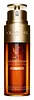
This anti-aging serum is formulated around Squalane and Ascorbic Acid to soften the look of wrinkles and hydrate skin.
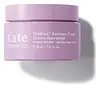
This barrier-repair moisturizer is formulated around Ceramide NP and Phytosphingosine to strengthen the skin barrier and calm redness.


What's inside
What's inside
 Key Ingredients
Benefits
Concerns
Ingredients Side-by-side
Water
Skin ConditioningC9-12 Alkane
SolventUndecane
EmollientGlycerin
Humectant


Cetearyl Isononanoate
Emollient
Isononyl Isononanoate
EmollientTridecane
Perfuming

Pentylene Glycol
Skin Conditioning
Squalane
Emollient
Ethylene/Propylene/Styrene Copolymer
Butylene Glycol
Humectant
Parfum
Masking


Dipsacus Sylvestris Extract
Skin ConditioningPhenoxyethanol
Preservative
Propanediol
Solvent
Silybum Marianum Seed Oil
Skin Conditioning

Caprylic/Capric Triglyceride
Masking
Tromethamine
BufferingTocopheryl Acetate
Antioxidant


Escin
TonicCarbomer
Emulsion StabilisingChenopodium Quinoa Seed Extract
Skin Conditioning
Ethylhexylglycerin
Skin ConditioningAvena Sativa Kernel Extract
Abrasive


Xanthan Gum
EmulsifyingButylene/Ethylene/Styrene Copolymer
Leontopodium Alpinum Flower/Leaf Extract
Skin ConditioningPersea Gratissima Oil Unsaponifiables
Skin Conditioning
Caramel
Cosmetic ColorantCurcuma Longa Root Extract
Antioxidant
Theobroma Cacao Extract
Skin ConditioningDisodium EDTA
ChelatingMusa Sapientum Fruit Extract
Skin ConditioningActinidia Chinensis Fruit Extract
EmollientKalanchoe Pinnata Leaf Extract
MaskingMyrothamnus Flabellifolia Leaf/Stem Extract
HumectantCitric Acid
Buffering
Lycium Barbarum Fruit Extract
Astringent
Sodium Benzoate
Masking
Maltodextrin
Absorbent
Orthosiphon Stamineus Extract
Skin ConditioningHedychium Coronarium Root Extract
MaskingSalicornia Herbacea Extract
Skin ConditioningMangifera Indica Leaf Extract
Skin ConditioningJania Rubens Extract
Skin Conditioning
Pentaerythrityl Tetra-Di-T-Butyl Hydroxyhydrocinnamate
Antioxidant
Ascorbic Acid
Antioxidant


Sodium Citrate
BufferingTocopherol
Antioxidant
Potassium Sorbate
Preservative
Engelhardtia Chrysolepis Leaf Extract
Skin ConditioningCI 14700
Cosmetic ColorantCallicarpa Japonica Fruit Extract
Skin ConditioningWater, C9-12 Alkane, Undecane, Glycerin, Cetearyl Isononanoate, Isononyl Isononanoate, Tridecane, Pentylene Glycol, Squalane, Ethylene/Propylene/Styrene Copolymer, Butylene Glycol, Parfum, Dipsacus Sylvestris Extract, Phenoxyethanol, Propanediol, Silybum Marianum Seed Oil, Caprylic/Capric Triglyceride, Tromethamine, Tocopheryl Acetate, Escin, Carbomer, Chenopodium Quinoa Seed Extract, Ethylhexylglycerin, Avena Sativa Kernel Extract, Xanthan Gum, Butylene/Ethylene/Styrene Copolymer, Leontopodium Alpinum Flower/Leaf Extract, Persea Gratissima Oil Unsaponifiables, Caramel, Curcuma Longa Root Extract, Theobroma Cacao Extract, Disodium EDTA, Musa Sapientum Fruit Extract, Actinidia Chinensis Fruit Extract, Kalanchoe Pinnata Leaf Extract, Myrothamnus Flabellifolia Leaf/Stem Extract, Citric Acid, Lycium Barbarum Fruit Extract, Sodium Benzoate, Maltodextrin, Orthosiphon Stamineus Extract, Hedychium Coronarium Root Extract, Salicornia Herbacea Extract, Mangifera Indica Leaf Extract, Jania Rubens Extract, Pentaerythrityl Tetra-Di-T-Butyl Hydroxyhydrocinnamate, Ascorbic Acid, Sodium Citrate, Tocopherol, Potassium Sorbate, Engelhardtia Chrysolepis Leaf Extract, CI 14700, Callicarpa Japonica Fruit Extract
Water
Skin ConditioningGlycerin
Humectant
Trimethylolpropane Tricaprylate/Tricaprate
EmollientPentaerythrityl Tetraisostearate
Emollient
Coco-Caprylate/Caprate
Emollient
Pentaerythrityl Distearate
Emulsifying
Cetearyl Alcohol
Emollient
Caprylic/Capric Triglyceride
Masking
Bis-Stearyl Dimethicone
Emollient
Propanediol
Solvent
Butyrospermum Parkii Butter
Skin Conditioning
Pentylene Glycol
Skin Conditioning
Hexyldecanol
Emollient
Glyceryl Stearate
Emollient
Dimethicone
Emollient
Ceramide NP
Skin Conditioning
Mel
EmollientTetrapeptide-14
Skin Conditioning
Ceramide EOP
Skin Conditioning
Boswellia Serrata Extract
Skin Conditioning
Phytosphingosine
Skin Conditioning
Ceramide AP
Skin Conditioning
Cholesterol
Emollient
Camellia Sinensis Leaf Extract
Antimicrobial

Glycine Soja Seed Extract
Skin Conditioning
Oryza Sativa Bran Extract
Skin Conditioning
Ectoin
Skin Conditioning
Cetylhydroxyproline Palmitamide
Skin ConditioningBisabolol
Antioxidant
Cucumis Sativus Seed Oil
Emollient
Hydroxyectoin
Buffering
Helianthus Annuus Seed Oil
Emollient
Adenosine
Skin Conditioning
Tasmannia Lanceolata Fruit/Leaf Extract
Antioxidant
Sorbitan Isostearate
Emulsifying
Stearic Acid
Cleansing
Brassica Campestris Sterols
EmollientTocopherol
Antioxidant
Rosmarinus Officinalis Leaf Extract
AntimicrobialZingiber Officinale Root Extract
Masking
Aspalathus Linearis Extract
Skin ConditioningAminomethyl Propanol
BufferingHydroxyphenyl Propamidobenzoic Acid
Skin Conditioning1,2-Hexanediol
Skin Conditioning
PEG-40 Stearate
Emulsifying
Hydroxyethyl Acrylate/Sodium Acryloyldimethyl Taurate Copolymer
Emulsion StabilisingButylene Glycol
Humectant
4-T-Butylcyclohexanol
Masking
Isohexadecane
EmollientPolysilicone-11
Ceteareth-20
Cleansing
Sodium Lauroyl Lactylate
EmulsifyingCaprylhydroxamic Acid
ChelatingXanthan Gum
EmulsifyingPolysorbate 60
Emulsifying
Trisodium Ethylenediamine Disuccinate
ChelatingCarbomer
Emulsion StabilisingCitric Acid
Buffering
Phenoxyethanol
Preservative
Sodium Benzoate
Masking
Potassium Sorbate
Preservative
Water, Glycerin, Trimethylolpropane Tricaprylate/Tricaprate, Pentaerythrityl Tetraisostearate, Coco-Caprylate/Caprate, Pentaerythrityl Distearate, Cetearyl Alcohol, Caprylic/Capric Triglyceride, Bis-Stearyl Dimethicone, Propanediol, Butyrospermum Parkii Butter, Pentylene Glycol, Hexyldecanol, Glyceryl Stearate, Dimethicone, Ceramide NP, Mel, Tetrapeptide-14, Ceramide EOP, Boswellia Serrata Extract, Phytosphingosine, Ceramide AP, Cholesterol, Camellia Sinensis Leaf Extract, Glycine Soja Seed Extract, Oryza Sativa Bran Extract, Ectoin, Cetylhydroxyproline Palmitamide, Bisabolol, Cucumis Sativus Seed Oil, Hydroxyectoin, Helianthus Annuus Seed Oil, Adenosine, Tasmannia Lanceolata Fruit/Leaf Extract, Sorbitan Isostearate, Stearic Acid, Brassica Campestris Sterols, Tocopherol, Rosmarinus Officinalis Leaf Extract, Zingiber Officinale Root Extract, Aspalathus Linearis Extract, Aminomethyl Propanol, Hydroxyphenyl Propamidobenzoic Acid, 1,2-Hexanediol, PEG-40 Stearate, Hydroxyethyl Acrylate/Sodium Acryloyldimethyl Taurate Copolymer, Butylene Glycol, 4-T-Butylcyclohexanol, Isohexadecane, Polysilicone-11, Ceteareth-20, Sodium Lauroyl Lactylate, Caprylhydroxamic Acid, Xanthan Gum, Polysorbate 60, Trisodium Ethylenediamine Disuccinate, Carbomer, Citric Acid, Phenoxyethanol, Sodium Benzoate, Potassium Sorbate
Reviews
Ingredients Explained
These ingredients are found in both products.
Ingredients higher up in an ingredient list are typically present in a larger amount.
Butylene Glycol (or BG) is used within cosmetic products for a few different reasons:
Overall, Butylene Glycol is a safe and well-rounded ingredient that works well with other ingredients.
Though this ingredient works well with most skin types, some people with sensitive skin may experience a reaction such as allergic rashes, closed comedones, or itchiness.
Learn more about Butylene GlycolCaprylic/Capric Triglyceride (aka MCT Oil) is a lightweight emollient, solvent, and texture enhancer. It is considered a skin-softener by helping to prevent moisture loss.
Though it behaves like an oil, it is not technically one due to its chemical composition. One perk of this ingredient is that it is very stable, resistant to oxidation, and unlikely to go rancid.
In practice, that translates to a long shelf life and a consistently elegant skin feel.
While there is an assumption Caprylic Triglyceride can clog pores due to it being derived from coconut oil, there is no research supporting this. Just patch test if you have concerns.
Fractionated coconut oil and MCT Oil are both listed as Caprylic/Capric Triglyceride according to INCI. This is because INCI names are based on the ingredient’s final chemical composition and not its marketing name or source.
This ingredient is treated as the gold standard fungal acne safe oil. Even though it is coconut derived, the problematic lauric acid is stripped out.
This leaves just caprylic (C8) and capric (C10) acid. These chain lengths actually trend antifungal; a 2020 study found caprylic acid was enough to disrupt Malassezia furfur cell membrane, with a caprylic acid derivative damaging membrane structures at concentrations as low as 0.2%.
Learn more about Caprylic/Capric TriglycerideCarbomer is a synthetic thickening and gelling agent. It's basically the ingredient that gives a lot of serums, gels, creams, and sunscreens their smooth, non-sticky texture.
Although legally permitted at very high levels, carbomers are normally used at concentrations below 1%.
It also needs to be neutralized to actually thicken, and because it is a large molecule, it doesn't really penetrate the skin barrier.
Allergy-wise, the risk is very low. Clinical studies show carbomers have low potential for skin irritation/sensitization even at concentrations up to 100%.
A 2024 UK study patch-tested 1,302 patients and found true allergy to the parent group of carbomer to be rare with no confirmed relevant reactions.
Learn more about CarbomerCitric Acid is an alpha hydroxy acid (AHA) naturally found in citrus fruits like oranges, lemons, and limes.
Like other AHAs, citric acid can exfoliate skin by breaking down the bonds that hold dead skin cells together. This helps reveal smoother and brighter skin underneath.
However, this exfoliating effect only happens at high concentrations (20%) which can be hard to find in cosmetic products.
Due to this, citric acid is usually included in small amounts as a pH adjuster. This helps keep products slightly more acidic and compatible with skin's natural pH.
In skincare formulas, citric acid can:
While it can provide some skin benefits, research shows lactic acid and glycolic acid are generally more effective and less irritating exfoliants.
Most citric acid used in skincare today is made by fermenting sugars (usually from molasses). This synthetic version is identical to the natural citrus form but easier to stabilize and use in formulations.
Rosacea skin has a lower threshold for acids generally, with 62.5% of rosacea subjects in one study reacting to lactic acid in a sting test. This is why we mark citric acid as a potential rosacea trigger.
However, this ingredient shows up as a pH adjuster or chelator at roughly 0.1-1% in many products. These low levels are unlikely to be an issue for rosacea skin and becomes a potential trigger at exfoliating concentrations (20%). Because everybody's skin is unique, we recommend a patch test if you are unsure.
Learn more about Citric AcidGlycerin (or glycerol) is a compound naturally found in your skin. It's a powerhouse humectant that pulls water into the stratum corneum.
Topically, glycerin does several things at once:
Your skin makes glycerin on its own (mostly from sebaceous oil breakdown) and shuttles it to your outermost layer of skin, or your epidermis, via aquaporin-3.
Aquaporin-3 is a transporter that is essential for normal skin hydration, elasticity, and repair. Interestingly, mice lacking in AQP3 have dry and less elastic skin that can be fully corrected with glycerin.
This ingredient is non-irritating, plays well with almost every ingredient, and works across all skin types. Typical use is anywhere between 3-10% but can go up to 79% in some leave-on products.
Just know very high concentrations (>40%) can feel tacky in low humidity.
Glycerin is the name for this ingredient in American English. British English uses Glycerol/Glycerine.
Learn more about GlycerinPentylene Glycol (1,2-pentanediol) is a multitasking little diol with three main roles in a formula:
Research on alkanediols (the family pentylene glycol belongs to) show they work by disrupting microbial cell membranes. This disruption helps the primary preservative system in a product work more effectively at lower doses.
On the safety side, the Cosmetic Ingredient Review Expert Panel has concluded this ingredient to be safe as used in current cosmetic practices + concentrations.
Typical use levels in a formula run about 1-5%.
Learn more about Pentylene GlycolPhenoxyethanol is one of the most widely used preservatives in skincare (and for good reason!).
It has a large spectrum of antimicrobial activity and especially effective bacteria, yeast, and mold while only having a weak effect on your skin's natural microbiome.
On a cellular level, it disrupts the cell membranes of microbes by poking holes that make the cell leak. This shuts down the chemical reactions the microbe needs to make energy so it can no longer survive.
Another perk of this ingredient is that it stays functional across a wide pH range (3-10).
You'll often see it paired with boosters like Ethylhexylglycerin; one study showed that a 1:9 ratio of Ethylhexylglycerin to Phenoxyethanol damages bacterial membranes as effectively as doubling the Phenoxyethanol concentration on its own.
Typical use concentrations range from 0.3-1% depending on the formula, and this ingredient is capped at 1% int the EU.
Safety-wise, the fear mongering does not hold up to the evidence. The EU's Scientific Committee on Consumer Safety and FDA consider it safe as a preservative at up to 1%, including for children of all ages.
Adverse systemic effects only showed up in animal studies at exposures roughly 200x higher than what people get from cosmetics. And despite its very widespread use, this ingredient is a rare sensitizer and allergic reactions are uncommon.
Learn more about PhenoxyethanolPotassium Sorbate is a preservative used to prevent yeast and mold in products. It is commonly found in both cosmetic and food products.
This ingredient comes from potassium salt derived from sorbic acid. Sorbic acid is a natural antibiotic and effective against fungus.
Both potassium sorbate and sorbic acid can be found in baked goods, cheeses, dried meats, dried fruit, ice cream, pickles, wine, yogurt, and more.
You'll often find this ingredient used with other preservatives.
Learn more about Potassium SorbatePropanediol is an all-star ingredient. It softens, hydrates, and smooths the skin.
It’s often used to:
Propanediol is not likely to cause sensitivity and considered safe to use. It is derived from corn or petroleum with a clear color and no scent.
Learn more about PropanediolSodium Benzoate is a preservative. It's used in both cosmetic and food products to inhibit the growth of mold and bacteria. It is typically produced synthetically.
Both the US FDA and EU Health Committee have approved the use of sodium benzoate. In the US, levels of 0.1% (of the total product) are allowed.
Sodium benzoate works as a preservative by inhibiting the growth of bacteria inside of cells. It prevents the cell from fermenting a type of sugar using an enzyme called phosphofructokinase.
It is the salt of benzoic acid. Foods containing sodium benzoate include soda, salad dressings, condiments, fruit juices, wines, and snack foods.
Studies for using ascorbic acid and sodium benzoate in cosmetics are lacking, especially in skincare routines with multiple steps.
We always recommend speaking with a professional, such as a dermatologist, if you have any concerns.
Learn more about Sodium BenzoateTocopherol is a fat-soluble antioxidant known as Vitamin E.
You'll find this ingredient in the vast majority of skincare (for good reason). It works to neutralize free radicals, or unstable molecules generated by UV exposure, pollution, and other environmental stressors, before they can cause oxidative damage to your skin cells.
Topically applied tocopherol has been shown to protect against UV damage by ramping up the skin's own natural defense enzymes.
It also acts as a skin conditioning agent; some studies show that regular topical use can improve the skin's water-binding capacity over 2-4 weeks.
This ingredient is especially loved for being a team player. When combined with Vitamin C, the photoprotective effect of both ingredients roughly doubles and the combo also helps reduce UV-induced DNA damage.
This ingredient has some brightening potential but it's more of a prevention ingredient than spot-fader. Cell studies show it can slow down melanin production but it's worth noting that it's not the most powerful brightener out there.
In formulations, it also serves as a stabilizer that helps protect other oxidation-prone ingredients from degrading.
Concentrations usually range from 0.1-1% in most leave-on products.
Learn more about TocopherolWater. It's the most common cosmetic ingredient of all. You'll usually see it at the top of ingredient lists, meaning that it makes up the largest part of the product.
So why is it so popular? Water most often acts as a solvent - this means that it helps dissolve other ingredients into the formulation.
You'll also recognize water as that liquid we all need to stay alive. If you see this, drink a glass of water. Remember to stay hydrated!
Learn more about WaterXanthan gum is used as a stabilizer and thickener within cosmetic products. It helps give products a sticky, thick feeling - preventing them from being too runny.
On the technical side of things, xanthan gum is a polysaccharide - a combination consisting of multiple sugar molecules bonded together.
Xanthan gum is a pretty common and great ingredient. It is a natural, non-toxic, non-irritating ingredient that is also commonly used in food products.
Learn more about Xanthan Gum

