

What's inside
What's inside
 Key Ingredients
Benefits
Concerns
Ingredients Side-by-side
Snail Secretion Filtrate
Skin Conditioning





Water
Skin ConditioningButylene Glycol
Humectant
Glycerin
Humectant
Cetyl Ethylhexanoate
EmollientNiacinamide
Smoothing





Pentylene Glycol
Skin Conditioning1,2-Hexanediol
Skin Conditioning
Behenyl Alcohol
Emollient
Cetearyl Olivate

Palmitic Acid
Emollient
Stearic Acid
Cleansing
Urea
Buffering



Simmondsia Chinensis Seed Oil
Emollient
Helianthus Annuus Seed Oil
Emollient
Carthamus Tinctorius Seed Oil
Masking
Argania Spinosa Kernel Oil
Emollient
Sorbitan Olivate
Emulsifying
Glyceryl Stearate
Emollient
Aloe Barbadensis Leaf Juice
Skin Conditioning
Althaea Rosea Root Extract
HumectantAloe Barbadensis Leaf Extract
Emollient
Beta-Glucan
Skin Conditioning
Copper Tripeptide-1
Skin Conditioning
Hexapeptide-11
Skin Conditioning
Hexapeptide-9
Skin Conditioning
Palmitoyl Pentapeptide-4
Skin Conditioning
Palmitoyl Tripeptide-1
Skin Conditioning
Tripeptide-1
Skin Conditioning
Xanthan Gum
EmulsifyingTocopherol
Antioxidant

Panthenol
Skin Conditioning
Sodium Hyaluronate
Humectant
Polyglyceryl-10 Laurate
Skin Conditioning
Salix Alba Bark Extract
Astringent
Plantago Asiatica Extract
Skin ConditioningLaminaria Digitata Extract
Skin Protecting
Diospyros Kaki Leaf Extract
Skin Protecting
Ulmus Campestris Bark Extract
AstringentAllantoin
Skin Conditioning
Adenosine
Skin Conditioning
Ethylhexylglycerin
Skin ConditioningCitric Acid
Buffering
Caprylyl Glycol
Emollient
Bee Venom
Astringent
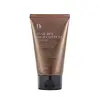
Snail Secretion Filtrate, Water, Butylene Glycol, Glycerin, Cetyl Ethylhexanoate, Niacinamide, Pentylene Glycol, 1,2-Hexanediol, Behenyl Alcohol, Cetearyl Olivate, Palmitic Acid, Stearic Acid, Urea, Simmondsia Chinensis Seed Oil, Helianthus Annuus Seed Oil, Carthamus Tinctorius Seed Oil, Argania Spinosa Kernel Oil, Sorbitan Olivate, Glyceryl Stearate, Aloe Barbadensis Leaf Juice, Althaea Rosea Root Extract, Aloe Barbadensis Leaf Extract, Beta-Glucan, Copper Tripeptide-1, Hexapeptide-11, Hexapeptide-9, Palmitoyl Pentapeptide-4, Palmitoyl Tripeptide-1, Tripeptide-1, Xanthan Gum, Tocopherol, Panthenol, Sodium Hyaluronate, Polyglyceryl-10 Laurate, Salix Alba Bark Extract, Plantago Asiatica Extract, Laminaria Digitata Extract, Diospyros Kaki Leaf Extract, Ulmus Campestris Bark Extract, Allantoin, Adenosine, Ethylhexylglycerin, Citric Acid, Caprylyl Glycol, Bee Venom
Water
Skin ConditioningPropanediol
Solvent
Propylheptyl Caprylate
EmollientAmmonium Acryloyldimethyltaurate/Vp Copolymer
Potassium Cetyl Phosphate
EmulsifyingC13-15 Alkane
SolventCoco-Caprylate
Emollient
Aloe Barbadensis Leaf Juice Powder
Skin Conditioning
Algin
Masking
Alpha-Glucan Oligosaccharide
CleansingAscorbic Acid
Antioxidant
Bisabolol
Masking
Caprylyl Glycol
Emollient
Chamomilla Recutita Flower Extract
Masking
Disodium Phosphate
BufferingGlycerin
Humectant
Glyceryl Polyacrylate
Helianthus Annuus Seed Oil
Emollient
Hydrolyzed Sodium Hyaluronate
Skin Conditioning
Lactic Acid
Buffering
Lactobacillus
Skin ConditioningLauroyl Lysine
Skin ConditioningLonicera Caprifolium Flower Extract
Perfuming
Lonicera Japonica Flower Extract
Skin ConditioningMaltodextrin
Absorbent
Menthyl Lactate
MaskingPanthenol
Skin Conditioning
Parfum
Masking
Pentylene Glycol
Skin ConditioningPolyglyceryl-3 Diisostearate
Emulsifying
Polymnia Sonchifolia Root Juice
Skin ConditioningPotassium Phosphate
BufferingPullulan
Salicylic Acid
Masking


Salvia Hispanica Seed Oil
Moisturising
Serine
Masking
Sodium Carboxymethyl Beta-Glucan
CleansingSodium Hyaluronate
Humectant
Tetrasodium Glutamate Diacetate
Tocopheryl Acetate
Antioxidant
Trehalose
Humectant
Urea
Buffering
Xanthan Gum
EmulsifyingYogurt Powder
Zingiber Officinale Root Extract
Masking
Benzyl Alcohol
Perfuming


Phenoxyethanol
Preservative
Sorbic Acid
Preservative
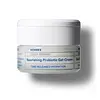
Water, Propanediol, Propylheptyl Caprylate, Ammonium Acryloyldimethyltaurate/Vp Copolymer, Potassium Cetyl Phosphate, C13-15 Alkane, Coco-Caprylate, Aloe Barbadensis Leaf Juice Powder, Algin, Alpha-Glucan Oligosaccharide, Ascorbic Acid, Bisabolol, Caprylyl Glycol, Chamomilla Recutita Flower Extract, Disodium Phosphate, Glycerin, Glyceryl Polyacrylate, Helianthus Annuus Seed Oil, Hydrolyzed Sodium Hyaluronate, Lactic Acid, Lactobacillus, Lauroyl Lysine, Lonicera Caprifolium Flower Extract, Lonicera Japonica Flower Extract, Maltodextrin, Menthyl Lactate, Panthenol, Parfum, Pentylene Glycol, Polyglyceryl-3 Diisostearate, Polymnia Sonchifolia Root Juice, Potassium Phosphate, Pullulan, Salicylic Acid, Salvia Hispanica Seed Oil, Serine, Sodium Carboxymethyl Beta-Glucan, Sodium Hyaluronate, Tetrasodium Glutamate Diacetate, Tocopheryl Acetate, Trehalose, Urea, Xanthan Gum, Yogurt Powder, Zingiber Officinale Root Extract, Benzyl Alcohol, Phenoxyethanol, Sorbic Acid
Reviews
Ingredients Explained
These ingredients are found in both products.
Ingredients higher up in an ingredient list are typically present in a larger amount.
Caprylyl Glycol is a humectant and emollient, meaning it attracts and preserves moisture.
It is a common ingredient in many products, especially those designed to hydrate skin. The primary benefits are retaining moisture, skin softening, and promoting a healthy skin barrier.
Though Caprylyl Glycol is an alcohol derived from fatty acids, it is not the kind that can dry out skin.
This ingredient is also used as a preservative to extend the life of products. It has slight antimicrobial properties.
Learn more about Caprylyl GlycolGlycerin is already naturally found in your skin. It helps moisturize and protect your skin.
A study from 2016 found glycerin to be more effective as a humectant than AHAs and hyaluronic acid.
As a humectant, it helps the skin stay hydrated by pulling moisture to your skin. The low molecular weight of glycerin allows it to pull moisture into the deeper layers of your skin.
Hydrated skin improves your skin barrier; Your skin barrier helps protect against irritants and bacteria.
Glycerin has also been found to have antimicrobial and antiviral properties. Due to these properties, glycerin is often used in wound and burn treatments.
In cosmetics, glycerin is usually derived from plants such as soybean or palm. However, it can also be sourced from animals, such as tallow or animal fat.
This ingredient is organic, colorless, odorless, and non-toxic.
Glycerin is the name for this ingredient in American English. British English uses Glycerol/Glycerine.
Learn more about GlycerinHelianthus Annuus Seed Oil is the oil derived from the seeds of a Sunflower. Sunflower seed oil is non-fragrant. It is an emollient, meaning it helps to soften the skin.
Sunflower seed oil contains many fatty acids. The fatty acids found in sunflower seeds include (from highest amount to least): linoleic acid, myristic acid, palmitic acid, stearic acid, arachidic acid, oleic acid, and linolenic acid.
These fatty acids help the skin create ceramides. Ceramides play a role in repairing the skin barrier.
Helianthus Annuus Seed Oil helps moisturize the skin. This in turn helps the skin look more rejuvenated and smoother.
Sunflowers are rich in vitamin E.
Historians believe Indigenous cultures of North America domesticated sunflowers before corn. Thus they relied on sunflower oil for a variety of uses. One such use is moisturizing skin and hair.
Sunflower seed oil may not be fungal acne safe. We recommend speaking with a professional if you have any concerns.
Learn more about Helianthus Annuus Seed OilPanthenol is a common ingredient that helps hydrate and soothe the skin. It is found naturally in our skin and hair.
There are two forms of panthenol: D and L.
D-panthenol is also known as dexpanthenol. Most cosmetics use dexpanthenol or a mixture of D and L-panthenol.
Panthenol is famous due to its ability to go deeper into the skin's layers. Using this ingredient has numerous pros (and no cons):
Like hyaluronic acid, panthenol is a humectant. Humectants are able to bind and hold large amounts of water to keep skin hydrated.
This ingredient works well for wound healing. It works by increasing tissue in the wound and helps close open wounds.
Once oxidized, panthenol converts to pantothenic acid. Panthothenic acid is found in all living cells.
This ingredient is also referred to as pro-vitamin B5.
Learn more about PanthenolPentylene glycol is typically used within a product to thicken it. It also adds a smooth, soft, and moisturizing feel to the product. It is naturally found in plants such as sugar beets.
The hydrophilic trait of Pentylene Glycol makes it a humectant. As a humectant, Pentylene Glycol helps draw moisture from the air to your skin. This can help keep your skin hydrated.
This property also makes Pentylene Glycol a great texture enhancer. It can also help thicken or stabilize a product.
Pentylene Glycol also acts as a mild preservative and helps to keep a product microbe-free.
Some people may experience mild eye and skin irritation from Pentylene Glycol. We always recommend speaking with a professional about using this ingredient in your routine.
Pentylene Glycol has a low molecular weight and is part of the 1,2-glycol family.
Learn more about Pentylene GlycolSodium Hyaluronate is hyaluronic acid's salt form. It is commonly derived from the sodium salt of hyaluronic acid.
Like hyaluronic acid, it is great at holding water and acts as a humectant. This makes it a great skin hydrating ingredient.
Sodium Hyaluronate is naturally occurring in our bodies and is mostly found in eye fluid and joints.
These are some other common types of Hyaluronic Acid:
Learn more about Sodium HyaluronateUrea is also called carbamide and is the diamide of carbonic acid. In cosmetics, urea is used to hydrate the skin. It also provides exfoliation in higher concentrations.
As a humectant, urea helps draw moisture from the air and from deep within the skin. This helps hydrate your skin. Studies show urea is an effective moisturizer for dry skin conditions. 40% urea is typical in medications for treating eczema and other skin conditions.
Urea has the strongest exfoliation effect in concentrations higher than 10%. It is a keratolytic agent, meaning it breaks down the keratin protein in the top layer of skin. This helps remove dead skin cells and flaking skin.
In medicine, urea has been shown to help increase the potency of other ingredients, such as fungal treatments.
Humans and animals use urea to metabolize nitrogen-containing compounds. Urea is highly soluble in water. Once dissolved, it is neither acidic nor alkaline.
Learn more about UreaWater. It's the most common cosmetic ingredient of all. You'll usually see it at the top of ingredient lists, meaning that it makes up the largest part of the product.
So why is it so popular? Water most often acts as a solvent - this means that it helps dissolve other ingredients into the formulation.
You'll also recognize water as that liquid we all need to stay alive. If you see this, drink a glass of water. Stay hydrated!
Learn more about WaterXanthan gum is used as a stabilizer and thickener within cosmetic products. It helps give products a sticky, thick feeling - preventing them from being too runny.
On the technical side of things, xanthan gum is a polysaccharide - a combination consisting of multiple sugar molecules bonded together.
Xanthan gum is a pretty common and great ingredient. It is a natural, non-toxic, non-irritating ingredient that is also commonly used in food products.
Learn more about Xanthan Gum
