
What's inside
What's inside
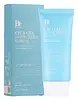 Key Ingredients
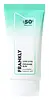
Benefits
Concerns
Ingredients Side-by-side
Water
Skin ConditioningPropanediol
Solvent

Dibutyl Adipate
EmollientDiethylamino Hydroxybenzoyl Hexyl Benzoate
UV Filter
Silica
Abrasive


Ethylhexyl Triazone
UV Absorber
Methylene Bis-Benzotriazolyl Tetramethylbutylphenol
UV Filter
Caprylyl Methicone
Skin Conditioning
Diethylhexyl Butamido Triazone
UV Absorber
Coco-Caprylate/Caprate
Emollient
1,2-Hexanediol
Skin Conditioning
Polyglyceryl-3 Methylglucose Distearate
Emulsifying
Saccharide Isomerate
Humectant
Pentylene Glycol
Skin Conditioning
Panthenol
Skin Conditioning

Caprylic/Capric Triglyceride
Masking
Decyl Glucoside
Cleansing
Behenyl Alcohol
Emollient
Acrylates/C10-30 Alkyl Acrylate Crosspolymer
Emulsion StabilisingBetaine
Humectant
Sodium Acrylate/Sodium Acryloyldimethyl Taurate Copolymer
Emulsion StabilisingPolyisobutene
Hydrogenated Poly(C6-20 Olefin)
Abrasive
Glycerin
Humectant
Dipotassium Glycyrrhizate
Humectant
Poly C10-30 Alkyl Acrylate
Emulsion StabilisingButylene Glycol
Humectant
Hdi/Trimethylol Hexyllactone Crosspolymer
Sodium Hyaluronate
Humectant

Sodium Hyaluronate Crosspolymer
Humectant
Hyaluronic Acid
Humectant
Vincetoxicum Atratum Extract
Skin ConditioningBiosaccharide Gum-1
Humectant
Caprylyl/Capryl Glucoside
CleansingGlycine Soja Seed Extract
Skin Conditioning
Sorbitan Oleate
Emulsifying
Centella Asiatica Extract
Cleansing
Tocopherol
Antioxidant


Althaea Rosea Flower Extract
Skin ConditioningAllantoin
Skin Conditioning
Ectoin
Skin Conditioning
Candida Bombicola/Glucose/Methyl Rapeseedate Ferment
AntimicrobialAsiaticoside
Antioxidant
Madecassic Acid
Skin Conditioning
Vitis Vinifera Seed Oil
Emollient
Asiatic Acid
Skin Conditioning
Centella Asiatica Leaf Extract
Skin Conditioning
Fructan
Skin ConditioningCeramide NP
Skin Conditioning
Hydrogenated Lecithin
Emulsifying
Hydroxyacetophenone
Antioxidant
Tromethamine
BufferingSodium Phytate
Xanthan Gum
EmulsifyingAcetyl Glucosamine
Skin Conditioning
Citric Acid
Buffering

Sodium Citrate
BufferingOctanediol
Ethylhexylglycerin
Skin ConditioningCaprylyl Glycol
Emollient
Helianthus Annuus Seed Oil
Emollient
Water, Propanediol, Dibutyl Adipate, Diethylamino Hydroxybenzoyl Hexyl Benzoate, Silica, Ethylhexyl Triazone, Methylene Bis-Benzotriazolyl Tetramethylbutylphenol, Caprylyl Methicone, Diethylhexyl Butamido Triazone, Coco-Caprylate/Caprate, 1,2-Hexanediol, Polyglyceryl-3 Methylglucose Distearate, Saccharide Isomerate, Pentylene Glycol, Panthenol, Caprylic/Capric Triglyceride, Decyl Glucoside, Behenyl Alcohol, Acrylates/C10-30 Alkyl Acrylate Crosspolymer, Betaine, Sodium Acrylate/Sodium Acryloyldimethyl Taurate Copolymer, Polyisobutene, Hydrogenated Poly(C6-20 Olefin), Glycerin, Dipotassium Glycyrrhizate, Poly C10-30 Alkyl Acrylate, Butylene Glycol, Hdi/Trimethylol Hexyllactone Crosspolymer, Sodium Hyaluronate, Sodium Hyaluronate Crosspolymer, Hyaluronic Acid, Vincetoxicum Atratum Extract, Biosaccharide Gum-1, Caprylyl/Capryl Glucoside, Glycine Soja Seed Extract, Sorbitan Oleate, Centella Asiatica Extract, Tocopherol, Althaea Rosea Flower Extract, Allantoin, Ectoin, Candida Bombicola/Glucose/Methyl Rapeseedate Ferment, Asiaticoside, Madecassic Acid, Vitis Vinifera Seed Oil, Asiatic Acid, Centella Asiatica Leaf Extract, Fructan, Ceramide NP, Hydrogenated Lecithin, Hydroxyacetophenone, Tromethamine, Sodium Phytate, Xanthan Gum, Acetyl Glucosamine, Citric Acid, Sodium Citrate, Octanediol, Ethylhexylglycerin, Caprylyl Glycol, Helianthus Annuus Seed Oil
Water
Skin ConditioningDibutyl Adipate
EmollientPropanediol
Solvent
Butyloctyl Salicylate
Skin Conditioning
Ethylhexyl Triazone
UV Absorber
Terephthalylidene Dicamphor Sulfonic Acid
UV Absorber
Niacinamide
Smoothing

Tromethamine
BufferingPolyglyceryl-3 Distearate
Emulsifying
Pentylene Glycol
Skin Conditioning
1,2-Hexanediol
Skin Conditioning
Cetearyl Alcohol
Emollient
Polysilicone-15
UV Filter
Diethylamino Hydroxybenzoyl Hexyl Benzoate
UV Filter
Caprylyl Methicone
Skin Conditioning
Centella Asiatica Extract
Cleansing
Sodium Hyaluronate
Humectant
Hydrolyzed Hyaluronic Acid
Humectant
Polymethylsilsesquioxane
Propylene Glycol Dicaprylate/Dicaprate
EmollientDimethicone/Vinyl Dimethicone Crosspolymer
Skin Conditioning
Glyceryl Stearate
Emollient
Potassium Cetyl Phosphate
EmulsifyingBis-Ethylhexyloxyphenol Methoxyphenyl Triazine
Skin Conditioning
Methylpropanediol
SolventCarbomer
Emulsion StabilisingAcrylates/C10-30 Alkyl Acrylate Crosspolymer
Emulsion StabilisingGlyceryl Stearate Citrate
Emollient
Ethylhexylglycerin
Skin ConditioningAmmonium Acryloyldimethyltaurate/Vp Copolymer
Adenosine
Skin Conditioning
Silica
Abrasive
Butylene Glycol
Humectant
Polyether-1
Biosaccharide Gum-1
Humectant
Madecassoside
Antioxidant
Tocopherol
Antioxidant
Asiaticoside
Antioxidant
Madecassic Acid
Skin Conditioning
Asiatic Acid
Skin Conditioning
Sodium Acetylated Hyaluronate
Humectant
Water, Dibutyl Adipate, Propanediol, Butyloctyl Salicylate, Ethylhexyl Triazone, Terephthalylidene Dicamphor Sulfonic Acid, Niacinamide, Tromethamine, Polyglyceryl-3 Distearate, Pentylene Glycol, 1,2-Hexanediol, Cetearyl Alcohol, Polysilicone-15, Diethylamino Hydroxybenzoyl Hexyl Benzoate, Caprylyl Methicone, Centella Asiatica Extract, Sodium Hyaluronate, Hydrolyzed Hyaluronic Acid, Polymethylsilsesquioxane, Propylene Glycol Dicaprylate/Dicaprate, Dimethicone/Vinyl Dimethicone Crosspolymer, Glyceryl Stearate, Potassium Cetyl Phosphate, Bis-Ethylhexyloxyphenol Methoxyphenyl Triazine, Methylpropanediol, Carbomer, Acrylates/C10-30 Alkyl Acrylate Crosspolymer, Glyceryl Stearate Citrate, Ethylhexylglycerin, Ammonium Acryloyldimethyltaurate/Vp Copolymer, Adenosine, Silica, Butylene Glycol, Polyether-1, Biosaccharide Gum-1, Madecassoside, Tocopherol, Asiaticoside, Madecassic Acid, Asiatic Acid, Sodium Acetylated Hyaluronate
Reviews
Ingredients Explained
These ingredients are found in both products.
Ingredients higher up in an ingredient list are typically present in a larger amount.
1,2-Hexanediol is a synthetic liquid and another multi-functional powerhouse.
It is a:
- Humectant, drawing moisture into the skin
- Emollient, helping to soften skin
- Solvent, dispersing and stabilizing formulas
- Preservative booster, enhancing the antimicrobial activity of other preservatives
Acrylates/C10-30 Alkyl Acrylate Crosspolymer is a synthetic polymer. It is used to thicken, emulsify, and improve the texture of products.
As an emulsifier, it helps stabilize oil-in-water emulsions to give products an elegant feel when applied.
It can also form a thin protective film on skin. One study found that a formula using this polymer helped slow down how quickly other ingredients (like DEET) were absorbed through skin.
A 2024 study of over 1,300 patients confirmed that sensitization to this ingredient is rare. It is also non-mutagenic and has a clean track record.
Learn more about Acrylates/C10-30 Alkyl Acrylate CrosspolymerAsiatic Acid is a major component of Centella Asiatica Extract. It has wound-healing, anti-inflammatory, and antioxidant properties.
Studies show Asiatic Acid is able to block the pathway for skin inflammation receptors, helping to soothe skin.
As an antioxidant, asiatic acid helps protect our skin against damaging environmental factors.
Learn more about Asiatic AcidAsiaticoside comes from the super popular skin-soothing ingredient, Centella asiatica. It's the reason centella-based products have a strong reputation for repairing and calming skin, along with its sibling compound Madecassoside.
Research from 2016-2025 supports its role in:
You'll usually find this in concentrations between 0.2-5%.
Learn more about AsiaticosideBiosaccharide Gum-1 is a sugar created by fermenting sorbitol (which usually comes from potato starch!). It is known for its soothing and moisturizing properties.
Manufacturer tests show this ingredient helped reduce irritation from lactic acid by almost half and kept skin hydrated long-term as a humectant
Beyond hydration, Biosaccharide Gum-1 gives formulas a silky, non-sticky feel.
This ingredient is gentle, versatile, and suitable for all skin types.
Fun fact: Similar sugars can be found naturally in fruits like apples and pears.
Learn more about Biosaccharide Gum-1Butylene Glycol (or BG) is used within cosmetic products for a few different reasons:
Overall, Butylene Glycol is a safe and well-rounded ingredient that works well with other ingredients.
Though this ingredient works well with most skin types, some people with sensitive skin may experience a reaction such as allergic rashes, closed comedones, or itchiness.
Learn more about Butylene GlycolCaprylyl Methicone is a synthetic and lightweight silicone fluid. It gives products a silky, dry-touch finish without the heaviness of pure oils.
Though the EU CosIng Database lists this ingredient as a skin conditioner, it is also used for sensory reasons. It spreads easily, cuts greasiness, and reduces tackiness.
This ingredient is volatile which means it will mostly evaporate (but it evaporates slower than older cyclomethicones, like Cyclotetrasiloxane).
Typical concentration ranges from 1-30% depending on if it's being used to tweak the feel of a product or acting as the main emollient.
Learn more about Caprylyl MethiconeCentella Asiatica Extract (Centella) is derived from an herb native to Southeast Asia. It is famous for its anti-inflammatory and soothing properties.
Centella is rich in antioxidants and amino acids, such as Madecassic Acid and Asiaticoside.
Studies show the compounds in centella help with:
The combination of all these properties makes centella effective at soothing, hydrating, and protecting the skin.
Other great components of centella include Vitamin A, vitamin C, several B vitamins, and Asiatic Acid.
Fun fact: Centella has been used as a medicine and in food for many centuries. As a medicine, it is used to treat burns, scratches, and wounds.
Learn more about Centella Asiatica ExtractDibutyl Adipate is a lightweight, oil-soluble ester that acts as an emollient and solvent. It helps products spread more easily and leaves a soft, silky, dry-touch finish without being greasy.
You'll likely see this ingredient in sunscreens because it does a nice job dissolving UV filters and keeping them evenly distributed.
This ingredient has been found to be safe as used in cosmetics, wasn't a skin or eye irritant in clinical patch testing, and wasn't phototoxic.
In a clinical comedogenicity test, this ingredient tested negative so it isn't likely to clog pores.
Typical use levels are about 5-8% for sunscreens + nail products, but can range from 0.005%-8% depending on the product.
Learn more about Dibutyl AdipateDiethylamino Hydroxybenzoyl Hexyl Benzoate (DHHB) is a chemical UV-A absorber. It is formulated for high UVA protection (320-400 nm).
DHHB is well-liked for:
DHHB has been approved by the EU, Japan, Taiwan, and South America for use up to 10%. Unfortunately, it has not been approved for use in the US or Canada due to slow regulatory processes.
This ingredient is soluble in oils, fats, and lipids.
Learn more about Diethylamino Hydroxybenzoyl Hexyl BenzoateEthylhexyl Triazone (aka Octyl Triazone) is an oil-soluble organic UVB filter. It has peak absorption around 314 nm, right in the middle of the UVB range.
This ingredient is described as one of the most effective UVB filters available and small concentrations are enough to deliver a high SPF thanks to its strong UV absorbing power.
Formulators love it for its stability; its ability to filter UV stays practically unchanged even under intense radiation and it can also help boost the photostability of less stable filters like avobenzone.
It's also a great pick for water resistant products because it's insoluble in water and has a good affinity for keratin.
Because it's a big, heavy molecule, the European Scientific Committee has found to to have very low dermal penetration and negative results for allergenicity.
In vitro testing also showed a low absorption rate and clean results on irritation.
Typical use levels are 1-5% with 5% being the maximum in the EU, Japan, and other markets that allow it. However, this ingredient is not approved yet in the US or Canada.
Learn more about Ethylhexyl TriazoneEthylhexylglycerin is created from glycerin. It is a multitasker ingredient that:
The CIR Expert Panel found minimal skin absorption or sensitization of any kind in a safety assessment. Though this ingredient is considered well-tolerated, a small number of cases of allergic dermatitis have been published since 2002. Just be sure to patch test if you are unsure.
Industry-reported use ranges from 8% in rinse-off products and 2% in leave-on formulations.
Learn more about EthylhexylglycerinMadecassic Acid is a major component of Centella Asiatica Extract. It has anti-inflammatory and antioxidant properties.
It is a triterpenoid, meaning it naturally acts as an antioxidant. Antioxidants protect your skin against damage from environmental factors such as pollution and UV.
Studies show Madecassic Acid helps soothe the skin due to its ability to block inflammation pathways.
Learn more about Madecassic AcidPentylene glycol is typically used within a product to thicken it. It also adds a smooth, soft, and moisturizing feel to the product. It is naturally found in plants such as sugar beets.
The hydrophilic trait of Pentylene Glycol makes it a humectant. As a humectant, Pentylene Glycol helps draw moisture from the air to your skin. This can help keep your skin hydrated.
This property also makes Pentylene Glycol a great texture enhancer. It can also help thicken or stabilize a product.
Pentylene Glycol also acts as a mild preservative and helps to keep a product microbe-free.
Some people may experience mild eye and skin irritation from Pentylene Glycol. We always recommend speaking with a professional about using this ingredient in your routine.
Pentylene Glycol has a low molecular weight and is part of the 1,2-glycol family.
Learn more about Pentylene GlycolPropanediol is an all-star ingredient. It softens, hydrates, and smooths the skin.
It’s often used to:
Propanediol is not likely to cause sensitivity and considered safe to use. It is derived from corn or petroleum with a clear color and no scent.
Learn more about PropanediolSilica, also known as silicon dioxide, is a naturally occurring mineral. It is used as a fine, spherical, and porous powder in cosmetics.
Though it has exfoliant properties, the function of silica varies depending on the product.
The unique structure of silica enhances the spreadability and adds smoothness, making it a great texture enhancer.
It is also used as an active carrier, emulsifier, and mattifier due to its ability to absorb excess oil.
In some products, tiny microneedles called spicules are made from silica or hydrolyzed sponge. When you rub them in, they lightly polish away dead skin layers and enhance the penetration of active ingredients.
Learn more about SilicaSodium Hyaluronate is the salt form of hyaluronic acid. It is a long sugar chain that is naturally found in your skin, joints, and connective tissue that maintains hydration and elasticity.
In skincare, it works as a humectant. It pulls water from the environment and deeper layers of skin and binds it to the surface.
Interestingly, the size of the molecule affects its behavior:
Some clinical evidence links low molecular weight versions to improved wrinkle depth, elasticity, anti-inflammatory effects, and barrier repair.
Many serums use a blend of both weights so you can get surface hydration plus longer-lasting and deeper effects.
You'll typically see concentrations between 0.1-2% for this ingredient.
Learn more about Sodium HyaluronateTocopherol is a fat-soluble antioxidant known as Vitamin E.
You'll find this ingredient in the vast majority of skincare (for good reason). It works to neutralize free radicals, or unstable molecules generated by UV exposure, pollution, and other environmental stressors, before they can cause oxidative damage to your skin cells.
Topically applied tocopherol has been shown to protect against UV damage by ramping up the skin's own natural defense enzymes.
It also acts as a skin conditioning agent; some studies show that regular topical use can improve the skin's water-binding capacity over 2-4 weeks.
This ingredient is especially loved for being a team player. When combined with Vitamin C, the photoprotective effect of both ingredients roughly doubles and the combo also helps reduce UV-induced DNA damage.
This ingredient has some brightening potential but it's more of a prevention ingredient than spot-fader. Cell studies show it can slow down melanin production but it's worth noting that it's not the most powerful brightener out there.
In formulations, it also serves as a stabilizer that helps protect other oxidation-prone ingredients from degrading.
Concentrations usually range from 0.1-1% in most leave-on products.
Learn more about TocopherolTromethamine helps balance the pH and improve the texture of a product. It is synthetically created.
As an emulsifier, Tromethamine prevents oil and water ingredients from separating. This helps stabilize the product and elongate a product's shelf life. Tromethamine also makes a product thicker.
Tromethamine helps balance the pH level of a product. Normal pH level of skin is slightly acidic (~4.75-5.5). The acidity of our skin is maintained by our glands and skin biome. Being slightly acidic allows our skin to create an "acid mantle". This acid mantle is a thin barrier that protects our skin from bacteria and contaminants.
Oral Tromethanmine is an anti-inflammatory drug but plays the role of masking, adding fragrance, and/or balancing pH in skincare.
1,3-Propanediol, 2-amino-2-(hydroxymethyl)-
Learn more about TromethamineWater. It's the most common cosmetic ingredient of all. You'll usually see it at the top of ingredient lists, meaning that it makes up the largest part of the product.
So why is it so popular? Water most often acts as a solvent - this means that it helps dissolve other ingredients into the formulation.
You'll also recognize water as that liquid we all need to stay alive. If you see this, drink a glass of water. Remember to stay hydrated!
Learn more about Water
