Beekman 1802 Travel Size Milk Shake Hyaluronic Acid & Squalane Facial Toner Mist Versus Sungboon Editor Deep Collagen Barrier Serum Mist
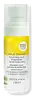
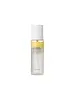
This hydrating toner is formulated around Simmondsia Chinensis Seed Oil and Bifida Ferment Lysate to hydrate skin and strengthen the skin barrier.
This barrier-repair serum is formulated around Niacinamide and Ceramide NP to strengthen the skin barrier and hydrate skin.


What's inside
What's inside
 Key Ingredients
Benefits
Concerns
Ingredients Side-by-side
Water
Skin ConditioningEthylhexyl Palmitate
Emollient




Caprylic/Capric Triglyceride
Masking


Coco-Caprylate/Caprate
Emollient
1,2-Hexanediol
Skin Conditioning
Simmondsia Chinensis Seed Oil
Emollient

Caprae Lac
Skin ConditioningColostrum
Skin Conditioning
Bifida Ferment Lysate
Skin Conditioning

Lactose
HumectantMilk Protein
Skin ConditioningArtemisia Capillaris Extract
Hyaluronic Acid
Humectant

Squalane
Emollient
Aloe Barbadensis Leaf Water
MaskingEryngium Alpinum Flower Extract
Skin ConditioningChamomilla Recutita Flower Extract
Masking
Honey Extract
Humectant
Hippophae Rhamnoides Oil
Emollient
Symphytum Officinale Leaf Extract
Skin ConditioningHydrolyzed Jojoba Esters
Skin Conditioning
Glycerin
Humectant
Sodium Chloride
MaskingHydroxyacetophenone
Antioxidant
Pentaerythrityl Tetra-Di-T-Butyl Hydroxyhydrocinnamate
Antioxidant
Hydrocinnamyl Cinnamate
Perfuming

Ethylhexylglycerin
Skin ConditioningPropanediol
Solvent
Tocopherol
Antioxidant


Whey Protein
Skin ConditioningC10-18 Triglycerides
Emollient
Lecithin
Emollient
Water, Ethylhexyl Palmitate, Caprylic/Capric Triglyceride, Coco-Caprylate/Caprate, 1,2-Hexanediol, Simmondsia Chinensis Seed Oil, Caprae Lac, Colostrum, Bifida Ferment Lysate, Lactose, Milk Protein, Artemisia Capillaris Extract, Hyaluronic Acid, Squalane, Aloe Barbadensis Leaf Water, Eryngium Alpinum Flower Extract, Chamomilla Recutita Flower Extract, Honey Extract, Hippophae Rhamnoides Oil, Symphytum Officinale Leaf Extract, Hydrolyzed Jojoba Esters, Glycerin, Sodium Chloride, Hydroxyacetophenone, Pentaerythrityl Tetra-Di-T-Butyl Hydroxyhydrocinnamate, Hydrocinnamyl Cinnamate, Ethylhexylglycerin, Propanediol, Tocopherol, Whey Protein, C10-18 Triglycerides, Lecithin
Water
Skin ConditioningGlycerin
Humectant
Butylene Glycol
Humectant
Caprylic/Capric Triglyceride
Masking
1,2-Hexanediol
Skin Conditioning
Hydrogenated Polydecene
EmollientNiacinamide
Smoothing




Cetearyl Alcohol
Emollient
Butyrospermum Parkii Butter
Skin Conditioning
Hydrogenated Polyisobutene
EmollientMacadamia Ternifolia Seed Oil
Emollient
Vinyldimethicone

Propanediol
Solvent
Cetearyl Olivate
Polyglyceryl-2 Stearate
Emulsifying
Cetyl Ethylhexanoate
EmollientSorbitan Olivate
Emulsifying
Glyceryl Stearate
Emollient
Stearyl Alcohol
Emollient
Carbomer
Emulsion StabilisingTromethamine
BufferingHydroxyethyl Acrylate/Sodium Acryloyldimethyl Taurate Copolymer
Emulsion StabilisingEthylhexylglycerin
Skin ConditioningAdenosine
Skin Conditioning
Ceramide NP
Skin Conditioning
Hydrogenated Lecithin
Emulsifying
Disodium EDTA
ChelatingSorbitan Isostearate
Emulsifying
Hyaluronic Acid
Humectant
Hydrolyzed Hyaluronic Acid
Humectant
Sodium Hyaluronate
Humectant
Houttuynia Cordata Extract
Skin Conditioning
Sea Water
HumectantBellis Perennis Flower Extract
Skin ConditioningCamellia Sinensis Leaf Extract
Antimicrobial
Saccharide Isomerate
Humectant
Nelumbo Nucifera Flower Extract
Skin ConditioningPrunus Serrulata Flower Extract
Skin ConditioningCaprylyl Glycol
Emollient
Xylitylglucoside
Humectant
Citrus Aurantium Bergamia Fruit Oil
Masking

Anhydroxylitol
Humectant
Asparagus Lucidus Root Extract
HumectantTussilago Farfara Flower Extract
AstringentLaminaria Japonica Extract
Skin Protecting
Dipropylene Glycol
HumectantHydrolyzed Keratin
Humectant
Illicium Verum Fruit Extract
Perfuming
Xylitol
Humectant
Lepidium Meyenii Root Extract
Skin ConditioningVaccinium Macrocarpon Fruit Extract
AstringentCalendula Officinalis Extract
Skin Conditioning
Fructan
Skin ConditioningMadecassic Acid
Skin Conditioning
Asiaticoside
Antioxidant
Glucose
Humectant
Anastatica Hierochuntica Extract
AstringentAsiatic Acid
Skin Conditioning
Centella Asiatica Extract
Cleansing
Camellia Japonica Flower Extract
EmollientHydrolyzed Collagen
Emollient
Bifida Ferment Lysate
Skin Conditioning
Citric Acid
Buffering
Lactobacillus Ferment Lysate
Skin Conditioning
Lactococcus Ferment Lysate
Skin Conditioning
Sodium Citrate
BufferingBeta-Glucan
Skin Conditioning
Oenothera Biennis Flower Extract
AstringentPueraria Lobata Root Extract
HumectantPinus Palustris Leaf Extract
TonicUlmus Davidiana Root Extract
Skin Conditioning
Glycine
Buffering
Serine
Masking
Glutamic Acid
Humectant
Aspartic Acid
Masking
Leucine
Skin ConditioningMadecassoside
Antioxidant
Alanine
Masking
Lysine
Skin ConditioningArginine
Masking
Tyrosine
MaskingPhenylalanine
Masking
Proline
Skin Conditioning
Threonine
Valine
MaskingIsoleucine
Skin ConditioningHistidine
Humectant
Cysteine
Antioxidant
Methionine
Skin ConditioningMelaleuca Alternifolia Leaf Extract
Perfuming
Water, Glycerin, Butylene Glycol, Caprylic/Capric Triglyceride, 1,2-Hexanediol, Hydrogenated Polydecene, Niacinamide, Cetearyl Alcohol, Butyrospermum Parkii Butter, Hydrogenated Polyisobutene, Macadamia Ternifolia Seed Oil, Vinyldimethicone, Propanediol, Cetearyl Olivate, Polyglyceryl-2 Stearate, Cetyl Ethylhexanoate, Sorbitan Olivate, Glyceryl Stearate, Stearyl Alcohol, Carbomer, Tromethamine, Hydroxyethyl Acrylate/Sodium Acryloyldimethyl Taurate Copolymer, Ethylhexylglycerin, Adenosine, Ceramide NP, Hydrogenated Lecithin, Disodium EDTA, Sorbitan Isostearate, Hyaluronic Acid, Hydrolyzed Hyaluronic Acid, Sodium Hyaluronate, Houttuynia Cordata Extract, Sea Water, Bellis Perennis Flower Extract, Camellia Sinensis Leaf Extract, Saccharide Isomerate, Nelumbo Nucifera Flower Extract, Prunus Serrulata Flower Extract, Caprylyl Glycol, Xylitylglucoside, Citrus Aurantium Bergamia Fruit Oil, Anhydroxylitol, Asparagus Lucidus Root Extract, Tussilago Farfara Flower Extract, Laminaria Japonica Extract, Dipropylene Glycol, Hydrolyzed Keratin, Illicium Verum Fruit Extract, Xylitol, Lepidium Meyenii Root Extract, Vaccinium Macrocarpon Fruit Extract, Calendula Officinalis Extract, Fructan, Madecassic Acid, Asiaticoside, Glucose, Anastatica Hierochuntica Extract, Asiatic Acid, Centella Asiatica Extract, Camellia Japonica Flower Extract, Hydrolyzed Collagen, Bifida Ferment Lysate, Citric Acid, Lactobacillus Ferment Lysate, Lactococcus Ferment Lysate, Sodium Citrate, Beta-Glucan, Oenothera Biennis Flower Extract, Pueraria Lobata Root Extract, Pinus Palustris Leaf Extract, Ulmus Davidiana Root Extract, Glycine, Serine, Glutamic Acid, Aspartic Acid, Leucine, Madecassoside, Alanine, Lysine, Arginine, Tyrosine, Phenylalanine, Proline, Threonine, Valine, Isoleucine, Histidine, Cysteine, Methionine, Melaleuca Alternifolia Leaf Extract
Ingredients Explained
These ingredients are found in both products.
Ingredients higher up in an ingredient list are typically present in a larger amount.
1,2-Hexanediol is a synthetic liquid and another multi-functional powerhouse.
It is a:
- Humectant, drawing moisture into the skin
- Emollient, helping to soften skin
- Solvent, dispersing and stabilizing formulas
- Preservative booster, enhancing the antimicrobial activity of other preservatives
Bifida Ferment Lysate is a postbiotic ingredient made by fermenting Bifidobacterium to extract a nutrient-rich mix of peptides, amino acids, vitamins, organic acids, and polysaccharides.
These components are basically the building blocks that your skin already uses to stay hydrated, repair itself, and maintain its barrier. That's why this ingredient helps your skin hold onto moisture and stay resilient against irritation.
One in-vitro study found that this ingredient tells your skin cells to produce more of the proteins (filaggrin, loricrin, and involucrin) for building a strong and healthy barrier. This study also found this ingredient to be a solid antioxidant that helped neutralize damage against UV and pollution.
A study with people from 2010 found that sensitive, reactive skin using a cream with 10% of this ingredient for a month became noticeably less dry, less reactive, and harder to irritate compared to the group using a plain cream.
In short, this ingredient is a well-tolerated ingredient that can help with barrier repair, antioxidant protection, and calming reactive skin.
This ingredient is generally considered fungal acne (Malassezia) safe; Bifidobacterium is a bacterium, not a yeast or fungus.
The fungal acne concern with fermented ingredients mainly applies to yeast-derived ferments like Saccharomyces and Galactomyces, because those are in the same kingdom as Malassezia and could theoretically contain residual compounds that feed it.
Bifida is a completely different organism, so on its own it doesn't provide a food source for the Malassezia yeast that causes fungal acne.
Learn more about Bifida Ferment LysateCaprylic/Capric Triglyceride (aka MCT Oil) is a lightweight emollient, solvent, and texture enhancer. It is considered a skin-softener by helping to prevent moisture loss.
Though it behaves like an oil, it is not technically one due to its chemical composition. One perk of this ingredient is that it is very stable, resistant to oxidation, and unlikely to go rancid.
In practice, that translates to a long shelf life and a consistently elegant skin feel.
While there is an assumption Caprylic Triglyceride can clog pores due to it being derived from coconut oil, there is no research supporting this. Just patch test if you have concerns.
Fractionated coconut oil and MCT Oil are both listed as Caprylic/Capric Triglyceride according to INCI. This is because INCI names are based on the ingredient’s final chemical composition and not its marketing name or source.
This ingredient is treated as the gold standard fungal acne safe oil. Even though it is coconut derived, the problematic lauric acid is stripped out.
This leaves just caprylic (C8) and capric (C10) acid. These chain lengths actually trend antifungal; a 2020 study found caprylic acid was enough to disrupt Malassezia furfur cell membrane, with a caprylic acid derivative damaging membrane structures at concentrations as low as 0.2%.
Learn more about Caprylic/Capric TriglycerideEthylhexylglycerin is created from glycerin. It is a multitasker ingredient that:
The CIR Expert Panel found minimal skin absorption or sensitization of any kind in a safety assessment. Though this ingredient is considered well-tolerated, a small number of cases of allergic dermatitis have been published since 2002. Just be sure to patch test if you are unsure.
Industry-reported use ranges from 8% in rinse-off products and 2% in leave-on formulations.
Learn more about EthylhexylglycerinGlycerin (or glycerol) is a compound naturally found in your skin. It's a powerhouse humectant that pulls water into the stratum corneum.
Topically, glycerin does several things at once:
Your skin makes glycerin on its own (mostly from sebaceous oil breakdown) and shuttles it to your outermost layer of skin, or your epidermis, via aquaporin-3.
Aquaporin-3 is a transporter that is essential for normal skin hydration, elasticity, and repair. Interestingly, mice lacking in AQP3 have dry and less elastic skin that can be fully corrected with glycerin.
This ingredient is non-irritating, plays well with almost every ingredient, and works across all skin types. Typical use is anywhere between 3-10% but can go up to 79% in some leave-on products.
Just know very high concentrations (>40%) can feel tacky in low humidity.
Glycerin is the name for this ingredient in American English. British English uses Glycerol/Glycerine.
Learn more about GlycerinHyaluronic acid (HA) is a glycosaminoglycan (basically a long sugar chain) that your skin already makes on its own. In your skin, HA lives in the extracellular matrix and acts as the body's moisture reservoir.
Topically, HA is a humectant that binds water and helps skin look more plump, smooth, and hydrated.
The only catch is that HA isn't a single thing; it actually comes in a wide range of molecular weights (~50 - 2,000+ kDA) and size matters.
Some clinical evidence links low molecular weight versions to improved wrinkle depth, elasticity, anti-inflammatory effects, and barrier repair.
This is why the best HA serums blend the two sizes together so you get the best of both worlds.
The majority of cosmetic HA is produced by bacterial fermentation, typically using Streptococcus or Bacillus strains. Typical use levels in skincare sit around 0.1-2%.
A clinical study using a 0.2% low-molecular weight HA gel showed improvement in facial seborrheic dermatitis with excellent tolerance.
These are some other common types of Hyaluronic Acid:
Learn more about Hyaluronic AcidPropanediol is an all-star ingredient. It softens, hydrates, and smooths the skin.
It’s often used to:
Propanediol is not likely to cause sensitivity and considered safe to use. It is derived from corn or petroleum with a clear color and no scent.
Learn more about PropanediolWater. It's the most common cosmetic ingredient of all. You'll usually see it at the top of ingredient lists, meaning that it makes up the largest part of the product.
So why is it so popular? Water most often acts as a solvent - this means that it helps dissolve other ingredients into the formulation.
You'll also recognize water as that liquid we all need to stay alive. If you see this, drink a glass of water. Remember to stay hydrated!
Learn more about Water

