Arbonne RE9 Advanced Lifting and Contouring Cream SPF 15 Sunscreen Versus L'Oreal Paris Wrinkle Expert 45+ Firming Day Cream
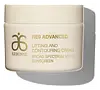
This mineral sunscreen covers the full UV range and blocks ~93% of UVB at SPF 15, below the SPF 30 recommended for daily use.
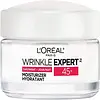
This anti-aging day moisturizer is formulated around Niacinamide and Acetyl Tetrapeptide-9 to soften the look of wrinkles.


What's inside
What's inside
 Key Ingredients
Benefits
Concerns
Ingredients Side-by-side
Zinc Oxide 4.45%
Cosmetic Colorant


Water
Skin ConditioningC12-15 Alkyl Benzoate
AntimicrobialGlycerin
Humectant


Simmondsia Chinensis Seed Oil
Emollient


Polyglyceryl-3 Methylglucose Distearate
Emulsifying
Cetyl Alcohol
Emollient

Caprylic/Capric Triglyceride
Masking
Cetyl Dimethicone
Emollient
Cetyl Palmitate
Emollient
Dimethicone
Emollient
Behenyl Alcohol
Emollient
Cetearyl Alcohol
Emollient


Glyceryl Stearate
Emollient
Squalane
Emollient
Butyrospermum Parkii Butter
Skin Conditioning
Isononyl Isononanoate
EmollientHydroxyethyl Acrylate/Sodium Acryloyldimethyl Taurate Copolymer
Emulsion StabilisingHydroxyethylcellulose
Emulsion StabilisingXanthan Gum
EmulsifyingCaprylyl Glycol
Emollient
Sodium Lauroyl Glutamate
SurfactantStearic Acid
Cleansing
Polysorbate 60
Emulsifying
Sorbitan Isostearate
Emulsifying
Olea Europaea Fruit Oil
Masking
Hippophae Rhamnoides Oil
Emollient
Aloe Barbadensis Leaf Juice
Skin Conditioning
Osmanthus Fragrans Flower Extract
MaskingPaeonia Albiflora Root Extract
Skin ConditioningChondrus Crispus Extract
Skin Conditioning
Laminaria Digitata Extract
Skin Protecting
Ganoderma Lucidum Stem Extract
Skin ConditioningSerenoa Serrulata Fruit Extract
Skin Conditioning
Anthemis Nobilis Flower Extract
Masking
Cucumis Sativus Fruit Extract
Emollient
Trifolium Pratense Flower Extract
AstringentUndaria Pinnatifida Extract
Skin ConditioningTetrahexyldecyl Ascorbate
Antioxidant




Panthenol
Skin Conditioning
Tocopheryl Acetate
Antioxidant
Pantolactone
Humectant
Acetyl Tetrapeptide-2
Skin Conditioning
Vinyl Dimethicone/Methicone Silsesquioxane Crosspolymer
Micrococcus Lysate
Skin ConditioningBiosaccharide Gum-1
Humectant
Disodium Acetyl Glucosamine Phosphate
Skin ConditioningEthylhexylglycerin
Skin ConditioningCitric Acid
Buffering
Caprylhydroxamic Acid
ChelatingPhytic Acid
Chelating
Sodium Citrate
BufferingAminomethyl Propanediol
BufferingPropanediol
Solvent
Triethoxycaprylylsilane
Chlorphenesin
Antimicrobial
Phenoxyethanol
Preservative
Glyoxal
Antimicrobial
Sodium Nitrate
SoothingZinc Oxide 4.45%, Water, C12-15 Alkyl Benzoate, Glycerin, Simmondsia Chinensis Seed Oil, Polyglyceryl-3 Methylglucose Distearate, Cetyl Alcohol, Caprylic/Capric Triglyceride, Cetyl Dimethicone, Cetyl Palmitate, Dimethicone, Behenyl Alcohol, Cetearyl Alcohol, Glyceryl Stearate, Squalane, Butyrospermum Parkii Butter, Isononyl Isononanoate, Hydroxyethyl Acrylate/Sodium Acryloyldimethyl Taurate Copolymer, Hydroxyethylcellulose, Xanthan Gum, Caprylyl Glycol, Sodium Lauroyl Glutamate, Stearic Acid, Polysorbate 60, Sorbitan Isostearate, Olea Europaea Fruit Oil, Hippophae Rhamnoides Oil, Aloe Barbadensis Leaf Juice, Osmanthus Fragrans Flower Extract, Paeonia Albiflora Root Extract, Chondrus Crispus Extract, Laminaria Digitata Extract, Ganoderma Lucidum Stem Extract, Serenoa Serrulata Fruit Extract, Anthemis Nobilis Flower Extract, Cucumis Sativus Fruit Extract, Trifolium Pratense Flower Extract, Undaria Pinnatifida Extract, Tetrahexyldecyl Ascorbate, Panthenol, Tocopheryl Acetate, Pantolactone, Acetyl Tetrapeptide-2, Vinyl Dimethicone/Methicone Silsesquioxane Crosspolymer, Micrococcus Lysate, Biosaccharide Gum-1, Disodium Acetyl Glucosamine Phosphate, Ethylhexylglycerin, Citric Acid, Caprylhydroxamic Acid, Phytic Acid, Sodium Citrate, Aminomethyl Propanediol, Propanediol, Triethoxycaprylylsilane, Chlorphenesin, Phenoxyethanol, Glyoxal, Sodium Nitrate
Water
Skin ConditioningGlycerin
Humectant
Ethylhexyl Salicylate
UV Absorber
Niacinamide
Smoothing


Propanediol
Solvent
Dimethicone
Emollient
Pentylene Glycol
Skin Conditioning
Octocrylene
UV Absorber
Butyl Methoxydibenzoylmethane
UV Absorber
C12-15 Alkyl Benzoate
AntimicrobialOctyldodecanol
Emollient
Phenylbenzimidazole Sulfonic Acid
UV Absorber
Isopropyl Isostearate
Emollient
Triethanolamine
BufferingBehenyl Alcohol
Emollient
Ammonium Polyacryloyldimethyl Taurate
Emulsion StabilisingHydrolyzed Soy Protein
Humectant
Acetyl Tetrapeptide-9
Skin Conditioning
Capryloyl Salicylic Acid
Exfoliating
Trisodium Ethylenediamine Disuccinate
ChelatingPanthenol
Skin Conditioning
Retinyl Palmitate
Skin Conditioning
Tocopheryl Acetate
Antioxidant
Camellia Oleifera Seed Oil
Skin Conditioning
Cetyl Alcohol
Emollient
Boron Nitride
Absorbent
Alumina
Abrasive
Ammonium Acryloyldimethyltaurate/Steareth-25 Methacrylate Crosspolymer
Emulsion StabilisingCaprylyl Glycol
Emollient
Carbomer
Emulsion StabilisingCetearyl Alcohol
Emollient
Cetearyl Glucoside
Emulsifying
Citric Acid
Buffering
Disodium Stearoyl Glutamate
CleansingMyristic Acid
Cleansing
Palmitic Acid
Emollient
PEG-100 Stearate
Surfactant
Stearic Acid
Cleansing
Tocopherol
Antioxidant
Titanium Dioxide
Cosmetic Colorant
Dimethiconol
Emollient
Alpha-Isomethyl Ionone
Perfuming
Benzyl Alcohol
Perfuming
Citral
Perfuming
Citronellol
Perfuming
Geraniol
Perfuming
Limonene
Perfuming
Linalool
Perfuming
Phenoxyethanol
Preservative
Parfum
Masking
Water, Glycerin, Ethylhexyl Salicylate, Niacinamide, Propanediol, Dimethicone, Pentylene Glycol, Octocrylene, Butyl Methoxydibenzoylmethane, C12-15 Alkyl Benzoate, Octyldodecanol, Phenylbenzimidazole Sulfonic Acid, Isopropyl Isostearate, Triethanolamine, Behenyl Alcohol, Ammonium Polyacryloyldimethyl Taurate, Hydrolyzed Soy Protein, Acetyl Tetrapeptide-9, Capryloyl Salicylic Acid, Trisodium Ethylenediamine Disuccinate, Panthenol, Retinyl Palmitate, Tocopheryl Acetate, Camellia Oleifera Seed Oil, Cetyl Alcohol, Boron Nitride, Alumina, Ammonium Acryloyldimethyltaurate/Steareth-25 Methacrylate Crosspolymer, Caprylyl Glycol, Carbomer, Cetearyl Alcohol, Cetearyl Glucoside, Citric Acid, Disodium Stearoyl Glutamate, Myristic Acid, Palmitic Acid, PEG-100 Stearate, Stearic Acid, Tocopherol, Titanium Dioxide, Dimethiconol, Alpha-Isomethyl Ionone, Benzyl Alcohol, Citral, Citronellol, Geraniol, Limonene, Linalool, Phenoxyethanol, Parfum
Ingredients Explained
These ingredients are found in both products.
Ingredients higher up in an ingredient list are typically present in a larger amount.
Behenyl Alcohol is a type of fatty alcohol (these are different from the drying, solvent alcohols).
Fatty Alcohols have hydrating properties and are most often used as an emollient or to thicken a product. They are usually derived from natural fats and oils; behenyl alcohol is derived from the fats of vegetable oils.
Emollients help keep your skin soft and hydrated by creating a film that traps moisture in.
In 2000, Behenyl Alcohol was approved by the US as medicine to reduce the duration of cold sores.
Learn more about Behenyl AlcoholC12-15 Alkyl Benzoate is a lightweight emollient made by combinig benzoic acid with fatty alcohols that are 12-15 carbons long.
In cosmetics, it plays several roles:
The Cosmetic Review Expert Panel has concluded the alkyl benzoate group to be safe as used in cosmetics; it wasn't found to be a skin irritant and unlikely to be absorbed due to its low water solubility.
This report recorded almost 1000 reported uses with concentrations up to 59% in leave-on products but your cosmetics will typically use 0.5-15% depending on the product.
It's often called a "SPF booster": this is because it keeps UV filters properly dissolved and evenly distributed to support a sunscreen's performance. It doesn't actually raise SPF on its own.
Overall, this ingredient is well tolerated.
This ingredient is fungal acne safe because it is an ester of benzoic acid.
Think of this ingredient as two parts stuck together: an oily part and an acid part. Malassezia only gets a meal when it can snip off a fatty acid to eat. With C12-15 Alkyl Benzoate, the acid part is benzoic acid, which isn't a fatty acid and which the yeast can't use as food.
Benzoic acid is actually used as a preservative to stop yeast from growing.
The oily part is a blend of C12-15 fatty alcohols but fatty alcohols in this size range can support only a little Malassezia growth (mostly for one species of Malassezia as well).
In the ingredient, those alcohols stay locked inside the molecule. The yeast can only reach them by snipping the benzoate bond, and that type of bond is harder for it to cut than a normal fatty bond.
So not much gets released. And whatever does get snipped comes packaged with benzoic acid, which discourages yeast growth.
Learn more about C12-15 Alkyl BenzoateCaprylyl Glycol is a humectant, skin conditioner, emollient, and preservative booster derived from either caprylic acid or synthetically created.
Typical use levels vary from 0.3-1% as a preservative booster and go up to 2% to condition skin.
Because it is not a free-fatty acid, this ingredient is fungal acne safe (there's nothing for Malassezia to feed on).
Learn more about Caprylyl GlycolCetearyl alcohol is a waxy mixture of two fatty alcohols: cetyl alcohol and stearyl alcohol. It is an emollient and emulsifier.
Despite having "alcohol" in its name, it has nothing to do with drying solvent alcohols; the FDA also allows "alcohol-free" products to contain fatty alcohols like this ingredient.
It plays several roles in a formula:
Typical use levels for this ingredient sit around 1-10% and the Cosmetic Ingredient Review Expert Panel has affirmed safety at concentrations up to 25% in leave-on products.
Multiple assessments have found it to be non-irritating and non-sensitizing to most people.
However, there have been some cases of allergic contact dermatitis in patients with chronically compromised skin barriers.
Cetearyl alcohol has a comedogenic rating of 2 and irritancy rating of 1. Both of these numbers come from the 1989 study that used rabbit ears; a "2" means mildly comedogenic and a "1" means low irritancy.
Here's the catch: rabbit skin is more sensitive than human skin and throws a lot of false positives. A 1996 reappraisal found that ingredients rated 1-2 in the rabbit ear tests are generally safe for humans.
Remember comedogenic ratings are unable to assess the entire formula of a product or how it will react on your skin. Just be sure to patch test if you are unsure about certain ingredients.
This ingredient is not fungal acne safe. Cetearyl alcohol is a fatty alcohol with chain lengths that fall within the range that Malassezia can metabolize.
A 2019 study has also observed Malassezia growth in the presence of this ingredient, confirming it to be not-fungal acne safe.
Learn more about Cetearyl AlcoholCetyl Alcohol is a fatty alcohol. Fatty Alcohols are most often used as an emollient or to thicken a product.
Its main roles are:
Though it has "alcohol" in the name, it is not related to denatured alcohol or ethyl alcohol.
The FDA allows products labeled "alcohol-free" to have fatty alcohols.
This ingredient may not be fungal acne safe. It is a primary fatty alcohol with a chain length above 12 carbons. A study from 2019 show Malassezia can feed on fatty alcohols in this range, so it may trigger fungal acne in those prone to it.
Learn more about Cetyl AlcoholCitric Acid is an alpha hydroxy acid (AHA) naturally found in citrus fruits like oranges, lemons, and limes.
Like other AHAs, citric acid can exfoliate skin by breaking down the bonds that hold dead skin cells together. This helps reveal smoother and brighter skin underneath.
However, this exfoliating effect only happens at high concentrations (20%) which can be hard to find in cosmetic products.
Due to this, citric acid is usually included in small amounts as a pH adjuster. This helps keep products slightly more acidic and compatible with skin's natural pH.
In skincare formulas, citric acid can:
While it can provide some skin benefits, research shows lactic acid and glycolic acid are generally more effective and less irritating exfoliants.
Most citric acid used in skincare today is made by fermenting sugars (usually from molasses). This synthetic version is identical to the natural citrus form but easier to stabilize and use in formulations.
Rosacea skin has a lower threshold for acids generally, with 62.5% of rosacea subjects in one study reacting to lactic acid in a sting test. This is why we mark citric acid as a potential rosacea trigger.
However, this ingredient shows up as a pH adjuster or chelator at roughly 0.1-1% in many products. These low levels are unlikely to be an issue for rosacea skin and becomes a potential trigger at exfoliating concentrations (20%). Because everybody's skin is unique, we recommend a patch test if you are unsure.
Learn more about Citric AcidDimethicone is a type of synthetic silicone created from natural materials such as quartz. It is also known as polydimethylsiloxane.
What it does:
Dimethicone comes in different viscosities:
Depending on the viscosity, dimethicone has different properties.
Ingredients lists don't always show which type is used, so we recommend reaching out to the brand if you have questions about the viscosity.
This ingredient is unlikely to cause irritation because it does not get absorbed into skin. However, people with silicone allergies should be careful about using this ingredient.
Note: Dimethicone may contribute to pilling. This is because it is not oil or water soluble, so pilling may occur when layered with products. When mixed with heavy oils in a formula, the outcome is also quite greasy.
Learn more about DimethiconeGlycerin (or glycerol) is a compound naturally found in your skin. It's a powerhouse humectant that pulls water into the stratum corneum.
Topically, glycerin does several things at once:
Your skin makes glycerin on its own (mostly from sebaceous oil breakdown) and shuttles it to your outermost layer of skin, or your epidermis, via aquaporin-3.
Aquaporin-3 is a transporter that is essential for normal skin hydration, elasticity, and repair. Interestingly, mice lacking in AQP3 have dry and less elastic skin that can be fully corrected with glycerin.
This ingredient is non-irritating, plays well with almost every ingredient, and works across all skin types. Typical use is anywhere between 3-10% but can go up to 79% in some leave-on products.
Just know very high concentrations (>40%) can feel tacky in low humidity.
Glycerin is the name for this ingredient in American English. British English uses Glycerol/Glycerine.
Learn more about GlycerinPanthenol is a common ingredient that helps hydrate and soothe the skin. It is found naturally in our skin and hair.
There are two forms of panthenol: D and L.
D-panthenol is also known as dexpanthenol. Most cosmetics use dexpanthenol or a mixture of D and L-panthenol.
Panthenol is famous due to its ability to go deeper into the skin's layers. Using this ingredient has numerous pros (and no cons):
Like hyaluronic acid, panthenol is a humectant. Humectants are able to bind and hold large amounts of water to keep skin hydrated.
This ingredient works well for wound healing. It works by increasing tissue in the wound and helps close open wounds.
Once oxidized, panthenol converts to pantothenic acid. Panthothenic acid is found in all living cells.
This ingredient is also referred to as pro-vitamin B5.
Learn more about PanthenolPhenoxyethanol is one of the most widely used preservatives in skincare (and for good reason!).
It has a large spectrum of antimicrobial activity and especially effective bacteria, yeast, and mold while only having a weak effect on your skin's natural microbiome.
On a cellular level, it disrupts the cell membranes of microbes by poking holes that make the cell leak. This shuts down the chemical reactions the microbe needs to make energy so it can no longer survive.
Another perk of this ingredient is that it stays functional across a wide pH range (3-10).
You'll often see it paired with boosters like Ethylhexylglycerin; one study showed that a 1:9 ratio of Ethylhexylglycerin to Phenoxyethanol damages bacterial membranes as effectively as doubling the Phenoxyethanol concentration on its own.
Typical use concentrations range from 0.3-1% depending on the formula, and this ingredient is capped at 1% int the EU.
Safety-wise, the fear mongering does not hold up to the evidence. The EU's Scientific Committee on Consumer Safety and FDA consider it safe as a preservative at up to 1%, including for children of all ages.
Adverse systemic effects only showed up in animal studies at exposures roughly 200x higher than what people get from cosmetics. And despite its very widespread use, this ingredient is a rare sensitizer and allergic reactions are uncommon.
Learn more about PhenoxyethanolPropanediol is an all-star ingredient. It softens, hydrates, and smooths the skin.
It’s often used to:
Propanediol is not likely to cause sensitivity and considered safe to use. It is derived from corn or petroleum with a clear color and no scent.
Learn more about PropanediolStearic Acid is a fatty acid that is already found in your skin. It's one of the free fatty acids that works alongside ceramides and cholesterols to maintain your barrier.
In cosmetics, it is a multitasker:
Safety-wise, the CIR Expert Panel has concluded it to be safe in cosmetics when formulated to be non-irritating and non-sensitizing.
Free stearic acid is a C18 fatty acid that the Malassezia yeast can substrate, so this ingredient may not be fungal acne safe.
This ingredient does have a comedogenic rating of 2-3, but this doesn't mean a formula with this ingredient will clog pores.
Human testing has proved that any finished product with this ingredient won't automatically make you break out; it really comes down to concentration, formula, and your skin.
Learn more about Stearic AcidTocopheryl Acetate is a stable, shelf-friendly form of vitamin E.
Formulators love it because plain vitamin E oxidizes quickly once it hits air. This acetate version stays stable and resists going off, helping to extend a product's shelf life.
It's actually inactive on its own and works like a slow-release "storage" form; the enzymes in your skin called esterases gradually convert it into active vitamin E over time.
One in vivo study showed 5% of the acetate in the living layer of the epidermis converted to vitamin E after 5 days of application. This study also found the skin gained protection against UV damage even though the conversion was slow and small.
Once converted, vitamin E acts as a skin's main fat-soluble antioxidant that fights free radicals to protect skin from damage.
Topical vitamin E generally boosts the skin's photoprotection, and it reduced UV-damage in animal models.
This ingredient has some brightening potential but it's more of a prevention ingredient than spot-fader. Cell studies show it can slow down melanin production but it's worth noting that it's not the most powerful brightener out there.
Overall, it has a pretty solid safety profile and has been found to be non-irritating and non-comedogenic. Allergic reactions may happen but stay rare due to how widely the ingredient gets used.
The concentration will vary depending on the formula; industry data shows 0.1% in baby lotions, 3% in lipsticks, and 5% in foot powders. You can also find this ingredient at 100% in a pure vitamin E oil.
Most leave-on skincare keeps it at the lower end, often between 0.5-1%.
Learn more about Tocopheryl AcetateWater. It's the most common cosmetic ingredient of all. You'll usually see it at the top of ingredient lists, meaning that it makes up the largest part of the product.
So why is it so popular? Water most often acts as a solvent - this means that it helps dissolve other ingredients into the formulation.
You'll also recognize water as that liquid we all need to stay alive. If you see this, drink a glass of water. Remember to stay hydrated!
Learn more about Water

