Arbonne RE9 Advanced Lifting and Contouring Cream SPF 15 Sunscreen Versus The Ordinary Niacinamide 10% + Zinc 1%
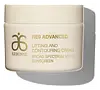
This mineral sunscreen covers the full UV range and blocks ~93% of UVB at SPF 15, below the SPF 30 recommended for daily use.
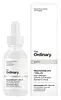
This oil-control serum is formulated around Niacinamide and Zinc PCA to balance excess oil and refine the look of pores.


What's inside
What's inside
 Key Ingredients
Benefits
Concerns
No concerns
Ingredients Side-by-side
Zinc Oxide 4.45%
Cosmetic Colorant


Water
Skin ConditioningC12-15 Alkyl Benzoate
AntimicrobialGlycerin
Humectant


Simmondsia Chinensis Seed Oil
Emollient


Polyglyceryl-3 Methylglucose Distearate
Emulsifying
Cetyl Alcohol
Emollient

Caprylic/Capric Triglyceride
Masking
Cetyl Dimethicone
Emollient
Cetyl Palmitate
Emollient
Dimethicone
Emollient
Behenyl Alcohol
Emollient
Cetearyl Alcohol
Emollient


Glyceryl Stearate
Emollient
Squalane
Emollient
Butyrospermum Parkii Butter
Skin Conditioning
Isononyl Isononanoate
EmollientHydroxyethyl Acrylate/Sodium Acryloyldimethyl Taurate Copolymer
Emulsion StabilisingHydroxyethylcellulose
Emulsion StabilisingXanthan Gum
EmulsifyingCaprylyl Glycol
Emollient
Sodium Lauroyl Glutamate
SurfactantStearic Acid
Cleansing
Polysorbate 60
Emulsifying
Sorbitan Isostearate
Emulsifying
Olea Europaea Fruit Oil
Masking
Hippophae Rhamnoides Oil
Emollient
Aloe Barbadensis Leaf Juice
Skin Conditioning
Osmanthus Fragrans Flower Extract
MaskingPaeonia Albiflora Root Extract
Skin ConditioningChondrus Crispus Extract
Skin Conditioning
Laminaria Digitata Extract
Skin Protecting
Ganoderma Lucidum Stem Extract
Skin ConditioningSerenoa Serrulata Fruit Extract
Skin Conditioning
Anthemis Nobilis Flower Extract
Masking
Cucumis Sativus Fruit Extract
Emollient
Trifolium Pratense Flower Extract
AstringentUndaria Pinnatifida Extract
Skin ConditioningTetrahexyldecyl Ascorbate
Antioxidant




Panthenol
Skin Conditioning
Tocopheryl Acetate
Antioxidant
Pantolactone
Humectant
Acetyl Tetrapeptide-2
Skin Conditioning
Vinyl Dimethicone/Methicone Silsesquioxane Crosspolymer
Micrococcus Lysate
Skin ConditioningBiosaccharide Gum-1
Humectant
Disodium Acetyl Glucosamine Phosphate
Skin ConditioningEthylhexylglycerin
Skin ConditioningCitric Acid
Buffering
Caprylhydroxamic Acid
ChelatingPhytic Acid
Chelating
Sodium Citrate
BufferingAminomethyl Propanediol
BufferingPropanediol
Solvent
Triethoxycaprylylsilane
Chlorphenesin
Antimicrobial
Phenoxyethanol
Preservative
Glyoxal
Antimicrobial
Sodium Nitrate
SoothingZinc Oxide 4.45%, Water, C12-15 Alkyl Benzoate, Glycerin, Simmondsia Chinensis Seed Oil, Polyglyceryl-3 Methylglucose Distearate, Cetyl Alcohol, Caprylic/Capric Triglyceride, Cetyl Dimethicone, Cetyl Palmitate, Dimethicone, Behenyl Alcohol, Cetearyl Alcohol, Glyceryl Stearate, Squalane, Butyrospermum Parkii Butter, Isononyl Isononanoate, Hydroxyethyl Acrylate/Sodium Acryloyldimethyl Taurate Copolymer, Hydroxyethylcellulose, Xanthan Gum, Caprylyl Glycol, Sodium Lauroyl Glutamate, Stearic Acid, Polysorbate 60, Sorbitan Isostearate, Olea Europaea Fruit Oil, Hippophae Rhamnoides Oil, Aloe Barbadensis Leaf Juice, Osmanthus Fragrans Flower Extract, Paeonia Albiflora Root Extract, Chondrus Crispus Extract, Laminaria Digitata Extract, Ganoderma Lucidum Stem Extract, Serenoa Serrulata Fruit Extract, Anthemis Nobilis Flower Extract, Cucumis Sativus Fruit Extract, Trifolium Pratense Flower Extract, Undaria Pinnatifida Extract, Tetrahexyldecyl Ascorbate, Panthenol, Tocopheryl Acetate, Pantolactone, Acetyl Tetrapeptide-2, Vinyl Dimethicone/Methicone Silsesquioxane Crosspolymer, Micrococcus Lysate, Biosaccharide Gum-1, Disodium Acetyl Glucosamine Phosphate, Ethylhexylglycerin, Citric Acid, Caprylhydroxamic Acid, Phytic Acid, Sodium Citrate, Aminomethyl Propanediol, Propanediol, Triethoxycaprylylsilane, Chlorphenesin, Phenoxyethanol, Glyoxal, Sodium Nitrate




Reviews
Ingredients Explained
These ingredients are found in both products.
Ingredients higher up in an ingredient list are typically present in a larger amount.
Chlorphenesin is a synthetic preservative. It helps protect a product against bacteria in order to extend shelf life. In most cases, Chlorphenesin is paired with other preservatives such as phenoxyethanol and caprylyl glycol.
Chlorphenesin is a biocide. This means it is able to help fight the microorganisms on our skin. It is also able to fight odor-releasing bacteria.
Chlorphenesin is soluble in both water and glycerin.
Studies show Chlorphenesin is easily absorbed by our skin. You should speak with a skincare professional if you have concerns about using Chlorphenesin.
Learn more about ChlorphenesinPhenoxyethanol is one of the most widely used preservatives in skincare (and for good reason!).
It has a large spectrum of antimicrobial activity and especially effective bacteria, yeast, and mold while only having a weak effect on your skin's natural microbiome.
On a cellular level, it disrupts the cell membranes of microbes by poking holes that make the cell leak. This shuts down the chemical reactions the microbe needs to make energy so it can no longer survive.
Another perk of this ingredient is that it stays functional across a wide pH range (3-10).
You'll often see it paired with boosters like Ethylhexylglycerin; one study showed that a 1:9 ratio of Ethylhexylglycerin to Phenoxyethanol damages bacterial membranes as effectively as doubling the Phenoxyethanol concentration on its own.
Typical use concentrations range from 0.3-1% depending on the formula, and this ingredient is capped at 1% int the EU.
Safety-wise, the fear mongering does not hold up to the evidence. The EU's Scientific Committee on Consumer Safety and FDA consider it safe as a preservative at up to 1%, including for children of all ages.
Adverse systemic effects only showed up in animal studies at exposures roughly 200x higher than what people get from cosmetics. And despite its very widespread use, this ingredient is a rare sensitizer and allergic reactions are uncommon.
Learn more about PhenoxyethanolWater. It's the most common cosmetic ingredient of all. You'll usually see it at the top of ingredient lists, meaning that it makes up the largest part of the product.
So why is it so popular? Water most often acts as a solvent - this means that it helps dissolve other ingredients into the formulation.
You'll also recognize water as that liquid we all need to stay alive. If you see this, drink a glass of water. Remember to stay hydrated!
Learn more about WaterXanthan gum is used as a stabilizer and thickener within cosmetic products. It helps give products a sticky, thick feeling - preventing them from being too runny.
On the technical side of things, xanthan gum is a polysaccharide - a combination consisting of multiple sugar molecules bonded together.
Xanthan gum is a pretty common and great ingredient. It is a natural, non-toxic, non-irritating ingredient that is also commonly used in food products.
Learn more about Xanthan Gum

