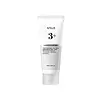
This barrier-repair moisturizer is formulated around Panthenol and Centella Asiatica Extract to strengthen the skin barrier and hydrate skin.
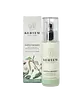
This barrier-repair day moisturizer is formulated around Palmitoyl Oligopeptide and Palmitoyl Tetrapeptide-7 to strengthen the skin barrier and hydrate skin.


What's inside
What's inside
 Key Ingredients
Benefits
Concerns
Ingredients Side-by-side
Water
Skin ConditioningPanthenol
Skin Conditioning




Butylene Glycol
Humectant
Propanediol
Solvent
Caprylic/Capric Triglyceride
Masking
Glycerin
Humectant
Cetyl Ethylhexanoate
EmollientBehenyl Alcohol
Emollient
Octyldodecanol
Emollient
Phenyl Trimethicone
Skin Conditioning
Vinyldimethicone
1,2-Hexanediol
Skin Conditioning
Bis-Diglyceryl Polyacyladipate-2
Emollient

Pentylene Glycol
Skin Conditioning
Caprylyl Methicone
Skin Conditioning
Centella Asiatica Extract
Cleansing

Polyglyceryl-3 Methylglucose Distearate
Emulsifying
Betaine
Humectant
C14-22 Alcohols
Emulsion Stabilising
Ceramide NP
Skin Conditioning
Phytosterols
Skin Conditioning
Hydroxyethyl Acrylate/Sodium Acryloyldimethyl Taurate Copolymer
Emulsion StabilisingHydrogenated Rice Bran Oil
Skin Conditioning
C12-20 Alkyl Glucoside
EmulsifyingAmmonium Acryloyldimethyltaurate/Vp Copolymer
Glyceryl Stearate
Emollient
Dimethiconol
Emollient
Glyceryl Caprylate
EmollientSodium Stearoyl Glutamate
CleansingHydrogenated Lecithin
Emulsifying
Glyceryl Glucoside
Humectant
Acrylates/C10-30 Alkyl Acrylate Crosspolymer
Emulsion StabilisingTromethamine
BufferingSodium Phytate
Polyglyceryl-10 Stearate
Skin Conditioning
Ethylhexylglycerin
Skin ConditioningSodium Hyaluronate
Humectant
Ethylhexyl Olivate
Skin Conditioning
Dipropylene Glycol
HumectantSodium Acrylates Copolymer
Polyglyceryl-4 Oleate
Emulsifying
Linolenic Acid
Cleansing


Polyglyceryl-10 Laurate
Skin Conditioning
Sphingolipids
Emollient
Phosphatidylcholine
Emulsifying4-Terpineol
Masking
Allantoin
Skin Conditioning
Ectoin
Skin Conditioning
Hyaluronic Acid
Humectant
Squalane
Emollient
Lecithin
Emollient
Asiaticoside
Antioxidant
Escin
TonicMadecassic Acid
Skin Conditioning
Asiatic Acid
Skin Conditioning
Beta-Sitosterol
Emulsion Stabilising
Tremella Fuciformis Extract
Humectant
Ceramide AP
Skin Conditioning
Ceramide EOP
Skin Conditioning
Glycine
Buffering
Glutamic Acid
Humectant
Serine
Masking
Alanine
Masking
Lysine
Skin ConditioningArginine
Masking
Proline
Skin Conditioning
Threonine
Water, Panthenol, Butylene Glycol, Propanediol, Caprylic/Capric Triglyceride, Glycerin, Cetyl Ethylhexanoate, Behenyl Alcohol, Octyldodecanol, Phenyl Trimethicone, Vinyldimethicone, 1,2-Hexanediol, Bis-Diglyceryl Polyacyladipate-2, Pentylene Glycol, Caprylyl Methicone, Centella Asiatica Extract, Polyglyceryl-3 Methylglucose Distearate, Betaine, C14-22 Alcohols, Ceramide NP, Phytosterols, Hydroxyethyl Acrylate/Sodium Acryloyldimethyl Taurate Copolymer, Hydrogenated Rice Bran Oil, C12-20 Alkyl Glucoside, Ammonium Acryloyldimethyltaurate/Vp Copolymer, Glyceryl Stearate, Dimethiconol, Glyceryl Caprylate, Sodium Stearoyl Glutamate, Hydrogenated Lecithin, Glyceryl Glucoside, Acrylates/C10-30 Alkyl Acrylate Crosspolymer, Tromethamine, Sodium Phytate, Polyglyceryl-10 Stearate, Ethylhexylglycerin, Sodium Hyaluronate, Ethylhexyl Olivate, Dipropylene Glycol, Sodium Acrylates Copolymer, Polyglyceryl-4 Oleate, Linolenic Acid, Polyglyceryl-10 Laurate, Sphingolipids, Phosphatidylcholine, 4-Terpineol, Allantoin, Ectoin, Hyaluronic Acid, Squalane, Lecithin, Asiaticoside, Escin, Madecassic Acid, Asiatic Acid, Beta-Sitosterol, Tremella Fuciformis Extract, Ceramide AP, Ceramide EOP, Glycine, Glutamic Acid, Serine, Alanine, Lysine, Arginine, Proline, Threonine
Betula Alba Juice
AstringentWater
Skin ConditioningC12-15 Alkyl Benzoate
AntimicrobialPropanediol
Solvent
Undecane
EmollientEthylhexyl Methoxycinnamate
UV Absorber


Cetearyl Alcohol
Emollient


Potassium Cetyl Phosphate
EmulsifyingEthylhexyl Triazone
UV Absorber
Pentylene Glycol
Skin Conditioning
Silybum Marianum Seed Oil
Skin Conditioning
Diethylamino Hydroxybenzoyl Hexyl Benzoate
UV Filter
Glycerin
Humectant
Tridecane
Perfuming
Vaccinium Macrocarpon Seed Oil
Skin Conditioning
Helianthus Annuus Seed Oil
Emollient
Bellis Perennis Flower Extract
Skin ConditioningPalmitoyl Oligopeptide
Cleansing
Palmitoyl Tetrapeptide-7
Skin Conditioning
Planktonic Exopolysaccharide 3
Avena Sativa Kernel Extract
Abrasive
Cetearyl Glucoside
Emulsifying
Hydroxyacetophenone
Antioxidant
Butylene Glycol
Humectant
Carbomer
Emulsion StabilisingPolysorbate 20
Emulsifying
Phenethyl Alcohol
MaskingSodium Acrylates Copolymer
Lecithin
Emollient
Chlorphenesin
Antimicrobial
Phenoxyethanol
Preservative
Pentaerythrityl Tetra-Di-T-Butyl Hydroxyhydrocinnamate
Antioxidant
Tocopherol
Antioxidant

Glucose
Humectant
Parfum
Masking
Betula Alba Juice, Water, C12-15 Alkyl Benzoate, Propanediol, Undecane, Ethylhexyl Methoxycinnamate, Cetearyl Alcohol, Potassium Cetyl Phosphate, Ethylhexyl Triazone, Pentylene Glycol, Silybum Marianum Seed Oil, Diethylamino Hydroxybenzoyl Hexyl Benzoate, Glycerin, Tridecane, Vaccinium Macrocarpon Seed Oil, Helianthus Annuus Seed Oil, Bellis Perennis Flower Extract, Palmitoyl Oligopeptide, Palmitoyl Tetrapeptide-7, Planktonic Exopolysaccharide 3, Avena Sativa Kernel Extract, Cetearyl Glucoside, Hydroxyacetophenone, Butylene Glycol, Carbomer, Polysorbate 20, Phenethyl Alcohol, Sodium Acrylates Copolymer, Lecithin, Chlorphenesin, Phenoxyethanol, Pentaerythrityl Tetra-Di-T-Butyl Hydroxyhydrocinnamate, Tocopherol, Glucose, Parfum
Reviews
Ingredients Explained
These ingredients are found in both products.
Ingredients higher up in an ingredient list are typically present in a larger amount.
Butylene Glycol (or BG) is used within cosmetic products for a few different reasons:
Overall, Butylene Glycol is a safe and well-rounded ingredient that works well with other ingredients.
Though this ingredient works well with most skin types, some people with sensitive skin may experience a reaction such as allergic rashes, closed comedones, or itchiness.
Learn more about Butylene GlycolGlycerin (or glycerol) is a compound naturally found in your skin. It's a powerhouse humectant that pulls water into the stratum corneum.
Topically, glycerin does several things at once:
Your skin makes glycerin on its own (mostly from sebaceous oil breakdown) and shuttles it to your outermost layer of skin, or your epidermis, via aquaporin-3.
Aquaporin-3 is a transporter that is essential for normal skin hydration, elasticity, and repair. Interestingly, mice lacking in AQP3 have dry and less elastic skin that can be fully corrected with glycerin.
This ingredient is non-irritating, plays well with almost every ingredient, and works across all skin types. Typical use is anywhere between 3-10% but can go up to 79% in some leave-on products.
Just know very high concentrations (>40%) can feel tacky in low humidity.
Glycerin is the name for this ingredient in American English. British English uses Glycerol/Glycerine.
Learn more about GlycerinLecithin is a term for a group of substances found in the cell membranes of plants, animals, and humans. They are made up of phospholipids.
Thanks to its amphiphilic structure (water-loving head and oil-loving tail), it is a true multitasker:
It plays well with most ingredients and is typically used at 0.1-1%. However, concentrations up to 50% have been reported in moisturizers.
Learn more about LecithinPentylene Glycol (1,2-pentanediol) is a multitasking little diol with three main roles in a formula:
Research on alkanediols (the family pentylene glycol belongs to) show they work by disrupting microbial cell membranes. This disruption helps the primary preservative system in a product work more effectively at lower doses.
On the safety side, the Cosmetic Ingredient Review Expert Panel has concluded this ingredient to be safe as used in current cosmetic practices + concentrations.
Typical use levels in a formula run about 1-5%.
Learn more about Pentylene GlycolPropanediol is an all-star ingredient. It softens, hydrates, and smooths the skin.
It’s often used to:
Propanediol is not likely to cause sensitivity and considered safe to use. It is derived from corn or petroleum with a clear color and no scent.
Learn more about PropanediolThis ingredient is a synthetic, salt form polymer built from acrylic acid, ethacrylic acid, or their simple esters. It works as a binder, film former, and viscosity increasing agent.
Typical concentrations start at around 0.5% but can go up to 25% for film-forming or binding.
The CIR Expert Panel assessed the safety of 126 acrylates copolymers and concluded they are safe in cosmetics at current use levels when formulated to be non-irritating. They also noted the levels present in finished cosmetic products are not considered a safety risk and Genotoxicity testing (Ames tests, chromosomal aberration assays) has come back negative across the board.
Though the raw building blocks (like acrylic acid) can be irritating on their own, cosmetic-grade versions go through purification to keep levels extremely low.
Sodium Acrylates Copolymer is a large molecule that doesn't penetrate skin barrier in any meaningful way.
Learn more about Sodium Acrylates CopolymerWater. It's the most common cosmetic ingredient of all. You'll usually see it at the top of ingredient lists, meaning that it makes up the largest part of the product.
So why is it so popular? Water most often acts as a solvent - this means that it helps dissolve other ingredients into the formulation.
You'll also recognize water as that liquid we all need to stay alive. If you see this, drink a glass of water. Remember to stay hydrated!
Learn more about Water

