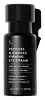
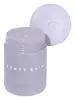
Allies of Skin Peptides & Omegas Firming Eye Cream Versus Fenty Beauty Thicc N Smooth Rich Peptide Eye Cream
This anti-aging eye moisturizer is formulated around Squalane and Bakuchiol to soften the look of wrinkles and strengthen the skin barrier.
This anti-aging eye moisturizer is formulated around Niacinamide and Acetyl Hexapeptide-8 to soften the look of wrinkles.

What's inside
What's inside
 Key Ingredients
Benefits
Concerns
Ingredients Side-by-side
Water
Skin ConditioningGlycerin
Humectant


Tribehenin
Emollient

Caprylic/Capric Triglyceride
Masking
Isodecyl Neopentanoate
EmollientGlyceryl Stearate
Emollient
Propanediol
Solvent
Squalane
Emollient
Acrylamide/Sodium Acryloyldimethyltaurate Copolymer
Emulsion StabilisingLeuconostoc/Radish Root Ferment Filtrate
Antimicrobial
Caprylyl Glycol
Emollient
Bakuchiol
Antimicrobial







Sodium Ascorbyl Phosphate
Antioxidant

Ceramide NP
Skin Conditioning
Rosa Canina Seed Oil
Emollient
Adansonia Digitata Seed Oil
Emollient
Argania Spinosa Kernel Oil
Emollient
Glycyrrhiza Glabra Root Extract
Bleaching
Pfaffia Paniculata Root Extract
SoothingPtychopetalum Olacoides Bark/Stem Extract
Skin ConditioningCalanthe Discolor Extract
Skin ConditioningLilium Candidum Flower Extract
Skin ConditioningUbiquinone
Antioxidant
Superoxide Dismutase
Antioxidant
Ergothioneine
Antioxidant
Tocopheryl Acetate
Antioxidant
Bisabolol
Antioxidant
Allantoin
Skin Conditioning
Biotin
AntiseborrhoeicHesperidin Methyl Chalcone
Antioxidant
Methylglucoside Phosphate
Skin ConditioningCopper Lysinate/Prolinate
Skin ConditioningPalmitoyl Tetrapeptide-7
Skin Conditioning
Chrysin
Skin ConditioningGluconolactone
Chelating

Dipeptide-2
Skin Conditioning
Palmitoyl Tripeptide-1
Skin Conditioning
N-Prolyl Palmitoyl Tripeptide-56 Acetate
Skin Conditioning
Calcium Gluconate
HumectantN-Hydroxysuccinimide
Skin ConditioningCaprylyl/Capryl Glucoside
CleansingCitric Acid
Buffering
Glyceryl Polyacrylate
Isohexadecane
EmollientPentylene Glycol
Skin Conditioning
Polysorbate 80
Emulsifying
Sodium Citrate
BufferingSodium Gluconate
ChelatingSodium Hydroxide
BufferingSorbitan Oleate
Emulsifying

Steareth-20
CleansingXanthan Gum
EmulsifyingBenzyl Alcohol
Perfuming





Chlorhexidine Digluconate
Antimicrobial
Sodium Benzoate
Masking
Potassium Sorbate
Preservative
Phenoxyethanol
Preservative
Water, Glycerin, Tribehenin, Caprylic/Capric Triglyceride, Isodecyl Neopentanoate, Glyceryl Stearate, Propanediol, Squalane, Acrylamide/Sodium Acryloyldimethyltaurate Copolymer, Leuconostoc/Radish Root Ferment Filtrate, Caprylyl Glycol, Bakuchiol, Sodium Ascorbyl Phosphate, Ceramide NP, Rosa Canina Seed Oil, Adansonia Digitata Seed Oil, Argania Spinosa Kernel Oil, Glycyrrhiza Glabra Root Extract, Pfaffia Paniculata Root Extract, Ptychopetalum Olacoides Bark/Stem Extract, Calanthe Discolor Extract, Lilium Candidum Flower Extract, Ubiquinone, Superoxide Dismutase, Ergothioneine, Tocopheryl Acetate, Bisabolol, Allantoin, Biotin, Hesperidin Methyl Chalcone, Methylglucoside Phosphate, Copper Lysinate/Prolinate, Palmitoyl Tetrapeptide-7, Chrysin, Gluconolactone, Dipeptide-2, Palmitoyl Tripeptide-1, N-Prolyl Palmitoyl Tripeptide-56 Acetate, Calcium Gluconate, N-Hydroxysuccinimide, Caprylyl/Capryl Glucoside, Citric Acid, Glyceryl Polyacrylate, Isohexadecane, Pentylene Glycol, Polysorbate 80, Sodium Citrate, Sodium Gluconate, Sodium Hydroxide, Sorbitan Oleate, Steareth-20, Xanthan Gum, Benzyl Alcohol, Chlorhexidine Digluconate, Sodium Benzoate, Potassium Sorbate, Phenoxyethanol
Water
Skin ConditioningGlycerin
Humectant
Caprylic/Capric Triglyceride
Masking
Stearic Acid
Cleansing
Propanediol
Solvent
Trioctyldodecyl Citrate
EmollientNiacinamide
Smoothing
Squalane
Emollient
Arachidyl Alcohol
Emollient
Carthamus Tinctorius Oleosomes
Emollient
Shorea Stenoptera Seed Butter
Emollient
Dicaprylyl Carbonate
EmollientAcetyl Hexapeptide-8
Humectant
Caffeine
Skin Conditioning
Hyaluronic Acid
Humectant
Sodium Hyaluronate
Humectant
Polyglutamic Acid
Skin Conditioning
Tamarindus Indica Seed Polysaccharide
Skin ConditioningSodium PCA
Humectant
Manganese PCA
HumectantMagnesium PCA
Humectant
Zinc PCA
Humectant
Adansonia Digitata Seed Oil
Emollient
Citrullus Lanatus Seed Oil
Emollient
Albizia Julibrissin Bark Extract
MaskingMalpighia Glabra Fruit Juice
Skin ConditioningEscin
TonicPanthenol
Skin Conditioning
Tocopherol
Antioxidant
Gluconolactone
Chelating
Synthetic Beeswax
Emulsion Stabilising
Maltodextrin
Absorbent
Glucose
Humectant
Arachidyl Glucoside
EmulsifyingBehenyl Alcohol
Emollient
Glyceryl Caprylate
EmollientLauroyl Lysine
Skin Conditioning
Sodium Polyacrylate
Absorbent
Xanthan Gum
EmulsifyingMica
Cosmetic ColorantCaprylhydroxamic Acid
ChelatingTetrasodium Glutamate Diacetate
ChelatingSorbitan Isostearate
Emulsifying
Sodium Benzoate
Masking
Caprylyl Glycol
Emollient
Potassium Sorbate
Preservative
Hydroxyethyl Acrylate/Sodium Acryloyldimethyl Taurate Copolymer
Emulsion StabilisingBis-Diglyceryl Polyacyladipate-2
Emollient
Dimethicone
Emollient
Citric Acid
Buffering
Phenoxyethanol
Preservative
CI 77891
Cosmetic ColorantCI 77491
Cosmetic ColorantWater, Glycerin, Caprylic/Capric Triglyceride, Stearic Acid, Propanediol, Trioctyldodecyl Citrate, Niacinamide, Squalane, Arachidyl Alcohol, Carthamus Tinctorius Oleosomes, Shorea Stenoptera Seed Butter, Dicaprylyl Carbonate, Acetyl Hexapeptide-8, Caffeine, Hyaluronic Acid, Sodium Hyaluronate, Polyglutamic Acid, Tamarindus Indica Seed Polysaccharide, Sodium PCA, Manganese PCA, Magnesium PCA, Zinc PCA, Adansonia Digitata Seed Oil, Citrullus Lanatus Seed Oil, Albizia Julibrissin Bark Extract, Malpighia Glabra Fruit Juice, Escin, Panthenol, Tocopherol, Gluconolactone, Synthetic Beeswax, Maltodextrin, Glucose, Arachidyl Glucoside, Behenyl Alcohol, Glyceryl Caprylate, Lauroyl Lysine, Sodium Polyacrylate, Xanthan Gum, Mica, Caprylhydroxamic Acid, Tetrasodium Glutamate Diacetate, Sorbitan Isostearate, Sodium Benzoate, Caprylyl Glycol, Potassium Sorbate, Hydroxyethyl Acrylate/Sodium Acryloyldimethyl Taurate Copolymer, Bis-Diglyceryl Polyacyladipate-2, Dimethicone, Citric Acid, Phenoxyethanol, CI 77891, CI 77491
Reviews
Ingredients Explained
These ingredients are found in both products.
Ingredients higher up in an ingredient list are typically present in a larger amount.
This ingredient is also known as Baobab Seed Oil. Like most plant oils, it works by sitting on the skin's surface to slow water loss and keep skin soft.
The fatty acid content of this oil is roughly 25-36% linoleic acid, 20-30% oleic acid, and 25-30% palmitic acid. Plus, it has smaller amounts of stearic and linolenic acid.
Linoleic acid is the most abundant fatty acid naturally found in your epidermis and your skin uses it to build ceramides.
Baobab seed oil also brings some Vitamin E that provides mild antioxidant activity and helps keep the oil itself stable.
An actual human study that ran a 48-hour occlusive patch test found this ingredient caused no significant irritation.
Because this ingredient is full of C16-18 fatty acids that Malassezia feeds on, this ingredient may not be fungal acne safe.
Learn more about Adansonia Digitata Seed OilCaprylic/Capric Triglyceride (aka MCT Oil) is a lightweight emollient, solvent, and texture enhancer. It is considered a skin-softener by helping to prevent moisture loss.
Though it behaves like an oil, it is not technically one due to its chemical composition. One perk of this ingredient is that it is very stable, resistant to oxidation, and unlikely to go rancid.
In practice, that translates to a long shelf life and a consistently elegant skin feel.
While there is an assumption Caprylic Triglyceride can clog pores due to it being derived from coconut oil, there is no research supporting this. Just patch test if you have concerns.
Fractionated coconut oil and MCT Oil are both listed as Caprylic/Capric Triglyceride according to INCI. This is because INCI names are based on the ingredient’s final chemical composition and not its marketing name or source.
This ingredient is treated as the gold standard fungal acne safe oil. Even though it is coconut derived, the problematic lauric acid is stripped out.
This leaves just caprylic (C8) and capric (C10) acid. These chain lengths actually trend antifungal; a 2020 study found caprylic acid was enough to disrupt Malassezia furfur cell membrane, with a caprylic acid derivative damaging membrane structures at concentrations as low as 0.2%.
Learn more about Caprylic/Capric TriglycerideCaprylyl Glycol is a humectant, skin conditioner, emollient, and preservative booster derived from either caprylic acid or synthetically created.
Typical use levels vary from 0.3-1% as a preservative booster and go up to 2% to condition skin.
Because it is not a free-fatty acid, this ingredient is fungal acne safe (there's nothing for Malassezia to feed on).
Learn more about Caprylyl GlycolCitric Acid is an alpha hydroxy acid (AHA) naturally found in citrus fruits like oranges, lemons, and limes.
Like other AHAs, citric acid can exfoliate skin by breaking down the bonds that hold dead skin cells together. This helps reveal smoother and brighter skin underneath.
However, this exfoliating effect only happens at high concentrations (20%) which can be hard to find in cosmetic products.
Due to this, citric acid is usually included in small amounts as a pH adjuster. This helps keep products slightly more acidic and compatible with skin's natural pH.
In skincare formulas, citric acid can:
While it can provide some skin benefits, research shows lactic acid and glycolic acid are generally more effective and less irritating exfoliants.
Most citric acid used in skincare today is made by fermenting sugars (usually from molasses). This synthetic version is identical to the natural citrus form but easier to stabilize and use in formulations.
Rosacea skin has a lower threshold for acids generally, with 62.5% of rosacea subjects in one study reacting to lactic acid in a sting test. This is why we mark citric acid as a potential rosacea trigger.
However, this ingredient shows up as a pH adjuster or chelator at roughly 0.1-1% in many products. These low levels are unlikely to be an issue for rosacea skin and becomes a potential trigger at exfoliating concentrations (20%). Because everybody's skin is unique, we recommend a patch test if you are unsure.
Learn more about Citric AcidGluconolactone is a PHA. PHAs are a great gentle alternative to traditional AHAs.
When applied, Gluconolactone has the same affect on skin as AHAs such as lactic acid. It helps dissolve the dead skin cells in the top layer of your skin. This improves texture and brightens the skin.
PHAs are more gentle than AHAs due to their larger structure. They do not penetrate as deeply as AHAs and take a longer time to dissolve dead cells. Studies show PHAs do not cause as much irritation.
Gluconolactone has some interesting properties:
In a 2004 study, Gluconolactone was found to prevent UV damage in mouse skin cells and has not been found to increase sun sensitivity. However, we still recommend wearing SPF daily.
This ingredient is is an created by reacting gluconic acid with an alcohol.
Learn more about GluconolactoneGlycerin (or glycerol) is a compound naturally found in your skin. It's a powerhouse humectant that pulls water into the stratum corneum.
Topically, glycerin does several things at once:
Your skin makes glycerin on its own (mostly from sebaceous oil breakdown) and shuttles it to your outermost layer of skin, or your epidermis, via aquaporin-3.
Aquaporin-3 is a transporter that is essential for normal skin hydration, elasticity, and repair. Interestingly, mice lacking in AQP3 have dry and less elastic skin that can be fully corrected with glycerin.
This ingredient is non-irritating, plays well with almost every ingredient, and works across all skin types. Typical use is anywhere between 3-10% but can go up to 79% in some leave-on products.
Just know very high concentrations (>40%) can feel tacky in low humidity.
Glycerin is the name for this ingredient in American English. British English uses Glycerol/Glycerine.
Learn more about GlycerinPhenoxyethanol is one of the most widely used preservatives in skincare (and for good reason!).
It has a large spectrum of antimicrobial activity and especially effective bacteria, yeast, and mold while only having a weak effect on your skin's natural microbiome.
On a cellular level, it disrupts the cell membranes of microbes by poking holes that make the cell leak. This shuts down the chemical reactions the microbe needs to make energy so it can no longer survive.
Another perk of this ingredient is that it stays functional across a wide pH range (3-10).
You'll often see it paired with boosters like Ethylhexylglycerin; one study showed that a 1:9 ratio of Ethylhexylglycerin to Phenoxyethanol damages bacterial membranes as effectively as doubling the Phenoxyethanol concentration on its own.
Typical use concentrations range from 0.3-1% depending on the formula, and this ingredient is capped at 1% int the EU.
Safety-wise, the fear mongering does not hold up to the evidence. The EU's Scientific Committee on Consumer Safety and FDA consider it safe as a preservative at up to 1%, including for children of all ages.
Adverse systemic effects only showed up in animal studies at exposures roughly 200x higher than what people get from cosmetics. And despite its very widespread use, this ingredient is a rare sensitizer and allergic reactions are uncommon.
Learn more about PhenoxyethanolPotassium Sorbate is a preservative used to prevent yeast and mold in products. It is commonly found in both cosmetic and food products.
This ingredient comes from potassium salt derived from sorbic acid. Sorbic acid is a natural antibiotic and effective against fungus.
Both potassium sorbate and sorbic acid can be found in baked goods, cheeses, dried meats, dried fruit, ice cream, pickles, wine, yogurt, and more.
You'll often find this ingredient used with other preservatives.
Learn more about Potassium SorbatePropanediol is an all-star ingredient. It softens, hydrates, and smooths the skin.
It’s often used to:
Propanediol is not likely to cause sensitivity and considered safe to use. It is derived from corn or petroleum with a clear color and no scent.
Learn more about PropanediolSodium Benzoate is a preservative. It's used in both cosmetic and food products to inhibit the growth of mold and bacteria. It is typically produced synthetically.
Both the US FDA and EU Health Committee have approved the use of sodium benzoate. In the US, levels of 0.1% (of the total product) are allowed.
Sodium benzoate works as a preservative by inhibiting the growth of bacteria inside of cells. It prevents the cell from fermenting a type of sugar using an enzyme called phosphofructokinase.
It is the salt of benzoic acid. Foods containing sodium benzoate include soda, salad dressings, condiments, fruit juices, wines, and snack foods.
Studies for using ascorbic acid and sodium benzoate in cosmetics are lacking, especially in skincare routines with multiple steps.
We always recommend speaking with a professional, such as a dermatologist, if you have any concerns.
Learn more about Sodium BenzoateSqualane is the hydrogenated and shelf-stable form of squalene (a lipid that naturally occurs in human sebum).
It is an emollient and skin conditioning agent that is able to integrate seamlessly into the skin's lipid barrier without clogging pores.
This is due to how structurally similar it is to what your skin already produces.
Though it is mostly an emollient that helps soften and hydrate skin, it also has some humectant and occlusive action. Humectants help the skin retain moisture while occlusives seal it in, making squalane a triple-threat moisturizer.
Research shows it has antioxidant capabilities that help protect against stressors like UV exposure, specifically UVA induced oxidative stress. This study also found that it supports collagen biosynthesis in human dermal fibroblasts.
No clinical study has reported significant adverse effects and irritation reactions are very rare from this ingredient (even at 100% concentration).
Overall, it's a fantastic ingredient for hydration and is suitable for all skin types.
This depends on the source. Squalane can be derived from both plants and animals. Most squalane used in skincare comes from plants.
Please note: the source of squalane is only known if disclosed by the brand. We recommend reaching out to the brand if you have any questions about their squalane.
Read more about squalene with an "e".
Though squalane is often called an oil, it’s technically not one. It is a hydrocarbon, meaning it is only made of carbon and hydrogen. True oils are triglycerides and made of fatty acids and glycerol.
The term “oil-free” isn’t regulated so companies can define it however they want. Some exclude all oils, while others just avoid mineral oil or comedogenic oils.
Squalane has a comedogenic rating of 1 from the original 1972 study that tested raw ingredients under occlusion on rabbit ears. This system is not standardized or peer-reviewed, and using the raw ingredients is very different from how diluted cosmetic formulations are used on human skin.
A comedogenic rating of 1 means it is "unlikely to clog pores" according to the original rating system.
The overall formula of a product matters more than the individual ingredients on whether or not it will cause clogged pores.
Learn more about SqualaneWater. It's the most common cosmetic ingredient of all. You'll usually see it at the top of ingredient lists, meaning that it makes up the largest part of the product.
So why is it so popular? Water most often acts as a solvent - this means that it helps dissolve other ingredients into the formulation.
You'll also recognize water as that liquid we all need to stay alive. If you see this, drink a glass of water. Remember to stay hydrated!
Learn more about WaterXanthan gum is used as a stabilizer and thickener within cosmetic products. It helps give products a sticky, thick feeling - preventing them from being too runny.
On the technical side of things, xanthan gum is a polysaccharide - a combination consisting of multiple sugar molecules bonded together.
Xanthan gum is a pretty common and great ingredient. It is a natural, non-toxic, non-irritating ingredient that is also commonly used in food products.
Learn more about Xanthan Gum

