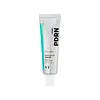
This anti-aging moisturizer is formulated around Niacinamide and Panthenol to soften the look of wrinkles and brighten dull-looking skin.
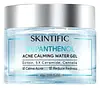
This calming moisturizer is formulated around Panthenol and Centella Asiatica Extract to calm redness and strengthen the skin barrier.


What's inside
What's inside
 Key Ingredients
Benefits
Concerns
Ingredients Side-by-side
Water
Skin ConditioningButylene Glycol
Humectant

Glycerin
Humectant
Propanediol
Solvent
C12-15 Alkyl Benzoate
AntimicrobialCaprylic/Capric Triglyceride
Masking
Polyglycerin-3
Humectant
Methyl Hydrogenated Rosinate
Perfuming

1,2-Hexanediol
Skin Conditioning
Niacinamide
Smoothing









Caprylic/Capric/Myristic/Stearic Triglyceride
EmollientC14-22 Alcohols
Emulsion Stabilising
Bis-Diglyceryl Polyacyladipate-2
Emollient

Vinyldimethicone

Cetearyl Alcohol
Emollient


Panthenol
Skin Conditioning
Glyceryl Stearate
Emollient
Betaine
Humectant
C12-20 Alkyl Glucoside
EmulsifyingPolyacrylate-13
Palmitic Acid
Emollient
Hydrogenated Vegetable Oil
Emollient
Stearic Acid
Cleansing
Cetearyl Glucoside
Emulsifying
Hydrogenated Polyisobutene
EmollientMacadamia Ternifolia Seed Oil
Emollient
Tromethamine
BufferingGlyceryl Acrylate/Acrylic Acid Copolymer
HumectantCarbomer
Emulsion StabilisingXanthan Gum
EmulsifyingEthylhexylglycerin
Skin ConditioningAllantoin
Skin Conditioning
Adenosine
Skin Conditioning
Polyglyceryl-10 Laurate
Skin Conditioning
Ethylhexyl Palmitate
Emollient
Disodium EDTA
ChelatingSorbitan Isostearate
Emulsifying
Gellan Gum
Agar
MaskingSqualane
Emollient
Hydrogenated Lecithin
Emulsifying
Melia Azadirachta Leaf Extract
Skin ConditioningMelia Azadirachta Flower Extract
Skin ConditioningCoccinia Indica Fruit Extract
Skin Conditioning
Sodium Hyaluronate
Humectant
Solanum Melongena Fruit Extract
Skin ConditioningHydrolyzed Elastin
EmollientPanax Ginseng Root Extract
Emollient
Eclipta Prostrata Extract
Skin Conditioning
Ocimum Sanctum Leaf Extract
Skin ConditioningCorallina Officinalis Extract
Skin Conditioning
Simmondsia Chinensis Seed Oil
Emollient
Curcuma Longa Root Extract
Antioxidant
Amber Powder
Potassium Hyaluronate
Skin ConditioningHydroxypropyltrimonium Hyaluronate
Hydrolyzed Sodium Hyaluronate
Skin Conditioning
Hydrolyzed Hyaluronic Acid
Humectant
Hyaluronic Acid
Humectant
Hydrolyzed Collagen
Emollient
Caprylyl Glycol
Emollient
Moringa Oleifera Seed Oil
Emollient
Ceramide NP
Skin Conditioning
Pentylene Glycol
Skin Conditioning
Sodium DNA
Skin Conditioning
Sodium Hyaluronate Crosspolymer
Humectant
Ceramide Ns
Skin Conditioning
Sodium Acetylated Hyaluronate
Humectant
Phytosphingosine
Skin Conditioning
Citric Acid
Buffering
Cholesterol
Emollient
Sodium Guaiazulene Sulfonate
SurfactantCeramide As
Skin Conditioning
Ceramide AP
Skin Conditioning
Ceramide EOP
Skin Conditioning
Parfum
Masking
Water, Butylene Glycol, Glycerin, Propanediol, C12-15 Alkyl Benzoate, Caprylic/Capric Triglyceride, Polyglycerin-3, Methyl Hydrogenated Rosinate, 1,2-Hexanediol, Niacinamide, Caprylic/Capric/Myristic/Stearic Triglyceride, C14-22 Alcohols, Bis-Diglyceryl Polyacyladipate-2, Vinyldimethicone, Cetearyl Alcohol, Panthenol, Glyceryl Stearate, Betaine, C12-20 Alkyl Glucoside, Polyacrylate-13, Palmitic Acid, Hydrogenated Vegetable Oil, Stearic Acid, Cetearyl Glucoside, Hydrogenated Polyisobutene, Macadamia Ternifolia Seed Oil, Tromethamine, Glyceryl Acrylate/Acrylic Acid Copolymer, Carbomer, Xanthan Gum, Ethylhexylglycerin, Allantoin, Adenosine, Polyglyceryl-10 Laurate, Ethylhexyl Palmitate, Disodium EDTA, Sorbitan Isostearate, Gellan Gum, Agar, Squalane, Hydrogenated Lecithin, Melia Azadirachta Leaf Extract, Melia Azadirachta Flower Extract, Coccinia Indica Fruit Extract, Sodium Hyaluronate, Solanum Melongena Fruit Extract, Hydrolyzed Elastin, Panax Ginseng Root Extract, Eclipta Prostrata Extract, Ocimum Sanctum Leaf Extract, Corallina Officinalis Extract, Simmondsia Chinensis Seed Oil, Curcuma Longa Root Extract, Amber Powder, Potassium Hyaluronate, Hydroxypropyltrimonium Hyaluronate, Hydrolyzed Sodium Hyaluronate, Hydrolyzed Hyaluronic Acid, Hyaluronic Acid, Hydrolyzed Collagen, Caprylyl Glycol, Moringa Oleifera Seed Oil, Ceramide NP, Pentylene Glycol, Sodium DNA, Sodium Hyaluronate Crosspolymer, Ceramide Ns, Sodium Acetylated Hyaluronate, Phytosphingosine, Citric Acid, Cholesterol, Sodium Guaiazulene Sulfonate, Ceramide As, Ceramide AP, Ceramide EOP, Parfum
Water
Skin ConditioningPanthenol
Skin Conditioning
Methyl Gluceth-20
Humectant
Dipropylene Glycol
HumectantCentella Asiatica Extract
Cleansing
Calendula Officinalis Extract
Skin Conditioning
Avena Sativa Kernel Extract
Abrasive
Phaeodactylum Tricornutum Extract
HumectantChlorella Vulgaris Extract
Skin ConditioningPentylene Glycol
Skin Conditioning
Acrylates/C10-30 Alkyl Acrylate Crosspolymer
Emulsion StabilisingTromethamine
Buffering1,2-Hexanediol
Skin Conditioning
Ectoin
Skin Conditioning
Ceramide NP
Skin Conditioning
Ceramide As
Skin Conditioning
Ceramide Ns
Skin Conditioning
Ceramide AP
Skin Conditioning
Ceramide EOP
Skin Conditioning
Butylene Glycol
Humectant
Glycerophosphoinositol Choline
Skin ProtectingGlycerin
Humectant
Ammonium Acryloyldimethyltaurate/Vp Copolymer
Hydrogenated Lecithin
Emulsifying
Tocopherol
Antioxidant
Pentasodium Pentetate
ChelatingErythritol
Humectant
Propanediol
Solvent
Phytic Acid
Chelating
Silver Oxide
AntimicrobialDiethoxyethyl Succinate
SolventHydroxyphenyl Propamidobenzoic Acid
Skin ConditioningLecithin
Emollient
Sodium Ascorbate
Antioxidant
Ascorbyl Palmitate
Antioxidant
Water, Panthenol, Methyl Gluceth-20, Dipropylene Glycol, Centella Asiatica Extract, Calendula Officinalis Extract, Avena Sativa Kernel Extract, Phaeodactylum Tricornutum Extract, Chlorella Vulgaris Extract, Pentylene Glycol, Acrylates/C10-30 Alkyl Acrylate Crosspolymer, Tromethamine, 1,2-Hexanediol, Ectoin, Ceramide NP, Ceramide As, Ceramide Ns, Ceramide AP, Ceramide EOP, Butylene Glycol, Glycerophosphoinositol Choline, Glycerin, Ammonium Acryloyldimethyltaurate/Vp Copolymer, Hydrogenated Lecithin, Tocopherol, Pentasodium Pentetate, Erythritol, Propanediol, Phytic Acid, Silver Oxide, Diethoxyethyl Succinate, Hydroxyphenyl Propamidobenzoic Acid, Lecithin, Sodium Ascorbate, Ascorbyl Palmitate
Reviews
Ingredients Explained
These ingredients are found in both products.
Ingredients higher up in an ingredient list are typically present in a larger amount.
1,2-Hexanediol is a synthetic liquid and another multi-functional powerhouse.
It is a:
- Humectant, drawing moisture into the skin
- Emollient, helping to soften skin
- Solvent, dispersing and stabilizing formulas
- Preservative booster, enhancing the antimicrobial activity of other preservatives
Butylene Glycol (or BG) is used within cosmetic products for a few different reasons:
Overall, Butylene Glycol is a safe and well-rounded ingredient that works well with other ingredients.
Though this ingredient works well with most skin types, some people with sensitive skin may experience a reaction such as allergic rashes, closed comedones, or itchiness.
Learn more about Butylene GlycolCeramide AP is is a skin-identical lipid that mimics what your skin already makes naturally. Ceramides help maintain epidermal integrity and barrier function.
You'll often see this ingredient paired with other ceramides (like ceramide NP), cholesterol, or fatty acids because this combination best mimics the natural lipid mix your skin already has.
The skin's ability to produce ceramides gets disrupted in skin conditions like eczema. This in turn weakens the skin barrier and applying ceramides topically has been shown to replenish what's been lost to restore barrier function.
Most of the studies with Ceramide AP test it as part of a multi-ceramide complex; studies reinforce ceramide AP's role in rebalancing ceramides in skin and improving skin hydration.
Learn more about Ceramide APCeramide AS is formally known as Ceramides 4 and 5.
Ceramides are intercellular lipids naturally found in our skin that bonds dead skin cells together to create a barrier. They are known for their ability to hold water and thus are a great ingredient for dry skin.
Ceramide EOP is formally known as Ceramide 1.
It is naturally found in skin and part of the intercellular "mortar" holding everything together in your outermost layer.
EOP stands for a linked Ester fatty acid, a linked Omega hydroxy fatty acid, and the Phytosphingosine base.
What makes Ceramide EOP special is its ultra-long fatty acid chain; this unique structure allows it to bridge the lipid layers in your skin barrier to prevent water loss (something no other ceramide can do).
Low levels of Ceramide EOP have been found in people with eczema and psoriasis.
Using it together with other ceramides, cholesterol, and linoleic acid have been shown to meaningfully improve hydration and reduce water loss.
In one clinical study, a regimen using Ceramide EOP, NP, and AP led to significant symptom improvements in patients with eczema, psoriasis, and dry skin in just 4 weeks.
You'll usually see concentrations between 0.1-0.5% in formulations. Overall, this is a well-tolerated and safe ingredient for cosmetic use.
Learn more about Ceramide EOPCeramide NP (formerly known as Ceramide 3) is one of the skin's naturally occurring lipids.
Since ceramides are the major lipid components of the skin, they are crucial for maintaining skin barrier and hydration. Ceramide NP most closely mirrors the dominant kind in human skin amongst ceramide subtypes.
This ceramide works by slotting into gaps within the stratum corneum's lipid matrix to limit trans-epidermal water loss (TEWL) and shield the skin against external irritants.
A study with 312 patients found that using a ceramide-containing routine for 4 weeks reduced the severity of atopic dermatitis by over 61%.
Another clinical study in subjects aged 60 and older found that a ceramide body wash and moisturizer improved skin dryness and itchy skin in 15 days.
Overall, ceramides are considered non-irritating and safety tests have found little to no observable adverse effects from using this ingredient.
Ceramide NP is usually sourced from plants (like soybean or rice bran), or produced synthetically.
Learn more about Ceramide NPCeramide NS is formally known as Ceramide 2. It is one of the major ceramides in the stratum corneum (outermost layer of skin) plays a role in forming a protective barrier.
Due to its structure, skin lipids can be packed tightly and in turn, this strengthens the barrier and reduces water loss.
Studies show conditions like atopic dermatitis can worsen when ceramide NS levels are low.
Learn more about Ceramide NsGlycerin (or glycerol) is a compound naturally found in your skin. It's a powerhouse humectant that pulls water into the stratum corneum.
Topically, glycerin does several things at once:
Your skin makes glycerin on its own (mostly from sebaceous oil breakdown) and shuttles it to your outermost layer of skin, or your epidermis, via aquaporin-3.
Aquaporin-3 is a transporter that is essential for normal skin hydration, elasticity, and repair. Interestingly, mice lacking in AQP3 have dry and less elastic skin that can be fully corrected with glycerin.
This ingredient is non-irritating, plays well with almost every ingredient, and works across all skin types. Typical use is anywhere between 3-10% but can go up to 79% in some leave-on products.
Just know very high concentrations (>40%) can feel tacky in low humidity.
Glycerin is the name for this ingredient in American English. British English uses Glycerol/Glycerine.
Learn more about GlycerinHydrogenated Lecithin is a more stable version of lecithin.
It's made by taking lecithin (a phospholipid commonly found in soybeans and egg yolks) and hydrogenating it. This just means the unsaturated fatty acids are turned into saturated ones so they don't go bad as easily.
This ingredient is an emollient, emulsifier, and penetration enhancer. As an emollient, it helps soften and hydrate skin by trapping moisture within. As an emulsifier, it prevents oil and water ingredients from separating.
Hydrogenated Lecithin can form tiny spherical structures made of phospholipid bilayers called liposomes. These liposomes are able to capture compounds inside their structure and deliver them through the skin barrier.
Because phospholipids are a natural component of our cell membranes, this ingredient is inherently compatible with skin.
A 2021 study found lecithin-based surfactants were less harsh and more tolerable comared to Sodium Lauryl Sulfate (SLS).
Learn more about Hydrogenated LecithinPanthenol is a common ingredient that helps hydrate and soothe the skin. It is found naturally in our skin and hair.
There are two forms of panthenol: D and L.
D-panthenol is also known as dexpanthenol. Most cosmetics use dexpanthenol or a mixture of D and L-panthenol.
Panthenol is famous due to its ability to go deeper into the skin's layers. Using this ingredient has numerous pros (and no cons):
Like hyaluronic acid, panthenol is a humectant. Humectants are able to bind and hold large amounts of water to keep skin hydrated.
This ingredient works well for wound healing. It works by increasing tissue in the wound and helps close open wounds.
Once oxidized, panthenol converts to pantothenic acid. Panthothenic acid is found in all living cells.
This ingredient is also referred to as pro-vitamin B5.
Learn more about PanthenolPentylene Glycol (1,2-pentanediol) is a multitasking little diol with three main roles in a formula:
Research on alkanediols (the family pentylene glycol belongs to) show they work by disrupting microbial cell membranes. This disruption helps the primary preservative system in a product work more effectively at lower doses.
On the safety side, the Cosmetic Ingredient Review Expert Panel has concluded this ingredient to be safe as used in current cosmetic practices + concentrations.
Typical use levels in a formula run about 1-5%.
Learn more about Pentylene GlycolPropanediol is an all-star ingredient. It softens, hydrates, and smooths the skin.
It’s often used to:
Propanediol is not likely to cause sensitivity and considered safe to use. It is derived from corn or petroleum with a clear color and no scent.
Learn more about PropanediolTromethamine (aka THAM) is a synthetic amino acid that shows up in skincare as a helper ingredient.
It functions as a pH adjuster to help neutralize acidic ingredients and set a formula's pH to the right spot.
This matters a lot because a lot of actives (like vitamin C) needs a specific pH to work well and feel comfortable on skin.
Concentration use ranges from 0.1-1.0% depending on the formula.
Learn more about TromethamineWater. It's the most common cosmetic ingredient of all. You'll usually see it at the top of ingredient lists, meaning that it makes up the largest part of the product.
So why is it so popular? Water most often acts as a solvent - this means that it helps dissolve other ingredients into the formulation.
You'll also recognize water as that liquid we all need to stay alive. If you see this, drink a glass of water. Remember to stay hydrated!
Learn more about Water

