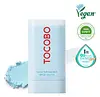
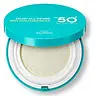
Tocobo Cotton Soft Sun Stick SPF50+ PA++++ Versus SCINIC Enjoy All Round Airy Sun Cushion EX SPF 50+ PA++++
This hybrid sunscreen covers the full UV range and blocks ~98% of UVB at SPF 50.
This hybrid sunscreen covers the full UV range and blocks ~98% of UVB at SPF 50.

What's inside
What's inside
 Key Ingredients
Benefits
Concerns
Ingredients Side-by-side
Synthetic Wax
Abrasive

Dibutyl Adipate
EmollientButylene Glycol Dicaprylate/Dicaprate
EmollientOctocrylene
UV Absorber



Methyl Methacrylate Crosspolymer

Vinyl Dimethicone/Methicone Silsesquioxane Crosspolymer

Ethylhexyl Methoxycinnamate
UV Absorber
Dicaprylyl Carbonate
EmollientCetyl Ethylhexanoate
EmollientSilica
Abrasive
Ethylhexyl Salicylate
UV Absorber
Diethylamino Hydroxybenzoyl Hexyl Benzoate
UV Filter
Bis-Ethylhexyloxyphenol Methoxyphenyl Triazine
UV Absorber
Tocopheryl Acetate
Antioxidant


Ozokerite
Emulsion StabilisingMelia Azadirachta Leaf Extract
Skin ConditioningMelia Azadirachta Flower Extract
Skin ConditioningCoccinia Indica Fruit Extract
Skin Conditioning

Solanum Melongena Fruit Extract
Skin ConditioningAloe Barbadensis Flower Extract
EmollientCardiospermum Halicacabum Flower/Leaf/Vine Extract
Skin ConditioningCurcuma Longa Root Extract
Antioxidant
Corallina Officinalis Extract
Skin Conditioning

Ocimum Sanctum Leaf Extract
Skin ConditioningGossypium Herbaceum Extract
Skin ConditioningSophora Flavescens Root Extract
Antioxidant
Rheum Palmatum Root/Stalk Extract
AstringentScutellaria Baicalensis Root Extract
Astringent
Phellodendron Amurense Bark Extract
Skin ConditioningOenothera Biennis Flower Extract
AstringentUlmus Davidiana Root Extract
Skin Conditioning
Pinus Palustris Leaf Extract
TonicPueraria Lobata Root Extract
HumectantEchium Plantagineum Seed Oil
Skin Conditioning


Simmondsia Chinensis Seed Oil
Emollient

Caprylyl Glycol
Emollient
Bisabolol
Antioxidant
Triethoxycaprylylsilane
Titanium Dioxide
Cosmetic Colorant
Polyglyceryl-2 Triisostearate
Emulsifying
Octyldodecanol
Emollient
Polyglyceryl-4 Diisostearate/Polyhydroxystearate/Sebacate
Emulsifying
Helianthus Annuus Seed Oil Unsaponifiables
Emollient
Tocopherol
Antioxidant

Water
Skin ConditioningButylene Glycol
Humectant
1,2-Hexanediol
Skin Conditioning
Parfum
Masking
Synthetic Wax, Dibutyl Adipate, Butylene Glycol Dicaprylate/Dicaprate, Octocrylene, Methyl Methacrylate Crosspolymer, Vinyl Dimethicone/Methicone Silsesquioxane Crosspolymer, Ethylhexyl Methoxycinnamate, Dicaprylyl Carbonate, Cetyl Ethylhexanoate, Silica, Ethylhexyl Salicylate, Diethylamino Hydroxybenzoyl Hexyl Benzoate, Bis-Ethylhexyloxyphenol Methoxyphenyl Triazine, Tocopheryl Acetate, Ozokerite, Melia Azadirachta Leaf Extract, Melia Azadirachta Flower Extract, Coccinia Indica Fruit Extract, Solanum Melongena Fruit Extract, Aloe Barbadensis Flower Extract, Cardiospermum Halicacabum Flower/Leaf/Vine Extract, Curcuma Longa Root Extract, Corallina Officinalis Extract, Ocimum Sanctum Leaf Extract, Gossypium Herbaceum Extract, Sophora Flavescens Root Extract, Rheum Palmatum Root/Stalk Extract, Scutellaria Baicalensis Root Extract, Phellodendron Amurense Bark Extract, Oenothera Biennis Flower Extract, Ulmus Davidiana Root Extract, Pinus Palustris Leaf Extract, Pueraria Lobata Root Extract, Echium Plantagineum Seed Oil, Simmondsia Chinensis Seed Oil, Caprylyl Glycol, Bisabolol, Triethoxycaprylylsilane, Titanium Dioxide, Polyglyceryl-2 Triisostearate, Octyldodecanol, Polyglyceryl-4 Diisostearate/Polyhydroxystearate/Sebacate, Helianthus Annuus Seed Oil Unsaponifiables, Tocopherol, Water, Butylene Glycol, 1,2-Hexanediol, Parfum
Water
Skin ConditioningCyclomethicone
Emollient
Zinc Oxide
Cosmetic Colorant
Propanediol
Solvent
C12-15 Alkyl Benzoate
AntimicrobialPolyglyceryl-3 Polydimethylsiloxyethyl Dimethicone
Skin Conditioning
CI 77891
Cosmetic ColorantAcrylates Copolymer
Butyloctyl Salicylate
Skin Conditioning
Caprylyl Methicone
Skin Conditioning
Silica
Abrasive
Dicaprylyl Carbonate
EmollientMethyl Methacrylate Crosspolymer
Niacinamide
Smoothing


Polymethyl Methacrylate
Polymethylsilsesquioxane
Butylene Glycol
Humectant
Citrus Aurantium Bergamia Fruit Oil
Masking
Citrus Nobilis Peel Oil
Masking
Echium Plantagineum Seed Oil
Skin Conditioning
Camellia Sinensis Leaf Extract
Antimicrobial
Helianthus Annuus Seed Oil Unsaponifiables
Emollient
Cardiospermum Halicacabum Flower/Leaf/Vine Extract
Skin ConditioningCitrus Unshiu Peel Extract
MaskingChamaecyparis Obtusa Leaf Extract
Skin ConditioningOriganum Vulgare Leaf Extract
Skin ConditioningSalix Alba Bark Extract
Astringent
Cinnamomum Cassia Bark Extract
Masking
Lactobacillus/Soybean Ferment Extract
Skin ConditioningMangifera Indica Fruit Extract
Skin ConditioningPortulaca Oleracea Extract
Skin Conditioning
Scutellaria Baicalensis Root Extract
Astringent
Gossypium Herbaceum Seed Extract
Skin ConditioningPolyglyceryl-2 Dipolyhydroxystearate
Skin Conditioning
Polyhydroxystearic Acid
Emulsifying
Sodium Chloride
MaskingTriethoxycaprylylsilane
Aluminum Hydroxide
EmollientDisteardimonium Hectorite
StabilisingStearic Acid
Cleansing
Glyceryl Caprylate
EmollientCaprylyl Glycol
Emollient
Adenosine
Skin Conditioning
Ectoin
Skin Conditioning
Madecassoside
Antioxidant
Octyldodecanol
Emollient
Glycerin
Humectant
Tocopherol
Antioxidant
Disodium EDTA
ChelatingWater, Cyclomethicone, Zinc Oxide, Propanediol, C12-15 Alkyl Benzoate, Polyglyceryl-3 Polydimethylsiloxyethyl Dimethicone, CI 77891, Acrylates Copolymer, Butyloctyl Salicylate, Caprylyl Methicone, Silica, Dicaprylyl Carbonate, Methyl Methacrylate Crosspolymer, Niacinamide, Polymethyl Methacrylate, Polymethylsilsesquioxane, Butylene Glycol, Citrus Aurantium Bergamia Fruit Oil, Citrus Nobilis Peel Oil, Echium Plantagineum Seed Oil, Camellia Sinensis Leaf Extract, Helianthus Annuus Seed Oil Unsaponifiables, Cardiospermum Halicacabum Flower/Leaf/Vine Extract, Citrus Unshiu Peel Extract, Chamaecyparis Obtusa Leaf Extract, Origanum Vulgare Leaf Extract, Salix Alba Bark Extract, Cinnamomum Cassia Bark Extract, Lactobacillus/Soybean Ferment Extract, Mangifera Indica Fruit Extract, Portulaca Oleracea Extract, Scutellaria Baicalensis Root Extract, Gossypium Herbaceum Seed Extract, Polyglyceryl-2 Dipolyhydroxystearate, Polyhydroxystearic Acid, Sodium Chloride, Triethoxycaprylylsilane, Aluminum Hydroxide, Disteardimonium Hectorite, Stearic Acid, Glyceryl Caprylate, Caprylyl Glycol, Adenosine, Ectoin, Madecassoside, Octyldodecanol, Glycerin, Tocopherol, Disodium EDTA
Reviews
Ingredients Explained
These ingredients are found in both products.
Ingredients higher up in an ingredient list are typically present in a larger amount.
Butylene Glycol (or BG) is used within cosmetic products for a few different reasons:
Overall, Butylene Glycol is a safe and well-rounded ingredient that works well with other ingredients.
Though this ingredient works well with most skin types, some people with sensitive skin may experience a reaction such as allergic rashes, closed comedones, or itchiness.
Learn more about Butylene GlycolCaprylyl Glycol is a humectant, skin conditioner, emollient, and preservative booster derived from either caprylic acid or synthetically created.
Typical use levels vary from 0.3-1% as a preservative booster and go up to 2% to condition skin.
Because it is not a free-fatty acid, this ingredient is fungal acne safe (there's nothing for Malassezia to feed on).
Learn more about Caprylyl GlycolCardiospermum halicacabum extract is more commonly known as Balloon Vine Extract.
Dicaprylyl Carbonate comes from carbonic acid and caprylyl alcohol, a fatty alcohol. It is an emollient and gives skin a velvet feel. The sources of Dicaprylyl Carbonate may be synthetic or from animals.
As an emollient, Dicaprylyl Carbonate creates a film on the skin. This film traps moisture in, keeping your skin soft and hydrated.
Echium Plantagineum Seed Oil is an oil and isn't fungal acne safe. It can help to reduce redness.
This ingredient is the small fraction of sunflower seed oil (~1.5-2% of the whole oil) that cannot be turned into soap.
This concentrated fraction is rich in skin-nourishing compounds like free fatty acids, tocopherols, and phytosterols. Linoleic acid makes up about 48-74% of its composition.
Unsaponifiables have high antioxidant potential due to the tocopherols, carotenoids, and phenolic acids that help protect skin from free radical damage. On the other hand, linoleic acid supports the skin's barrier by replenishing ceramides and reducing transepidermal water loss.
A manufacturer-sponsored clinical study found that a cream with 2% of this ingredient increased skin moisturization by 48.6% after 1 hour and 34.2% after 24 hours.
Using this cream twice-daily for 4 weeks showed meaningful improvement in dryness, roughness, and desquamation (the shedding of dead skin cells).
Keep in mind this is a small, industry-funded study so it'd be great to see independent replication. However, the mechanism is consistent with well-establish linoleic and phytosterol research.
While this ingredient is generally considered safe, those with an Asteraceae/Compositae plant allergy should patch test this ingredient.
Fungal acne: this ingredient is not considered safe for fungal acne because the Malassezia yeast preferentially metabolizes in the C11-24 range. Linoleic acid falls into this range at C18.
Learn more about Helianthus Annuus Seed Oil UnsaponifiablesThis ingredient comes as a powder made up of small, porous, microbeads. It is used to add a silky feel to products and also helps absorb oil.
Octyldodecanol is a fatty alcohol sourced from plant oils like coconut or palm (or made synthetically).
It is:
You'll likely see this in many BHA products because this is the go-to solvent for salicylic acid.
This ingredient is typically used at levels between 2-20%.
Regarding fungal acne:
In 2019, this ingredient was tested against multiple Malassezia species (the yeast that causes fungal acne) and showed no growth.
Scutellaria Baicalensis Root Extract comes from the Baikal skullcap or Chinese skullcap plant. This plant is native to Northeast Asia and can be found in China, Mongolia, Korea, and Siberia.
In cosmetics, Scutellaria Baicalensis Root Extract provides antioxidant and anti-inflammatory benefits. This is due to the flavonoid composition of Scutellaria Baicalensis Root Extract.
In Chinese traditional folk medicine, Scutellaria Baicalensis Root Extract is used to help treat lung issues and hypertension.
Learn more about Scutellaria Baicalensis Root ExtractSilica, also known as silicon dioxide, is a naturally occurring mineral. It is used as a fine, spherical, and porous powder in cosmetics.
Though it has exfoliant properties, the function of silica varies depending on the product.
The unique structure of silica enhances the spreadability and adds smoothness, making it a great texture enhancer.
It is also used as an active carrier, emulsifier, and mattifier due to its ability to absorb excess oil.
In some products, tiny microneedles called spicules are made from silica or hydrolyzed sponge. When you rub them in, they lightly polish away dead skin layers and enhance the penetration of active ingredients.
Learn more about SilicaTocopherol is a fat-soluble antioxidant known as Vitamin E.
You'll find this ingredient in the vast majority of skincare (for good reason). It works to neutralize free radicals, or unstable molecules generated by UV exposure, pollution, and other environmental stressors, before they can cause oxidative damage to your skin cells.
Topically applied tocopherol has been shown to protect against UV damage by ramping up the skin's own natural defense enzymes.
It also acts as a skin conditioning agent; some studies show that regular topical use can improve the skin's water-binding capacity over 2-4 weeks.
This ingredient is especially loved for being a team player. When combined with Vitamin C, the photoprotective effect of both ingredients roughly doubles and the combo also helps reduce UV-induced DNA damage.
This ingredient has some brightening potential but it's more of a prevention ingredient than spot-fader. Cell studies show it can slow down melanin production but it's worth noting that it's not the most powerful brightener out there.
In formulations, it also serves as a stabilizer that helps protect other oxidation-prone ingredients from degrading.
Concentrations usually range from 0.1-1% in most leave-on products.
Learn more about TocopherolTriethoxycaprylylsilane is a silicon-based surface modifier that makes sunscreens feel silky and makeup stay put.
Its main job is to coat mineral particles like titanium dioxide, zinc oxide, and color pigments in a thin, oily layer so they spread smoothly, don't clump, and stick to skin better.
This ingredient is typically used at low levels (up to 2.5% in eyeshadow and 1% in lipstick).
Learn more about TriethoxycaprylylsilaneWater. It's the most common cosmetic ingredient of all. You'll usually see it at the top of ingredient lists, meaning that it makes up the largest part of the product.
So why is it so popular? Water most often acts as a solvent - this means that it helps dissolve other ingredients into the formulation.
You'll also recognize water as that liquid we all need to stay alive. If you see this, drink a glass of water. Remember to stay hydrated!
Learn more about Water

