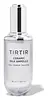
This hydrating ampoule is formulated around Oryza Sativa Bran Oil and Ceramide NP to hydrate skin and strengthen the skin barrier.
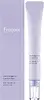
This anti-aging eye moisturizer is formulated around Collagen Extract and Bakuchiol to soften the look of wrinkles and hydrate skin.

What's inside
What's inside
 Key Ingredients
Benefits
Concerns
Ingredients Side-by-side
Lactobacillus/Soymilk Ferment Filtrate
Skin ConditioningIsopropyl Myristate
Emollient





Polyglyceryl-2 Dipolyhydroxystearate
Skin Conditioning
Oryza Sativa Bran Oil
Emollient



Polyglyceryl-4 Isostearate
Emulsifying
Polyglyceryl-3 Ricinoleate
Emulsifying
Glycerin
Humectant

Butylene Glycol
Humectant
Caprylic/Capric Triglyceride
Masking
Niacinamide
Smoothing







Dimer Dilinoleyl Dimer Dilinoleate
Emollient1,2-Hexanediol
Skin Conditioning
Benzyl Glycol
SolventPrunus Amygdalus Dulcis Seed Extract
Skin ConditioningOryza Sativa Extract
Absorbent
Avena Sativa Meal Extract
SoothingPersea Gratissima Fruit Extract
EmollientMaltodextrin
Absorbent
Water
Skin ConditioningAdenosine
Skin Conditioning
Ethylhexylglycerin
Skin ConditioningSaccharomyces/Viscum Album Ferment Extract
Skin Conditioning
Lactobacillus/Soybean Ferment Extract
Skin ConditioningSqualane
Emollient
Chamomilla Recutita Flower Extract
Masking
Saccharomyces/Imperata Cylindrica Root Ferment Extract
Emollient
Moringa Oleifera Seed Extract
Skin Conditioning
Hydrogenated Lecithin
Emulsifying
Collagen
Moisturising
Cetearyl Alcohol
Emollient
Theobroma Cacao Extract
Skin ConditioningPyrus Malus Leaf Extract
Skin ConditioningVanilla Planifolia Fruit Extract
Skin Conditioning
Leuconostoc/Radish Root Ferment Filtrate
Antimicrobial
Stearic Acid
Cleansing
Fragaria Chiloensis Fruit Extract
Skin Conditioning
Musa Sapientum Fruit Extract
Skin ConditioningPrunus Persica Fruit Extract
Abrasive
Propanediol
Solvent
Cocos Nucifera Oil
Masking
Prunus Domestica Fruit Extract
MoisturisingCeramide NP
Skin Conditioning
Cholesterol
Emollient
Phytosphingosine
Skin Conditioning
Ceramide Ng
Skin Conditioning
Ceramide Ns
Skin Conditioning
Ceramide As
Skin Conditioning
Ceramide AP
Skin Conditioning
Glycine
Buffering
Glutamic Acid
Humectant
Leucine
Skin ConditioningMethionine
Skin ConditioningValine
MaskingSerine
Masking
Aspartic Acid
Masking
Alanine
Masking
Arginine
Masking
Isoleucine
Skin ConditioningPhenylalanine
Masking
Proline
Skin Conditioning
Histidine
Humectant
Taurine
BufferingOrnithine
Skin ConditioningCeramide EOP
Skin Conditioning
Lactobacillus/Soymilk Ferment Filtrate, Isopropyl Myristate, Polyglyceryl-2 Dipolyhydroxystearate, Oryza Sativa Bran Oil, Polyglyceryl-4 Isostearate, Polyglyceryl-3 Ricinoleate, Glycerin, Butylene Glycol, Caprylic/Capric Triglyceride, Niacinamide, Dimer Dilinoleyl Dimer Dilinoleate, 1,2-Hexanediol, Benzyl Glycol, Prunus Amygdalus Dulcis Seed Extract, Oryza Sativa Extract, Avena Sativa Meal Extract, Persea Gratissima Fruit Extract, Maltodextrin, Water, Adenosine, Ethylhexylglycerin, Saccharomyces/Viscum Album Ferment Extract, Lactobacillus/Soybean Ferment Extract, Squalane, Chamomilla Recutita Flower Extract, Saccharomyces/Imperata Cylindrica Root Ferment Extract, Moringa Oleifera Seed Extract, Hydrogenated Lecithin, Collagen, Cetearyl Alcohol, Theobroma Cacao Extract, Pyrus Malus Leaf Extract, Vanilla Planifolia Fruit Extract, Leuconostoc/Radish Root Ferment Filtrate, Stearic Acid, Fragaria Chiloensis Fruit Extract, Musa Sapientum Fruit Extract, Prunus Persica Fruit Extract, Propanediol, Cocos Nucifera Oil, Prunus Domestica Fruit Extract, Ceramide NP, Cholesterol, Phytosphingosine, Ceramide Ng, Ceramide Ns, Ceramide As, Ceramide AP, Glycine, Glutamic Acid, Leucine, Methionine, Valine, Serine, Aspartic Acid, Alanine, Arginine, Isoleucine, Phenylalanine, Proline, Histidine, Taurine, Ornithine, Ceramide EOP
Water
Skin ConditioningGlycerin
Humectant
Hydrogenated Polydecene
EmollientCyclopentasiloxane
Emollient
Polypropylsilsesquioxane
Caprylic/Capric Triglyceride
Masking
Butylene Glycol
Humectant
Diglycerin
Humectant
Polyglyceryl-3 Methylglucose Distearate
Emulsifying
Cetearyl Alcohol
Emollient
Ethylhexyl Palmitate
Emollient
Cetyl Alcohol
Emollient
Butyrospermum Parkii Butter
Skin Conditioning
Glyceryl Stearate
Emollient
1,2-Hexanediol
Skin Conditioning
Sodium Hyaluronate
Humectant
Caprylyl Glycol
Emollient
Collagen Extract
Skin Conditioning
Collagen
Moisturising
Soluble Collagen
Humectant
Hydrolyzed Collagen
Emollient
Collagen Amino Acids
Moisturising
Sodium Soy Hydrolyzed Collagen
Surfactant
Zinc Hydrolyzed Collagen
Skin Conditioning
Microcrystalline Wax
Emulsion StabilisingPropanediol
Solvent
Illicium Verum Fruit Extract
Perfuming
Macadamia Ternifolia Seed Oil
Emollient
Hydroxyethyl Acrylate/Sodium Acryloyldimethyl Taurate Copolymer
Emulsion StabilisingBixa Orellana Seed Oil
Emollient
Helianthus Annuus Seed Oil
Emollient
Glycine Soja Oil
Emollient
Tocopherol
Antioxidant

Atelocollagen
Skin Conditioning
Lavandula Angustifolia Flower Water
Skin Conditioning
Salvia Sclarea Extract
AntiseborrhoeicHyacinthus Orientalis Extract
Skin ConditioningChamomilla Recutita Flower/Leaf Extract
AntimicrobialBorago Officinalis Extract
Emollient
Centaurea Cyanus Flower Extract
Astringent
Ethylhexylglycerin
Skin ConditioningBrassica Oleracea Italica Extract
AstringentMedicago Sativa Extract
TonicBrassica Oleracea Capitata Leaf Extract
Skin ConditioningTriticum Vulgare Germ Extract
Skin ConditioningBrassica Campestris Extract
Skin ConditioningRaphanus Sativus Seed Extract
Skin ConditioningAllantoin
Skin Conditioning
Tocopheryl Acetate
Antioxidant
Bakuchiol
Antimicrobial
Acetyl Hexapeptide-8
Humectant
Copper Tripeptide-1
Skin Conditioning
Palmitoyl Pentapeptide-4
Skin Conditioning
Acetyl Tetrapeptide-5
Humectant
Palmitoyl Tripeptide-1
Skin Conditioning
Nonapeptide-1
Skin Conditioning
Dipeptide-2
Skin Conditioning
Tripeptide-1
Skin Conditioning
Hexapeptide-9
Skin Conditioning
Adenosine
Skin Conditioning
Disodium EDTA
Dipotassium Glycyrrhizate
Humectant
Ceramide NP
Skin Conditioning
Argania Spinosa Kernel Oil
Emollient
Rosa Canina Fruit Oil
Emollient
Camellia Japonica Seed Oil
Emollient
Salvia Officinalis Oil
Masking
Retinal
Skin Conditioning
Lecithin
Emollient
Ascorbic Acid
Antioxidant
Water, Glycerin, Hydrogenated Polydecene, Cyclopentasiloxane, Polypropylsilsesquioxane, Caprylic/Capric Triglyceride, Butylene Glycol, Diglycerin, Polyglyceryl-3 Methylglucose Distearate, Cetearyl Alcohol, Ethylhexyl Palmitate, Cetyl Alcohol, Butyrospermum Parkii Butter, Glyceryl Stearate, 1,2-Hexanediol, Sodium Hyaluronate, Caprylyl Glycol, Collagen Extract, Collagen, Soluble Collagen, Hydrolyzed Collagen, Collagen Amino Acids, Sodium Soy Hydrolyzed Collagen, Zinc Hydrolyzed Collagen, Microcrystalline Wax, Propanediol, Illicium Verum Fruit Extract, Macadamia Ternifolia Seed Oil, Hydroxyethyl Acrylate/Sodium Acryloyldimethyl Taurate Copolymer, Bixa Orellana Seed Oil, Helianthus Annuus Seed Oil, Glycine Soja Oil, Tocopherol, Atelocollagen, Lavandula Angustifolia Flower Water, Salvia Sclarea Extract, Hyacinthus Orientalis Extract, Chamomilla Recutita Flower/Leaf Extract, Borago Officinalis Extract, Centaurea Cyanus Flower Extract, Ethylhexylglycerin, Brassica Oleracea Italica Extract, Medicago Sativa Extract, Brassica Oleracea Capitata Leaf Extract, Triticum Vulgare Germ Extract, Brassica Campestris Extract, Raphanus Sativus Seed Extract, Allantoin, Tocopheryl Acetate, Bakuchiol, Acetyl Hexapeptide-8, Copper Tripeptide-1, Palmitoyl Pentapeptide-4, Acetyl Tetrapeptide-5, Palmitoyl Tripeptide-1, Nonapeptide-1, Dipeptide-2, Tripeptide-1, Hexapeptide-9, Adenosine, Disodium EDTA, Dipotassium Glycyrrhizate, Ceramide NP, Argania Spinosa Kernel Oil, Rosa Canina Fruit Oil, Camellia Japonica Seed Oil, Salvia Officinalis Oil, Retinal, Lecithin, Ascorbic Acid
Reviews
Ingredients Explained
These ingredients are found in both products.
Ingredients higher up in an ingredient list are typically present in a larger amount.
1,2-Hexanediol is a synthetic liquid and another multi-functional powerhouse.
It is a:
- Humectant, drawing moisture into the skin
- Emollient, helping to soften skin
- Solvent, dispersing and stabilizing formulas
- Preservative booster, enhancing the antimicrobial activity of other preservatives
Adenosine is a purine nucleoside that your body already makes in every cell. In skincare, it acts mainly as a skin conditioning and anti-aging agent.
The way it works is fairly well mapped out:
Your skin has cells called fibroblasts that build collagen (the stuff that keeps skin firm and smooth). Adenosine basically flips a switch on these cells that tells them to get to work making more collagen and other proteins. These cells slow down on their own as skin ages, so Adenosine helps give them a little nudge to keep going.
The clinical backing is pretty solid too.
A blind, randomized, placebo-controlled trial of 126 women aged 45-65 tested a 0.1% cream twice daily and found real improvements in crow's feet and frown lines using a precise 3D skin-mapping technique; these changes showed up by week 3 and held at 2 months.
A later study using Adenosine-loaded dissolving microneedle patches reported gains in wrinkle depth, dermal density, elasticity, and hydration.
On concentrations, South Korea's Ministry of Food and Drug Safety has set 0.04% as the approved functional anti-wrinkle level. You'll typically see this ingredient used somewhere in the 0.04-0.1% range since it works at low doses.
This ingredient has been found safe for cosmetics with the data showing no irritation or sensitization.
Overall, this is a great ingredient for any anti-aging routine and has no photosensitizing effect, so it suits both AM and PM use.
Learn more about AdenosineButylene Glycol (or BG) is used within cosmetic products for a few different reasons:
Overall, Butylene Glycol is a safe and well-rounded ingredient that works well with other ingredients.
Though this ingredient works well with most skin types, some people with sensitive skin may experience a reaction such as allergic rashes, closed comedones, or itchiness.
Learn more about Butylene GlycolCaprylic/Capric Triglyceride (aka MCT Oil) is a lightweight emollient, solvent, and texture enhancer. It is considered a skin-softener by helping to prevent moisture loss.
Though it behaves like an oil, it is not technically one due to its chemical composition. One perk of this ingredient is that it is very stable, resistant to oxidation, and unlikely to go rancid.
In practice, that translates to a long shelf life and a consistently elegant skin feel.
While there is an assumption Caprylic Triglyceride can clog pores due to it being derived from coconut oil, there is no research supporting this. Just patch test if you have concerns.
Fractionated coconut oil and MCT Oil are both listed as Caprylic/Capric Triglyceride according to INCI. This is because INCI names are based on the ingredient’s final chemical composition and not its marketing name or source.
This ingredient is treated as the gold standard fungal acne safe oil. Even though it is coconut derived, the problematic lauric acid is stripped out.
This leaves just caprylic (C8) and capric (C10) acid. These chain lengths actually trend antifungal; a 2020 study found caprylic acid was enough to disrupt Malassezia furfur cell membrane, with a caprylic acid derivative damaging membrane structures at concentrations as low as 0.2%.
Learn more about Caprylic/Capric TriglycerideCeramide NP (formerly known as Ceramide 3) is one of the skin's naturally occurring lipids.
Since ceramides are the major lipid components of the skin, they are crucial for maintaining skin barrier and hydration. Ceramide NP most closely mirrors the dominant kind in human skin amongst ceramide subtypes.
This ceramide works by slotting into gaps within the stratum corneum's lipid matrix to limit trans-epidermal water loss (TEWL) and shield the skin against external irritants.
A study with 312 patients found that using a ceramide-containing routine for 4 weeks reduced the severity of atopic dermatitis by over 61%.
Another clinical study in subjects aged 60 and older found that a ceramide body wash and moisturizer improved skin dryness and itchy skin in 15 days.
Overall, ceramides are considered non-irritating and safety tests have found little to no observable adverse effects from using this ingredient.
Ceramide NP is usually sourced from plants (like soybean or rice bran), or produced synthetically.
Learn more about Ceramide NPCetearyl alcohol is a waxy mixture of two fatty alcohols: cetyl alcohol and stearyl alcohol. It is an emollient and emulsifier.
Despite having "alcohol" in its name, it has nothing to do with drying solvent alcohols; the FDA also allows "alcohol-free" products to contain fatty alcohols like this ingredient.
It plays several roles in a formula:
Typical use levels for this ingredient sit around 1-10% and the Cosmetic Ingredient Review Expert Panel has affirmed safety at concentrations up to 25% in leave-on products.
Multiple assessments have found it to be non-irritating and non-sensitizing to most people.
However, there have been some cases of allergic contact dermatitis in patients with chronically compromised skin barriers.
Cetearyl alcohol has a comedogenic rating of 2 and irritancy rating of 1. Both of these numbers come from the 1989 study that used rabbit ears; a "2" means mildly comedogenic and a "1" means low irritancy.
Here's the catch: rabbit skin is more sensitive than human skin and throws a lot of false positives. A 1996 reappraisal found that ingredients rated 1-2 in the rabbit ear tests are generally safe for humans.
Remember comedogenic ratings are unable to assess the entire formula of a product or how it will react on your skin. Just be sure to patch test if you are unsure about certain ingredients.
This ingredient is not fungal acne safe. Cetearyl alcohol is a fatty alcohol with chain lengths that fall within the range that Malassezia can metabolize.
A 2019 study has also observed Malassezia growth in the presence of this ingredient, confirming it to be not-fungal acne safe.
Learn more about Cetearyl AlcoholCollagen is a big structural protein that your body uses to keep skin firm and bouncy. Despite the marketing, topically applied collagen doesn't "refill" the collagen in your skin.
The molecule is too big to pass through your skin barrier so intact Collagen physically can't get past the surface.
What it actually does in your skincare is work as a humectant and film-former: it binds water, lays down a light moisturizing film, and reduces water loss from the surface. This helps make skin feel smoother and temporarily plumper.
This ingredient has been found safe for use in cosmetics with clinical studies showing no irritation, sensitization, or phototoxicity. It's typically used at low concentrations (often a fraction of a percent up to a few percent).
Collagen will not increase sun sensitivity, but you should always wear sunscreen during the day.
Learn more about hydrolyzed collagen or soluble collagen.
Learn more about CollagenEthylhexylglycerin is created from glycerin. It is a multitasker ingredient that:
The CIR Expert Panel found minimal skin absorption or sensitization of any kind in a safety assessment. Though this ingredient is considered well-tolerated, a small number of cases of allergic dermatitis have been published since 2002. Just be sure to patch test if you are unsure.
Industry-reported use ranges from 8% in rinse-off products and 2% in leave-on formulations.
Learn more about EthylhexylglycerinGlycerin (or glycerol) is a compound naturally found in your skin. It's a powerhouse humectant that pulls water into the stratum corneum.
Topically, glycerin does several things at once:
Your skin makes glycerin on its own (mostly from sebaceous oil breakdown) and shuttles it to your outermost layer of skin, or your epidermis, via aquaporin-3.
Aquaporin-3 is a transporter that is essential for normal skin hydration, elasticity, and repair. Interestingly, mice lacking in AQP3 have dry and less elastic skin that can be fully corrected with glycerin.
This ingredient is non-irritating, plays well with almost every ingredient, and works across all skin types. Typical use is anywhere between 3-10% but can go up to 79% in some leave-on products.
Just know very high concentrations (>40%) can feel tacky in low humidity.
Glycerin is the name for this ingredient in American English. British English uses Glycerol/Glycerine.
Learn more about GlycerinPropanediol is an all-star ingredient. It softens, hydrates, and smooths the skin.
It’s often used to:
Propanediol is not likely to cause sensitivity and considered safe to use. It is derived from corn or petroleum with a clear color and no scent.
Learn more about PropanediolWater. It's the most common cosmetic ingredient of all. You'll usually see it at the top of ingredient lists, meaning that it makes up the largest part of the product.
So why is it so popular? Water most often acts as a solvent - this means that it helps dissolve other ingredients into the formulation.
You'll also recognize water as that liquid we all need to stay alive. If you see this, drink a glass of water. Remember to stay hydrated!
Learn more about Water

