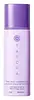
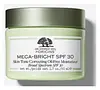
Tatcha The Silk Sunscreen SPF 50 Weightless Mineral Sunscreen Versus Origins Dr. Andrew Weil Mega-Bright SPF 30
This hybrid sunscreen covers the full UV range and blocks ~98% of UVB at SPF 50.
This brightening day moisturizer is formulated around Ascorbyl Glucoside and Dipotassium Glycyrrhizate to brighten dull-looking skin and fade the look of dark spots.

What's inside
What's inside
 Key Ingredients
Benefits
Concerns
Ingredients Side-by-side
Zinc Oxide 10%
Cosmetic Colorant


Water
Skin ConditioningC12-15 Alkyl Benzoate
AntimicrobialCaprylic/Capric Triglyceride
Masking


Lauryl PEG-8 Dimethicone
Surfactant
Dimethicone
Emollient
Isododecane
EmollientTridecyl Salicylate
Skin Conditioning
Hdi/Trimethylol Hexyllactone Crosspolymer
Propanediol
Solvent
Caprylyl Methicone
Skin Conditioning
Polymethylsilsesquioxane
Niacinamide
Smoothing








Saccharomyces/Rice Ferment Filtrate
Skin Conditioning

Silica
Abrasive
Squalane
Emollient
Camellia Sinensis Leaf Extract
Antimicrobial
Cladosiphon Okamuranus Extract
Skin Conditioning

Hydrolyzed Silk
Humectant
Bisabolol
Antioxidant
Allantoin
Skin Conditioning
Tocopherol
Antioxidant
Theobroma Cacao Seed Extract
Antioxidant
Arctium Lappa Root Extract
Skin Conditioning
Kappaphycus Alvarezii Extract
Skin Conditioning
Sodium Hyaluronate
Humectant
Lecithin
Emollient
Caesalpinia Spinosa Fruit Extract
Skin ProtectingLactobacillus
Skin ConditioningMaltodextrin
Absorbent
Caprylyl Glycol
Emollient
Dimethicone Crosspolymer
Emulsion Stabilising
Hydrogenated Lecithin
Emulsifying
Tetrasodium Glutamate Diacetate
ChelatingPEG-10
HumectantPolyglyceryl-2 Dipolyhydroxystearate
Skin Conditioning
Propylene Glycol
Humectant
Lauryl PEG-10 Tris(Trimethylsiloxy)Silylethyl Dimethicone
Emulsifying
Polyglyceryl-4 Diisostearate/Polyhydroxystearate/Sebacate
Emulsifying
Butylene Glycol
Humectant
Phosphoric Acid
BufferingSodium Hydroxide
BufferingSodium Chloride
MaskingHexylene Glycol
EmulsifyingEthylhexylglycerin
Skin ConditioningPhenoxyethanol
Preservative
Iron Oxides
Zinc Oxide 10%, Water, C12-15 Alkyl Benzoate, Caprylic/Capric Triglyceride, Lauryl PEG-8 Dimethicone, Dimethicone, Isododecane, Tridecyl Salicylate, Hdi/Trimethylol Hexyllactone Crosspolymer, Propanediol, Caprylyl Methicone, Polymethylsilsesquioxane, Niacinamide, Saccharomyces/Rice Ferment Filtrate, Silica, Squalane, Camellia Sinensis Leaf Extract, Cladosiphon Okamuranus Extract, Hydrolyzed Silk, Bisabolol, Allantoin, Tocopherol, Theobroma Cacao Seed Extract, Arctium Lappa Root Extract, Kappaphycus Alvarezii Extract, Sodium Hyaluronate, Lecithin, Caesalpinia Spinosa Fruit Extract, Lactobacillus, Maltodextrin, Caprylyl Glycol, Dimethicone Crosspolymer, Hydrogenated Lecithin, Tetrasodium Glutamate Diacetate, PEG-10, Polyglyceryl-2 Dipolyhydroxystearate, Propylene Glycol, Lauryl PEG-10 Tris(Trimethylsiloxy)Silylethyl Dimethicone, Polyglyceryl-4 Diisostearate/Polyhydroxystearate/Sebacate, Butylene Glycol, Phosphoric Acid, Sodium Hydroxide, Sodium Chloride, Hexylene Glycol, Ethylhexylglycerin, Phenoxyethanol, Iron Oxides
Butyl Methoxydibenzoylmethane 3%
UV Absorber
Homosalate 5%
Skin Conditioning
Ethylhexyl Salicylate 5%
UV Absorber
Octocrylene 2.7%
UV Absorber
Water
Skin ConditioningButyloctyl Salicylate
Skin Conditioning
Behenyl Alcohol
Emollient
Nylon-12
Octyldodecyl Neopentanoate
EmollientButylene Glycol
Humectant
Dimethicone
Emollient
Myristyl Myristate
Emollient
Cetyl Esters
Emollient
Ascorbyl Glucoside
Antioxidant
Polyethylene
Abrasive
Ammonium Acryloyldimethyltaurate/Vp Copolymer
Citrus Aurantium Dulcis Peel Oil
Masking

Pelargonium Graveolens Flower Oil
Masking

Cananga Odorata Flower Oil
Masking
Eugenia Caryophyllus Bud Oil
Masking
Rosa Damascena Flower Oil
Masking
Jasminum Officinale Oil
Masking
Viola Odorata Flower/Leaf Extract
MaskingPolianthes Tuberosa Extract
MaskingFarnesol
Perfuming
Eugenol
Perfuming
Benzyl Salicylate
Perfuming
Citronellol
Perfuming
Citral
Perfuming
Benzyl Benzoate
Antimicrobial
Geraniol
Perfuming
Rosa Roxburghii Fruit Extract
TonicPaeonia Albiflora Root Extract
Skin ConditioningMolasses Extract
Skin ConditioningCitrus Grandis Peel Extract
Astringent
Triticum Vulgare Germ Extract
Skin ConditioningHordeum Vulgare Extract
EmollientPalmaria Palmata Extract
Skin Protecting
Morus Nigra Root Extract
Skin ConditioningPunica Granatum Fruit Juice
MaskingScutellaria Baicalensis Root Extract
Astringent
Hydrolyzed Rice Bran Extract
Skin ConditioningGentiana Lutea Root Extract
Skin ConditioningCurcuma Longa Root Extract
Antioxidant
Vitis Vinifera Fruit Extract
Skin ConditioningSucrose
Humectant
Glyceryl Stearate
Emollient
PEG-100 Stearate
Surfactant
PEG-6
HumectantGlycerin
Humectant
Cholesterol
Emollient
Linoleic Acid
Cleansing
Salicylic Acid
Masking

Di-PPG-2 Myreth-10 Adipate
Emollient
Sodium Hyaluronate
Humectant
Betaine
Humectant
Dipotassium Glycyrrhizate
Humectant
Steareth-21
CleansingTrehalose
Humectant
Tocopheryl Acetate
Antioxidant
Myristyl Laurate
SurfactantTrisiloxane
Skin Conditioning
Di-C12-18 Alkyl Dimonium Chloride
Skin ConditioningCaprylyl Glycol
Emollient
Squalane
Emollient
Myristyl Alcohol
Emollient
Tromethamine
BufferingSodium Dehydroacetate
Preservative
Hexylene Glycol
EmulsifyingSodium Hydroxide
BufferingPhenoxyethanol
Preservative
Mica
Cosmetic ColorantEssential Oils
Butyl Methoxydibenzoylmethane 3%, Homosalate 5%, Ethylhexyl Salicylate 5%, Octocrylene 2.7%, Water, Butyloctyl Salicylate, Behenyl Alcohol, Nylon-12, Octyldodecyl Neopentanoate, Butylene Glycol, Dimethicone, Myristyl Myristate, Cetyl Esters, Ascorbyl Glucoside, Polyethylene, Ammonium Acryloyldimethyltaurate/Vp Copolymer, Citrus Aurantium Dulcis Peel Oil, Pelargonium Graveolens Flower Oil, Cananga Odorata Flower Oil, Eugenia Caryophyllus Bud Oil, Rosa Damascena Flower Oil, Jasminum Officinale Oil, Viola Odorata Flower/Leaf Extract, Polianthes Tuberosa Extract, Farnesol, Eugenol, Benzyl Salicylate, Citronellol, Citral, Benzyl Benzoate, Geraniol, Rosa Roxburghii Fruit Extract, Paeonia Albiflora Root Extract, Molasses Extract, Citrus Grandis Peel Extract, Triticum Vulgare Germ Extract, Hordeum Vulgare Extract, Palmaria Palmata Extract, Morus Nigra Root Extract, Punica Granatum Fruit Juice, Scutellaria Baicalensis Root Extract, Hydrolyzed Rice Bran Extract, Gentiana Lutea Root Extract, Curcuma Longa Root Extract, Vitis Vinifera Fruit Extract, Sucrose, Glyceryl Stearate, PEG-100 Stearate, PEG-6, Glycerin, Cholesterol, Linoleic Acid, Salicylic Acid, Di-PPG-2 Myreth-10 Adipate, Sodium Hyaluronate, Betaine, Dipotassium Glycyrrhizate, Steareth-21, Trehalose, Tocopheryl Acetate, Myristyl Laurate, Trisiloxane, Di-C12-18 Alkyl Dimonium Chloride, Caprylyl Glycol, Squalane, Myristyl Alcohol, Tromethamine, Sodium Dehydroacetate, Hexylene Glycol, Sodium Hydroxide, Phenoxyethanol, Mica, Essential Oils
Reviews
Ingredients Explained
These ingredients are found in both products.
Ingredients higher up in an ingredient list are typically present in a larger amount.
Butylene Glycol (or BG) is used within cosmetic products for a few different reasons:
Overall, Butylene Glycol is a safe and well-rounded ingredient that works well with other ingredients.
Though this ingredient works well with most skin types, some people with sensitive skin may experience a reaction such as allergic rashes, closed comedones, or itchiness.
Learn more about Butylene GlycolCaprylyl Glycol is a humectant, skin conditioner, emollient, and preservative booster derived from either caprylic acid or synthetically created.
Typical use levels vary from 0.3-1% as a preservative booster and go up to 2% to condition skin.
Because it is not a free-fatty acid, this ingredient is fungal acne safe (there's nothing for Malassezia to feed on).
Learn more about Caprylyl GlycolDimethicone is a type of synthetic silicone created from natural materials such as quartz. It is also known as polydimethylsiloxane.
What it does:
Dimethicone comes in different viscosities:
Depending on the viscosity, dimethicone has different properties.
Ingredients lists don't always show which type is used, so we recommend reaching out to the brand if you have questions about the viscosity.
This ingredient is unlikely to cause irritation because it does not get absorbed into skin. However, people with silicone allergies should be careful about using this ingredient.
Note: Dimethicone may contribute to pilling. This is because it is not oil or water soluble, so pilling may occur when layered with products. When mixed with heavy oils in a formula, the outcome is also quite greasy.
Learn more about DimethiconeHexylene Glycol is a multitasker ingredient that works as a solvent, humectant, emulsifier, viscosity reducer, and preservative booster.
It is able to dissolve both water and oil-soluble ingredients to stabilize tricky actives and make products spread more easily.
As a humectant, it pulls water into the skin. But it's a pretty minor moisturizing ingredient compared to other humectants, like glycerin.
Interestingly, it can act as a mild penetration enhancer. One in vitro study on human skin found a 12% concentration upped the absorption of mometasone furoate (a medicinal ingredient used to treat inflammatory skin conditions) up to 7%.
This ingredient is typically used at levels of 0.1-10% depending on the role it's playing.
A patch test study on eczema patients didn't find a significant increase in irritation versus the control group, but the potential for irritation rises at higher concentrations.
Learn more about Hexylene GlycolPhenoxyethanol is one of the most widely used preservatives in skincare (and for good reason!).
It has a large spectrum of antimicrobial activity and especially effective bacteria, yeast, and mold while only having a weak effect on your skin's natural microbiome.
On a cellular level, it disrupts the cell membranes of microbes by poking holes that make the cell leak. This shuts down the chemical reactions the microbe needs to make energy so it can no longer survive.
Another perk of this ingredient is that it stays functional across a wide pH range (3-10).
You'll often see it paired with boosters like Ethylhexylglycerin; one study showed that a 1:9 ratio of Ethylhexylglycerin to Phenoxyethanol damages bacterial membranes as effectively as doubling the Phenoxyethanol concentration on its own.
Typical use concentrations range from 0.3-1% depending on the formula, and this ingredient is capped at 1% int the EU.
Safety-wise, the fear mongering does not hold up to the evidence. The EU's Scientific Committee on Consumer Safety and FDA consider it safe as a preservative at up to 1%, including for children of all ages.
Adverse systemic effects only showed up in animal studies at exposures roughly 200x higher than what people get from cosmetics. And despite its very widespread use, this ingredient is a rare sensitizer and allergic reactions are uncommon.
Learn more about PhenoxyethanolSodium Hyaluronate is the salt form of hyaluronic acid. It is a long sugar chain that is naturally found in your skin, joints, and connective tissue that maintains hydration and elasticity.
In skincare, it works as a humectant. It pulls water from the environment and deeper layers of skin and binds it to the surface.
Interestingly, the size of the molecule affects its behavior:
Some clinical evidence links low molecular weight versions to improved wrinkle depth, elasticity, anti-inflammatory effects, and barrier repair.
Many serums use a blend of both weights so you can get surface hydration plus longer-lasting and deeper effects.
You'll typically see concentrations between 0.1-2% for this ingredient.
Learn more about Sodium HyaluronateSodium Hydroxide is also known as lye or caustic soda. It is used to adjust the pH of products; many ingredients require a specific pH to be effective.
In small amounts, sodium hydroxide is considered safe to use. However, large amounts may cause chemical burns due to its high alkaline.
Your skin has a natural pH and acid mantle. This acid mantle helps prevent harmful bacteria from breaking through. The acid mantle also helps keep your skin hydrated.
"Alkaline" refers to a high pH level. A low pH level would be considered acidic.
Learn more about Sodium HydroxideSqualane is the hydrogenated and shelf-stable form of squalene (a lipid that naturally occurs in human sebum).
It is an emollient and skin conditioning agent that is able to integrate seamlessly into the skin's lipid barrier without clogging pores.
This is due to how structurally similar it is to what your skin already produces.
Though it is mostly an emollient that helps soften and hydrate skin, it also has some humectant and occlusive action. Humectants help the skin retain moisture while occlusives seal it in, making squalane a triple-threat moisturizer.
Research shows it has antioxidant capabilities that help protect against stressors like UV exposure, specifically UVA induced oxidative stress. This study also found that it supports collagen biosynthesis in human dermal fibroblasts.
No clinical study has reported significant adverse effects and irritation reactions are very rare from this ingredient (even at 100% concentration).
Overall, it's a fantastic ingredient for hydration and is suitable for all skin types.
This depends on the source. Squalane can be derived from both plants and animals. Most squalane used in skincare comes from plants.
Please note: the source of squalane is only known if disclosed by the brand. We recommend reaching out to the brand if you have any questions about their squalane.
Read more about squalene with an "e".
Though squalane is often called an oil, it’s technically not one. It is a hydrocarbon, meaning it is only made of carbon and hydrogen. True oils are triglycerides and made of fatty acids and glycerol.
The term “oil-free” isn’t regulated so companies can define it however they want. Some exclude all oils, while others just avoid mineral oil or comedogenic oils.
Squalane has a comedogenic rating of 1 from the original 1972 study that tested raw ingredients under occlusion on rabbit ears. This system is not standardized or peer-reviewed, and using the raw ingredients is very different from how diluted cosmetic formulations are used on human skin.
A comedogenic rating of 1 means it is "unlikely to clog pores" according to the original rating system.
The overall formula of a product matters more than the individual ingredients on whether or not it will cause clogged pores.
Learn more about SqualaneWater. It's the most common cosmetic ingredient of all. You'll usually see it at the top of ingredient lists, meaning that it makes up the largest part of the product.
So why is it so popular? Water most often acts as a solvent - this means that it helps dissolve other ingredients into the formulation.
You'll also recognize water as that liquid we all need to stay alive. If you see this, drink a glass of water. Remember to stay hydrated!
Learn more about Water

