
What's inside
What's inside
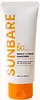 Key Ingredients
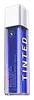
Benefits
Concerns
Ingredients Side-by-side
Water
Skin ConditioningButyl Methoxydibenzoylmethane
UV Absorber
Cetearyl Alcohol
Emollient




Titanium Dioxide
Cosmetic Colorant
Glycerin
Humectant


Cetyl Ethylhexanoate
EmollientCera Alba
Emollient
Butyrospermum Parkii Butter
Skin Conditioning
Potassium Cetyl Phosphate
EmulsifyingMethylene Bis-Benzotriazolyl Tetramethylbutylphenol
UV Filter
PEG-20 Stearate
Emulsifying
Niacinamide
Smoothing









Phenoxyethanol
Preservative
Butylene Glycol
Humectant
Carbomer
Emulsion StabilisingMethylparaben
Preservative

Allantoin
Skin Conditioning
CI 77492
Cosmetic ColorantTriethanolamine
BufferingDecyl Glucoside
Cleansing
Arctostaphylos Uva-Ursi Leaf Extract
Skin ConditioningAlumina
Abrasive
CI 77491
Cosmetic ColorantMorus Alba Fruit Extract
Antioxidant
3-O-Ethyl Ascorbic Acid
Skin Conditioning
Sorbitan Olivate
Emulsifying
Cetearyl Olivate
1,2-Hexanediol
Skin Conditioning
Propylene Glycol
Humectant
Zinc Oxide
Cosmetic Colorant
Alpha-Arbutin
Antioxidant
Xanthan Gum
EmulsifyingSaururus Chinensis Leaf/Root Extract
Antimicrobial
Taraxacum Officinale Leaf Extract
Skin ConditioningHydroxyacetophenone
Antioxidant
Fructose
Humectant
Sodium Hyaluronate
Humectant
Stephania Tetrandra Root Extract
Skin ConditioningPhosphatidylcholine
EmulsifyingTocopherol
Antioxidant
Ceramide NP
Skin Conditioning
Polyglyceryl-10 Oleate
Skin Conditioning
Glycyrrhiza Uralensis Root Extract
Skin Conditioning
Aloe Barbadensis Leaf Extract
Emollient
Portulaca Oleracea Flower/Leaf/Stem Extract
Antioxidant
Sodium Stearoyl Glutamate
CleansingAnthemis Nobilis Flower Extract
Masking
Pelargonium Graveolens Flower/Leaf/Stem Extract
MaskingGlyceryl Caprylate
EmollientWater, Butyl Methoxydibenzoylmethane, Cetearyl Alcohol, Titanium Dioxide, Glycerin, Cetyl Ethylhexanoate, Cera Alba, Butyrospermum Parkii Butter, Potassium Cetyl Phosphate, Methylene Bis-Benzotriazolyl Tetramethylbutylphenol, PEG-20 Stearate, Niacinamide, Phenoxyethanol, Butylene Glycol, Carbomer, Methylparaben, Allantoin, CI 77492, Triethanolamine, Decyl Glucoside, Arctostaphylos Uva-Ursi Leaf Extract, Alumina, CI 77491, Morus Alba Fruit Extract, 3-O-Ethyl Ascorbic Acid, Sorbitan Olivate, Cetearyl Olivate, 1,2-Hexanediol, Propylene Glycol, Zinc Oxide, Alpha-Arbutin, Xanthan Gum, Saururus Chinensis Leaf/Root Extract, Taraxacum Officinale Leaf Extract, Hydroxyacetophenone, Fructose, Sodium Hyaluronate, Stephania Tetrandra Root Extract, Phosphatidylcholine, Tocopherol, Ceramide NP, Polyglyceryl-10 Oleate, Glycyrrhiza Uralensis Root Extract, Aloe Barbadensis Leaf Extract, Portulaca Oleracea Flower/Leaf/Stem Extract, Sodium Stearoyl Glutamate, Anthemis Nobilis Flower Extract, Pelargonium Graveolens Flower/Leaf/Stem Extract, Glyceryl Caprylate
Aloe Barbadensis Leaf Juice
Skin Conditioning
Cyclopentasiloxane
Emollient
Zinc Oxide
Cosmetic Colorant
Titanium Dioxide
Cosmetic Colorant
Butylene Glycol
Humectant
Glycerin
Humectant
Silica
Abrasive
C12-15 Alkyl Benzoate
AntimicrobialGlycyrrhiza Glabra Root Extract
Bleaching
Centella Asiatica Extract
Cleansing
Styrene/Acrylates Copolymer
Tetrahexyldecyl Ascorbate
Antioxidant
Panthenol
Skin Conditioning
Oryza Sativa Bran Extract
Skin Conditioning
Niacinamide
Smoothing
Carnosine
Skin Conditioning
Alpha-Glucan Oligosaccharide
Cleansing
Dimethicone
Emollient
Aluminum Hydroxide
EmollientMagnesium Sulfate
Disteardimonium Hectorite
StabilisingEctoin
Skin Conditioning
Trimethylsiloxysilicate
Emollient
Stearic Acid
Cleansing
Hydroxyacetophenone
Antioxidant
Avena Sativa Kernel Extract
Abrasive
Rubus Idaeus Fruit Extract
AstringentPolyglutamic Acid
Skin Conditioning
Crithmum Maritimum Extract
Skin ConditioningCordyceps Sinensis Extract
Antioxidant
Propylene Carbonate
SolventIron Oxides
Spiraea Ulmaria Extract
AstringentLycium Barbarum Fruit Extract
Astringent
Ginkgo Biloba Leaf Extract
Skin Conditioning
Chondrus Crispus Extract
Skin Conditioning
Ubiquinone
Antioxidant
Quercetin
Antioxidant
Epigallocatechin Gallate
Antioxidant
Bisabolol
Antioxidant
Polyhydroxystearic Acid
Emulsifying
Astaxanthin
Skin Conditioning
Tocopheryl Acetate
Antioxidant
Phenoxyethanol
Preservative
Triethoxycaprylylsilane
Sodium Hyaluronate
Humectant
Sodium Hyaluronate Crosspolymer
Humectant
Hydrolyzed Sodium Hyaluronate
Skin Conditioning
Sodium Acetylated Hyaluronate
Humectant
Camellia Japonica Flower Extract
EmollientDimethicone/Vinyl Dimethicone Crosspolymer
Skin Conditioning
Pentaerythrityl Tetra-Di-T-Butyl Hydroxyhydrocinnamate
Antioxidant
Pentylene Glycol
Skin Conditioning
Ethylhexylglycerin
Skin ConditioningAloe Barbadensis Leaf Juice, Cyclopentasiloxane, Zinc Oxide, Titanium Dioxide, Butylene Glycol, Glycerin, Silica, C12-15 Alkyl Benzoate, Glycyrrhiza Glabra Root Extract, Centella Asiatica Extract, Styrene/Acrylates Copolymer, Tetrahexyldecyl Ascorbate, Panthenol, Oryza Sativa Bran Extract, Niacinamide, Carnosine, Alpha-Glucan Oligosaccharide, Dimethicone, Aluminum Hydroxide, Magnesium Sulfate, Disteardimonium Hectorite, Ectoin, Trimethylsiloxysilicate, Stearic Acid, Hydroxyacetophenone, Avena Sativa Kernel Extract, Rubus Idaeus Fruit Extract, Polyglutamic Acid, Crithmum Maritimum Extract, Cordyceps Sinensis Extract, Propylene Carbonate, Iron Oxides, Spiraea Ulmaria Extract, Lycium Barbarum Fruit Extract, Ginkgo Biloba Leaf Extract, Chondrus Crispus Extract, Ubiquinone, Quercetin, Epigallocatechin Gallate, Bisabolol, Polyhydroxystearic Acid, Astaxanthin, Tocopheryl Acetate, Phenoxyethanol, Triethoxycaprylylsilane, Sodium Hyaluronate, Sodium Hyaluronate Crosspolymer, Hydrolyzed Sodium Hyaluronate, Sodium Acetylated Hyaluronate, Camellia Japonica Flower Extract, Dimethicone/Vinyl Dimethicone Crosspolymer, Pentaerythrityl Tetra-Di-T-Butyl Hydroxyhydrocinnamate, Pentylene Glycol, Ethylhexylglycerin
Reviews
Ingredients Explained
These ingredients are found in both products.
Ingredients higher up in an ingredient list are typically present in a larger amount.
Butylene Glycol (or BG) is used within cosmetic products for a few different reasons:
Overall, Butylene Glycol is a safe and well-rounded ingredient that works well with other ingredients.
Though this ingredient works well with most skin types, some people with sensitive skin may experience a reaction such as allergic rashes, closed comedones, or itchiness.
Learn more about Butylene GlycolGlycerin (or glycerol) is a compound naturally found in your skin. It's a powerhouse humectant that pulls water into the stratum corneum.
Topically, glycerin does several things at once:
Your skin makes glycerin on its own (mostly from sebaceous oil breakdown) and shuttles it to your outermost layer of skin, or your epidermis, via aquaporin-3.
Aquaporin-3 is a transporter that is essential for normal skin hydration, elasticity, and repair. Interestingly, mice lacking in AQP3 have dry and less elastic skin that can be fully corrected with glycerin.
This ingredient is non-irritating, plays well with almost every ingredient, and works across all skin types. Typical use is anywhere between 3-10% but can go up to 79% in some leave-on products.
Just know very high concentrations (>40%) can feel tacky in low humidity.
Glycerin is the name for this ingredient in American English. British English uses Glycerol/Glycerine.
Learn more about GlycerinHydroxyacetophenone is antioxidant with skin conditioning and soothing properties. It also boosts the efficiency of preservatives.
Though naturally occuring in Norwegian spruce needles, this ingredient is usually synthetically created.
This ingredient is not irritating or sensitizing. Recent research also suggests it may have skin-brightening effects through tyrosinase inhibition.
Learn more about HydroxyacetophenoneNiacinamide is a multitasking form of vitamin B3 that strengthens the skin barrier, reduces pores and dark spots, regulates oil, and improves signs of aging.
And the best part? It's gentle and well-tolerated by most skin types, including sensitive and reactive skin.
You might have heard of "niacin flush", or the reddening of skin that causes itchiness. Niacinamide has not been found to cause this.
In very rare cases, some individuals may not be able to tolerate niacinamide at all or experience an allergic reaction to it.
If you are experiencing flaking, irritation, and dryness with this ingredient, be sure to double check all your products as this ingredient can be found in all categories of skincare.
When incorporating niacinamide into your routine, look out for concentration amounts. Typically, 5% niacinamide provides benefits such as fading dark spots. However, if you have sensitive skin, it is better to begin with a smaller concentration.
When you apply niacinamide to your skin, your body converts it into nicotinamide adenine dinucleotide (NAD). NAD is an essential coenzyme that is already found in your cells as "fuel" and powers countless biological processes.
In your skin, NAD helps repair cell damage, produce new healthy cells, support collagen production, strengthen the skin barrier, and fight environmental stressors (like UV and pollution).
Our natural NAD levels start to decline with age, leading to slower skin repair, visible aging, and a weaker skin barrier. By providing your skin niacinamide, you're recharging your skin's NAD levels. This leads to stronger, healthier, and younger looking skin.
Another name for vitamin B3 is nicotinamide. This vitamin is water-soluble and our bodies don't store it. We obtain Vitamin B3 from either food or skincare. Meat, fish, wheat, yeast, and leafy greens contain vitamin B3.
The type of niacinamide used in skincare is synthetically created.
Learn more about NiacinamidePhenoxyethanol is a preservative that has germicide, antimicrobial, and aromatic properties. Studies show that phenoxyethanol can prevent microbial growth. By itself, it has a scent that is similar to that of a rose.
It's often used in formulations along with Caprylyl Glycol to preserve the shelf life of products.
Sodium Hyaluronate is the salt form of hyaluronic acid. It is a long sugar chain that is naturally found in your skin, joints, and connective tissue that maintains hydration and elasticity.
In skincare, it works as a humectant. It pulls water from the environment and deeper layers of skin and binds it to the surface.
Interestingly, the size of the molecule affects its behavior:
Some clinical evidence links low molecular weight versions to improved wrinkle depth, elasticity, anti-inflammatory effects, and barrier repair.
Many serums use a blend of both weights so you can get surface hydration plus longer-lasting and deeper effects.
You'll typically see concentrations between 0.1-2% for this ingredient.
Learn more about Sodium HyaluronateTitanium dioxide is a mineral UV filter widely used in sunscreens and cosmetics.
It is one of only two UV filters officially classified as “mineral” by regulatory agencies, the other being zinc oxide.
Titanium dioxide provides broad-spectrum protection mostly in the UVB and UVAII range, with some protection in the UVAI range.
While its UVA protection isn’t as strong as zinc oxide’s, the difference is minor.
A common myth is that mineral UV filters reflect UV light. However, modern research shows titanium dioxide absorbs UV radiation like chemical filters (~95% absorption & 5% reflection).
Thanks to its non-irritating nature, titanium dioxide is suitable for sensitive, acne-prone, or redness-prone skin. It is unlikely to cause "eye sting" like other sunscreen ingredients.
A major drawback of this ingredient is its white cast and thick texture. This is why mineral sunscreens often leave a white cast and are less cosmetically elegant than chemical/hybrid sunscreens.
To improve white cast and spreadability, micronized or nano-sized titanium dioxide is often used.
There are ongoing concerns surrounding nano-titanium oxide's impact on marine ecosystems.
There is no conclusive evidence that any form of titanium oxide (or any other sunscreen ingredients) will cause harm to marine ecosystems or coral reefs. The science is still developing but many consumers are keeping a close eye on this issue.
Please note, many destinations have reef-safety sunscreen rules. For instance, the U.S. Virgin Islands advises all visitors to use non-nano mineral sunscreens.
Nano mineral sunscreens once raised safety concerns about absorption into skin.
Extensive research has shown that they do not penetrate healthy or damaged skin; they remain safely on the surface and the top layer of dead skin (stratum corneum).
You'll likely find titanium dioxide bundled with alumina, silica, or dimethicone. These ingredients help make titanium dioxide highly photostable; this prevents it from interacting with other formula components under UV light.
Learn more about Titanium DioxideZinc Oxide is a mineral broad-spectrum UV filter; it is the broadest UVA and UVB reflector approved by the FDA. It also has skin protectant and skin soothing properties.
Zinc oxide is one of the most effective broad-spectrum UV filters. It protects against UVB, UVAII, and UVAI. In comparison to its counterpart titanium dioxide, zinc oxide provides uniform and extended UVA protection.
Another great benefit? This ingredient is highly photostable so it won't degrade easily under sunlight.
A common myth is that mineral UV filters are widely believed to primarily reflect UV light.
However, modern research shows titanium dioxide absorbs UV radiation like chemical filters (~95% absorption & 5% reflection).
Zinc oxide has great skin soothing properties so you'll likely find this in sunscreens formulated for sensitive skin or babies/children. It is unlikely to cause "eye sting" like other sunscreen ingredients.
Regulatory agencies consider zinc oxide to be non-toxic and safe. It has also been shown to not penetrate the skin.
Unfortunately, this ingredient does leave a visible white cast. This is why mineral sunscreens are often less cosmetically elegant than chemical or hybrid ones.
In cosmetics, zinc oxide can be found in both non-nano and nano-sized forms. The nano version is used to reduce white cast and improve the texture of sunscreen formulas.
There are ongoing concerns surrounding nano-zinc oxide's impact on marine ecosystems and whether it can be absorbed into skin.
Regarding marine ecosystems and coral reefs, there is no conclusive evidence that any form of zinc oxide (or any other sunscreen ingredients) will cause harm. The science is still developing but many consumers are keeping a close eye on this issue.
Please note, many destinations have reef-safety sunscreen rules. For instance, the U.S. Virgin Islands advises all visitors to use non-nano mineral sunscreens.
There has also been some stir about whether micronized or nano zinc oxide has potential photoxicity and absorption through the skin/lungs.
An in-vitro (done in a test tube or petri dish) study demonstrated micronized zinc oxide to have potential phototoxicity. There's no need to fret; the EU Commission's Scientific Committee on Consumer Safety has stated, "The relevance of these findings needs to be clarified by appropriate investigations in vivo." Or in other words, further studies done on living organisms are needed to prove this.
Current research shows zinc oxide nanoparticles do not penetrate intact or sunburned skin. They either remain on the surface or in the outermost layer of dead skin (stratum corneum).
Zinc oxide is one of only two classified mineral UV filters with titanium dioxide being the other one.
Fun fact: Zinc has been used throughout history as an ingredient in paint and medicine. An Indian text from 500BC is believed to list zinc oxide as a salve for open wound. The Ancient Greek physician Dioscorides has also mentioned the use of zinc as an ointment in 1AD.
Learn more about Zinc Oxide
