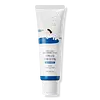
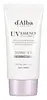
Round Lab Birch Juice Moisturizing UVLock Sunscreen SPF 45 Versus D'Alba UV Essence Waterfull Tone-Up Purple Correcting Sun Cream SPF 50+
This chemical sunscreen covers most of the UV range, lighter on the deep UVA that drives aging.
This hybrid sunscreen covers the full UV range and blocks ~98% of UVB at SPF 50.

What's inside
What's inside
 Key Ingredients
Benefits
Concerns
Ingredients Side-by-side
Butyl Methoxydibenzoylmethane 2.7%
UV Absorber
Homosalate 13.5%
Skin Conditioning
Ethylhexyl Salicylate 4.5%
UV Absorber
Water
Skin ConditioningButyloctyl Salicylate
Skin Conditioning
Propanediol
Solvent

Acrylates Copolymer
Butylene Glycol
Humectant
Caprylyl Methicone
Skin Conditioning
Polyglyceryl-3 Distearate
Emulsifying

Benzotriazolyl Dodecyl P-Cresol
UV AbsorberNiacinamide
Smoothing










Diethylhexyl 2,6-Naphthalate
EmollientPolymethylsilsesquioxane
Glycerin
Humectant
Calcium Aluminum Borosilicate
1,2-Hexanediol
Skin Conditioning
Poly C10-30 Alkyl Acrylate
Emulsion StabilisingPentylene Glycol
Skin Conditioning
Cetearyl Alcohol
Emollient




Tromethamine
BufferingMethylpropanediol
SolventGlyceryl Stearate Citrate
Emollient
Betula Platyphylla Japonica Juice
Skin Conditioning
Acrylates/C10-30 Alkyl Acrylate Crosspolymer
Emulsion StabilisingCarbomer
Emulsion StabilisingEthylhexylglycerin
Skin ConditioningArtemisia Annua Extract
Masking
Anthemis Nobilis Flower Oil
Masking



Sodium Stearoyl Glutamate
CleansingGlyceryl Polymethacrylate
Triethoxycaprylylsilane
Pinus Sylvestris Leaf Oil
Masking
Sparassis Crispa Extract
Emulsion StabilisingPolyether-1
Allantoin
Skin Conditioning
Dipropylene Glycol
HumectantGlyceryl Glucoside
Humectant
Biosaccharide Gum-1
Humectant
Tocopherol
Antioxidant

Portulaca Oleracea Extract
Skin Conditioning
Sodium Hyaluronate
Humectant
Hyaluronic Acid
Humectant
Ascorbic Acid
Antioxidant
Butyl Methoxydibenzoylmethane 2.7%, Homosalate 13.5%, Ethylhexyl Salicylate 4.5%, Water, Butyloctyl Salicylate, Propanediol, Acrylates Copolymer, Butylene Glycol, Caprylyl Methicone, Polyglyceryl-3 Distearate, Benzotriazolyl Dodecyl P-Cresol, Niacinamide, Diethylhexyl 2,6-Naphthalate, Polymethylsilsesquioxane, Glycerin, Calcium Aluminum Borosilicate, 1,2-Hexanediol, Poly C10-30 Alkyl Acrylate, Pentylene Glycol, Cetearyl Alcohol, Tromethamine, Methylpropanediol, Glyceryl Stearate Citrate, Betula Platyphylla Japonica Juice, Acrylates/C10-30 Alkyl Acrylate Crosspolymer, Carbomer, Ethylhexylglycerin, Artemisia Annua Extract, Anthemis Nobilis Flower Oil, Sodium Stearoyl Glutamate, Glyceryl Polymethacrylate, Triethoxycaprylylsilane, Pinus Sylvestris Leaf Oil, Sparassis Crispa Extract, Polyether-1, Allantoin, Dipropylene Glycol, Glyceryl Glucoside, Biosaccharide Gum-1, Tocopherol, Portulaca Oleracea Extract, Sodium Hyaluronate, Hyaluronic Acid, Ascorbic Acid
Water
Skin ConditioningPropanediol
Solvent
Butyloctyl Salicylate
Skin Conditioning
Titanium Dioxide
Cosmetic Colorant
Dibutyl Adipate
EmollientDicaprylyl Carbonate
EmollientDiethylamino Hydroxybenzoyl Hexyl Benzoate
UV Filter
Polysilicone-15
UV Filter
Niacinamide
Smoothing
Diisopropyl Sebacate
EmollientDiphenylsiloxy Phenyl Trimethicone
Skin Conditioning
2,3-Butanediol
HumectantEthylhexyl Triazone
UV Absorber
1,2-Hexanediol
Skin Conditioning
Pentylene Glycol
Skin Conditioning
Tuber Magnatum Extract
Skin ConditioningTocopherol
Antioxidant
Coccinia Indica Fruit Extract
Skin Conditioning
Eclipta Prostrata Extract
Skin Conditioning
Stellaria Media Extract
Skin ConditioningPortulaca Oleracea Extract
Skin Conditioning
Houttuynia Cordata Extract
Skin Conditioning
Lavandula Angustifolia Flower Extract
Cleansing
Adansonia Digitata Leaf Extract
Skin ConditioningCentella Asiatica Extract
Cleansing
Buddleja Davidii Extract
Skin ConditioningOlea Europaea Leaf Extract
Perfuming
Thymus Vulgaris Extract
Perfuming
Citrus Aurantium Dulcis Oil
Masking
Simmondsia Chinensis Seed Oil
Emollient
Citrus Nobilis Peel Oil
Masking
Litsea Cubeba Fruit Oil
Masking
Salvia Officinalis Leaf Water
MaskingCentaurea Cyanus Flower Water
Skin Conditioning
Butylene Glycol
Humectant
Polymethylsilsesquioxane
Coco-Caprylate/Caprate
Emollient
Methylpropanediol
SolventVp/Eicosene Copolymer
Polyglyceryl-2 Caprate
EmulsifyingGlycerin
Humectant
Polyhydroxystearic Acid
Emulsifying
Sucrose Stearate
EmollientAmmonium Acryloyldimethyltaurate/Vp Copolymer
Polyacrylate Crosspolymer-6
Emulsion StabilisingInulin Lauryl Carbamate
Emulsion StabilisingHydroxypropyl Methylcellulose Stearoxy Ether
Stearic Acid
Cleansing
Ethylhexylglycerin
Skin ConditioningAlumina
Abrasive
Glyceryl Caprylate
EmollientAluminum Hydroxide
EmollientTriethoxycaprylylsilane
Xanthan Gum
EmulsifyingAdenosine
Skin Conditioning
Squalane
Emollient
Polyether-1
Lactobacillus Ferment
Skin Conditioning
Glutathione
Allantoin
Skin Conditioning
Panthenol
Skin Conditioning
Caesalpinia Spinosa Gum
Skin ConditioningBiosaccharide Gum-1
Humectant
Hydrolyzed Hyaluronic Acid
Humectant
Maltodextrin
Absorbent
Wine
Skin ConditioningUltramarines
Limonene
Perfuming
Water, Propanediol, Butyloctyl Salicylate, Titanium Dioxide, Dibutyl Adipate, Dicaprylyl Carbonate, Diethylamino Hydroxybenzoyl Hexyl Benzoate, Polysilicone-15, Niacinamide, Diisopropyl Sebacate, Diphenylsiloxy Phenyl Trimethicone, 2,3-Butanediol, Ethylhexyl Triazone, 1,2-Hexanediol, Pentylene Glycol, Tuber Magnatum Extract, Tocopherol, Coccinia Indica Fruit Extract, Eclipta Prostrata Extract, Stellaria Media Extract, Portulaca Oleracea Extract, Houttuynia Cordata Extract, Lavandula Angustifolia Flower Extract, Adansonia Digitata Leaf Extract, Centella Asiatica Extract, Buddleja Davidii Extract, Olea Europaea Leaf Extract, Thymus Vulgaris Extract, Citrus Aurantium Dulcis Oil, Simmondsia Chinensis Seed Oil, Citrus Nobilis Peel Oil, Litsea Cubeba Fruit Oil, Salvia Officinalis Leaf Water, Centaurea Cyanus Flower Water, Butylene Glycol, Polymethylsilsesquioxane, Coco-Caprylate/Caprate, Methylpropanediol, Vp/Eicosene Copolymer, Polyglyceryl-2 Caprate, Glycerin, Polyhydroxystearic Acid, Sucrose Stearate, Ammonium Acryloyldimethyltaurate/Vp Copolymer, Polyacrylate Crosspolymer-6, Inulin Lauryl Carbamate, Hydroxypropyl Methylcellulose Stearoxy Ether, Stearic Acid, Ethylhexylglycerin, Alumina, Glyceryl Caprylate, Aluminum Hydroxide, Triethoxycaprylylsilane, Xanthan Gum, Adenosine, Squalane, Polyether-1, Lactobacillus Ferment, Glutathione, Allantoin, Panthenol, Caesalpinia Spinosa Gum, Biosaccharide Gum-1, Hydrolyzed Hyaluronic Acid, Maltodextrin, Wine, Ultramarines, Limonene
Reviews
Ingredients Explained
These ingredients are found in both products.
Ingredients higher up in an ingredient list are typically present in a larger amount.
1,2-Hexanediol is a synthetic liquid and another multi-functional powerhouse.
It is a:
- Humectant, drawing moisture into the skin
- Emollient, helping to soften skin
- Solvent, dispersing and stabilizing formulas
- Preservative booster, enhancing the antimicrobial activity of other preservatives
Allantoin is a soothing ingredient known for its protective and moisturizing properties; it's basically a quiet workhorse ingredient you can find in a huge range of cosmetics.
Though it can be derived from the comfrey plant, allantoin is produced synthetically for cosmetic products to ensure purity.
Research shows it can encourage your skin cells to turn over and renew by stimulating keratinocyte and fibroblast proliferation.
It also has mild keratolytic properties to help loosen and shed dead skin cells without being harsh.
Studies also suggest allantoin can help calm inflammation by dialing down some of the chemical signals your skin sends out when it is irritated.
This ingredient is typically used in the 0.1-0.5% range, and the FDA recognizes it as a skin protectant in OTC products up to 2%.
Overall, allantoin is a wonderful addition to most routines; it is stable across a wide pH range (~4-8), works well with other ingredients, and is considered non-sensitizing/non-irritating.
Fun fact: Allantoin is naturally occurring in comfrey root, beets, chamomile, and wheat sprouts. Our bodies even produce it as a byproduct of uric acid metabolism.
Learn more about AllantoinBiosaccharide Gum-1 is a sugar created by fermenting sorbitol (which usually comes from potato starch!). It is known for its soothing and moisturizing properties.
Manufacturer tests show this ingredient helped reduce irritation from lactic acid by almost half and kept skin hydrated long-term as a humectant
Beyond hydration, Biosaccharide Gum-1 gives formulas a silky, non-sticky feel.
This ingredient is gentle, versatile, and suitable for all skin types.
Fun fact: Similar sugars can be found naturally in fruits like apples and pears.
Learn more about Biosaccharide Gum-1Butylene Glycol (or BG) is used within cosmetic products for a few different reasons:
Overall, Butylene Glycol is a safe and well-rounded ingredient that works well with other ingredients.
Though this ingredient works well with most skin types, some people with sensitive skin may experience a reaction such as allergic rashes, closed comedones, or itchiness.
Learn more about Butylene GlycolButyloctyl Salicylate is a chemical UV filter structurally similar to octisalate. It is a photostabilizer, SPF booster, emollient and solvent. This ingredient helps evenly spread out ingredients.
According to a manufacturer, it is suitable for pairing with micro Titanium Dioxide, Zinc Oxide, and pigments.
Photostabilizers help stabilize UV-filters and prevents them from degrading quickly.
Learn more about Butyloctyl SalicylateEthylhexylglycerin is created from glycerin. It is a multitasker ingredient that:
The CIR Expert Panel found minimal skin absorption or sensitization of any kind in a safety assessment. Though this ingredient is considered well-tolerated, a small number of cases of allergic dermatitis have been published since 2002. Just be sure to patch test if you are unsure.
Industry-reported use ranges from 8% in rinse-off products and 2% in leave-on formulations.
Learn more about EthylhexylglycerinGlycerin (or glycerol) is a compound naturally found in your skin. It's a powerhouse humectant that pulls water into the stratum corneum.
Topically, glycerin does several things at once:
Your skin makes glycerin on its own (mostly from sebaceous oil breakdown) and shuttles it to your outermost layer of skin, or your epidermis, via aquaporin-3.
Aquaporin-3 is a transporter that is essential for normal skin hydration, elasticity, and repair. Interestingly, mice lacking in AQP3 have dry and less elastic skin that can be fully corrected with glycerin.
This ingredient is non-irritating, plays well with almost every ingredient, and works across all skin types. Typical use is anywhere between 3-10% but can go up to 79% in some leave-on products.
Just know very high concentrations (>40%) can feel tacky in low humidity.
Glycerin is the name for this ingredient in American English. British English uses Glycerol/Glycerine.
Learn more about GlycerinMethylpropanediol is a synthetic solvent and humectant.
As a solvent, it helps dissolve other ingredients, helping to evenly distribute ingredients throughout the product. This ingredient has also been shown to have antimicrobial properties which makes it a preservative booster.
Methylpropanediol is able to add a bit of moisture to the skin. It also helps other ingredients be better absorbed into the skin, such as salicylic acid.
Learn more about MethylpropanediolNiacinamide is a multitasking form of vitamin B3 that strengthens the skin barrier, reduces pores and dark spots, regulates oil, and improves signs of aging.
And the best part? It's gentle and well-tolerated by most skin types, including sensitive and reactive skin.
You might have heard of "niacin flush", or the reddening of skin that causes itchiness. Niacinamide has not been found to cause this.
In very rare cases, some individuals may not be able to tolerate niacinamide at all or experience an allergic reaction to it.
If you are experiencing flaking, irritation, and dryness with this ingredient, be sure to double check all your products as this ingredient can be found in all categories of skincare.
When incorporating niacinamide into your routine, look out for concentration amounts. Typically, 5% niacinamide provides benefits such as fading dark spots. However, if you have sensitive skin, it is better to begin with a smaller concentration.
When you apply niacinamide to your skin, your body converts it into nicotinamide adenine dinucleotide (NAD). NAD is an essential coenzyme that is already found in your cells as "fuel" and powers countless biological processes.
In your skin, NAD helps repair cell damage, produce new healthy cells, support collagen production, strengthen the skin barrier, and fight environmental stressors (like UV and pollution).
Our natural NAD levels start to decline with age, leading to slower skin repair, visible aging, and a weaker skin barrier. By providing your skin niacinamide, you're recharging your skin's NAD levels. This leads to stronger, healthier, and younger looking skin.
Another name for vitamin B3 is nicotinamide. This vitamin is water-soluble and our bodies don't store it. We obtain Vitamin B3 from either food or skincare. Meat, fish, wheat, yeast, and leafy greens contain vitamin B3.
The type of niacinamide used in skincare is synthetically created.
Learn more about NiacinamidePentylene Glycol (1,2-pentanediol) is a multitasking little diol with three main roles in a formula:
Research on alkanediols (the family pentylene glycol belongs to) show they work by disrupting microbial cell membranes. This disruption helps the primary preservative system in a product work more effectively at lower doses.
On the safety side, the Cosmetic Ingredient Review Expert Panel has concluded this ingredient to be safe as used in current cosmetic practices + concentrations.
Typical use levels in a formula run about 1-5%.
Learn more about Pentylene GlycolWe don't have a description for Polyether-1 yet.
Polymethylsilsesquioxane is a silicone used as a film forming agent.
When applied to the skin, this ingredient creates an invisible film on the surface. This film still allows oxygen to pass through, but prevents moisture from escaping. This can help condition and hydrate the skin. It also leaves a silky feel when applied.
Polymethylsilsesquioxane has not been shown to clog pores. It has been deemed safe to use up to 55%, but most cosmetics use much less.
If you have concerns about using this ingredient, we recommend speaking with a professional.
Learn more about PolymethylsilsesquioxaneThis extract comes from Purslane, a succulent. It has anti-inflammatory, antioxidant, and hydrating properties.
Purslane is very nutritious. It contains omega-3 fatty acids, NMFs, many vitamins, minerals, and antioxidants. The vitamins found in purslane include: Vitamin C, Vitamin A, and Vitamin E.
Fun fact: Purslane is a succulent with an extensive habitat. It is used in traditional Korean medicine to treat irritated skin.
Nowadays, purslane is becoming a superfood due to its highly nutritious content.
Learn more about Portulaca Oleracea ExtractPropanediol is an all-star ingredient. It softens, hydrates, and smooths the skin.
It’s often used to:
Propanediol is not likely to cause sensitivity and considered safe to use. It is derived from corn or petroleum with a clear color and no scent.
Learn more about PropanediolTocopherol is a fat-soluble antioxidant known as Vitamin E.
You'll find this ingredient in the vast majority of skincare (for good reason). It works to neutralize free radicals, or unstable molecules generated by UV exposure, pollution, and other environmental stressors, before they can cause oxidative damage to your skin cells.
Topically applied tocopherol has been shown to protect against UV damage by ramping up the skin's own natural defense enzymes.
It also acts as a skin conditioning agent; some studies show that regular topical use can improve the skin's water-binding capacity over 2-4 weeks.
This ingredient is especially loved for being a team player. When combined with Vitamin C, the photoprotective effect of both ingredients roughly doubles and the combo also helps reduce UV-induced DNA damage.
This ingredient has some brightening potential but it's more of a prevention ingredient than spot-fader. Cell studies show it can slow down melanin production but it's worth noting that it's not the most powerful brightener out there.
In formulations, it also serves as a stabilizer that helps protect other oxidation-prone ingredients from degrading.
Concentrations usually range from 0.1-1% in most leave-on products.
Learn more about TocopherolTriethoxycaprylylsilane is a silicon-based surface modifier that makes sunscreens feel silky and makeup stay put.
Its main job is to coat mineral particles like titanium dioxide, zinc oxide, and color pigments in a thin, oily layer so they spread smoothly, don't clump, and stick to skin better.
This ingredient is typically used at low levels (up to 2.5% in eyeshadow and 1% in lipstick).
Learn more about TriethoxycaprylylsilaneWater. It's the most common cosmetic ingredient of all. You'll usually see it at the top of ingredient lists, meaning that it makes up the largest part of the product.
So why is it so popular? Water most often acts as a solvent - this means that it helps dissolve other ingredients into the formulation.
You'll also recognize water as that liquid we all need to stay alive. If you see this, drink a glass of water. Remember to stay hydrated!
Learn more about Water

