
What's inside
What's inside
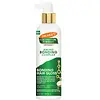 Key Ingredients
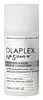
Benefits
Concerns
Ingredients Side-by-side
Water
Skin ConditioningCocos Nucifera Fruit Extract
Emollient


Propylene Glycol
Humectant

Behentrimonium Chloride
Preservative
Cocos Nucifera Oil
Masking



Persea Gratissima Oil
Skin Conditioning
Cetearyl Alcohol
Emollient
Helianthus Annuus Seed Oil
Emollient
Pentaerythrityl Tetraethylhexanoate
Emollient
Arginine
Masking
Biotin
AntiseborrhoeicCocoyl Hydrolyzed Collagen
Cleansing
Hydrolyzed Vegetable Protein
Skin ConditioningTocopherol
Antioxidant





Tocopheryl Acetate
Antioxidant
Ceramide NP
Skin Conditioning

Simmondsia Chinensis Seed Oil
Emollient
Azadirachta Indica Seed Oil
Skin Conditioning
Glycerin
Humectant
Gardenia Taitensis Flower Extract
Skin ConditioningIsopropyl Alcohol
Solvent


Caprylyl Glycol
Emollient
Oleth-20
CleansingEthyl Lauroyl Arginate Hcl
Skin ConditioningCetrimonium Chloride
Antimicrobial
Sodium Benzoate
Masking
Parfum
Masking
Coumarin
Perfuming
Benzyl Benzoate
Antimicrobial
Water, Cocos Nucifera Fruit Extract, Propylene Glycol, Behentrimonium Chloride, Cocos Nucifera Oil, Persea Gratissima Oil, Cetearyl Alcohol, Helianthus Annuus Seed Oil, Pentaerythrityl Tetraethylhexanoate, Arginine, Biotin, Cocoyl Hydrolyzed Collagen, Hydrolyzed Vegetable Protein, Tocopherol, Tocopheryl Acetate, Ceramide NP, Simmondsia Chinensis Seed Oil, Azadirachta Indica Seed Oil, Glycerin, Gardenia Taitensis Flower Extract, Isopropyl Alcohol, Caprylyl Glycol, Oleth-20, Ethyl Lauroyl Arginate Hcl, Cetrimonium Chloride, Sodium Benzoate, Parfum, Coumarin, Benzyl Benzoate
Water
Skin ConditioningCetearyl Alcohol
Emollient
Astrocaryum Murumuru Seed Butter
Emollient
Propanediol
Solvent
Behentrimonium Chloride
Preservative
Glycerin
Humectant
Cetyl Alcohol
Emollient
Isoamyl Laurate
Emollient
Squalane
Emollient
Bis-Aminopropyl Diglycol Dimaleate
Skin ConditioningBrassicyl Valinate Esylate
EmollientCetyl Esters
Emollient
Pentylene Glycol
Skin Conditioning
Phenethyl Benzoate
Emollient
Brassica Campestris/Aleurites Fordi Oil Copolymer
Skin Conditioning
Hydroxypropyl Guar Hydroxypropyltrimonium Chloride
Caprylic/Capric Triglyceride
Masking
Cetrimonium Chloride
Antimicrobial
Caesalpinia Spinosa Gum
Skin ConditioningFructooligosaccharides
Humectant
Beta Vulgaris Root Extract
Skin ConditioningSodium PCA
Humectant
Hydroxypropyl Starch Phosphate
Guar Hydroxypropyltrimonium Chloride
Skin ConditioningSodium Lactate
Buffering
Hydrogenated Ethylhexyl Olivate
EmollientCalcium Gluconate
HumectantArgania Spinosa Kernel Oil
Emollient
Caprylyl Glycol
Emollient
Cocos Nucifera Oil
Masking
Panthenol
Skin Conditioning
Arginine
Masking
Ethylhexylglycerin
Skin ConditioningOryza Sativa Bran Extract
Skin Conditioning
Sodium Phytate
ChelatingAspartic Acid
Masking
Potassium Lactate
BufferingXimenia Americana Seed Oil
Emollient
PCA
Humectant
Hydrogenated Olive Oil Unsaponifiables
Emollient
Butylene Glycol
Humectant
Lactic Acid
Buffering


Raphanus Sativus Seed Extract
Skin ConditioningOctyldodecyl Oleate
Emollient
Octyldodecanol
Emollient
Helianthus Annuus Extract
Emollient
Propylene Glycol
Humectant
Glycine
Buffering
Citric Acid
Buffering
Alanine
Masking
Algin
MaskingCoco-Glucoside
Cleansing
Sorbitan Oleate
Emulsifying
Serine
Masking
Tocopherol
Antioxidant
Rosmarinus Officinalis Leaf Extract
AntimicrobialValine
MaskingCarrageenan
Chitosan
Xanthan Gum
EmulsifyingIsoleucine
Skin ConditioningProline
Skin Conditioning
Threonine
Histidine
Humectant
Phenylalanine
Masking
Magnolia Officinalis Bark Extract
Antimicrobial
Betula Alba Bark Extract
Masking
Crambe Maritima Extract
Skin ProtectingUlmus Fulva Bark Extract
MoisturisingCaesalpinia Spinosa Fruit Extract
Skin ProtectingSodium Hyaluronate
Humectant
Hydrolyzed Ceratonia Siliqua Seed Extract
Skin ConditioningZea Mays Starch
Absorbent
Helianthus Annuus Sprout Extract
Skin ConditioningPolyquaternium-7
Sodium Hydroxide
BufferingPhenoxyethanol
Preservative
Sodium Benzoate
Masking
Potassium Sorbate
Preservative
Parfum
Masking
Hexyl Cinnamal
Perfuming
Limonene
Perfuming
Citral
Perfuming
Linalool
Perfuming
Citronellol
Perfuming
Water, Cetearyl Alcohol, Astrocaryum Murumuru Seed Butter, Propanediol, Behentrimonium Chloride, Glycerin, Cetyl Alcohol, Isoamyl Laurate, Squalane, Bis-Aminopropyl Diglycol Dimaleate, Brassicyl Valinate Esylate, Cetyl Esters, Pentylene Glycol, Phenethyl Benzoate, Brassica Campestris/Aleurites Fordi Oil Copolymer, Hydroxypropyl Guar Hydroxypropyltrimonium Chloride, Caprylic/Capric Triglyceride, Cetrimonium Chloride, Caesalpinia Spinosa Gum, Fructooligosaccharides, Beta Vulgaris Root Extract, Sodium PCA, Hydroxypropyl Starch Phosphate, Guar Hydroxypropyltrimonium Chloride, Sodium Lactate, Hydrogenated Ethylhexyl Olivate, Calcium Gluconate, Argania Spinosa Kernel Oil, Caprylyl Glycol, Cocos Nucifera Oil, Panthenol, Arginine, Ethylhexylglycerin, Oryza Sativa Bran Extract, Sodium Phytate, Aspartic Acid, Potassium Lactate, Ximenia Americana Seed Oil, PCA, Hydrogenated Olive Oil Unsaponifiables, Butylene Glycol, Lactic Acid, Raphanus Sativus Seed Extract, Octyldodecyl Oleate, Octyldodecanol, Helianthus Annuus Extract, Propylene Glycol, Glycine, Citric Acid, Alanine, Algin, Coco-Glucoside, Sorbitan Oleate, Serine, Tocopherol, Rosmarinus Officinalis Leaf Extract, Valine, Carrageenan, Chitosan, Xanthan Gum, Isoleucine, Proline, Threonine, Histidine, Phenylalanine, Magnolia Officinalis Bark Extract, Betula Alba Bark Extract, Crambe Maritima Extract, Ulmus Fulva Bark Extract, Caesalpinia Spinosa Fruit Extract, Sodium Hyaluronate, Hydrolyzed Ceratonia Siliqua Seed Extract, Zea Mays Starch, Helianthus Annuus Sprout Extract, Polyquaternium-7, Sodium Hydroxide, Phenoxyethanol, Sodium Benzoate, Potassium Sorbate, Parfum, Hexyl Cinnamal, Limonene, Citral, Linalool, Citronellol
Ingredients Explained
These ingredients are found in both products.
Ingredients higher up in an ingredient list are typically present in a larger amount.
Arginine is a semi-essential amino acid. This just means our bodies can product a bit on its own, but sometimes needs a little boost from food sources.
It is a part of your skin's natural moisturizing factor (NMF), or the water-loving molecules in your outermost layer of skin (stratum corneum) that keeps everything hydrated and happy.
Here's an interesting thing about Arginine: your skin converts it into urea through the Krebs-Henseleit urea cycle. Urea is one of the most effective humectants your skin naturally produces.
A clinical study showed applying 2.5% arginine hydrochloride to atopic dermatitis skin showed significant urea levels in the stratum corneum and improved moisture in just four weeks.
Arginine is also a precursor to nitric oxide; nitric oxide improves microcirculation and supports wound healing and collagen synthesis.
One study found that an amino acid complex containing Arginine reduced skin irritation, improved hydration, and accelerated skin repair in clinical / in-vivo studies.
Arginine itself is an amino acid and not a fatty acid, oil, or ester. On its own, it's not a direct food source for Malassezia, or the yeast that causes fungal acne.
Learn more about ArginineThis ingredient is a preservative and often used for it's anti-static properties. You'll most likely see this ingredient in hair conditioners.
It does not cause irritation or sensitization in leave-on products at 1-5%.
Caprylyl Glycol is a humectant, skin conditioner, emollient, and preservative booster derived from either caprylic acid or synthetically created.
Typical use levels vary from 0.3-1% as a preservative booster and go up to 2% to condition skin.
Because it is not a free-fatty acid, this ingredient is fungal acne safe (there's nothing for Malassezia to feed on).
Learn more about Caprylyl GlycolCetearyl alcohol is a waxy mixture of two fatty alcohols: cetyl alcohol and stearyl alcohol. It is an emollient and emulsifier.
Despite having "alcohol" in its name, it has nothing to do with drying solvent alcohols; the FDA also allows "alcohol-free" products to contain fatty alcohols like this ingredient.
It plays several roles in a formula:
Typical use levels for this ingredient sit around 1-10% and the Cosmetic Ingredient Review Expert Panel has affirmed safety at concentrations up to 25% in leave-on products.
Multiple assessments have found it to be non-irritating and non-sensitizing to most people.
However, there have been some cases of allergic contact dermatitis in patients with chronically compromised skin barriers.
Cetearyl alcohol has a comedogenic rating of 2 and irritancy rating of 1. Both of these numbers come from the 1989 study that used rabbit ears; a "2" means mildly comedogenic and a "1" means low irritancy.
Here's the catch: rabbit skin is more sensitive than human skin and throws a lot of false positives. A 1996 reappraisal found that ingredients rated 1-2 in the rabbit ear tests are generally safe for humans.
Remember comedogenic ratings are unable to assess the entire formula of a product or how it will react on your skin. Just be sure to patch test if you are unsure about certain ingredients.
This ingredient is not fungal acne safe. Cetearyl alcohol is a fatty alcohol with chain lengths that fall within the range that Malassezia can metabolize.
A 2019 study has also observed Malassezia growth in the presence of this ingredient, confirming it to be not-fungal acne safe.
Learn more about Cetearyl AlcoholThis ingredient is a preservative, antimicrobial, and emulsifier. It is often used in cosmetics for its ability to cleanse, condition, and reduce static.
Cetrimonium chloride is a quaternary ammonium salt, meaning it has a water-soluble structure.
This ingredient is also known as coconut oil. It is a plant-derived ingredient with skin conditioning properties.
The fatty acid profile of coconut oil is mostly lauric acid (~54%), followed by capric, caprylic, palmitic, and myristic acids. This profile allows it to penetrate easily into skin, moisturize, and improve dry skin.
A double-blind study confirmed that extra virgin coconut oil is as effective as mineral oil for treating very dry skin. Another study found it outperformed mineral oil for mild to moderate atopic dermatitis in children.
Another study from 2018 found that virgin coconut oil can soothe inflammation and boost key skin barrier proteins. Just know this evidence is still only from lab settings and not human trials.
It has also been shown to reduce Staphylococcus aureus, a bacteria that commonly overgrows in people with eczema.
Clinical testing shows very minimal skin irritation and no evidence of sensitization or phototoxicity.
Coconut oil gets flagged as a "fragrance" because it has a natural mild scent (not because it's a synthetic perfume). The European Cosmetic ingredient database also lists "perfuming" as a function of this ingredient.
Just so you know, the term "fragrance" is completely unregulated. Some brands still use botanical extracts or essential oils in their "fragrance-free" formulas, but regulatory databases technically classify these under "fragrance".
Coconut oil has a tiny and useless bit of natural SPF. Early lab studies clocked it around SPF 7-8 but a more recent study found the real number closer to SPF 1.2. It also offers no meaningful UVA protection (SPF only overs UVB rays).
The comedogenic rating of 4/5 means it has a high potential to clog pores; but it's worth noting that comedogenicity is highly individual and ratings cannot predict how an overall formula will behave on skin.
Since lauric acid is the dominant fatty acid, this ingredient may not be fungal acne safe. The Malassezia yeast feeds on fatty acids with carbon chain lengths between 11-24, and lauric acid falls within these lengths (C12).
Learn more about Cocos Nucifera OilGlycerin (or glycerol) is a compound naturally found in your skin. It's a powerhouse humectant that pulls water into the stratum corneum.
Topically, glycerin does several things at once:
Your skin makes glycerin on its own (mostly from sebaceous oil breakdown) and shuttles it to your outermost layer of skin, or your epidermis, via aquaporin-3.
Aquaporin-3 is a transporter that is essential for normal skin hydration, elasticity, and repair. Interestingly, mice lacking in AQP3 have dry and less elastic skin that can be fully corrected with glycerin.
This ingredient is non-irritating, plays well with almost every ingredient, and works across all skin types. Typical use is anywhere between 3-10% but can go up to 79% in some leave-on products.
Just know very high concentrations (>40%) can feel tacky in low humidity.
Glycerin is the name for this ingredient in American English. British English uses Glycerol/Glycerine.
Learn more about GlycerinParfum is a catch-all term for an ingredient or more that is used to give a scent to products.
Also called "fragrance", this ingredient can be a blend of hundreds of chemicals or plant oils. This means every product with "fragrance" or "parfum" in the ingredients list is a different mixture.
For instance, Habanolide is a proprietary trade name for a specific aroma chemical. When used as a fragrance ingredient in cosmetics, most aroma chemicals fall under the broad labeling category of “FRAGRANCE” or “PARFUM” according to EU and US regulations.
The term 'parfum' or 'fragrance' is not regulated in many countries. In many cases, it is up to the brand to define this term.
For instance, many brands choose to label themselves as "fragrance-free" because they are not using synthetic fragrances. However, their products may still contain ingredients such as essential oils that are considered a fragrance by INCI standards.
One example is Calendula flower extract. Calendula is an essential oil that still imparts a scent or 'fragrance'.
Depending on the blend, the ingredients in the mixture can cause allergies and sensitivities on the skin. Some ingredients that are known EU allergens include linalool and citronellol.
Parfum can also be used to mask or cover an unpleasant scent.
The bottom line is: not all fragrances/parfum/ingredients are created equally. If you are worried about fragrances, we recommend taking a closer look at an ingredient. And of course, we always recommend speaking with a professional.
Learn more about ParfumPropylene Glycol is a synthetic, colorless, odorless liquid that has been a staple in cosmetics for decades. It is a skin conditioning agent, humectant, and solvent.
As a humectant, it draw water to the skin to reduce flaking and restore suppleness. It's also a solvent that helps dissolve other actives and keeps formulas stable across temperature changes.
The CIR Expert Panel has confirmed this ingredient to be nontoxic and clinical studies show no sensitization at cosmetic use concentrations.
True allergic reactions are quite rare: a 15-year retrospective study of 6,751 patients found only 0.31% had a positive reaction (and less than half were considered clinically relevant).
It seemed that when sensitization does occur, it's most commonly linked to topical medication (like corticosteroids) and not cosmetics. Allergic contact dermatitis also appears largely limited to individuals with underlying skin conditions.
Overall, propylene glycol is a well-studied ingredient that most people can tolerate without issue.
Learn more about Propylene GlycolSodium Benzoate is a preservative. It's used in both cosmetic and food products to inhibit the growth of mold and bacteria. It is typically produced synthetically.
Both the US FDA and EU Health Committee have approved the use of sodium benzoate. In the US, levels of 0.1% (of the total product) are allowed.
Sodium benzoate works as a preservative by inhibiting the growth of bacteria inside of cells. It prevents the cell from fermenting a type of sugar using an enzyme called phosphofructokinase.
It is the salt of benzoic acid. Foods containing sodium benzoate include soda, salad dressings, condiments, fruit juices, wines, and snack foods.
Studies for using ascorbic acid and sodium benzoate in cosmetics are lacking, especially in skincare routines with multiple steps.
We always recommend speaking with a professional, such as a dermatologist, if you have any concerns.
Learn more about Sodium BenzoateTocopherol is a fat-soluble antioxidant known as Vitamin E.
You'll find this ingredient in the vast majority of skincare (for good reason). It works to neutralize free radicals, or unstable molecules generated by UV exposure, pollution, and other environmental stressors, before they can cause oxidative damage to your skin cells.
Topically applied tocopherol has been shown to protect against UV damage by ramping up the skin's own natural defense enzymes.
It also acts as a skin conditioning agent; some studies show that regular topical use can improve the skin's water-binding capacity over 2-4 weeks.
This ingredient is especially loved for being a team player. When combined with Vitamin C, the photoprotective effect of both ingredients roughly doubles and the combo also helps reduce UV-induced DNA damage.
This ingredient has some brightening potential but it's more of a prevention ingredient than spot-fader. Cell studies show it can slow down melanin production but it's worth noting that it's not the most powerful brightener out there.
In formulations, it also serves as a stabilizer that helps protect other oxidation-prone ingredients from degrading.
Concentrations usually range from 0.1-1% in most leave-on products.
Learn more about TocopherolWater. It's the most common cosmetic ingredient of all. You'll usually see it at the top of ingredient lists, meaning that it makes up the largest part of the product.
So why is it so popular? Water most often acts as a solvent - this means that it helps dissolve other ingredients into the formulation.
You'll also recognize water as that liquid we all need to stay alive. If you see this, drink a glass of water. Remember to stay hydrated!
Learn more about Water

