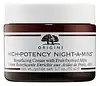
This brightening night moisturizer is formulated around Squalane and Lactic Acid to brighten dull-looking skin and hydrate skin.
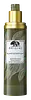
This anti-aging serum is formulated around Niacinamide and Acetyl Hexapeptide-8 to soften the look of wrinkles and refine skin texture.

What's inside
What's inside
 Key Ingredients
Benefits
Concerns
Ingredients Side-by-side
Water
Skin ConditioningMethyl Trimethicone
Skin Conditioning
Squalane
Emollient


Caprylic/Capric Triglyceride
Masking
Polysorbate 40
Emulsifying

Cetyl Alcohol
Emollient
Butylene Glycol
Humectant
Dimethicone
Emollient
Myristyl Alcohol
Emollient


PEG-100 Stearate
Surfactant
Jojoba Esters
Emollient
Glycerin
Humectant
Citrus Aurantium Amara Peel Oil
Skin Conditioning

Citrus Aurantium Dulcis Peel Oil
Masking
Citrus Aurantium Amara Flower Oil
Masking
Cinnamomum Zeylanicum Leaf Oil
Masking


Valeriana Officinalis Root Oil
Masking
Ferula Galbaniflua Resin Oil
Antimicrobial
Citrus Aurantium Dulcis Fruit Extract
MaskingVanilla Planifolia Fruit Extract
Skin Conditioning
Limonene
Perfuming
Linalool
Perfuming
Citral
Perfuming
Citronellol
Perfuming
Coffea Arabica Seed Extract
Masking
Citric Acid
Buffering

Tartaric Acid
Buffering
Lactic Acid
Buffering



Salicylic Acid
Masking



Biotin
AntiseborrhoeicCastanea Sativa Seed Extract
Skin ConditioningTocopheryl Acetate
Antioxidant

Magnesium Ascorbyl Phosphate
Antioxidant

CI 77220
Cosmetic ColorantAloe Barbadensis Leaf Juice
Skin Conditioning
Sucrose
Humectant
Elaeis Guineensis Oil
Emollient
Hordeum Vulgare Extract
EmollientTriticum Vulgare Germ Extract
Skin ConditioningGlyceryl Stearate
Emollient
Simmondsia Chinensis Butter
Skin Conditioning
Hypnea Musciformis Extract
Skin Protecting
Linoleic Acid
Cleansing
Gelidiella Acerosa Extract
Skin Protecting
Squalene
Emollient
Phospholipids
Skin Conditioning
Phytosterols
Skin Conditioning
Tocotrienols
Skin Conditioning
Ethylhexylglycerin
Skin ConditioningCarbomer
Emulsion StabilisingTrehalose
Humectant
Sodium PCA
Humectant
Arginine
Masking
Caprylyl Glycol
Emollient
Cetearyl Alcohol
Emollient
Sodium Hyaluronate
Humectant
Tocopherol
Antioxidant
Ceteareth-20
Cleansing
Hexylene Glycol
EmulsifyingTromethamine
BufferingSodium Dehydroacetate
Preservative
Phenoxyethanol
Preservative
Water, Methyl Trimethicone, Squalane, Caprylic/Capric Triglyceride, Polysorbate 40, Cetyl Alcohol, Butylene Glycol, Dimethicone, Myristyl Alcohol, PEG-100 Stearate, Jojoba Esters, Glycerin, Citrus Aurantium Amara Peel Oil, Citrus Aurantium Dulcis Peel Oil, Citrus Aurantium Amara Flower Oil, Cinnamomum Zeylanicum Leaf Oil, Valeriana Officinalis Root Oil, Ferula Galbaniflua Resin Oil, Citrus Aurantium Dulcis Fruit Extract, Vanilla Planifolia Fruit Extract, Limonene, Linalool, Citral, Citronellol, Coffea Arabica Seed Extract, Citric Acid, Tartaric Acid, Lactic Acid, Salicylic Acid, Biotin, Castanea Sativa Seed Extract, Tocopheryl Acetate, Magnesium Ascorbyl Phosphate, CI 77220, Aloe Barbadensis Leaf Juice, Sucrose, Elaeis Guineensis Oil, Hordeum Vulgare Extract, Triticum Vulgare Germ Extract, Glyceryl Stearate, Simmondsia Chinensis Butter, Hypnea Musciformis Extract, Linoleic Acid, Gelidiella Acerosa Extract, Squalene, Phospholipids, Phytosterols, Tocotrienols, Ethylhexylglycerin, Carbomer, Trehalose, Sodium PCA, Arginine, Caprylyl Glycol, Cetearyl Alcohol, Sodium Hyaluronate, Tocopherol, Ceteareth-20, Hexylene Glycol, Tromethamine, Sodium Dehydroacetate, Phenoxyethanol
Water
Skin ConditioningButylene Glycol
Humectant
Niacinamide
Smoothing
Glycerin
Humectant
Heptyl Undecylenate
EmollientOctyldodecanol
Emollient
Glycereth-26
Humectant
Sodium Acrylates Copolymer
Algae Extract
Emollient
Illicium Verum Fruit/Seed Oil
Masking
Citrus Aurantium Bergamia Fruit Oil
Masking
Pelargonium Graveolens Flower Oil
Masking
Lavandula Angustifolia Oil
Masking
Citrus Limon Peel Oil
Masking
Litsea Cubeba Fruit Oil
Masking
Citrus Nobilis Peel Oil
Masking
Myristica Fragrans Kernel Oil
Masking
Citrus Aurantium Dulcis Oil
Masking
Rosa Damascena Flower Oil
Masking
Hibiscus Abelmoschus Extract
MaskingCarthamus Tinctorius Seed Oil
Masking
Linalool
Perfuming
Geraniol
Perfuming
Citronellol
Perfuming
Limonene
Perfuming
Anogeissus Leiocarpus Bark Extract
Skin ProtectingAcetyl Hexapeptide-8
Humectant
Palmitoyl Tripeptide-1
Skin Conditioning
Acetyl Octapeptide-3
Humectant
Palmitoyl Tetrapeptide-7
Skin Conditioning
Palmitoyl Hexapeptide-12
Skin Conditioning
Dipeptide Diaminobutyroyl Benzylamide Diacetate
Skin Conditioning
Sodium Hyaluronate
Humectant
Sigesbeckia Orientalis Extract
Skin ConditioningCommiphora Mukul Resin Extract
Skin ConditioningLaminaria Saccharina Extract
Skin Protecting
Glucosamine Hcl
Bambusa Vulgaris Extract
Skin Conditioning
Caffeine
Skin Conditioning
Rosmarinus Officinalis Leaf Extract
AntimicrobialMolasses Extract
Skin ConditioningTocopheryl Acetate
Antioxidant
Scutellaria Baicalensis Root Extract
Astringent
Pyrus Malus Fruit Extract
Skin Conditioning
Cucumis Sativus Fruit Extract
Emollient
Pisum Sativum Extract
Skin ConditioningCaprylic/Capric Triglyceride
Masking
Lecithin
Emollient
Xanthan Gum
EmulsifyingCaprylyl Glycol
Emollient
Hexylene Glycol
EmulsifyingPEG-8
HumectantGlyceryl Polymethacrylate
Carbomer
Emulsion StabilisingPolysorbate 20
Emulsifying
Sodium Metabisulfite
Antioxidant
Sodium Sulfite
Preservative
Disodium EDTA
ChelatingSodium Phytate
ChelatingBHT
Antioxidant
Potassium Sorbate
Preservative
Phenoxyethanol
Preservative
Water, Butylene Glycol, Niacinamide, Glycerin, Heptyl Undecylenate, Octyldodecanol, Glycereth-26, Sodium Acrylates Copolymer, Algae Extract, Illicium Verum Fruit/Seed Oil, Citrus Aurantium Bergamia Fruit Oil, Pelargonium Graveolens Flower Oil, Lavandula Angustifolia Oil, Citrus Limon Peel Oil, Litsea Cubeba Fruit Oil, Citrus Nobilis Peel Oil, Myristica Fragrans Kernel Oil, Citrus Aurantium Dulcis Oil, Rosa Damascena Flower Oil, Hibiscus Abelmoschus Extract, Carthamus Tinctorius Seed Oil, Linalool, Geraniol, Citronellol, Limonene, Anogeissus Leiocarpus Bark Extract, Acetyl Hexapeptide-8, Palmitoyl Tripeptide-1, Acetyl Octapeptide-3, Palmitoyl Tetrapeptide-7, Palmitoyl Hexapeptide-12, Dipeptide Diaminobutyroyl Benzylamide Diacetate, Sodium Hyaluronate, Sigesbeckia Orientalis Extract, Commiphora Mukul Resin Extract, Laminaria Saccharina Extract, Glucosamine Hcl, Bambusa Vulgaris Extract, Caffeine, Rosmarinus Officinalis Leaf Extract, Molasses Extract, Tocopheryl Acetate, Scutellaria Baicalensis Root Extract, Pyrus Malus Fruit Extract, Cucumis Sativus Fruit Extract, Pisum Sativum Extract, Caprylic/Capric Triglyceride, Lecithin, Xanthan Gum, Caprylyl Glycol, Hexylene Glycol, PEG-8, Glyceryl Polymethacrylate, Carbomer, Polysorbate 20, Sodium Metabisulfite, Sodium Sulfite, Disodium EDTA, Sodium Phytate, BHT, Potassium Sorbate, Phenoxyethanol
Reviews
Ingredients Explained
These ingredients are found in both products.
Ingredients higher up in an ingredient list are typically present in a larger amount.
Butylene Glycol (or BG) is used within cosmetic products for a few different reasons:
Overall, Butylene Glycol is a safe and well-rounded ingredient that works well with other ingredients.
Though this ingredient works well with most skin types, some people with sensitive skin may experience a reaction such as allergic rashes, closed comedones, or itchiness.
Learn more about Butylene GlycolCaprylic/Capric Triglyceride (aka MCT Oil) is a lightweight emollient, solvent, and texture enhancer. It is considered a skin-softener by helping to prevent moisture loss.
Though it behaves like an oil, it is not technically one due to its chemical composition. One perk of this ingredient is that it is very stable, resistant to oxidation, and unlikely to go rancid.
In practice, that translates to a long shelf life and a consistently elegant skin feel.
While there is an assumption Caprylic Triglyceride can clog pores due to it being derived from coconut oil, there is no research supporting this. Just patch test if you have concerns.
Fractionated coconut oil and MCT Oil are both listed as Caprylic/Capric Triglyceride according to INCI. This is because INCI names are based on the ingredient’s final chemical composition and not its marketing name or source.
This ingredient is treated as the gold standard fungal acne safe oil. Even though it is coconut derived, the problematic lauric acid is stripped out.
This leaves just caprylic (C8) and capric (C10) acid. These chain lengths actually trend antifungal; a 2020 study found caprylic acid was enough to disrupt Malassezia furfur cell membrane, with a caprylic acid derivative damaging membrane structures at concentrations as low as 0.2%.
Learn more about Caprylic/Capric TriglycerideCaprylyl Glycol is a humectant, skin conditioner, emollient, and preservative booster derived from either caprylic acid or synthetically created.
Typical use levels vary from 0.3-1% as a preservative booster and go up to 2% to condition skin.
Because it is not a free-fatty acid, this ingredient is fungal acne safe (there's nothing for Malassezia to feed on).
Learn more about Caprylyl GlycolCarbomer is a synthetic thickening and gelling agent. It's basically the ingredient that gives a lot of serums, gels, creams, and sunscreens their smooth, non-sticky texture.
Although legally permitted at very high levels, carbomers are normally used at concentrations below 1%.
It also needs to be neutralized to actually thicken, and because it is a large molecule, it doesn't really penetrate the skin barrier.
Allergy-wise, the risk is very low. Clinical studies show carbomers have low potential for skin irritation/sensitization even at concentrations up to 100%.
A 2024 UK study patch-tested 1,302 patients and found true allergy to the parent group of carbomer to be rare with no confirmed relevant reactions.
Learn more about CarbomerCitronellol is used to add fragrance/parfum to a product. It is often derived from plants such as roses. In fact, it can be found in many essential oils including geranium, lavender, neroli, and more. The scent of Citronellol is often described as "fresh, grassy, and citrus-like".
Since the Citronellol molecule is already unstable, Citronellol becomes irritating on the skin when exposed to air.
Citronellol is a modified terpene. Terpenes are unsaturated hydrocarbons found in plants. They make up the primary part of essential oils.
Citronellol is not able to be absorbed into deeper layers of the skin. It has low permeability,
Citronellol is also a natural insect repellent.
Learn more about CitronellolGlycerin (or glycerol) is a compound naturally found in your skin. It's a powerhouse humectant that pulls water into the stratum corneum.
Topically, glycerin does several things at once:
Your skin makes glycerin on its own (mostly from sebaceous oil breakdown) and shuttles it to your outermost layer of skin, or your epidermis, via aquaporin-3.
Aquaporin-3 is a transporter that is essential for normal skin hydration, elasticity, and repair. Interestingly, mice lacking in AQP3 have dry and less elastic skin that can be fully corrected with glycerin.
This ingredient is non-irritating, plays well with almost every ingredient, and works across all skin types. Typical use is anywhere between 3-10% but can go up to 79% in some leave-on products.
Just know very high concentrations (>40%) can feel tacky in low humidity.
Glycerin is the name for this ingredient in American English. British English uses Glycerol/Glycerine.
Learn more about GlycerinHexylene Glycol is a multitasker ingredient that works as a solvent, humectant, emulsifier, viscosity reducer, and preservative booster.
It is able to dissolve both water and oil-soluble ingredients to stabilize tricky actives and make products spread more easily.
As a humectant, it pulls water into the skin. But it's a pretty minor moisturizing ingredient compared to other humectants, like glycerin.
Interestingly, it can act as a mild penetration enhancer. One in vitro study on human skin found a 12% concentration upped the absorption of mometasone furoate (a medicinal ingredient used to treat inflammatory skin conditions) up to 7%.
This ingredient is typically used at levels of 0.1-10% depending on the role it's playing.
A patch test study on eczema patients didn't find a significant increase in irritation versus the control group, but the potential for irritation rises at higher concentrations.
Learn more about Hexylene GlycolLimonene is the compound that gives citrus peel its smell.
In skincare, it shows up as a standalone fragrance ingredient or as a natural compound of citrus and other essential oils.
You'll typically see this ingredient used in very small amounts; anything above 0.001% in a leave-on product or 0.01% in a rinse-off has to be named on the label in the EU. The citrus oils that carry it sit around 0.5-1% in a finished formula.
Fresh limonene is a weak allergen; the real issue is that it slowly reacts with air and then breaks down from oxidation to create hydroperoxides (which are strong sensitizers). This is why suppliers are required to keep the peroxide value below 20 mmol.
Positive reactions in people being investigated for eczema vary:
It's worth skipping if you have a known fragrance allergy or a compromised barrier, but the risk is low for most people.
Older or long-opened products are also more likely to bother you than fresh ones due to oxidation.
Learn more about LimoneneLinalool is a small, naturally occurring scent molecule found in plants like lavender, coriander, bergamot, and more.
It is one of the two most-used fragrance ingredients in cosmetics and added purely for smell. Since it's not used for a skin benefit, there's no "effective dose". Concentration depends on the fragrance load of the product.
The EU requires it to be named on the label above 0.001% in leave-on and 0.01% in rinse-off products.
Fresh linalool is a weak sensitizer but air exposure turns some of it into hydroperoxides, which are strong sensitizers. Those oxidation products are the actual allergy concern.
Patch-test clinics see positive reactions to linalool hydroperoxides in about 4% to 12% of dermatitis patients depending on country and test concentration.
Resassuringly, one analytical study found hydroperoxide levels in real fragranced products to be orders of magnitude below what induced sensitization in animal studies with no evidence of oxidation building up during normal storage.
The practical takeaway is that linalool is fine for most people but worth avoiding if you have a confirmed fragrance contact allergy or a badly compromised barrier.
Products stored a long time after opening are also the high-risk scenario since that is when oxidation happens.
The scent of linalool is described as floral, spicy tropical, and citrus-like.
Learn more about LinaloolPhenoxyethanol is one of the most widely used preservatives in skincare (and for good reason!).
It has a large spectrum of antimicrobial activity and especially effective bacteria, yeast, and mold while only having a weak effect on your skin's natural microbiome.
On a cellular level, it disrupts the cell membranes of microbes by poking holes that make the cell leak. This shuts down the chemical reactions the microbe needs to make energy so it can no longer survive.
Another perk of this ingredient is that it stays functional across a wide pH range (3-10).
You'll often see it paired with boosters like Ethylhexylglycerin; one study showed that a 1:9 ratio of Ethylhexylglycerin to Phenoxyethanol damages bacterial membranes as effectively as doubling the Phenoxyethanol concentration on its own.
Typical use concentrations range from 0.3-1% depending on the formula, and this ingredient is capped at 1% int the EU.
Safety-wise, the fear mongering does not hold up to the evidence. The EU's Scientific Committee on Consumer Safety and FDA consider it safe as a preservative at up to 1%, including for children of all ages.
Adverse systemic effects only showed up in animal studies at exposures roughly 200x higher than what people get from cosmetics. And despite its very widespread use, this ingredient is a rare sensitizer and allergic reactions are uncommon.
Learn more about PhenoxyethanolSodium Hyaluronate is the salt form of hyaluronic acid. It is a long sugar chain that is naturally found in your skin, joints, and connective tissue that maintains hydration and elasticity.
In skincare, it works as a humectant. It pulls water from the environment and deeper layers of skin and binds it to the surface.
Interestingly, the size of the molecule affects its behavior:
Some clinical evidence links low molecular weight versions to improved wrinkle depth, elasticity, anti-inflammatory effects, and barrier repair.
Many serums use a blend of both weights so you can get surface hydration plus longer-lasting and deeper effects.
You'll typically see concentrations between 0.1-2% for this ingredient.
Learn more about Sodium HyaluronateTocopheryl Acetate is a stable, shelf-friendly form of vitamin E.
Formulators love it because plain vitamin E oxidizes quickly once it hits air. This acetate version stays stable and resists going off, helping to extend a product's shelf life.
It's actually inactive on its own and works like a slow-release "storage" form; the enzymes in your skin called esterases gradually convert it into active vitamin E over time.
One in vivo study showed 5% of the acetate in the living layer of the epidermis converted to vitamin E after 5 days of application. This study also found the skin gained protection against UV damage even though the conversion was slow and small.
Once converted, vitamin E acts as a skin's main fat-soluble antioxidant that fights free radicals to protect skin from damage.
Topical vitamin E generally boosts the skin's photoprotection, and it reduced UV-damage in animal models.
This ingredient has some brightening potential but it's more of a prevention ingredient than spot-fader. Cell studies show it can slow down melanin production but it's worth noting that it's not the most powerful brightener out there.
Overall, it has a pretty solid safety profile and has been found to be non-irritating and non-comedogenic. Allergic reactions may happen but stay rare due to how widely the ingredient gets used.
The concentration will vary depending on the formula; industry data shows 0.1% in baby lotions, 3% in lipsticks, and 5% in foot powders. You can also find this ingredient at 100% in a pure vitamin E oil.
Most leave-on skincare keeps it at the lower end, often between 0.5-1%.
Learn more about Tocopheryl AcetateWater. It's the most common cosmetic ingredient of all. You'll usually see it at the top of ingredient lists, meaning that it makes up the largest part of the product.
So why is it so popular? Water most often acts as a solvent - this means that it helps dissolve other ingredients into the formulation.
You'll also recognize water as that liquid we all need to stay alive. If you see this, drink a glass of water. Remember to stay hydrated!
Learn more about Water

