Numbuzin No.9 NAD+ Retinal Volumetox Eye Cream Versus Eucerin Anti-Pigment Dark Circle Eye Corrector
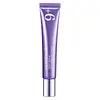
This anti-aging eye moisturizer is formulated around Niacinamide and Retinal to soften the look of wrinkles and refine skin texture.
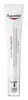
This brightening eye moisturizer is formulated around Isobutylamido Thiazolyl Resorcinol and Glycyrrhiza Inflata Root Extract to fade the look of dark spots.


What's inside
What's inside
 Key Ingredients
Benefits
Concerns
Ingredients Side-by-side
Water
Skin ConditioningButylene Glycol
Humectant

Glycerin
Humectant
Propanediol
Solvent
Cetyl Ethylhexanoate
EmollientMacadamia Integrifolia Seed Oil
Skin Conditioning


Niacinamide
Smoothing









Olea Europaea Fruit Oil
Masking


Methylpropanediol
SolventButyrospermum Parkii Butter
Skin Conditioning
Methyl Hydrogenated Rosinate
Perfuming
Polysorbate 60
Emulsifying
Hydrogenated Ethylhexyl Olivate
EmollientStearic Acid
Cleansing
1,2-Hexanediol
Skin Conditioning
Cetyl Alcohol
Emollient

Glycereth-26
Humectant
Vinyldimethicone

Glyceryl Stearate
Emollient
PEG-100 Stearate
Surfactant
Behenic Acid
Cleansing
Ammonium Acryloyldimethyltaurate/Vp Copolymer
Hydrogenated Lecithin
Emulsifying
Sorbitan Stearate
Emulsifying
Batyl Alcohol
EmollientCocos Nucifera Oil
Masking
Hydroxyacetophenone
Antioxidant
Phytosteryl Isostearate
Skin ConditioningPolyacrylate-13
Ceramide NP
Skin Conditioning
Hydrogenated Olive Oil Unsaponifiables
Emollient
Polyisobutene
Nicotinamide Adenine Dinucleotide
Skin ConditioningCitric Acid
Buffering
Coptis Japonica Root Extract
Skin ConditioningEthylhexylglycerin
Skin ConditioningPolyglyceryl-4 Oleate
Emulsifying
Theobroma Cacao Seed Extract
Antioxidant
Adenosine
Skin Conditioning
Hydrolyzed Gardenia Florida Extract
Antioxidant
Hydrolyzed Malt Extract
Skin ConditioningHydrolyzed Viola Tricolor Extract
Skin ProtectingPolysorbate 20
Emulsifying
Dextrin
AbsorbentCaprylic/Capric Triglyceride
Masking
Disodium EDTA
ChelatingMacadamia Ternifolia Seed Oil
Emollient
Sorbitan Isostearate
Emulsifying
Phosphatidylcholine
EmulsifyingAmmonium Polyacryloyldimethyl Taurate
Emulsion StabilisingHyaluronic Acid
Humectant
Hydrolyzed Hyaluronic Acid
Humectant
Sodium Hyaluronate
Humectant
Cholesterol
Emollient
Phytosteryl/Behenyl/Octyldodecyl Lauroyl Glutamate
Skin ConditioningAluminum/Magnesium Hydroxide Stearate
Emulsion StabilisingBrassica Campestris Sterols
EmollientRetinal
Skin Conditioning

Hydroxypropyl Cyclodextrin
MaskingPotassium Cetyl Phosphate
EmulsifyingPentaerythrityl Tetra-Di-T-Butyl Hydroxyhydrocinnamate
Antioxidant
Acetyl Tetrapeptide-5
Humectant
Hydrolyzed Collagen
Emollient
Resveratrol
Antioxidant
Thamnolia Vermicularis Leaf Extract
Skin ConditioningAcetyl Dipeptide-1 Cetyl Ester
Skin Conditioning
Acetyl Hexapeptide-1
Skin Conditioning
Acetyl Hexapeptide-8
Humectant
Acetyl Octapeptide-3
Humectant
Acetyl Tetrapeptide-2
Skin Conditioning
Acetyl Tetrapeptide-3
Skin Protecting
Acetyl Tetrapeptide-9
Skin Conditioning
Arginine/Lysine Polypeptide
Skin Conditioning
Biotinoyl Tripeptide-1
Copper Tripeptide-1
Skin Conditioning
Dipeptide Diaminobutyroyl Benzylamide Diacetate
Skin Conditioning
Dipeptide-2
Skin Conditioning
Dipeptide-4
Skin Conditioning
Hexapeptide-11
Skin Conditioning
Hexapeptide-12
Skin Conditioning
Hexapeptide-9
Skin Conditioning
Myristoyl Pentapeptide-17
Skin Conditioning
Nicotinoyl Dipeptide-23
Skin Conditioning
Nicotinoyl Tripeptide-1
Antioxidant
Nicotinoyl Tripeptide-35
Antioxidant
Nonapeptide-1
Skin Conditioning
Oligopeptide-29
Antioxidant
Oligopeptide-32
Antiseborrhoeic
Palmitoyl Hexapeptide-12
Skin Conditioning
Palmitoyl Pentapeptide-4
Skin Conditioning
Palmitoyl Pentapeptide-5
Skin Conditioning
Palmitoyl Tetrapeptide-10
Skin Conditioning
Palmitoyl Tetrapeptide-7
Skin Conditioning
Palmitoyl Tripeptide-1
Skin Conditioning
Palmitoyl Tripeptide-29
Skin Conditioning
Palmitoyl Tripeptide-38
Skin Conditioning
Palmitoyl Tripeptide-5
Skin Conditioning
Palmitoyl Tripeptide-8
Skin Conditioning
Sh-Decapeptide-7
Antioxidant
Sh-Octapeptide-4
Antioxidant
Sh-Oligopeptide-1
Skin Conditioning
Sh-Oligopeptide-2
Skin Conditioning
Sh-Polypeptide-1
Skin Conditioning
Sh-Polypeptide-11
Sh-Polypeptide-16
Skin Protecting
Sh-Polypeptide-22
Skin Conditioning
Sh-Polypeptide-3
Skin Conditioning
Sh-Polypeptide-62
Antioxidant
Sh-Polypeptide-9
Skin Conditioning
Sr-(Oligopeptide-91 Clostridium Botulinum Polypeptide-1)
Skin Conditioning
Tetrapeptide-30
Skin Conditioning
Tripeptide-1
Skin Conditioning
Tripeptide-10 Citrulline
Skin Conditioning
Tripeptide-29
Skin Conditioning
Water, Butylene Glycol, Glycerin, Propanediol, Cetyl Ethylhexanoate, Macadamia Integrifolia Seed Oil, Niacinamide, Olea Europaea Fruit Oil, Methylpropanediol, Butyrospermum Parkii Butter, Methyl Hydrogenated Rosinate, Polysorbate 60, Hydrogenated Ethylhexyl Olivate, Stearic Acid, 1,2-Hexanediol, Cetyl Alcohol, Glycereth-26, Vinyldimethicone, Glyceryl Stearate, PEG-100 Stearate, Behenic Acid, Ammonium Acryloyldimethyltaurate/Vp Copolymer, Hydrogenated Lecithin, Sorbitan Stearate, Batyl Alcohol, Cocos Nucifera Oil, Hydroxyacetophenone, Phytosteryl Isostearate, Polyacrylate-13, Ceramide NP, Hydrogenated Olive Oil Unsaponifiables, Polyisobutene, Nicotinamide Adenine Dinucleotide, Citric Acid, Coptis Japonica Root Extract, Ethylhexylglycerin, Polyglyceryl-4 Oleate, Theobroma Cacao Seed Extract, Adenosine, Hydrolyzed Gardenia Florida Extract, Hydrolyzed Malt Extract, Hydrolyzed Viola Tricolor Extract, Polysorbate 20, Dextrin, Caprylic/Capric Triglyceride, Disodium EDTA, Macadamia Ternifolia Seed Oil, Sorbitan Isostearate, Phosphatidylcholine, Ammonium Polyacryloyldimethyl Taurate, Hyaluronic Acid, Hydrolyzed Hyaluronic Acid, Sodium Hyaluronate, Cholesterol, Phytosteryl/Behenyl/Octyldodecyl Lauroyl Glutamate, Aluminum/Magnesium Hydroxide Stearate, Brassica Campestris Sterols, Retinal, Hydroxypropyl Cyclodextrin, Potassium Cetyl Phosphate, Pentaerythrityl Tetra-Di-T-Butyl Hydroxyhydrocinnamate, Acetyl Tetrapeptide-5, Hydrolyzed Collagen, Resveratrol, Thamnolia Vermicularis Leaf Extract, Acetyl Dipeptide-1 Cetyl Ester, Acetyl Hexapeptide-1, Acetyl Hexapeptide-8, Acetyl Octapeptide-3, Acetyl Tetrapeptide-2, Acetyl Tetrapeptide-3, Acetyl Tetrapeptide-9, Arginine/Lysine Polypeptide, Biotinoyl Tripeptide-1, Copper Tripeptide-1, Dipeptide Diaminobutyroyl Benzylamide Diacetate, Dipeptide-2, Dipeptide-4, Hexapeptide-11, Hexapeptide-12, Hexapeptide-9, Myristoyl Pentapeptide-17, Nicotinoyl Dipeptide-23, Nicotinoyl Tripeptide-1, Nicotinoyl Tripeptide-35, Nonapeptide-1, Oligopeptide-29, Oligopeptide-32, Palmitoyl Hexapeptide-12, Palmitoyl Pentapeptide-4, Palmitoyl Pentapeptide-5, Palmitoyl Tetrapeptide-10, Palmitoyl Tetrapeptide-7, Palmitoyl Tripeptide-1, Palmitoyl Tripeptide-29, Palmitoyl Tripeptide-38, Palmitoyl Tripeptide-5, Palmitoyl Tripeptide-8, Sh-Decapeptide-7, Sh-Octapeptide-4, Sh-Oligopeptide-1, Sh-Oligopeptide-2, Sh-Polypeptide-1, Sh-Polypeptide-11, Sh-Polypeptide-16, Sh-Polypeptide-22, Sh-Polypeptide-3, Sh-Polypeptide-62, Sh-Polypeptide-9, Sr-(Oligopeptide-91 Clostridium Botulinum Polypeptide-1), Tetrapeptide-30, Tripeptide-1, Tripeptide-10 Citrulline, Tripeptide-29
Water
Skin ConditioningGlycerin
Humectant
Caprylic/Capric Triglyceride
Masking
Alcohol Denat.
Antimicrobial

Cocoglycerides
Emollient
Cetearyl Alcohol
Emollient
Cetyl Palmitate
Emollient
Isopropyl Palmitate
Emollient
Glyceryl Stearate
Emollient
Diisopropyl Adipate
EmollientButyrospermum Parkii Butter
Skin Conditioning
Lauroyl Lysine
Skin Conditioning
Isobutylamido Thiazolyl Resorcinol
Bleaching
Sodium Hyaluronate
Humectant
Glycyrrhiza Inflata Root Extract
Skin Conditioning
Pimpinella Anisum Fruit Extract
MaskingXanthan Gum
EmulsifyingSodium Stearoyl Glutamate
CleansingSodium Chloride
MaskingCitric Acid
Buffering
Sodium Hydroxide
BufferingPhenoxyethanol
Preservative
Ethylhexylglycerin
Skin ConditioningSynthetic Fluorphlogopite
Trisodium EDTA
ChelatingTin Oxide
Abrasive
CI 77891
Cosmetic ColorantCI 77492
Cosmetic ColorantCI 77491
Cosmetic ColorantCI 77499
Cosmetic ColorantWater, Glycerin, Caprylic/Capric Triglyceride, Alcohol Denat., Cocoglycerides, Cetearyl Alcohol, Cetyl Palmitate, Isopropyl Palmitate, Glyceryl Stearate, Diisopropyl Adipate, Butyrospermum Parkii Butter, Lauroyl Lysine, Isobutylamido Thiazolyl Resorcinol, Sodium Hyaluronate, Glycyrrhiza Inflata Root Extract, Pimpinella Anisum Fruit Extract, Xanthan Gum, Sodium Stearoyl Glutamate, Sodium Chloride, Citric Acid, Sodium Hydroxide, Phenoxyethanol, Ethylhexylglycerin, Synthetic Fluorphlogopite, Trisodium EDTA, Tin Oxide, CI 77891, CI 77492, CI 77491, CI 77499
Reviews
Ingredients Explained
These ingredients are found in both products.
Ingredients higher up in an ingredient list are typically present in a larger amount.
This ingredient is also known as shea butter. It is a plant-derived extract from the nuts of the Africa shea tree and one of the most well-studied emollients.
Because it has a high concentration of fatty acids (primarily oleic, stearic, and linoleic) it is able to form a protective barrier on the skin's surface. This helps seal in moisture and prevents transepidermal water loss (TEWL).
In vitro research found an increase in skin hydration by 58% and a decrease in TEWL by 37.8% after 24 hours of applying this ingredient (pretty impressive for a single ingredient!).
Besides hydration, shea butter also contains triterpenes that have anti-inflammatory potential. In particule, lupeol cinnamate has shown the highest anti-inflammatory activity in vivo.
Shea butter also contains vitamins A and E which may contribute to antioxidant activity.
While Shea Butter has an SPF rating of about 3-4, it is not a sunscreen replacement.
This ingredient may not be fungal acne safe because its fatty acids fall within the C11-C24 range that the Malassezia yeast can metabolize.
This ingredient shows up on a lot of "pore-clogging" lists but there's no real evidence behind that. It doesn't even have a comedogenic rating from an actual study; the numbers you'll find online come from blogs citing other blogs.
Ratings for other ingredients mostly come from a 1980s rabbit ear test. This test doesn't translate well to human skin or to real products because the ingredient sits at a much lower percentage.
Some people still find it breaks them out. So if that's you, definitely trust your skin. Just know this one's based on experience and not evidence.
Learn more about Butyrospermum Parkii ButterCaprylic/Capric Triglyceride (aka MCT Oil) is a lightweight emollient, solvent, and texture enhancer. It is considered a skin-softener by helping to prevent moisture loss.
Though it behaves like an oil, it is not technically one due to its chemical composition. One perk of this ingredient is that it is very stable, resistant to oxidation, and unlikely to go rancid.
In practice, that translates to a long shelf life and a consistently elegant skin feel.
While there is an assumption Caprylic Triglyceride can clog pores due to it being derived from coconut oil, there is no research supporting this. Just patch test if you have concerns.
Fractionated coconut oil and MCT Oil are both listed as Caprylic/Capric Triglyceride according to INCI. This is because INCI names are based on the ingredient’s final chemical composition and not its marketing name or source.
This ingredient is treated as the gold standard fungal acne safe oil. Even though it is coconut derived, the problematic lauric acid is stripped out.
This leaves just caprylic (C8) and capric (C10) acid. These chain lengths actually trend antifungal; a 2020 study found caprylic acid was enough to disrupt Malassezia furfur cell membrane, with a caprylic acid derivative damaging membrane structures at concentrations as low as 0.2%.
Learn more about Caprylic/Capric TriglycerideCitric Acid is an alpha hydroxy acid (AHA) naturally found in citrus fruits like oranges, lemons, and limes.
Like other AHAs, citric acid can exfoliate skin by breaking down the bonds that hold dead skin cells together. This helps reveal smoother and brighter skin underneath.
However, this exfoliating effect only happens at high concentrations (20%) which can be hard to find in cosmetic products.
Due to this, citric acid is usually included in small amounts as a pH adjuster. This helps keep products slightly more acidic and compatible with skin's natural pH.
In skincare formulas, citric acid can:
While it can provide some skin benefits, research shows lactic acid and glycolic acid are generally more effective and less irritating exfoliants.
Most citric acid used in skincare today is made by fermenting sugars (usually from molasses). This synthetic version is identical to the natural citrus form but easier to stabilize and use in formulations.
Rosacea skin has a lower threshold for acids generally, with 62.5% of rosacea subjects in one study reacting to lactic acid in a sting test. This is why we mark citric acid as a potential rosacea trigger.
However, this ingredient shows up as a pH adjuster or chelator at roughly 0.1-1% in many products. These low levels are unlikely to be an issue for rosacea skin and becomes a potential trigger at exfoliating concentrations (20%). Because everybody's skin is unique, we recommend a patch test if you are unsure.
Learn more about Citric AcidEthylhexylglycerin is created from glycerin. It is a multitasker ingredient that:
The CIR Expert Panel found minimal skin absorption or sensitization of any kind in a safety assessment. Though this ingredient is considered well-tolerated, a small number of cases of allergic dermatitis have been published since 2002. Just be sure to patch test if you are unsure.
Industry-reported use ranges from 8% in rinse-off products and 2% in leave-on formulations.
Learn more about EthylhexylglycerinGlycerin (or glycerol) is a compound naturally found in your skin. It's a powerhouse humectant that pulls water into the stratum corneum.
Topically, glycerin does several things at once:
Your skin makes glycerin on its own (mostly from sebaceous oil breakdown) and shuttles it to your outermost layer of skin, or your epidermis, via aquaporin-3.
Aquaporin-3 is a transporter that is essential for normal skin hydration, elasticity, and repair. Interestingly, mice lacking in AQP3 have dry and less elastic skin that can be fully corrected with glycerin.
This ingredient is non-irritating, plays well with almost every ingredient, and works across all skin types. Typical use is anywhere between 3-10% but can go up to 79% in some leave-on products.
Just know very high concentrations (>40%) can feel tacky in low humidity.
Glycerin is the name for this ingredient in American English. British English uses Glycerol/Glycerine.
Learn more about GlycerinGlyceryl Stearate is made by reacting glycerin with stearic acid (typically sourced from plant oils like palm or coconut). It's an emulsifier, emollient, and mild occlusive.
Emulsifiers help ingredients like oil and water stay mixed so your formula stays nicely blended and uniform in texture.
This ingredient is typically used in concentrations between 1-10%. Studies have found it to be non-sensitizing, non-phototoxic, and non-photoallergenic.
A close cousin of this ingredient is Glyceryl Stearate SE ("self-emulsifying"). This just has a small amount of sodium or potassium stearate added so it can emulsify without a co-emulsifier.
Since this ingredient is an ester of a C18 fatty acid, it may not be fungal acne safe. The Malassezia yeast can potentially metabolize within the C11-C24 range.
Fun fact: The human body also creates Glyceryl Stearate naturally.
Learn more about Glyceryl StearateSodium Hyaluronate is the salt form of hyaluronic acid. It is a long sugar chain that is naturally found in your skin, joints, and connective tissue that maintains hydration and elasticity.
In skincare, it works as a humectant. It pulls water from the environment and deeper layers of skin and binds it to the surface.
Interestingly, the size of the molecule affects its behavior:
Some clinical evidence links low molecular weight versions to improved wrinkle depth, elasticity, anti-inflammatory effects, and barrier repair.
Many serums use a blend of both weights so you can get surface hydration plus longer-lasting and deeper effects.
You'll typically see concentrations between 0.1-2% for this ingredient.
Learn more about Sodium HyaluronateWater. It's the most common cosmetic ingredient of all. You'll usually see it at the top of ingredient lists, meaning that it makes up the largest part of the product.
So why is it so popular? Water most often acts as a solvent - this means that it helps dissolve other ingredients into the formulation.
You'll also recognize water as that liquid we all need to stay alive. If you see this, drink a glass of water. Remember to stay hydrated!
Learn more about Water

