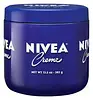
This barrier-repair moisturizer is formulated around Petrolatum and Panthenol to strengthen the skin barrier and hydrate skin.
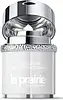
This brightening moisturizer is formulated around Glycoproteins and Sodium Ascorbyl Phosphate to brighten dull-looking skin and fade the look of dark spots.


What's inside
What's inside
 Key Ingredients
No key ingredients
Benefits
Concerns
Ingredients Side-by-side
Water
Skin ConditioningParaffinum Liquidum
Emollient


Petrolatum
Emollient
Glycerin
Humectant

Microcrystalline Wax
Emulsion StabilisingLanolin Alcohol
Emollient
Paraffin
Skin Conditioning
Magnesium Sulfate
Decyl Oleate
Emollient



Octyldodecanol
Emollient
Aluminum Stearates
EmollientParfum
Masking

Panthenol
Skin Conditioning

Citric Acid
Buffering

Magnesium Stearate
Cosmetic ColorantSodium Anisate
AntimicrobialWater
Skin ConditioningGlycerin
Humectant
Polymethylsilsesquioxane

Tridecyl Stearate
Emollient
Cyclopentasiloxane
Emollient
Hdi/Trimethylol Hexyllactone Crosspolymer
Isododecane
EmollientPetrolatum
Emollient
Cetyl PEG/PPG-10/1 Dimethicone
Emulsifying
Sorbitan Tristearate
EmulsifyingHydroxyethyl Acrylate/Sodium Acryloyldimethyl Taurate Copolymer
Emulsion StabilisingDimethicone
Emollient
Glycoproteins
Skin Conditioning
Panax Ginseng Root
Emollient
Equisetum Arvense Juice
Skin ConditioningCaprylic Acid
CleansingPalmitoyl Heptapeptide-5
Skin Conditioning
Larix Sibirica Wood Extract
Antimicrobial
Glycyrrhiza Glabra Root
Skin ConditioningSodium Ascorbyl Phosphate
Antioxidant



Lepidium Sativum Sprout Extract
Skin ConditioningNelumbo Nucifera Germ
HumectantJasminum Officinale Oil
Masking

Boswellia Serrata Gum Extract
Skin ConditioningProline
Skin Conditioning
Hydroxyproline
Skin ConditioningGlycine
Buffering
Isooctanoyl Tetrapeptide-25
Skin Conditioning
Resveratrol
Antioxidant
Polygonum Cuspidatum Extract
Skin ConditioningCentella Asiatica Extract
Cleansing
Thalassiosira Pseudonana Extract
Skin ProtectingSodium Hyaluronate
Humectant
Honey
Humectant
Tuber Magnatum Extract
Skin ConditioningTremella Fuciformis Polysaccharide
Emulsion Stabilising
Vitis Vinifera Vine Extract
Skin ConditioningTocopheryl Acetate
Antioxidant
Retinyl Palmitate
Skin Conditioning

Acrylates Copolymer
PEG-7 Trimethylolpropane Coconut Ether
Emulsifying
Polymethyl Methacrylate

Sorbitan Olivate
Emulsifying
Cetearyl Olivate
Lecithin
Emollient
Ammonium Polyacryloyldimethyl Taurate
Emulsion StabilisingHydrogenated Coco-Glycerides
Emollient
Tricaprylin
Perfuming
Sodium Chloride
MaskingCaprylyl Glycol
Emollient
Stearyl Alcohol
Emollient
Cetyl Alcohol
Emollient
Sorbitan Stearate
Emulsifying
Tocopherol
Antioxidant
PEG-40 Stearate
Emulsifying
Polysilicone-11
Propylene Glycol
Humectant
Dimethicone/Divinyldimethicone/Silsesquioxane Crosspolymer
Humectant
Hexylene Glycol
EmulsifyingIsohexadecane
EmollientPolysorbate 80
Emulsifying
Sorbitan Palmitate
Emulsifying
Cetyl Palmitate
Emollient
Disodium EDTA
ChelatingGlyceryl Caprylate
EmollientPolysorbate 20
Emulsifying
Glyceryl Stearate
Emollient
Palmitic Acid
Emollient
Behenyl Alcohol
Emollient
Dextran
Stearic Acid
Cleansing
Polyisobutene
Stearoxymethicone/Dimethicone Copolymer
Emollient
Carbomer
Emulsion StabilisingSorbitol
Humectant
Xanthan Gum
EmulsifyingParfum
Masking
Linalool
Perfuming
Citronellol
Perfuming
Geraniol
Perfuming
Limonene
Perfuming
Eugenol
Perfuming
Benzyl Benzoate
Antimicrobial
Benzyl Salicylate
Perfuming
Phenoxyethanol
Preservative
Sodium Benzoate
Masking
PEG-7
HumectantTrimethylolpropane
HumectantWater, Glycerin, Polymethylsilsesquioxane, Tridecyl Stearate, Cyclopentasiloxane, Hdi/Trimethylol Hexyllactone Crosspolymer, Isododecane, Petrolatum, Cetyl PEG/PPG-10/1 Dimethicone, Sorbitan Tristearate, Hydroxyethyl Acrylate/Sodium Acryloyldimethyl Taurate Copolymer, Dimethicone, Glycoproteins, Panax Ginseng Root, Equisetum Arvense Juice, Caprylic Acid, Palmitoyl Heptapeptide-5, Larix Sibirica Wood Extract, Glycyrrhiza Glabra Root, Sodium Ascorbyl Phosphate, Lepidium Sativum Sprout Extract, Nelumbo Nucifera Germ, Jasminum Officinale Oil, Boswellia Serrata Gum Extract, Proline, Hydroxyproline, Glycine, Isooctanoyl Tetrapeptide-25, Resveratrol, Polygonum Cuspidatum Extract, Centella Asiatica Extract, Thalassiosira Pseudonana Extract, Sodium Hyaluronate, Honey, Tuber Magnatum Extract, Tremella Fuciformis Polysaccharide, Vitis Vinifera Vine Extract, Tocopheryl Acetate, Retinyl Palmitate, Acrylates Copolymer, PEG-7 Trimethylolpropane Coconut Ether, Polymethyl Methacrylate, Sorbitan Olivate, Cetearyl Olivate, Lecithin, Ammonium Polyacryloyldimethyl Taurate, Hydrogenated Coco-Glycerides, Tricaprylin, Sodium Chloride, Caprylyl Glycol, Stearyl Alcohol, Cetyl Alcohol, Sorbitan Stearate, Tocopherol, PEG-40 Stearate, Polysilicone-11, Propylene Glycol, Dimethicone/Divinyldimethicone/Silsesquioxane Crosspolymer, Hexylene Glycol, Isohexadecane, Polysorbate 80, Sorbitan Palmitate, Cetyl Palmitate, Disodium EDTA, Glyceryl Caprylate, Polysorbate 20, Glyceryl Stearate, Palmitic Acid, Behenyl Alcohol, Dextran, Stearic Acid, Polyisobutene, Stearoxymethicone/Dimethicone Copolymer, Carbomer, Sorbitol, Xanthan Gum, Parfum, Linalool, Citronellol, Geraniol, Limonene, Eugenol, Benzyl Benzoate, Benzyl Salicylate, Phenoxyethanol, Sodium Benzoate, PEG-7, Trimethylolpropane
Reviews
Ingredients Explained
These ingredients are found in both products.
Ingredients higher up in an ingredient list are typically present in a larger amount.
Glycerin (or glycerol) is a compound naturally found in your skin. It's a powerhouse humectant that pulls water into the stratum corneum.
Topically, glycerin does several things at once:
Your skin makes glycerin on its own (mostly from sebaceous oil breakdown) and shuttles it to your outermost layer of skin, or your epidermis, via aquaporin-3.
Aquaporin-3 is a transporter that is essential for normal skin hydration, elasticity, and repair. Interestingly, mice lacking in AQP3 have dry and less elastic skin that can be fully corrected with glycerin.
This ingredient is non-irritating, plays well with almost every ingredient, and works across all skin types. Typical use is anywhere between 3-10% but can go up to 79% in some leave-on products.
Just know very high concentrations (>40%) can feel tacky in low humidity.
Glycerin is the name for this ingredient in American English. British English uses Glycerol/Glycerine.
Learn more about GlycerinParfum is a catch-all term for an ingredient or more that is used to give a scent to products.
Also called "fragrance", this ingredient can be a blend of hundreds of chemicals or plant oils. This means every product with "fragrance" or "parfum" in the ingredients list is a different mixture.
For instance, Habanolide is a proprietary trade name for a specific aroma chemical. When used as a fragrance ingredient in cosmetics, most aroma chemicals fall under the broad labeling category of “FRAGRANCE” or “PARFUM” according to EU and US regulations.
The term 'parfum' or 'fragrance' is not regulated in many countries. In many cases, it is up to the brand to define this term.
For instance, many brands choose to label themselves as "fragrance-free" because they are not using synthetic fragrances. However, their products may still contain ingredients such as essential oils that are considered a fragrance by INCI standards.
One example is Calendula flower extract. Calendula is an essential oil that still imparts a scent or 'fragrance'.
Depending on the blend, the ingredients in the mixture can cause allergies and sensitivities on the skin. Some ingredients that are known EU allergens include linalool and citronellol.
Parfum can also be used to mask or cover an unpleasant scent.
The bottom line is: not all fragrances/parfum/ingredients are created equally. If you are worried about fragrances, we recommend taking a closer look at an ingredient. And of course, we always recommend speaking with a professional.
Learn more about ParfumPetrolatum is more commonly known as petroleum jelly. It is created by mixing waxes and mineral oils.
This ingredient is effective at reducing water loss by 99%. This is because it is an occlusive. Occlusives create a hydrophobic barrier on the skin to prevent evaporation. This property makes it great for hydrating dry skin.
Pro tip: Use occlusives, such as this ingredient, on damp skin for the best results.
The quality or origin of petrolatum is only known when disclosed by the brand. Most cosmetic petrolatum has gone through several purification stages.
Another benefit of occlusives is it protects your skin against infection or allergies.
Petrolatum is fungal acne safe. It is a hydrocarbon with no fatty acid structure, so Malassezia cannot metabolize it. In-vitro studies support negligible growth stimulation as well.
It's also worth noting that petrolatum has a comedogenic rating of 0. In updated rabbit ear testing (and in human testing), petrolatum was found to be not comedogenic. This means it didn’t promote comedone formation in standard models.
Learn more about PetrolatumWater. It's the most common cosmetic ingredient of all. You'll usually see it at the top of ingredient lists, meaning that it makes up the largest part of the product.
So why is it so popular? Water most often acts as a solvent - this means that it helps dissolve other ingredients into the formulation.
You'll also recognize water as that liquid we all need to stay alive. If you see this, drink a glass of water. Remember to stay hydrated!
Learn more about Water

