
What's inside
What's inside
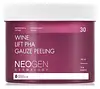 Key Ingredients
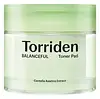
Benefits
Concerns
Ingredients Side-by-side
Water
Skin ConditioningDipropylene Glycol
HumectantGlycerin
Humectant


Diglycerin
Humectant
1,2-Hexanediol
Skin Conditioning
Polyglyceryl-10 Laurate
Skin Conditioning
Polyglycerin-3
Humectant
Gluconolactone
Skin Conditioning






Glyceryl Caprylate
EmollientTromethamine
BufferingVitis Vinifera Fruit Extract
Skin ConditioningEthylhexylglycerin
Skin ConditioningCarbomer
Emulsion StabilisingAdenosine
Skin Conditioning
Citrus Aurantium Bergamia Fruit Oil
Masking


Salicylic Acid
Masking




Wine Extract
Antioxidant
Lavandula Angustifolia Oil
Masking

Gardenia Florida Fruit Extract
Skin ConditioningAnthemis Nobilis Flower Oil
Masking
Dextrin
AbsorbentButylene Glycol
Humectant
Pelargonium Graveolens Flower Oil
Masking
Moringa Oleifera Seed Oil
Emollient
Xylitol
Humectant
Tartaric Acid
Buffering
Capryloyl Salicylic Acid
Exfoliating

Vitis Vinifera Fruit Water
Skin ConditioningLactic Acid
Buffering
Lactobacillus Ferment Lysate
Skin Conditioning
Glycolic Acid
Buffering
Mentha Viridis Leaf Oil
Astringent
Perilla Frutescens Leaf Extract
MaskingRose Flower Oil
Masking
Caprylic/Capric Triglyceride
Masking
Isopentyldiol
Humectant
Vaccinium Macrocarpon Fruit Extract
AstringentPanax Ginseng Berry Extract
Skin Conditioning
Fragaria Chiloensis Fruit Extract
Skin Conditioning
Rubus Idaeus Fruit Extract
AstringentVaccinium Angustifolium Fruit Extract
Skin Protecting
Cornus Officinalis Fruit Extract
Skin ConditioningEuterpe Oleracea Fruit Extract
Sambucus Nigra Fruit Extract
AstringentSchisandra Chinensis Fruit Extract
Skin Conditioning
Vaccinium Myrtillus Fruit Extract
Skin ConditioningAdansonia Digitata Seed Oil
Emollient
Hibiscus Sabdariffa Flower Extract
Skin ConditioningCeramide NP
Skin Conditioning
Hydrogenated Lecithin
Emulsifying
Phospholipids
Skin Conditioning
Maltodextrin
Absorbent
Xanthan Gum
EmulsifyingCaprylyl Glycol
Emollient
Collagen
Moisturising
Soluble Proteoglycan
Skin ConditioningPalmitoyl Tripeptide-5
Skin Conditioning
Resveratrol
Antioxidant
Cholesterol
Emollient
Tocopheryl Acetate
Antioxidant
Vitis Vinifera Seed Extract
Antimicrobial
Ceramide Ns
Skin Conditioning
Ceramide As
Skin Conditioning
Propanediol
Solvent
Acetyl Hexapeptide-8
Humectant
Ceramide EOP
Skin Conditioning
Ceramide AP
Skin Conditioning
Glucose
Humectant
Sodium Hyaluronate
Humectant
Arginine
Masking
Hyaluronic Acid
Humectant
Chondrus Crispus Extract
Skin Conditioning
Oligopeptide-1
Skin Conditioning
Phytosterols
Skin Conditioning
Bifida Ferment Lysate
Skin Conditioning
Hydroxypropyltrimonium Hyaluronate
Streptococcus Thermophilus Ferment
Humectant
Crocus Sativus Flower Extract
MaskingHydrolyzed Hyaluronic Acid
Humectant
Sodium Acetylated Hyaluronate
Humectant
Sodium Hyaluronate Crosspolymer
Humectant
Hydrolyzed Sodium Hyaluronate
Skin Conditioning
Potassium Hyaluronate
Skin ConditioningLimonene
Perfuming
Linalool
Perfuming
Water, Dipropylene Glycol, Glycerin, Diglycerin, 1,2-Hexanediol, Polyglyceryl-10 Laurate, Polyglycerin-3, Gluconolactone, Glyceryl Caprylate, Tromethamine, Vitis Vinifera Fruit Extract, Ethylhexylglycerin, Carbomer, Adenosine, Citrus Aurantium Bergamia Fruit Oil, Salicylic Acid, Wine Extract, Lavandula Angustifolia Oil, Gardenia Florida Fruit Extract, Anthemis Nobilis Flower Oil, Dextrin, Butylene Glycol, Pelargonium Graveolens Flower Oil, Moringa Oleifera Seed Oil, Xylitol, Tartaric Acid, Capryloyl Salicylic Acid, Vitis Vinifera Fruit Water, Lactic Acid, Lactobacillus Ferment Lysate, Glycolic Acid, Mentha Viridis Leaf Oil, Perilla Frutescens Leaf Extract, Rose Flower Oil, Caprylic/Capric Triglyceride, Isopentyldiol, Vaccinium Macrocarpon Fruit Extract, Panax Ginseng Berry Extract, Fragaria Chiloensis Fruit Extract, Rubus Idaeus Fruit Extract, Vaccinium Angustifolium Fruit Extract, Cornus Officinalis Fruit Extract, Euterpe Oleracea Fruit Extract, Sambucus Nigra Fruit Extract, Schisandra Chinensis Fruit Extract, Vaccinium Myrtillus Fruit Extract, Adansonia Digitata Seed Oil, Hibiscus Sabdariffa Flower Extract, Ceramide NP, Hydrogenated Lecithin, Phospholipids, Maltodextrin, Xanthan Gum, Caprylyl Glycol, Collagen, Soluble Proteoglycan, Palmitoyl Tripeptide-5, Resveratrol, Cholesterol, Tocopheryl Acetate, Vitis Vinifera Seed Extract, Ceramide Ns, Ceramide As, Propanediol, Acetyl Hexapeptide-8, Ceramide EOP, Ceramide AP, Glucose, Sodium Hyaluronate, Arginine, Hyaluronic Acid, Chondrus Crispus Extract, Oligopeptide-1, Phytosterols, Bifida Ferment Lysate, Hydroxypropyltrimonium Hyaluronate, Streptococcus Thermophilus Ferment, Crocus Sativus Flower Extract, Hydrolyzed Hyaluronic Acid, Sodium Acetylated Hyaluronate, Sodium Hyaluronate Crosspolymer, Hydrolyzed Sodium Hyaluronate, Potassium Hyaluronate, Limonene, Linalool
Water
Skin ConditioningDipropylene Glycol
HumectantButylene Glycol
Humectant
Gluconolactone
Skin Conditioning
Panthenol
Skin Conditioning
Allantoin
Skin Conditioning
Sodium Hyaluronate
Humectant
Centella Asiatica Extract
Cleansing
Madecassoside
Antioxidant
Asiatic Acid
Skin Conditioning
Madecassic Acid
Skin Conditioning
Asiaticoside
Antioxidant
Capryloyl Salicylic Acid
Exfoliating
Hamamelis Virginiana Extract
Antiseborrhoeic
Althaea Rosea Flower Extract
Skin ConditioningNymphaea Caerulea Flower Extract
Skin ConditioningSwertia Japonica Extract
Skin ConditioningLactobacillus Ferment
Skin Conditioning
Glycerin
Humectant
Hydroxyacetophenone
Antioxidant
Pantolactone
Humectant
Polyglyceryl-10 Laurate
Skin Conditioning
Glyceryl Acrylate/Acrylic Acid Copolymer
HumectantPvm/Ma Copolymer
Emulsion StabilisingHydrogenated Phosphatidylcholine
Emulsifying
Sucrose Stearate
EmollientSodium Guaiazulene Sulfonate
Caprylic/Capric Triglyceride
Masking
Caprylyl Glycol
Emollient
Cholesterol
Emollient
Arginine
Masking
Melia Azadirachta Flower Extract
Skin ConditioningMelia Azadirachta Leaf Extract
Skin ConditioningDipotassium Glycyrrhizate
Humectant
1,2-Hexanediol
Skin Conditioning
Disodium EDTA
Ethylhexylglycerin
Skin ConditioningWater, Dipropylene Glycol, Butylene Glycol, Gluconolactone, Panthenol, Allantoin, Sodium Hyaluronate, Centella Asiatica Extract, Madecassoside, Asiatic Acid, Madecassic Acid, Asiaticoside, Capryloyl Salicylic Acid, Hamamelis Virginiana Extract, Althaea Rosea Flower Extract, Nymphaea Caerulea Flower Extract, Swertia Japonica Extract, Lactobacillus Ferment, Glycerin, Hydroxyacetophenone, Pantolactone, Polyglyceryl-10 Laurate, Glyceryl Acrylate/Acrylic Acid Copolymer, Pvm/Ma Copolymer, Hydrogenated Phosphatidylcholine, Sucrose Stearate, Sodium Guaiazulene Sulfonate, Caprylic/Capric Triglyceride, Caprylyl Glycol, Cholesterol, Arginine, Melia Azadirachta Flower Extract, Melia Azadirachta Leaf Extract, Dipotassium Glycyrrhizate, 1,2-Hexanediol, Disodium EDTA, Ethylhexylglycerin
Reviews
Ingredients Explained
These ingredients are found in both products.
Ingredients higher up in an ingredient list are typically present in a larger amount.
1,2-Hexanediol is a synthetic liquid and another multi-functional powerhouse.
It is a:
- Humectant, drawing moisture into the skin
- Emollient, helping to soften skin
- Solvent, dispersing and stabilizing formulas
- Preservative booster, enhancing the antimicrobial activity of other preservatives
Arginine is a semi-essential amino acid. This just means our bodies can product a bit on its own, but sometimes needs a little boost from food sources.
It is a part of your skin's natural moisturizing factor (NMF), or the water-loving molecules in your outermost layer of skin (stratum corneum) that keeps everything hydrated and happy.
Here's an interesting thing about Arginine: your skin converts it into urea through the Krebs-Henseleit urea cycle. Urea is one of the most effective humectants your skin naturally produces.
A clinical study showed applying 2.5% arginine hydrochloride to atopic dermatitis skin showed significant urea levels in the stratum corneum and improved moisture in just four weeks.
Arginine is also a precursor to nitric oxide; nitric oxide improves microcirculation and supports wound healing and collagen synthesis.
One study found that an amino acid complex containing Arginine reduced skin irritation, improved hydration, and accelerated skin repair in clinical / in-vivo studies.
Arginine itself is an amino acid and not a fatty acid, oil, or ester. On its own, it's not a direct food source for Malassezia, or the yeast that causes fungal acne.
Learn more about ArginineButylene Glycol (or BG) is used within cosmetic products for a few different reasons:
Overall, Butylene Glycol is a safe and well-rounded ingredient that works well with other ingredients.
Though this ingredient works well with most skin types, some people with sensitive skin may experience a reaction such as allergic rashes, closed comedones, or itchiness.
Learn more about Butylene GlycolThis ingredient is a lightweight emollient, solvent, and texture enhancer. It is considered a skin-softener by helping the skin prevent moisture loss.
It helps thicken a product's formula and makes it easier to spread by dissolving clumping compounds.
Caprylic Triglyceride is made by combining glycerin with coconut oil, forming a clear liquid. Though it behaves like an oil, it is not technically one due to its chemical composition. It is very stable, resistant to oxidation, and unlikely to go rancid. In practice, that translates to a long shelf life and a consistently elegant skin feel.
While there is an assumption Caprylic Triglyceride can clog pores due to it being derived from coconut oil, there is no research supporting this. Be sure to patch test if you have concerns.
Fractionated coconut oil and MCT Oil are both listed as Caprylic/Capric Triglyceride according to INCI. This is because INCI names are based on the ingredient’s final chemical composition and not its marketing name or source.
Learn more about Caprylic/Capric TriglycerideCapryloyl Salicylic Acid comes from salicylic acid, the famous acne-fighting BHA.
It usually goes by a more common name of LHA, or lipohydroxy acid.
Like salicylic acid, this ingredient is a chemical exfoliant that can help break down the oil in your pores and reduce inflammation.
Though studies for LHA do show it to be less effective than salicylic acid. To be fair, salicylic acid is the reigning monarch of acne treatments.
However, a study from 2009 found LHA to be comparable to BPO, making it a good alternative for people with sensitive skin. Another study of 14 patients found a significant decrease in comedones after using LHA.
Another pro of LHA? It is less irritating than salicylic acid due to its large molecule size.
Large molecules cannot penetrate skin as well, so they are gentler on the skin. LHA is much less penetrative than salicylic acid.
An in-vitro study (not done on a living organism) found only 6% of LHA penetrated past the statum corneum compared to 58% of salicylic acid. An in-vivo (done on a living organism) analysis revealed ~17% of LHA was still present in the top layer of skin after 4 days, versus ~9% of salicylic acid.
Interestingly, a study from 2008 found LHA comparable to another famous acid, glycolic acid.
This study found about 10% of LHA is as effective as 20-50% of glycolic acid in treating hyperpigmentation and fine-lines.
Hydroxy acids have been found to stimulate skin protein, lipids, and thermal thickening. This may have anti-aging benefits.
Learn more about Capryloyl Salicylic AcidCaprylyl Glycol is a humectant, skin conditioner, emollient, and preservative booster derived from either caprylic acid or synthetically created.
Typical use levels vary from 0.3-1% as a preservative booster and go up to 2% to condition skin.
Because it is not a free-fatty acid or alcohol, this ingredient is fungal acne safe (there's nothing for Malassezia to feed on).
Learn more about Caprylyl GlycolCholesterol is a lipid that is naturally found in human skin and is one of the three key components of your skin barrier. In skincare, it is an emollient and barrier-repairing ingredient.
It works by fitting directly into the lipid layers of skin to help restore structure and reduce transepidermal water loss (TEWL).
This is a great ingredient for dry, compromised, or aging skin; our skin starts to produce less cholesterol with age.
Research shows cholesterol works best in combination with ceramides and fatty acids, the other two major components in your skin barrier.
Cholesterol is also a well-establish penetration enhancer and can help other actives absorb more effectively.
Cosmetic-grade cholesterol is usually derived from lanolin but plant and synthetic options also exist. We recommend reaching out to the brand if you have questions about their source of cholesterol.
Learn more about CholesterolDipropylene Glycol is a synthetically created humectant, stabilizer, and solvent.
This ingredient helps:
Dipropylene glycol is technically an alcohol, but it belongs to the glycol family (often considered part of the ‘good’ alcohols). This means it is hydrating and gentle on skin unlike drying solvent alcohols like denatured alcohol.
As a masking agent, Dipropylene Glycol can be used to cover the smell of other ingredients. However, it does not have a scent.
Studies show Dipropylene Glycol is considered safe to use in skincare.
Learn more about Dipropylene GlycolEthylhexylglycerin is created from glycerin. It is a multitasker ingredient that:
The CIR Expert Panel found minimal skin absorption or sensitization of any kind in a safety assessment. Though this ingredient is considered well-tolerated, a small number of cases of allergic dermatitis have been published since 2002. Just be sure to patch test if you are unsure.
Industry-reported use ranges from 8% in rinse-off products and 2% in leave-on formulations.
Learn more about EthylhexylglycerinGluconolactone is a PHA. PHAs are a great gentle alternative to traditional AHAs.
When applied, Gluconolactone has the same affect on skin as AHAs such as lactic acid. It helps dissolve the dead skin cells in the top layer of your skin. This improves texture and brightens the skin.
PHAs are more gentle than AHAs due to their larger structure. They do not penetrate as deeply as AHAs and take a longer time to dissolve dead cells. Studies show PHAs do not cause as much irritation.
Gluconolactone has some interesting properties:
In a 2004 study, Gluconolactone was found to prevent UV damage in mouse skin cells and has not been found to increase sun sensitivity. However, we still recommend wearing SPF daily.
This ingredient is is an created by reacting gluconic acid with an alcohol.
Learn more about GluconolactoneGlycerin (or glycerol) is a compound naturally found in your skin. It's a powerhouse humectant that pulls water into the stratum corneum.
Topically, glycerin does several things at once:
Your skin makes glycerin on its own (mostly from sebaceous oil breakdown) and shuttles it to your outermost layer of skin, or your epidermis, via aquaporin-3.
Aquaporin-3 is a transporter that is essential for normal skin hydration, elasticity, and repair. Interestingly, mice lacking in AQP3 have dry and less elastic skin that can be fully corrected with glycerin.
This ingredient is non-irritating, plays well with almost every ingredient, and works across all skin types. Typical use is anywhere between 3-10% but can go up to 79% in some leave-on products.
Just know very high concentrations (>40%) can feel tacky in low humidity.
Glycerin is the name for this ingredient in American English. British English uses Glycerol/Glycerine.
Learn more about GlycerinPolyglyceryl-10 Laurate is a cleansing agent and emulsifier.
It rounds up dirt, oil, and grime, so they can be rinsed off easily as a cleanser. On the emulsifier side, it keeps your formula smooth and well-mixed by playing peacekeeper for ingredients that don't naturally get along (like oil and water).
Because it has a C12 (lauric acid) fatty acid chain, this ingredient can potentially feed the Malassezia yeast that causes fungal acne. The Malassezia yeast prefers esters with C11-C24 fatty acids If you're prone to flare-ups, you might want to patch-test or skip this one.
This ingredient is an ester of lauric acid and Polyglycerin-10.
Learn more about Polyglyceryl-10 LaurateSodium Hyaluronate is the salt form of hyaluronic acid. It is a long sugar chain that is naturally found in your skin, joints, and connective tissue that maintains hydration and elasticity.
In skincare, it works as a humectant. It pulls water from the environment and deeper layers of skin and binds it to the surface.
Interestingly, the size of the molecule affects its behavior:
Some clinical evidence links low molecular weight versions to improved wrinkle depth, elasticity, anti-inflammatory effects, and barrier repair.
Many serums use a blend of both weights so you can get surface hydration plus longer-lasting and deeper effects.
You'll typically see concentrations between 0.1-2% for this ingredient.
Learn more about Sodium HyaluronateWater. It's the most common cosmetic ingredient of all. You'll usually see it at the top of ingredient lists, meaning that it makes up the largest part of the product.
So why is it so popular? Water most often acts as a solvent - this means that it helps dissolve other ingredients into the formulation.
You'll also recognize water as that liquid we all need to stay alive. If you see this, drink a glass of water. Remember to stay hydrated!
Learn more about Water
