
What's inside
What's inside
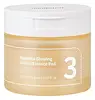 Key Ingredients
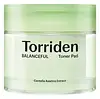
Benefits
Concerns
Ingredients Side-by-side
Water
Skin ConditioningDipropylene Glycol
HumectantGlycereth-26
Humectant
1,2-Hexanediol
Skin Conditioning
Niacinamide
Smoothing











Butylene Glycol
Humectant
Methyl Gluceth-20
Humectant
Cetearyl Olivate

Sorbitan Olivate
Emulsifying
Betaine
Humectant
Polyglyceryl-10 Laurate
Skin Conditioning
Adenosine
Skin Conditioning
Spiraea Ulmaria Extract
AstringentSodium Hyaluronate
Humectant
Saccharomyces Ferment
Skin Conditioning
Saccharomyces Ferment Filtrate
Humectant
Schizosaccharomyces Ferment Filtrate
Humectant
Aspergillus Ferment
Skin ConditioningAspergillus/Glucose/Soybean/Starch Ferment Filtrate
Lactococcus/Bean Seed Extract Ferment Filtrate
AntimicrobialLactobacillus/Rice Ferment
Skin Conditioning
Chlorella Ferment
Skin Conditioning
Lactobacillus/Algae Extract Ferment
Skin ProtectingSaccharomyces/Grape Ferment Extract
Skin Conditioning
Lactobacillus/Pumpkin Ferment Extract
Skin ConditioningLactobacillus/Soybean Ferment Extract
Skin ConditioningLactobacillus/Soybean Extract Ferment Filtrate
Skin ConditioningSaccharomyces/Rice Ferment Filtrate
Skin Conditioning
Saccharomyces/Barley Seed Ferment Filtrate
HumectantSaccharomyces/Calcium Ferment
Skin Conditioning
Saccharomyces/Laminaria Saccharina Ferment
Skin Conditioning
Saccharomyces/Potato Extract Ferment Filtrate
Humectant
Lactobacillus/Eriodictyon Californicum Ferment Extract
Skin ConditioningLactobacillus/Water Hyacinth Ferment
Skin ProtectingLactobacillus/Rye Flour Ferment
Skin ConditioningLactobacillus/Hibiscus Sabdariffa Flower Ferment Filtrate
Skin ConditioningLactobacillus/Milk Ferment Filtrate
Skin ConditioningLactobacillus
Skin ConditioningLactobacillus/Acerola Cherry Ferment
Skin ProtectingLactobacillus Ferment
Skin Conditioning
Lactobacillus Ferment Lysate Filtrate
Skin ConditioningLactococcus/Milk Ferment Lysate
Lactococcus Ferment
Skin ConditioningLactococcus Ferment Extract
Skin ConditioningLactococcus Ferment Lysate
Skin Conditioning
Streptococcus Thermophilus Ferment
Humectant
Aureobasidium Pullulans Ferment Filtrate
HumectantBifida Ferment Filtrate
Skin Conditioning
Bifida Ferment Extract
Humectant
Leuconostoc/Radish Root Ferment Filtrate
Antimicrobial
Lactobacillus/Wasabia Japonica Root Ferment Extract
Antioxidant
Lactobacillus/Punica Granatum Fruit Ferment Extract
Antioxidant
Bacillus/Glutamic Acid Ferment Filtrate
Skin ConditioningBacillus/Rice Bran Extract/Soybean Extract Ferment Filtrate
Antioxidant
Monascus/Rice Ferment
Antioxidant
Saccharomyces/Rice Bran Ferment Filtrate Extract
Skin Conditioning
Saccharomyces/Rice Bran Ferment
Humectant
Lactobacillus/Pear Juice Ferment Filtrate
Skin ConditioningPichia Ferment Lysate Filtrate
HumectantAlteromonas Ferment Extract
Skin Conditioning
Saccharomyces/Coix Lacryma-Jobi Ma-Yuen Seed Ferment Filtrate
Skin Conditioning
Saccharomyces/Soy Protein Ferment
Skin Conditioning
Sphingomonas Ferment Extract
Skin Conditioning
Saccharomyces/Malachite Ferment
Skin Conditioning
Tetrahydrocurcumin
Antioxidant
Gardenia Florida Fruit Extract
Skin ConditioningPolyquaternium-51
Skin Conditioning
Dextrin
AbsorbentAcrylates/C10-30 Alkyl Acrylate Crosspolymer
Emulsion StabilisingTromethamine
BufferingHydroxyethylcellulose
Emulsion StabilisingPelargonium Graveolens Flower Oil
Masking




Citronellol
Perfuming

Water, Dipropylene Glycol, Glycereth-26, 1,2-Hexanediol, Niacinamide, Butylene Glycol, Methyl Gluceth-20, Cetearyl Olivate, Sorbitan Olivate, Betaine, Polyglyceryl-10 Laurate, Adenosine, Spiraea Ulmaria Extract, Sodium Hyaluronate, Saccharomyces Ferment, Saccharomyces Ferment Filtrate, Schizosaccharomyces Ferment Filtrate, Aspergillus Ferment, Aspergillus/Glucose/Soybean/Starch Ferment Filtrate, Lactococcus/Bean Seed Extract Ferment Filtrate, Lactobacillus/Rice Ferment, Chlorella Ferment, Lactobacillus/Algae Extract Ferment, Saccharomyces/Grape Ferment Extract, Lactobacillus/Pumpkin Ferment Extract, Lactobacillus/Soybean Ferment Extract, Lactobacillus/Soybean Extract Ferment Filtrate, Saccharomyces/Rice Ferment Filtrate, Saccharomyces/Barley Seed Ferment Filtrate, Saccharomyces/Calcium Ferment, Saccharomyces/Laminaria Saccharina Ferment, Saccharomyces/Potato Extract Ferment Filtrate, Lactobacillus/Eriodictyon Californicum Ferment Extract, Lactobacillus/Water Hyacinth Ferment, Lactobacillus/Rye Flour Ferment, Lactobacillus/Hibiscus Sabdariffa Flower Ferment Filtrate, Lactobacillus/Milk Ferment Filtrate, Lactobacillus, Lactobacillus/Acerola Cherry Ferment, Lactobacillus Ferment, Lactobacillus Ferment Lysate Filtrate, Lactococcus/Milk Ferment Lysate, Lactococcus Ferment, Lactococcus Ferment Extract, Lactococcus Ferment Lysate, Streptococcus Thermophilus Ferment, Aureobasidium Pullulans Ferment Filtrate, Bifida Ferment Filtrate, Bifida Ferment Extract, Leuconostoc/Radish Root Ferment Filtrate, Lactobacillus/Wasabia Japonica Root Ferment Extract, Lactobacillus/Punica Granatum Fruit Ferment Extract, Bacillus/Glutamic Acid Ferment Filtrate, Bacillus/Rice Bran Extract/Soybean Extract Ferment Filtrate, Monascus/Rice Ferment, Saccharomyces/Rice Bran Ferment Filtrate Extract, Saccharomyces/Rice Bran Ferment, Lactobacillus/Pear Juice Ferment Filtrate, Pichia Ferment Lysate Filtrate, Alteromonas Ferment Extract, Saccharomyces/Coix Lacryma-Jobi Ma-Yuen Seed Ferment Filtrate, Saccharomyces/Soy Protein Ferment, Sphingomonas Ferment Extract, Saccharomyces/Malachite Ferment, Tetrahydrocurcumin, Gardenia Florida Fruit Extract, Polyquaternium-51, Dextrin, Acrylates/C10-30 Alkyl Acrylate Crosspolymer, Tromethamine, Hydroxyethylcellulose, Pelargonium Graveolens Flower Oil, Citronellol
Water
Skin ConditioningDipropylene Glycol
HumectantButylene Glycol
Humectant
Gluconolactone
Skin Conditioning
Panthenol
Skin Conditioning
Allantoin
Skin Conditioning
Sodium Hyaluronate
Humectant
Centella Asiatica Extract
Cleansing
Madecassoside
Antioxidant
Asiatic Acid
Skin Conditioning
Madecassic Acid
Skin Conditioning
Asiaticoside
Antioxidant
Capryloyl Salicylic Acid
Exfoliating
Hamamelis Virginiana Extract
Antiseborrhoeic
Althaea Rosea Flower Extract
Skin ConditioningNymphaea Caerulea Flower Extract
Skin ConditioningSwertia Japonica Extract
Skin ConditioningLactobacillus Ferment
Skin Conditioning
Glycerin
Humectant
Hydroxyacetophenone
Antioxidant
Pantolactone
Humectant
Polyglyceryl-10 Laurate
Skin Conditioning
Glyceryl Acrylate/Acrylic Acid Copolymer
HumectantPvm/Ma Copolymer
Emulsion StabilisingHydrogenated Phosphatidylcholine
Emulsifying
Sucrose Stearate
EmollientSodium Guaiazulene Sulfonate
Caprylic/Capric Triglyceride
Masking
Caprylyl Glycol
Emollient
Cholesterol
Emollient
Arginine
Masking
Melia Azadirachta Flower Extract
Skin ConditioningMelia Azadirachta Leaf Extract
Skin ConditioningDipotassium Glycyrrhizate
Humectant
1,2-Hexanediol
Skin Conditioning
Disodium EDTA
Ethylhexylglycerin
Skin ConditioningWater, Dipropylene Glycol, Butylene Glycol, Gluconolactone, Panthenol, Allantoin, Sodium Hyaluronate, Centella Asiatica Extract, Madecassoside, Asiatic Acid, Madecassic Acid, Asiaticoside, Capryloyl Salicylic Acid, Hamamelis Virginiana Extract, Althaea Rosea Flower Extract, Nymphaea Caerulea Flower Extract, Swertia Japonica Extract, Lactobacillus Ferment, Glycerin, Hydroxyacetophenone, Pantolactone, Polyglyceryl-10 Laurate, Glyceryl Acrylate/Acrylic Acid Copolymer, Pvm/Ma Copolymer, Hydrogenated Phosphatidylcholine, Sucrose Stearate, Sodium Guaiazulene Sulfonate, Caprylic/Capric Triglyceride, Caprylyl Glycol, Cholesterol, Arginine, Melia Azadirachta Flower Extract, Melia Azadirachta Leaf Extract, Dipotassium Glycyrrhizate, 1,2-Hexanediol, Disodium EDTA, Ethylhexylglycerin
Reviews
Ingredients Explained
These ingredients are found in both products.
Ingredients higher up in an ingredient list are typically present in a larger amount.
1,2-Hexanediol is a synthetic liquid and another multi-functional powerhouse.
It is a:
- Humectant, drawing moisture into the skin
- Emollient, helping to soften skin
- Solvent, dispersing and stabilizing formulas
- Preservative booster, enhancing the antimicrobial activity of other preservatives
Butylene Glycol (or BG) is used within cosmetic products for a few different reasons:
Overall, Butylene Glycol is a safe and well-rounded ingredient that works well with other ingredients.
Though this ingredient works well with most skin types, some people with sensitive skin may experience a reaction such as allergic rashes, closed comedones, or itchiness.
Learn more about Butylene GlycolDipropylene Glycol is a synthetically created humectant, stabilizer, and solvent.
This ingredient helps:
Dipropylene glycol is technically an alcohol, but it belongs to the glycol family (often considered part of the ‘good’ alcohols). This means it is hydrating and gentle on skin unlike drying solvent alcohols like denatured alcohol.
As a masking agent, Dipropylene Glycol can be used to cover the smell of other ingredients. However, it does not have a scent.
Studies show Dipropylene Glycol is considered safe to use in skincare.
Learn more about Dipropylene GlycolThis ingredient is made when the Lactobacillus bacteria (the same kind that makes yogurt and kimchi) are allowed to ferment a nutrient medium.
As it ferments, it collects lactic acid, peptides, enzymes, and other bioactive metabolites to provide:
A 2023 review noted that probiotic fermentation ingredients like this one can enhance antioxidant capacity, reduce UV-induced oxidative damage, and support barrier function.
One clinical study from the same year showed a Lactobacillus ferment lysate significantly reduced transepidermal water loss and improved skin hydration.
Another review highlighted that topical Lactobacillus-based preparations can improve ceramide levels in the stratum corneum, support barrier integrity, and even help reduce S. aureus colonization in atopic dermatitis.
Why is this so cool?
Basically, your skin's outer layer works as a brick wall; skin cells are bricks and ceramides are the mortar holding it together. Moisture escapes, irritants get in, and your skin gets dry and reactive when ceramide levels drop. On top of that, "bad" skin bacteria S. aureus loves to move in when your barrier is weak to make inflammation and irritation worse.
So Lactobacillus ferment is basically patching the wall and evicting the troublemaker when it boosts ceramide production and help keep S. aureus in check.
On top of all this, it also acts as a mild antimicrobial preservative booster.
Just so you know, most studies focus on specific strains or the lysate form rather than this generic "Lactobacillus Ferment", so results can vary.
Though it's a promising ingredient, it doesn't have decades of robust clinical data behind it just yet.
Lactobacillus Ferment is generally considered safe for fungal-acne prone skin. The key thing to understand is that it comes from bacteria, not yeast or fungus.
Yeast-derived ferments (like galactomyces) have been shown to activate a protein that's linked to Malassezia-related skin issues whereas lactobacillus doesn't have that problem.
Its byproducts also don't contain the types of fatty acids (C11-24 chain lengths) that Malassezia feeds on.
Learn more about Lactobacillus FermentPolyglyceryl-10 Laurate is a cleansing agent and emulsifier.
It rounds up dirt, oil, and grime, so they can be rinsed off easily as a cleanser. On the emulsifier side, it keeps your formula smooth and well-mixed by playing peacekeeper for ingredients that don't naturally get along (like oil and water).
Because it has a C12 (lauric acid) fatty acid chain, this ingredient can potentially feed the Malassezia yeast that causes fungal acne. The Malassezia yeast prefers esters with C11-C24 fatty acids If you're prone to flare-ups, you might want to patch-test or skip this one.
This ingredient is an ester of lauric acid and Polyglycerin-10.
Learn more about Polyglyceryl-10 LaurateSodium Hyaluronate is the salt form of hyaluronic acid. It is a long sugar chain that is naturally found in your skin, joints, and connective tissue that maintains hydration and elasticity.
In skincare, it works as a humectant. It pulls water from the environment and deeper layers of skin and binds it to the surface.
Interestingly, the size of the molecule affects its behavior:
Some clinical evidence links low molecular weight versions to improved wrinkle depth, elasticity, anti-inflammatory effects, and barrier repair.
Many serums use a blend of both weights so you can get surface hydration plus longer-lasting and deeper effects.
You'll typically see concentrations between 0.1-2% for this ingredient.
Learn more about Sodium HyaluronateWater. It's the most common cosmetic ingredient of all. You'll usually see it at the top of ingredient lists, meaning that it makes up the largest part of the product.
So why is it so popular? Water most often acts as a solvent - this means that it helps dissolve other ingredients into the formulation.
You'll also recognize water as that liquid we all need to stay alive. If you see this, drink a glass of water. Remember to stay hydrated!
Learn more about Water
