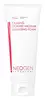
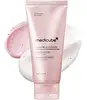
Neogen Calming Cica Tree Micellar Cleansing Foam Versus MediCube PDRN Pink Glutathione Capsule Cleansing Foam
This glycolic acid foaming cleanser is formulated around Glycolic Acid to exfoliate and smooth skin.

What's inside
What's inside
 Key Ingredients
Benefits
Concerns
Ingredients Side-by-side
Water
Skin ConditioningGlycerin
Humectant


Potassium Cocoyl Glycinate
Surfactant
Lauramidopropyl Betaine
CleansingHydroxypropyl Starch Phosphate
Acrylates Copolymer
Citric Acid
Buffering


Sodium Chloride
MaskingPotassium Cocoate
Emulsifying

Hydroxyacetophenone
Antioxidant
Dipropylene Glycol
HumectantCaprylyl Glycol
Emollient
Citrus Aurantium Bergamia Fruit Oil
Masking



Panthenol
Skin Conditioning

Butylene Glycol
Humectant
1,2-Hexanediol
Skin Conditioning
Sodium Alum
AstringentSodium Lactate
Buffering
Dipotassium Glycyrrhizate
Humectant
Centella Asiatica Extract
Cleansing

Houttuynia Cordata Extract
Skin Conditioning
Arginine
Masking
Cyanocobalamin
Skin ConditioningAspartic Acid
Masking
Sapindus Trifoliatus Fruit Extract
Skin ConditioningXanthan Gum
EmulsifyingGlycine
Buffering
Alanine
Masking
Gluconolactone
Chelating



Portulaca Oleracea Extract
Skin Conditioning
Saururus Chinensis Extract
Skin ConditioningMelaleuca Alternifolia Leaf Oil
Antioxidant
Zinc
Antioxidant
Capryloyl Salicylic Acid
Exfoliating

Serine
Masking
Valine
MaskingLeucine
Skin ConditioningThreonine
Proline
Skin Conditioning
Asiaticoside
Antioxidant
Madecassic Acid
Skin Conditioning
Asiatic Acid
Skin Conditioning
Caprylic/Capric Triglyceride
Masking
Phenylalanine
Masking
Histidine
Humectant
Artemisia Vulgaris Extract
Skin Conditioning
Aloe Barbadensis Leaf Extract
Emollient
Ethylhexylglycerin
Skin ConditioningAcorus Calamus Root Extract
Perfuming
Adansonia Digitata Seed Oil
Emollient
Ceramide NP
Skin Conditioning
Glucose
Humectant
Hydrogenated Lecithin
Emulsifying
Phospholipids
Skin Conditioning
Sodium Hyaluronate
Humectant
Chondrus Crispus Extract
Skin Conditioning
Melaleuca Alternifolia Leaf Extract
Perfuming
Cholesterol
Emollient
Tocopheryl Acetate
Antioxidant
Hydroxypropyltrimonium Hyaluronate
Madecassoside
Antioxidant
Ceramide Ns
Skin Conditioning
Ceramide As
Skin Conditioning
Ceramide AP
Skin Conditioning
Hydrolyzed Hyaluronic Acid
Humectant
Sodium Acetylated Hyaluronate
Humectant
Hyaluronic Acid
Humectant
Phytosterols
Skin Conditioning
Sodium Hyaluronate Crosspolymer
Humectant
Hydrolyzed Sodium Hyaluronate
Skin Conditioning
Potassium Hyaluronate
Skin ConditioningWater, Glycerin, Potassium Cocoyl Glycinate, Lauramidopropyl Betaine, Hydroxypropyl Starch Phosphate, Acrylates Copolymer, Citric Acid, Sodium Chloride, Potassium Cocoate, Hydroxyacetophenone, Dipropylene Glycol, Caprylyl Glycol, Citrus Aurantium Bergamia Fruit Oil, Panthenol, Butylene Glycol, 1,2-Hexanediol, Sodium Alum, Sodium Lactate, Dipotassium Glycyrrhizate, Centella Asiatica Extract, Houttuynia Cordata Extract, Arginine, Cyanocobalamin, Aspartic Acid, Sapindus Trifoliatus Fruit Extract, Xanthan Gum, Glycine, Alanine, Gluconolactone, Portulaca Oleracea Extract, Saururus Chinensis Extract, Melaleuca Alternifolia Leaf Oil, Zinc, Capryloyl Salicylic Acid, Serine, Valine, Leucine, Threonine, Proline, Asiaticoside, Madecassic Acid, Asiatic Acid, Caprylic/Capric Triglyceride, Phenylalanine, Histidine, Artemisia Vulgaris Extract, Aloe Barbadensis Leaf Extract, Ethylhexylglycerin, Acorus Calamus Root Extract, Adansonia Digitata Seed Oil, Ceramide NP, Glucose, Hydrogenated Lecithin, Phospholipids, Sodium Hyaluronate, Chondrus Crispus Extract, Melaleuca Alternifolia Leaf Extract, Cholesterol, Tocopheryl Acetate, Hydroxypropyltrimonium Hyaluronate, Madecassoside, Ceramide Ns, Ceramide As, Ceramide AP, Hydrolyzed Hyaluronic Acid, Sodium Acetylated Hyaluronate, Hyaluronic Acid, Phytosterols, Sodium Hyaluronate Crosspolymer, Hydrolyzed Sodium Hyaluronate, Potassium Hyaluronate
Water
Skin ConditioningGlycerin
Humectant
Sodium Cocoyl Glycinate
Cleansing
Sodium Lauroyl Glutamate
SurfactantLauryl Hydroxysultaine
CleansingCoco-Glucoside
Cleansing
Decyl Glucoside
Cleansing
1,2-Hexanediol
Skin Conditioning
Niacinamide
Smoothing
Sodium Chloride
MaskingCaprylyl Glycol
Emollient
Citric Acid
Buffering
Hydroxypropyl Starch Phosphate
Acrylates/C10-30 Alkyl Acrylate Crosspolymer
Emulsion StabilisingPolyquaternium-67
Silica
Abrasive
Parfum
Masking
Zea Mays Starch
Absorbent
Mannitol
Humectant
Microcrystalline Cellulose
AbsorbentDisodium EDTA
ChelatingCyanocobalamin
Skin ConditioningHydrogenated Lecithin
Emulsifying
CI 73360
Cosmetic ColorantGluconolactone
Chelating
Hydrolyzed Collagen
Emollient
Glycolic Acid
Buffering
Butylene Glycol
Humectant
Hydrolyzed Hyaluronic Acid
Humectant
Caprylic/Capric Triglyceride
Masking
Ceramide NP
Skin Conditioning
Adansonia Digitata Seed Oil
Emollient
Glutathione
Phellodendron Amurense Bark Extract
Skin ConditioningSalmon Egg Extract
Caprylyl/Capryl Glucoside
CleansingCamellia Japonica Flower Extract
EmollientPolyglyceryl-10 Laurate
Skin Conditioning
Polyglyceryl-10 Oleate
Skin Conditioning
Propanediol
Solvent
Sodium DNA
Skin Conditioning
Tocopherol
Antioxidant
Acetyl Hexapeptide-8
Humectant
Acetyl Tetrapeptide-5
Humectant
Adenosine
Skin Conditioning
Carnosine
Skin Conditioning
Ceramide As
Skin Conditioning
Ceramide Ns
Skin Conditioning
Palmitoyl Tetrapeptide-7
Skin Conditioning
Palmitoyl Tripeptide-5
Skin Conditioning
Ceramide AP
Skin Conditioning
Ceramide EOP
Skin Conditioning
Yeast Beta-Glucan
Skin ConditioningSodium Hyaluronate
Humectant
Water, Glycerin, Sodium Cocoyl Glycinate, Sodium Lauroyl Glutamate, Lauryl Hydroxysultaine, Coco-Glucoside, Decyl Glucoside, 1,2-Hexanediol, Niacinamide, Sodium Chloride, Caprylyl Glycol, Citric Acid, Hydroxypropyl Starch Phosphate, Acrylates/C10-30 Alkyl Acrylate Crosspolymer, Polyquaternium-67, Silica, Parfum, Zea Mays Starch, Mannitol, Microcrystalline Cellulose, Disodium EDTA, Cyanocobalamin, Hydrogenated Lecithin, CI 73360, Gluconolactone, Hydrolyzed Collagen, Glycolic Acid, Butylene Glycol, Hydrolyzed Hyaluronic Acid, Caprylic/Capric Triglyceride, Ceramide NP, Adansonia Digitata Seed Oil, Glutathione, Phellodendron Amurense Bark Extract, Salmon Egg Extract, Caprylyl/Capryl Glucoside, Camellia Japonica Flower Extract, Polyglyceryl-10 Laurate, Polyglyceryl-10 Oleate, Propanediol, Sodium DNA, Tocopherol, Acetyl Hexapeptide-8, Acetyl Tetrapeptide-5, Adenosine, Carnosine, Ceramide As, Ceramide Ns, Palmitoyl Tetrapeptide-7, Palmitoyl Tripeptide-5, Ceramide AP, Ceramide EOP, Yeast Beta-Glucan, Sodium Hyaluronate
Ingredients Explained
These ingredients are found in both products.
Ingredients higher up in an ingredient list are typically present in a larger amount.
1,2-Hexanediol is a synthetic liquid and another multi-functional powerhouse.
It is a:
- Humectant, drawing moisture into the skin
- Emollient, helping to soften skin
- Solvent, dispersing and stabilizing formulas
- Preservative booster, enhancing the antimicrobial activity of other preservatives
This ingredient is also known as Baobab Seed Oil. Like most plant oils, it works by sitting on the skin's surface to slow water loss and keep skin soft.
The fatty acid content of this oil is roughly 25-36% linoleic acid, 20-30% oleic acid, and 25-30% palmitic acid. Plus, it has smaller amounts of stearic and linolenic acid.
Linoleic acid is the most abundant fatty acid naturally found in your epidermis and your skin uses it to build ceramides.
Baobab seed oil also brings some Vitamin E that provides mild antioxidant activity and helps keep the oil itself stable.
An actual human study that ran a 48-hour occlusive patch test found this ingredient caused no significant irritation.
Because this ingredient is full of C16-18 fatty acids that Malassezia feeds on, this ingredient may not be fungal acne safe.
Learn more about Adansonia Digitata Seed OilButylene Glycol (or BG) is used within cosmetic products for a few different reasons:
Overall, Butylene Glycol is a safe and well-rounded ingredient that works well with other ingredients.
Though this ingredient works well with most skin types, some people with sensitive skin may experience a reaction such as allergic rashes, closed comedones, or itchiness.
Learn more about Butylene GlycolCaprylic/Capric Triglyceride (aka MCT Oil) is a lightweight emollient, solvent, and texture enhancer. It is considered a skin-softener by helping to prevent moisture loss.
Though it behaves like an oil, it is not technically one due to its chemical composition. One perk of this ingredient is that it is very stable, resistant to oxidation, and unlikely to go rancid.
In practice, that translates to a long shelf life and a consistently elegant skin feel.
While there is an assumption Caprylic Triglyceride can clog pores due to it being derived from coconut oil, there is no research supporting this. Just patch test if you have concerns.
Fractionated coconut oil and MCT Oil are both listed as Caprylic/Capric Triglyceride according to INCI. This is because INCI names are based on the ingredient’s final chemical composition and not its marketing name or source.
This ingredient is treated as the gold standard fungal acne safe oil. Even though it is coconut derived, the problematic lauric acid is stripped out.
This leaves just caprylic (C8) and capric (C10) acid. These chain lengths actually trend antifungal; a 2020 study found caprylic acid was enough to disrupt Malassezia furfur cell membrane, with a caprylic acid derivative damaging membrane structures at concentrations as low as 0.2%.
Learn more about Caprylic/Capric TriglycerideCaprylyl Glycol is a humectant, skin conditioner, emollient, and preservative booster derived from either caprylic acid or synthetically created.
Typical use levels vary from 0.3-1% as a preservative booster and go up to 2% to condition skin.
Because it is not a free-fatty acid, this ingredient is fungal acne safe (there's nothing for Malassezia to feed on).
Learn more about Caprylyl GlycolCeramide AP is is a skin-identical lipid that mimics what your skin already makes naturally. Ceramides help maintain epidermal integrity and barrier function.
You'll often see this ingredient paired with other ceramides (like ceramide NP), cholesterol, or fatty acids because this combination best mimics the natural lipid mix your skin already has.
The skin's ability to produce ceramides gets disrupted in skin conditions like eczema. This in turn weakens the skin barrier and applying ceramides topically has been shown to replenish what's been lost to restore barrier function.
Most of the studies with Ceramide AP test it as part of a multi-ceramide complex; studies reinforce ceramide AP's role in rebalancing ceramides in skin and improving skin hydration.
Learn more about Ceramide APCeramide AS is formally known as Ceramides 4 and 5.
Ceramides are intercellular lipids naturally found in our skin that bonds dead skin cells together to create a barrier. They are known for their ability to hold water and thus are a great ingredient for dry skin.
Ceramide NP (formerly known as Ceramide 3) is one of the skin's naturally occurring lipids.
Since ceramides are the major lipid components of the skin, they are crucial for maintaining skin barrier and hydration. Ceramide NP most closely mirrors the dominant kind in human skin amongst ceramide subtypes.
This ceramide works by slotting into gaps within the stratum corneum's lipid matrix to limit trans-epidermal water loss (TEWL) and shield the skin against external irritants.
A study with 312 patients found that using a ceramide-containing routine for 4 weeks reduced the severity of atopic dermatitis by over 61%.
Another clinical study in subjects aged 60 and older found that a ceramide body wash and moisturizer improved skin dryness and itchy skin in 15 days.
Overall, ceramides are considered non-irritating and safety tests have found little to no observable adverse effects from using this ingredient.
Ceramide NP is usually sourced from plants (like soybean or rice bran), or produced synthetically.
Learn more about Ceramide NPCeramide NS is formally known as Ceramide 2. It is one of the major ceramides in the stratum corneum (outermost layer of skin) plays a role in forming a protective barrier.
Due to its structure, skin lipids can be packed tightly and in turn, this strengthens the barrier and reduces water loss.
Studies show conditions like atopic dermatitis can worsen when ceramide NS levels are low.
Learn more about Ceramide NsCitric Acid is an alpha hydroxy acid (AHA) naturally found in citrus fruits like oranges, lemons, and limes.
Like other AHAs, citric acid can exfoliate skin by breaking down the bonds that hold dead skin cells together. This helps reveal smoother and brighter skin underneath.
However, this exfoliating effect only happens at high concentrations (20%) which can be hard to find in cosmetic products.
Due to this, citric acid is usually included in small amounts as a pH adjuster. This helps keep products slightly more acidic and compatible with skin's natural pH.
In skincare formulas, citric acid can:
While it can provide some skin benefits, research shows lactic acid and glycolic acid are generally more effective and less irritating exfoliants.
Most citric acid used in skincare today is made by fermenting sugars (usually from molasses). This synthetic version is identical to the natural citrus form but easier to stabilize and use in formulations.
Rosacea skin has a lower threshold for acids generally, with 62.5% of rosacea subjects in one study reacting to lactic acid in a sting test. This is why we mark citric acid as a potential rosacea trigger.
However, this ingredient shows up as a pH adjuster or chelator at roughly 0.1-1% in many products. These low levels are unlikely to be an issue for rosacea skin and becomes a potential trigger at exfoliating concentrations (20%). Because everybody's skin is unique, we recommend a patch test if you are unsure.
Learn more about Citric AcidCyanocobalamin is the manufactured version of vitamin B12. It has skin soothing, antioxidant, and barrier protecting properties. Topical cyanocobalamin is used to treat skin irritation and atopic dermatitis.
Gluconolactone is a PHA. PHAs are a great gentle alternative to traditional AHAs.
When applied, Gluconolactone has the same affect on skin as AHAs such as lactic acid. It helps dissolve the dead skin cells in the top layer of your skin. This improves texture and brightens the skin.
PHAs are more gentle than AHAs due to their larger structure. They do not penetrate as deeply as AHAs and take a longer time to dissolve dead cells. Studies show PHAs do not cause as much irritation.
Gluconolactone has some interesting properties:
In a 2004 study, Gluconolactone was found to prevent UV damage in mouse skin cells and has not been found to increase sun sensitivity. However, we still recommend wearing SPF daily.
This ingredient is is an created by reacting gluconic acid with an alcohol.
Learn more about GluconolactoneGlycerin (or glycerol) is a compound naturally found in your skin. It's a powerhouse humectant that pulls water into the stratum corneum.
Topically, glycerin does several things at once:
Your skin makes glycerin on its own (mostly from sebaceous oil breakdown) and shuttles it to your outermost layer of skin, or your epidermis, via aquaporin-3.
Aquaporin-3 is a transporter that is essential for normal skin hydration, elasticity, and repair. Interestingly, mice lacking in AQP3 have dry and less elastic skin that can be fully corrected with glycerin.
This ingredient is non-irritating, plays well with almost every ingredient, and works across all skin types. Typical use is anywhere between 3-10% but can go up to 79% in some leave-on products.
Just know very high concentrations (>40%) can feel tacky in low humidity.
Glycerin is the name for this ingredient in American English. British English uses Glycerol/Glycerine.
Learn more about GlycerinHydrogenated Lecithin is a more stable version of lecithin.
It's made by taking lecithin (a phospholipid commonly found in soybeans and egg yolks) and hydrogenating it. This just means the unsaturated fatty acids are turned into saturated ones so they don't go bad as easily.
This ingredient is an emollient, emulsifier, and penetration enhancer. As an emollient, it helps soften and hydrate skin by trapping moisture within. As an emulsifier, it prevents oil and water ingredients from separating.
Hydrogenated Lecithin can form tiny spherical structures made of phospholipid bilayers called liposomes. These liposomes are able to capture compounds inside their structure and deliver them through the skin barrier.
Because phospholipids are a natural component of our cell membranes, this ingredient is inherently compatible with skin.
A 2021 study found lecithin-based surfactants were less harsh and more tolerable comared to Sodium Lauryl Sulfate (SLS).
Learn more about Hydrogenated LecithinHydrolyzed Hyaluronic Acid is hyaluronic acid (HA) that is broken down into lower molecular weight fragments.
It's a humectant that pulls and holds water in the skin to help with hydration, plumpness, and reduce transepidermal water loss.
Because hydrolyzed hyaluronic acid is smaller in size, it can slip past your outermost layer of skin more easily than full-sized HA.
Most formulations will combine all sizes to get the best of both worlds.
Typical usage levels range from 0.01-1%. Any percentage higher than 2% might become goopy and tacky.
Learn more about Hydrolyzed Hyaluronic AcidHydroxypropyl Starch Phosphate is a modified starch used to help thicken a product.
It is also used in foods.
Chances are, you eat sodium chloride every day. Sodium Chloride is also known as table salt. This ingredient has many purposes in skincare: thickener, emulsifier, and exfoliator.
You'll most likely find this ingredient in cleansers where it is used to create a gel-like texture. As an emulsifier, it also prevents ingredients from separating.
You might see people debate whether Sodium Chloride is comedogenic, but there actually haven't been any comedogenic tests done on it. Either way, the overall formulation of a product matters a lot more than any single ingredient.
You might see this ingredient used in scrubs as a primary exfoliating ingredient.
Learn more about Sodium ChlorideSodium Hyaluronate is the salt form of hyaluronic acid. It is a long sugar chain that is naturally found in your skin, joints, and connective tissue that maintains hydration and elasticity.
In skincare, it works as a humectant. It pulls water from the environment and deeper layers of skin and binds it to the surface.
Interestingly, the size of the molecule affects its behavior:
Some clinical evidence links low molecular weight versions to improved wrinkle depth, elasticity, anti-inflammatory effects, and barrier repair.
Many serums use a blend of both weights so you can get surface hydration plus longer-lasting and deeper effects.
You'll typically see concentrations between 0.1-2% for this ingredient.
Learn more about Sodium HyaluronateWater. It's the most common cosmetic ingredient of all. You'll usually see it at the top of ingredient lists, meaning that it makes up the largest part of the product.
So why is it so popular? Water most often acts as a solvent - this means that it helps dissolve other ingredients into the formulation.
You'll also recognize water as that liquid we all need to stay alive. If you see this, drink a glass of water. Remember to stay hydrated!
Learn more about Water

