
What's inside
What's inside
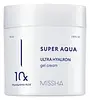 Key Ingredients
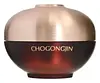
Benefits
Concerns
Ingredients Side-by-side
Water
Skin ConditioningGlycerin
Humectant


Diglycerin
Humectant
Niacinamide
Smoothing









Trehalose
Humectant
1,2-Hexanediol
Skin Conditioning
Caprylic/Capric Triglyceride
Masking
Vinyldimethicone

Pentylene Glycol
Skin Conditioning
Caprylyl Methicone
Skin Conditioning
Isoamyl Laurate
Emollient
Acrylates/C10-30 Alkyl Acrylate Crosspolymer
Emulsion StabilisingAmmonium Acryloyldimethyltaurate/Vp Copolymer
Hydroxyacetophenone
Antioxidant
Tromethamine
BufferingGlyceryl Acrylate/Acrylic Acid Copolymer
HumectantDimethiconol
Emollient
Citrus Aurantium Bergamia Fruit Oil
Masking


Xanthan Gum
EmulsifyingAdenosine
Skin Conditioning
Citric Acid
Buffering

Cetearyl Olivate
Lavandula Angustifolia Oil
Masking

Sorbitan Olivate
Emulsifying
Citrus Aurantium Dulcis Peel Oil
Masking
Sodium Phytate
Dipotassium Glycyrrhizate
Humectant
Pinus Sylvestris Leaf Oil
Masking
Propanediol
Solvent
Sodium Hyaluronate
Humectant
Benzyl Glycol
SolventHydrolyzed Glycosaminoglycans
HumectantHydroxypropyltrimonium Hyaluronate
Sodium Hyaluronate Crosspolymer
Humectant
Glyceryl Glucoside
Humectant
Hydrolyzed Hyaluronic Acid
Humectant
Butylene Glycol
Humectant
Ethylhexylglycerin
Skin ConditioningXylitylglucoside
Humectant
Methyl Diisopropyl Propionamide
MaskingAnhydroxylitol
Humectant
Sodium Acetylated Hyaluronate
Humectant
Dipropylene Glycol
HumectantXylitol
Humectant
Sucrose Palmitate
EmollientHydrogenated Lecithin
Emulsifying
Hyaluronic Acid
Humectant
Hydrolyzed Sodium Hyaluronate
Skin Conditioning
Macadamia Ternifolia Seed Oil
Emollient
Olea Europaea Fruit Oil
Masking
Simmondsia Chinensis Seed Oil
Emollient
Vitis Vinifera Seed Oil
Emollient
Actinidia Polygama Fruit Extract
Skin ConditioningCholeth-24
EmulsifyingGlyceryl Caprylate
EmollientPotassium Hyaluronate
Skin ConditioningMagnesium Chloride
Tetradecyl Aminobutyroylvalylaminobutyric Urea Trifluoroacetate
Skin ConditioningCeramide NP
Skin Conditioning
Water, Glycerin, Diglycerin, Niacinamide, Trehalose, 1,2-Hexanediol, Caprylic/Capric Triglyceride, Vinyldimethicone, Pentylene Glycol, Caprylyl Methicone, Isoamyl Laurate, Acrylates/C10-30 Alkyl Acrylate Crosspolymer, Ammonium Acryloyldimethyltaurate/Vp Copolymer, Hydroxyacetophenone, Tromethamine, Glyceryl Acrylate/Acrylic Acid Copolymer, Dimethiconol, Citrus Aurantium Bergamia Fruit Oil, Xanthan Gum, Adenosine, Citric Acid, Cetearyl Olivate, Lavandula Angustifolia Oil, Sorbitan Olivate, Citrus Aurantium Dulcis Peel Oil, Sodium Phytate, Dipotassium Glycyrrhizate, Pinus Sylvestris Leaf Oil, Propanediol, Sodium Hyaluronate, Benzyl Glycol, Hydrolyzed Glycosaminoglycans, Hydroxypropyltrimonium Hyaluronate, Sodium Hyaluronate Crosspolymer, Glyceryl Glucoside, Hydrolyzed Hyaluronic Acid, Butylene Glycol, Ethylhexylglycerin, Xylitylglucoside, Methyl Diisopropyl Propionamide, Anhydroxylitol, Sodium Acetylated Hyaluronate, Dipropylene Glycol, Xylitol, Sucrose Palmitate, Hydrogenated Lecithin, Hyaluronic Acid, Hydrolyzed Sodium Hyaluronate, Macadamia Ternifolia Seed Oil, Olea Europaea Fruit Oil, Simmondsia Chinensis Seed Oil, Vitis Vinifera Seed Oil, Actinidia Polygama Fruit Extract, Choleth-24, Glyceryl Caprylate, Potassium Hyaluronate, Magnesium Chloride, Tetradecyl Aminobutyroylvalylaminobutyric Urea Trifluoroacetate, Ceramide NP
Phellinus Linteus Extract
Skin ConditioningDipropylene Glycol
HumectantDimethicone
Emollient
Cyclopentasiloxane
Emollient
Butylene Glycol
Humectant
Water
Skin ConditioningGlycerin
Humectant
Cetearyl Alcohol
Emollient


PCA Dimethicone
Skin Conditioning
Pentylene Glycol
Skin Conditioning
Glycereth-26
Humectant
Niacinamide
Smoothing
Petrolatum
Emollient
Trisiloxane
Skin Conditioning
Glyceryl Stearate Se
Emulsifying
Chlorella Vulgaris Extract
Skin ConditioningTheobroma Cacao Seed Extract
Antioxidant
Macadamia Integrifolia Seed Oil
Skin Conditioning
Vincetoxicum Atratum Extract
Skin ConditioningAlthaea Rosea Flower Extract
Skin ConditioningAngelica Gigas Extract
Skin ConditioningCornus Officinalis Fruit Extract
Skin ConditioningThymus Vulgaris Extract
Perfuming
Velvet Extract
HumectantHydrolyzed Hyaluronic Acid
Humectant
Helianthus Annuus Seed Oil
Emollient
Candida Bombicola/Glucose/Methyl Rapeseedate Ferment
AntimicrobialPanax Ginseng Root Extract
Emollient
Eclipta Prostrata Extract
Skin Conditioning
Melia Azadirachta Leaf Extract
Skin ConditioningMelia Azadirachta Flower Extract
Skin ConditioningOcimum Sanctum Leaf Extract
Skin ConditioningCurcuma Longa Root Extract
Masking
Corallina Officinalis Extract
Skin Conditioning
Macadamia Ternifolia Seed Oil
Emollient
Moringa Oleifera Seed Oil
Emollient
Glyceryl Stearate
Emollient
PEG-100 Stearate
Ammonium Acryloyldimethyltaurate/Vp Copolymer
PEG-150 Distearate
Emulsifying
Caprylyl Glycol
Emollient
Glucose
Humectant
Fructooligosaccharides
Humectant
Fructose
Humectant
Dextrin
AbsorbentDipotassium Glycyrrhizate
Humectant
Adenosine
Skin Conditioning
1,2-Hexanediol
Skin Conditioning
Sodium Phytate
Ceramide NP
Skin Conditioning
Phytosphingosine
Skin Conditioning
Ethylhexylglycerin
Skin Conditioning3-O-Ethyl Ascorbic Acid
Skin Conditioning
Polyglyceryl-10 Pentastearate
Skin Conditioning
Methylpropanediol
SolventSodium Stearoyl Glutamate
CleansingHydrolyzed Elastin
EmollientAcetyl Hexapeptide-8
Humectant
Xanthan Gum
EmulsifyingBHT
Antioxidant
Phenoxyethanol
Preservative
Parfum
Masking

Benzyl Salicylate
Perfuming
Alpha-Isomethyl Ionone
Perfuming
Citronellol
Perfuming
Geraniol
Perfuming
Linalool
Perfuming
Limonene
Perfuming
Hydroxycitronellal
Perfuming
Hexyl Cinnamal
Perfuming
CI 77480
Cosmetic ColorantPhellinus Linteus Extract, Dipropylene Glycol, Dimethicone, Cyclopentasiloxane, Butylene Glycol, Water, Glycerin, Cetearyl Alcohol, PCA Dimethicone, Pentylene Glycol, Glycereth-26, Niacinamide, Petrolatum, Trisiloxane, Glyceryl Stearate Se, Chlorella Vulgaris Extract, Theobroma Cacao Seed Extract, Macadamia Integrifolia Seed Oil, Vincetoxicum Atratum Extract, Althaea Rosea Flower Extract, Angelica Gigas Extract, Cornus Officinalis Fruit Extract, Thymus Vulgaris Extract, Velvet Extract, Hydrolyzed Hyaluronic Acid, Helianthus Annuus Seed Oil, Candida Bombicola/Glucose/Methyl Rapeseedate Ferment, Panax Ginseng Root Extract, Eclipta Prostrata Extract, Melia Azadirachta Leaf Extract, Melia Azadirachta Flower Extract, Ocimum Sanctum Leaf Extract, Curcuma Longa Root Extract, Corallina Officinalis Extract, Macadamia Ternifolia Seed Oil, Moringa Oleifera Seed Oil, Glyceryl Stearate, PEG-100 Stearate, Ammonium Acryloyldimethyltaurate/Vp Copolymer, PEG-150 Distearate, Caprylyl Glycol, Glucose, Fructooligosaccharides, Fructose, Dextrin, Dipotassium Glycyrrhizate, Adenosine, 1,2-Hexanediol, Sodium Phytate, Ceramide NP, Phytosphingosine, Ethylhexylglycerin, 3-O-Ethyl Ascorbic Acid, Polyglyceryl-10 Pentastearate, Methylpropanediol, Sodium Stearoyl Glutamate, Hydrolyzed Elastin, Acetyl Hexapeptide-8, Xanthan Gum, BHT, Phenoxyethanol, Parfum, Benzyl Salicylate, Alpha-Isomethyl Ionone, Citronellol, Geraniol, Linalool, Limonene, Hydroxycitronellal, Hexyl Cinnamal, CI 77480
Ingredients Explained
These ingredients are found in both products.
Ingredients higher up in an ingredient list are typically present in a larger amount.
1,2-Hexanediol is a synthetic liquid and another multi-functional powerhouse.
It is a:
- Humectant, drawing moisture into the skin
- Emollient, helping to soften skin
- Solvent, dispersing and stabilizing formulas
- Preservative booster, enhancing the antimicrobial activity of other preservatives
Adenosine is in every living organism. It is one of four components in nucleic acids that helps store our DNA.
Adenosine has many benefits when used. These benefits include hydrating the skin, smoothing skin, and reducing wrinkles. Once applied, adenosine increases collagen production. It also helps with improving firmness and tissue repair.
Studies have found adenosine may also help with wound healing.
In skincare products, Adenosine is usually derived from yeast.
Learn more about AdenosineAmmonium Acryloyldimethyltaurate/Vp Copolymer is a synthetically created polymer. It's used as a film-forming agent and used to thicken the consistency of products.
Think of it as a supportive ingredient that helps your gel-creams feel silky, "cloud cream-like", and spread evenly without being greasy.
The Cosmetic Ingredient Review (CIR) Expert Panel evaluated it (along with 22 other acryloyldimethyltaurate polymers) and concluded it's:
Due to its large molecular size, it sits on the surface of skin rather than penetrating it.
Learn more about Ammonium Acryloyldimethyltaurate/Vp CopolymerButylene Glycol (or BG) is used within cosmetic products for a few different reasons:
Overall, Butylene Glycol is a safe and well-rounded ingredient that works well with other ingredients.
Though this ingredient works well with most skin types, some people with sensitive skin may experience a reaction such as allergic rashes, closed comedones, or itchiness.
Learn more about Butylene GlycolCeramide NP (formerly known as Ceramide 3) is one of the skin's naturally occurring lipids.
Since ceramides are the major lipid components of the skin, they are crucial for maintaining skin barrier and hydration. Ceramide NP most closely mirrors the dominant kind in human skin amongst ceramide subtypes.
This ceramide works by slotting into gaps within the stratum corneum's lipid matrix to limit trans-epidermal water loss (TEWL) and shield the skin against external irritants.
A study with 312 patients found that using a ceramide-containing routine for 4 weeks reduced the severity of atopic dermatitis by over 61%.
Another clinical study in subjects aged 60 and older found that a ceramide body wash and moisturizer improved skin dryness and itchy skin in 15 days.
Overall, ceramides are considered non-irritating and safety tests have found little to no observable adverse effects from using this ingredient.
Ceramide NP is usually sourced from plants (like soybean or rice bran), or produced synthetically.
Learn more about Ceramide NPDipotassium Glycyrrhizate comes from licorice root.
Extracts of licorice have demonstrated to have antibacterial, anti‐inflammatory, antiviral, antioxidant properties.
One component, glabridin, has extra potent antioxidant and soothing properties. It has also been found to block pigmentation from UVB rays in guinea pigs.
Licorice Root also contains a flavonoid. Flavonoids are a natural substance from in plants. Flavonoids also have antioxidant properties.
Another component, glycyrrhizin, has been found to have anti-inflammatory and antimicrobial benefits. This may make licorice root extract effective at treating acne. However, more research is needed to support this.
Liquiritin is one of the flavone compounds found in licorice. It has been found to help lighten skin by preventing tyrosinase from reacting with tyrosine. When the two react, protein is converted to melanin. Melanin is the substance in your body that gives your features pigmentation.
Licorice root is native to Southern Europe and Asia. It has been used in traditional Chinese medicine to help with respiratory issues.
Learn more about Dipotassium GlycyrrhizateDipropylene Glycol is a synthetically created humectant, stabilizer, and solvent.
This ingredient helps:
Dipropylene glycol is technically an alcohol, but it belongs to the glycol family (often considered part of the ‘good’ alcohols). This means it is hydrating and gentle on skin unlike drying solvent alcohols like denatured alcohol.
As a masking agent, Dipropylene Glycol can be used to cover the smell of other ingredients. However, it does not have a scent.
Studies show Dipropylene Glycol is considered safe to use in skincare.
Learn more about Dipropylene GlycolEthylhexylglycerin is created from glycerin. It is a multitasker ingredient that:
The CIR Expert Panel found minimal skin absorption or sensitization of any kind in a safety assessment. Though this ingredient is considered well-tolerated, a small number of cases of allergic dermatitis have been published since 2002. Just be sure to patch test if you are unsure.
Industry-reported use ranges from 8% in rinse-off products and 2% in leave-on formulations.
Learn more about EthylhexylglycerinGlycerin (or glycerol) is a compound naturally found in your skin. It's a powerhouse humectant that pulls water into the stratum corneum.
Topically, glycerin does several things at once:
Your skin makes glycerin on its own (mostly from sebaceous oil breakdown) and shuttles it to your outermost layer of skin, or your epidermis, via aquaporin-3.
Aquaporin-3 is a transporter that is essential for normal skin hydration, elasticity, and repair. Interestingly, mice lacking in AQP3 have dry and less elastic skin that can be fully corrected with glycerin.
This ingredient is non-irritating, plays well with almost every ingredient, and works across all skin types. Typical use is anywhere between 3-10% but can go up to 79% in some leave-on products.
Just know very high concentrations (>40%) can feel tacky in low humidity.
Glycerin is the name for this ingredient in American English. British English uses Glycerol/Glycerine.
Learn more about GlycerinHydrolyzed Hyaluronic Acid is hyaluronic acid (HA) that is broken down into lower molecular weight fragments.
It's a humectant that pulls and holds water in the skin to help with hydration, plumpness, and reduce transepidermal water loss.
Because hydrolyzed hyaluronic acid is smaller in size, it can slip past your outermost layer of skin more easily than full-sized HA.
Most formulations will combine all sizes to get the best of both worlds.
Typical usage levels range from 0.01-1%. Any percentage higher than 2% might become goopy and tacky.
Learn more about Hydrolyzed Hyaluronic AcidMacadamia Ternifolia Seed Oil is the fixed oil obtained from Macadamia nut native to Australia. Due to its similarity with our skin's natural oils, macadamia oil absorbs easily without feeling greasy.
Macadamia seed oil is rich in fatty acids, including oleic acid (45-75%), palmitoleic acid (7-33%), and palmitic acid (6-12%). They also contain various B vitamins, iron, and magnesium.
Palmitoleic acid helps calm inflammation and supports wound healing while oleic acid helps hydrate the skin.
Due to the high amounts of palmitic and oleic acid, this ingredient may not be fungal acne safe. These are fatty acids that Malassezia yeast can feed on (C11-C24 chain length). If you're prone to fungal acne, this one's probably not for you.
You'll also see this ingredient listed as: Macadamia Integrifolia Seed Oil . This is the same ingredient; M. ternifolia is an older INCI naming convention for the edible macadamia nut, while M. integrifolia is the species actually cultivated for oil production. Both names refer to the same oil.
Learn more about Macadamia Ternifolia Seed OilNiacinamide is a multitasking form of vitamin B3 that strengthens the skin barrier, reduces pores and dark spots, regulates oil, and improves signs of aging.
And the best part? It's gentle and well-tolerated by most skin types, including sensitive and reactive skin.
You might have heard of "niacin flush", or the reddening of skin that causes itchiness. Niacinamide has not been found to cause this.
In very rare cases, some individuals may not be able to tolerate niacinamide at all or experience an allergic reaction to it.
If you are experiencing flaking, irritation, and dryness with this ingredient, be sure to double check all your products as this ingredient can be found in all categories of skincare.
When incorporating niacinamide into your routine, look out for concentration amounts. Typically, 5% niacinamide provides benefits such as fading dark spots. However, if you have sensitive skin, it is better to begin with a smaller concentration.
When you apply niacinamide to your skin, your body converts it into nicotinamide adenine dinucleotide (NAD). NAD is an essential coenzyme that is already found in your cells as "fuel" and powers countless biological processes.
In your skin, NAD helps repair cell damage, produce new healthy cells, support collagen production, strengthen the skin barrier, and fight environmental stressors (like UV and pollution).
Our natural NAD levels start to decline with age, leading to slower skin repair, visible aging, and a weaker skin barrier. By providing your skin niacinamide, you're recharging your skin's NAD levels. This leads to stronger, healthier, and younger looking skin.
Another name for vitamin B3 is nicotinamide. This vitamin is water-soluble and our bodies don't store it. We obtain Vitamin B3 from either food or skincare. Meat, fish, wheat, yeast, and leafy greens contain vitamin B3.
The type of niacinamide used in skincare is synthetically created.
Learn more about NiacinamidePentylene glycol is typically used within a product to thicken it. It also adds a smooth, soft, and moisturizing feel to the product. It is naturally found in plants such as sugar beets.
The hydrophilic trait of Pentylene Glycol makes it a humectant. As a humectant, Pentylene Glycol helps draw moisture from the air to your skin. This can help keep your skin hydrated.
This property also makes Pentylene Glycol a great texture enhancer. It can also help thicken or stabilize a product.
Pentylene Glycol also acts as a mild preservative and helps to keep a product microbe-free.
Some people may experience mild eye and skin irritation from Pentylene Glycol. We always recommend speaking with a professional about using this ingredient in your routine.
Pentylene Glycol has a low molecular weight and is part of the 1,2-glycol family.
Learn more about Pentylene GlycolSodium Phytate is the synthetic salt form of phytic acid. Phytic acid is an antioxidant and can be found in plant seeds.
Sodium Phytate is a chelating agent. Chelating agents help prevent metals from binding to water. This helps stabilize the ingredients and the product.
Water. It's the most common cosmetic ingredient of all. You'll usually see it at the top of ingredient lists, meaning that it makes up the largest part of the product.
So why is it so popular? Water most often acts as a solvent - this means that it helps dissolve other ingredients into the formulation.
You'll also recognize water as that liquid we all need to stay alive. If you see this, drink a glass of water. Remember to stay hydrated!
Learn more about WaterXanthan gum is used as a stabilizer and thickener within cosmetic products. It helps give products a sticky, thick feeling - preventing them from being too runny.
On the technical side of things, xanthan gum is a polysaccharide - a combination consisting of multiple sugar molecules bonded together.
Xanthan gum is a pretty common and great ingredient. It is a natural, non-toxic, non-irritating ingredient that is also commonly used in food products.
Learn more about Xanthan Gum
