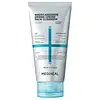
This mild gel cleanser is made to cleanse while calming and soothing your skin.
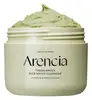
This mild cream cleanser is made to cleanse without leaving your skin tight or dry.

What's inside
What's inside
 Key Ingredients
Benefits
Concerns
Ingredients Side-by-side
Glycerin
Humectant


Water
Skin ConditioningSodium Cocoyl Glycinate
Cleansing
Lauryl Hydroxysultaine
CleansingCoco-Glucoside
Cleansing
Centella Asiatica Leaf Extract
Skin Conditioning


Pyrus Communis Fruit Extract
Skin ConditioningJuniperus Virginiana Oil
Masking


Rosa Damascena Flower Water
Masking
Cucumis Melo Fruit Extract
Skin ConditioningIris Florentina Root Extract
MaskingSimmondsia Chinensis Seed Oil
Emollient

Hedera Helix Leaf/Stem Extract
AntimicrobialTheobroma Cacao Extract
Skin ConditioningPogostemon Cablin Leaf Oil
Masking
Artemisia Vulgaris Oil
Perfuming

Quillaja Saponaria Bark Extract
CleansingRosmarinus Officinalis Leaf Oil
Masking
Sodium Hyaluronate
Humectant
Vincetoxicum Atratum Extract
Skin ConditioningAlthaea Rosea Flower Extract
Skin ConditioningCentella Asiatica Extract
Cleansing
1,2-Hexanediol
Skin Conditioning
Caprylyl Glycol
Emollient
Gluconolactone
Chelating




Hectorite
AbsorbentHydroxypropyl Starch Phosphate
Pentylene Glycol
Skin Conditioning
Sodium Lauroyl Glutamate
SurfactantCitric Acid
Buffering
Acrylates/C10-30 Alkyl Acrylate Crosspolymer
Emulsion StabilisingDecyl Glucoside
Cleansing
Polyquaternium-7
Dextrin
AbsorbentSodium Cocoyl Isethionate
Cleansing
Sodium Chloride
MaskingSodium Polyacrylate
Absorbent
Propanediol
Solvent
Sodium Phytate
ChelatingPolyglyceryl-10 Isostearate
Skin Conditioning
Polyglyceryl-10 Oleate
Skin Conditioning
Butylene Glycol
Humectant
Niacinamide
Smoothing

Panthenol
Skin Conditioning
Madecassoside
Antioxidant
Ethylhexylglycerin
Skin ConditioningSodium Benzoate
Masking
Gardenia Florida Fruit Extract
Skin ConditioningGlycerin, Water, Sodium Cocoyl Glycinate, Lauryl Hydroxysultaine, Coco-Glucoside, Centella Asiatica Leaf Extract, Pyrus Communis Fruit Extract, Juniperus Virginiana Oil, Rosa Damascena Flower Water, Cucumis Melo Fruit Extract, Iris Florentina Root Extract, Simmondsia Chinensis Seed Oil, Hedera Helix Leaf/Stem Extract, Theobroma Cacao Extract, Pogostemon Cablin Leaf Oil, Artemisia Vulgaris Oil, Quillaja Saponaria Bark Extract, Rosmarinus Officinalis Leaf Oil, Sodium Hyaluronate, Vincetoxicum Atratum Extract, Althaea Rosea Flower Extract, Centella Asiatica Extract, 1,2-Hexanediol, Caprylyl Glycol, Gluconolactone, Hectorite, Hydroxypropyl Starch Phosphate, Pentylene Glycol, Sodium Lauroyl Glutamate, Citric Acid, Acrylates/C10-30 Alkyl Acrylate Crosspolymer, Decyl Glucoside, Polyquaternium-7, Dextrin, Sodium Cocoyl Isethionate, Sodium Chloride, Sodium Polyacrylate, Propanediol, Sodium Phytate, Polyglyceryl-10 Isostearate, Polyglyceryl-10 Oleate, Butylene Glycol, Niacinamide, Panthenol, Madecassoside, Ethylhexylglycerin, Sodium Benzoate, Gardenia Florida Fruit Extract
Glycerin
Humectant
Water
Skin ConditioningSodium Cocoyl Isethionate
Cleansing
Sodium Cocoyl Glycinate
Cleansing
Prunus Amygdalus Dulcis Seed Meal
Abrasive
1,2-Hexanediol
Skin Conditioning
Coconut Acid
Cleansing
Sodium Methyl Cocoyl Taurate
Cleansing
Cellulose
Absorbent
Oryza Sativa Powder
Sodium Isethionate
CleansingHamamelis Virginiana Extract
Antiseborrhoeic

Glyceryl Stearate
Emollient
Hydroxypropyl Starch Phosphate
Propanediol
Solvent
Sodium Chloride
MaskingXanthan Gum
EmulsifyingArtemisia Caruifolia Powder
Abrasive
Parfum
Masking
Caprylyl Glycol
Emollient
Dextrin
AbsorbentGardenia Florida Fruit Extract
Skin ConditioningHexyl Cinnamal
Perfuming
Ethylhexylglycerin
Skin ConditioningDipropylene Glycol
HumectantDisodium EDTA
ChelatingHelianthus Annuus Seed Oil
Emollient
Butylene Glycol
Humectant
Camellia Sinensis Leaf Powder
Olea Europaea Fruit Oil
Masking
Simmondsia Chinensis Seed Oil
Emollient
Sodium Hyaluronate
Humectant
Lupinus Albus Seed Extract
Skin ConditioningPortulaca Oleracea Extract
Skin Conditioning
Adansonia Digitata Fruit Extract
EmollientAnthemis Nobilis Flower Extract
Masking
Centella Asiatica Extract
Cleansing
Chamaecyparis Obtusa Leaf Extract
Skin ConditioningMelaleuca Alternifolia Leaf Extract
Perfuming
Origanum Vulgare Leaf Extract
Skin ConditioningSalix Alba Bark Extract
Astringent
Rosa Canina Fruit Extract
Astringent
Camellia Sinensis Leaf Extract
Antimicrobial
Cinnamomum Cassia Bark Extract
Masking
Lactobacillus/Soybean Ferment Extract
Skin ConditioningNelumbo Nucifera Leaf Extract
Skin ConditioningSaururus Chinensis Extract
Skin ConditioningScutellaria Baicalensis Root Extract
Astringent
Oryza Sativa Extract
Absorbent
Ficus Carica Fruit Extract
Humectant
Lycium Chinense Fruit Extract
Antioxidant
Tocopherol
Antioxidant
Vigna Radiata Seed Extract
Skin ConditioningGlycerin, Water, Sodium Cocoyl Isethionate, Sodium Cocoyl Glycinate, Prunus Amygdalus Dulcis Seed Meal, 1,2-Hexanediol, Coconut Acid, Sodium Methyl Cocoyl Taurate, Cellulose, Oryza Sativa Powder, Sodium Isethionate, Hamamelis Virginiana Extract, Glyceryl Stearate, Hydroxypropyl Starch Phosphate, Propanediol, Sodium Chloride, Xanthan Gum, Artemisia Caruifolia Powder, Parfum, Caprylyl Glycol, Dextrin, Gardenia Florida Fruit Extract, Hexyl Cinnamal, Ethylhexylglycerin, Dipropylene Glycol, Disodium EDTA, Helianthus Annuus Seed Oil, Butylene Glycol, Camellia Sinensis Leaf Powder, Olea Europaea Fruit Oil, Simmondsia Chinensis Seed Oil, Sodium Hyaluronate, Lupinus Albus Seed Extract, Portulaca Oleracea Extract, Adansonia Digitata Fruit Extract, Anthemis Nobilis Flower Extract, Centella Asiatica Extract, Chamaecyparis Obtusa Leaf Extract, Melaleuca Alternifolia Leaf Extract, Origanum Vulgare Leaf Extract, Salix Alba Bark Extract, Rosa Canina Fruit Extract, Camellia Sinensis Leaf Extract, Cinnamomum Cassia Bark Extract, Lactobacillus/Soybean Ferment Extract, Nelumbo Nucifera Leaf Extract, Saururus Chinensis Extract, Scutellaria Baicalensis Root Extract, Oryza Sativa Extract, Ficus Carica Fruit Extract, Lycium Chinense Fruit Extract, Tocopherol, Vigna Radiata Seed Extract
Reviews
Ingredients Explained
These ingredients are found in both products.
Ingredients higher up in an ingredient list are typically present in a larger amount.
1,2-Hexanediol is a synthetic liquid and another multi-functional powerhouse.
It is a:
- Humectant, drawing moisture into the skin
- Emollient, helping to soften skin
- Solvent, dispersing and stabilizing formulas
- Preservative booster, enhancing the antimicrobial activity of other preservatives
Butylene Glycol (or BG) is used within cosmetic products for a few different reasons:
Overall, Butylene Glycol is a safe and well-rounded ingredient that works well with other ingredients.
Though this ingredient works well with most skin types, some people with sensitive skin may experience a reaction such as allergic rashes, closed comedones, or itchiness.
Learn more about Butylene GlycolCaprylyl Glycol is a humectant, skin conditioner, emollient, and preservative booster derived from either caprylic acid or synthetically created.
Typical use levels vary from 0.3-1% as a preservative booster and go up to 2% to condition skin.
Because it is not a free-fatty acid, this ingredient is fungal acne safe (there's nothing for Malassezia to feed on).
Learn more about Caprylyl GlycolCentella Asiatica Extract (Centella) is one of the most researched botanical extracts in skincare with decades of studies backing its effects on inflammation, collagen, and the skin barrier.
That research keeps pointing back to the same four triterpenoid saponins: Asiaticoside, Madecassoside, Asiatic Acid, and Madecassic Acid.
These compounds allow centella to dial back inflammation, encourage the skin to build and hold onto collagen, support the barrier and hydration, and bring solid antioxidant activity to protect against signs of aging.
Centella also carries a nice supporting cast of Vitamin A, vitamin C, several B vitamins, and amino acids. Put it all together and you get an ingredient that soothes, hydrates, and protects, all at once.
Most of centella's magic comes from the four big compounds (Asiaticoside, Madecassoside, Asiatic Acid, and Madecassic Acid). These are the actives doing the heavy lifting in almost every centella study.
Here is the short version of what they do in the skin:
So it is not just soothing for the sake of soothing. Centella calms the skin AND helps it rebuild.
Just FYI, not all centella on an ingredient list is the same. What you are getting actually depends on the extract:
Fun fact on the ratios: the leaves tend to be richest in Madecassoside and Asiaticoside, and lower in the two acids. The exact amounts shift with where the plant is grown and how it is processed. This means purity really does vary brand to brand.
Centella is one of the most easygoing actives out there.
It layers well with basically everything: niacinamide, hyaluronic acid, peptides, and vitamin C, and also pairs nicely with stronger actives like retinoids and exfoliating acids where it can help take the edge off irritation.
On the safety side, centella and its triterpenes are classified as weak sensitizers, meaning allergic reactions are possible but uncommon.
Patch tests at 1% and 5% came back negative in test panels, and creams at typical use levels did not cause allergic reactions across large groups of people.
But as with any new active, a patch test is still a smart move for very reactive skin.
Centella is widely used because it is effective at low percentages. For context, human safety testing found no meaningful irritation from creams containing centella extract at everyday use levels (the tested amounts were well under 1%).
The irritancy threshold in animal testing was also above 30% (so real-world formulas sit far below anything concerning).
In collagen lab studies, higher concentrations drove more collagen synthesis, so serums built around centella tend to feature it more prominently.
Bottom line: you will find centella working nicely anywhere from a fraction of a percent up to hero-ingredient levels depending on whether it is a supporting soother or the main event.
Fun fact: Centella has been used as a medicine and in food for many centuries. As a medicine, it is used to treat burns, scratches, and wounds.
Learn more about Centella Asiatica ExtractDextrin is a starch-derived polysaccharide. It's made by partially breaking down corn, potato, or other plant starches.
Think of it as "half-processed" starch; it's less complex than the original but not fully broken down into sugar like maltodextrin.
In cosmetics, it mainly functions as a bulking agent, viscosity controller, binder, and absorbent. It helps thicken products, stabilize powders, and get certain textures a less "wet" feel.
This ingredient has a pretty solid safety profile; it's recognized as a safe food additive and its large molecular size means it doesn't meaningfully penetrate skin.
Human repeat insult patch tests using a rinse-off facial product containing 42.69% dextrin found no skin irritation or sensitization in 54 subjects.
Typical real-world usage is much lower: usually under 1% as a texture modifier and up to 40% in masks (rinse off products use less).
Learn more about DextrinEthylhexylglycerin is created from glycerin. It is a multitasker ingredient that:
The CIR Expert Panel found minimal skin absorption or sensitization of any kind in a safety assessment. Though this ingredient is considered well-tolerated, a small number of cases of allergic dermatitis have been published since 2002. Just be sure to patch test if you are unsure.
Industry-reported use ranges from 8% in rinse-off products and 2% in leave-on formulations.
Learn more about EthylhexylglycerinThis ingredient comes from the evergreen flowering plant, gardenia. It has skin conditioning properties.
Glycerin (or glycerol) is a compound naturally found in your skin. It's a powerhouse humectant that pulls water into the stratum corneum.
Topically, glycerin does several things at once:
Your skin makes glycerin on its own (mostly from sebaceous oil breakdown) and shuttles it to your outermost layer of skin, or your epidermis, via aquaporin-3.
Aquaporin-3 is a transporter that is essential for normal skin hydration, elasticity, and repair. Interestingly, mice lacking in AQP3 have dry and less elastic skin that can be fully corrected with glycerin.
This ingredient is non-irritating, plays well with almost every ingredient, and works across all skin types. Typical use is anywhere between 3-10% but can go up to 79% in some leave-on products.
Just know very high concentrations (>40%) can feel tacky in low humidity.
Glycerin is the name for this ingredient in American English. British English uses Glycerol/Glycerine.
Learn more about GlycerinHydroxypropyl Starch Phosphate is a modified starch used to help thicken a product.
It is also used in foods.
Propanediol is an all-star ingredient. It softens, hydrates, and smooths the skin.
It’s often used to:
Propanediol is not likely to cause sensitivity and considered safe to use. It is derived from corn or petroleum with a clear color and no scent.
Learn more about PropanediolJojoba oil is one of the most well-studied plant-derived ingredients in cosmetics. It is an emollient with a special structure.
Because it is made up of 97-98% wax esters, it closely mirrors the linear monoesters found in human sebum. This makes it skin compatible, non-greasy, and lightweight.
Unlike other plant oils, jojoba wax doesn't easily penetrate skin. It mostly works in the uppermost layers as an emollient. This just means it forms a light barrier on the skin to help retain moisture.
Formulations with jojoba esters up to 90% reduced transepidermal water loss (TEWL) and increased barrier recovery by 81% (outperforming bisabolol at 47%).
Besides barrier support, the science also suggests jojoba to have anti-inflammatory effects and potential applications for skin infections, aging, and wound healing.
Fun fact: Indigenous cultures have used jojoba as a moisturizer and to help treat burns for centuries.
Fungal acne: The Malassezia yeast is known to metabolize fatty acids in the C11-24 range and jojoba's dominant fatty acid components fall into this range. This ingredient may not be fungal acne safe.
Learn more about Simmondsia Chinensis Seed OilChances are, you eat sodium chloride every day. Sodium Chloride is also known as table salt. This ingredient has many purposes in skincare: thickener, emulsifier, and exfoliator.
You'll most likely find this ingredient in cleansers where it is used to create a gel-like texture. As an emulsifier, it also prevents ingredients from separating.
You might see people debate whether Sodium Chloride is comedogenic, but there actually haven't been any comedogenic tests done on it. Either way, the overall formulation of a product matters a lot more than any single ingredient.
You might see this ingredient used in scrubs as a primary exfoliating ingredient.
Learn more about Sodium ChlorideSodium Cocoyl Glycinate is a cleansing agent. It can be naturally derived or synthetically-created.
As a surfactant, it helps clean your skin by gathering dirt, oil, and other pollutants to be rinsed away more easily.
Sodium cocoyl isethionate is a natural ingredient from coconut oil. It is an ultra gentle cleanser that gives a nice foam without drying the skin or impacting the skin barrier.
The amount of foam created depends on the amount of sodium cocoyl isethionate used in the product.
This ingredient also helps improve the spreadability of a product.
This ingredient hasn’t been shown in studies to feed fungal acne yeast.
Learn more about Sodium Cocoyl IsethionateSodium Hyaluronate is the salt form of hyaluronic acid. It is a long sugar chain that is naturally found in your skin, joints, and connective tissue that maintains hydration and elasticity.
In skincare, it works as a humectant. It pulls water from the environment and deeper layers of skin and binds it to the surface.
Interestingly, the size of the molecule affects its behavior:
Some clinical evidence links low molecular weight versions to improved wrinkle depth, elasticity, anti-inflammatory effects, and barrier repair.
Many serums use a blend of both weights so you can get surface hydration plus longer-lasting and deeper effects.
You'll typically see concentrations between 0.1-2% for this ingredient.
Learn more about Sodium HyaluronateWater. It's the most common cosmetic ingredient of all. You'll usually see it at the top of ingredient lists, meaning that it makes up the largest part of the product.
So why is it so popular? Water most often acts as a solvent - this means that it helps dissolve other ingredients into the formulation.
You'll also recognize water as that liquid we all need to stay alive. If you see this, drink a glass of water. Remember to stay hydrated!
Learn more about Water

