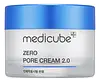
This pore-care moisturizer is formulated around Glycolic Acid to refine the look of pores and refine skin texture.
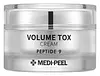
This anti-aging moisturizer is formulated around Adenosine and Acetyl Hexapeptide-8 to soften the look of wrinkles.

What's inside
What's inside
 Key Ingredients
Benefits
Concerns
Ingredients Side-by-side
Water
Skin ConditioningPropanediol
Solvent

Butylene Glycol
Humectant
Cetearyl Alcohol
Emollient






Caprylic/Capric Triglyceride
Masking
Camellia Japonica Flower Extract
EmollientDimethicone
Emollient

1,2-Hexanediol
Skin Conditioning
Cyclopentasiloxane
Emollient
Cyclohexasiloxane
Emollient
Glycolic Acid
Buffering









Beeswax
Emulsion Stabilising
Arachidyl Alcohol
Emollient
Glycerin
Humectant
Panthenol
Skin Conditioning

Cetearyl Glucoside
Emulsifying
Behenyl Alcohol
Emollient
Cetearyl Olivate
Arachidyl Glucoside
EmulsifyingPotassium Hydroxide
BufferingSorbitan Olivate
Emulsifying
Helianthus Annuus Seed Oil
Emollient
Parfum
Masking

Allantoin
Skin Conditioning
Xanthan Gum
EmulsifyingTricholoma Matsutake Extract
Skin ConditioningRhododendron Chrysanthum Leaf Extract
MaskingHydrolyzed Cicer Seed Extract
Skin ProtectingDisodium EDTA
ChelatingGlycine Soja Oil
Emollient
Glucose
Humectant
Sodium Hyaluronate
Humectant
Hyaluronic Acid
Humectant
Hydrolyzed Hyaluronic Acid
Humectant
Pueraria Lobata Root Extract
HumectantUlmus Davidiana Root Extract
Skin Conditioning
Oenothera Biennis Flower Extract
AstringentPinus Palustris Leaf Extract
TonicBixa Orellana Seed Oil
Emollient
Fomes Officinalis Extract
Skin ProtectingCinnamomum Zeylanicum Bark Extract
Antimicrobial
Uncaria Gambir Extract
AstringentSanguisorba Officinalis Root Extract
CleansingPelargonium Graveolens Extract
Masking
Nelumbo Nucifera Flower Extract
Skin ConditioningTocopherol
Antioxidant
Mentha Rotundifolia Leaf Extract
TonicCitrus Aurantifolia Peel Extract
Cleansing
Cymbopogon Schoenanthus Extract
Skin ConditioningWater, Propanediol, Butylene Glycol, Cetearyl Alcohol, Caprylic/Capric Triglyceride, Camellia Japonica Flower Extract, Dimethicone, 1,2-Hexanediol, Cyclopentasiloxane, Cyclohexasiloxane, Glycolic Acid, Beeswax, Arachidyl Alcohol, Glycerin, Panthenol, Cetearyl Glucoside, Behenyl Alcohol, Cetearyl Olivate, Arachidyl Glucoside, Potassium Hydroxide, Sorbitan Olivate, Helianthus Annuus Seed Oil, Parfum, Allantoin, Xanthan Gum, Tricholoma Matsutake Extract, Rhododendron Chrysanthum Leaf Extract, Hydrolyzed Cicer Seed Extract, Disodium EDTA, Glycine Soja Oil, Glucose, Sodium Hyaluronate, Hyaluronic Acid, Hydrolyzed Hyaluronic Acid, Pueraria Lobata Root Extract, Ulmus Davidiana Root Extract, Oenothera Biennis Flower Extract, Pinus Palustris Leaf Extract, Bixa Orellana Seed Oil, Fomes Officinalis Extract, Cinnamomum Zeylanicum Bark Extract, Uncaria Gambir Extract, Sanguisorba Officinalis Root Extract, Pelargonium Graveolens Extract, Nelumbo Nucifera Flower Extract, Tocopherol, Mentha Rotundifolia Leaf Extract, Citrus Aurantifolia Peel Extract, Cymbopogon Schoenanthus Extract
Water
Skin ConditioningMethylpropanediol
SolventGlycerin
Humectant
Dimethicone
Emollient
Cyclopentasiloxane
Emollient
1,2-Hexanediol
Skin Conditioning
Caprylic/Capric Triglyceride
Masking
Cetearyl Alcohol
Emollient
Cetearyl Olivate
Cyclohexasiloxane
Emollient
Sorbitan Olivate
Emulsifying
Glyceryl Stearate
Emollient
Pentaerythrityl Tetraisostearate
Emollient
PEG-100 Stearate
Surfactant
Cetearyl Glucoside
Emulsifying
Arginine
Masking
Carbomer
Emulsion StabilisingSodium Acrylate/Sodium Acryloyldimethyl Taurate Copolymer
Emulsion StabilisingIsohexadecane
EmollientTrehalose
Humectant
Helianthus Annuus Seed Oil
Emollient
Xanthan Gum
EmulsifyingAdenosine
Skin Conditioning
Polysorbate 80
Emulsifying
Sodium Hyaluronate
Humectant
Disodium EDTA
ChelatingSorbitan Oleate
Emulsifying
Glycine Soja Oil
Emollient
Desamido Collagen
Skin Conditioning
Juniperus Communis Fruit Extract
Perfuming
Magnolia Officinalis Bark Extract
Antimicrobial
Eucalyptus Globulus Leaf Extract
Perfuming
Fructan
Skin ConditioningHydrolyzed Collagen
Emollient
Butylene Glycol
Humectant
Parfum
Masking
Hydrogenated Polyisobutene
EmollientBixa Orellana Seed Oil
Emollient
Propanediol
Solvent
Glyceryl Polymethacrylate
Sodium Hyaluronate Crosspolymer
Humectant
Sorbitan Laurate
Emulsifying
Propylene Glycol
Humectant
Hydrolyzed Glycosaminoglycans
HumectantNonoxynol-14
Phenoxyethanol
Preservative
Chondrus Crispus Extract
Skin Conditioning
Tocopherol
Antioxidant
Hydroxyethylcellulose
Emulsion StabilisingBenzyl Glycol
SolventAcetyl Dipeptide-1 Cetyl Ester
Skin Conditioning
Astaxanthin
Skin Conditioning
Ethyl Hexanediol
SolventHydrolyzed Elastin
EmollientHydrolyzed Hyaluronic Acid
Humectant
Ethylhexylglycerin
Skin ConditioningPalmitoyl Tripeptide-5
Skin Conditioning
Caprylyl Glycol
Emollient
Anemarrhena Asphodeloides Root Extract
Skin Conditioning
Acetyl Hexapeptide-8
Humectant
Copper Tripeptide-1
Skin Conditioning
Palmitoyl Pentapeptide-4
Skin Conditioning
Hyaluronic Acid
Humectant
Acetyl Octapeptide-3
Humectant
Palmitoyl Tetrapeptide-7
Skin Conditioning
Hexapeptide-9
Skin Conditioning
Raspberry Ketone
Masking
Palmitoyl Oligopeptide
Cleansing
Palmitoyl Tripeptide-1
Skin Conditioning
Water, Methylpropanediol, Glycerin, Dimethicone, Cyclopentasiloxane, 1,2-Hexanediol, Caprylic/Capric Triglyceride, Cetearyl Alcohol, Cetearyl Olivate, Cyclohexasiloxane, Sorbitan Olivate, Glyceryl Stearate, Pentaerythrityl Tetraisostearate, PEG-100 Stearate, Cetearyl Glucoside, Arginine, Carbomer, Sodium Acrylate/Sodium Acryloyldimethyl Taurate Copolymer, Isohexadecane, Trehalose, Helianthus Annuus Seed Oil, Xanthan Gum, Adenosine, Polysorbate 80, Sodium Hyaluronate, Disodium EDTA, Sorbitan Oleate, Glycine Soja Oil, Desamido Collagen, Juniperus Communis Fruit Extract, Magnolia Officinalis Bark Extract, Eucalyptus Globulus Leaf Extract, Fructan, Hydrolyzed Collagen, Butylene Glycol, Parfum, Hydrogenated Polyisobutene, Bixa Orellana Seed Oil, Propanediol, Glyceryl Polymethacrylate, Sodium Hyaluronate Crosspolymer, Sorbitan Laurate, Propylene Glycol, Hydrolyzed Glycosaminoglycans, Nonoxynol-14, Phenoxyethanol, Chondrus Crispus Extract, Tocopherol, Hydroxyethylcellulose, Benzyl Glycol, Acetyl Dipeptide-1 Cetyl Ester, Astaxanthin, Ethyl Hexanediol, Hydrolyzed Elastin, Hydrolyzed Hyaluronic Acid, Ethylhexylglycerin, Palmitoyl Tripeptide-5, Caprylyl Glycol, Anemarrhena Asphodeloides Root Extract, Acetyl Hexapeptide-8, Copper Tripeptide-1, Palmitoyl Pentapeptide-4, Hyaluronic Acid, Acetyl Octapeptide-3, Palmitoyl Tetrapeptide-7, Hexapeptide-9, Raspberry Ketone, Palmitoyl Oligopeptide, Palmitoyl Tripeptide-1
Reviews
Ingredients Explained
These ingredients are found in both products.
Ingredients higher up in an ingredient list are typically present in a larger amount.
1,2-Hexanediol is a synthetic liquid and another multi-functional powerhouse.
It is a:
- Humectant, drawing moisture into the skin
- Emollient, helping to soften skin
- Solvent, dispersing and stabilizing formulas
- Preservative booster, enhancing the antimicrobial activity of other preservatives
Bixa Orellana Seed Oil is an oil and isn't fungal acne safe.
Butylene Glycol (or BG) is used within cosmetic products for a few different reasons:
Overall, Butylene Glycol is a safe and well-rounded ingredient that works well with other ingredients.
Though this ingredient works well with most skin types, some people with sensitive skin may experience a reaction such as allergic rashes, closed comedones, or itchiness.
Learn more about Butylene GlycolCaprylic/Capric Triglyceride (aka MCT Oil) is a lightweight emollient, solvent, and texture enhancer. It is considered a skin-softener by helping to prevent moisture loss.
Though it behaves like an oil, it is not technically one due to its chemical composition. One perk of this ingredient is that it is very stable, resistant to oxidation, and unlikely to go rancid.
In practice, that translates to a long shelf life and a consistently elegant skin feel.
While there is an assumption Caprylic Triglyceride can clog pores due to it being derived from coconut oil, there is no research supporting this. Just patch test if you have concerns.
Fractionated coconut oil and MCT Oil are both listed as Caprylic/Capric Triglyceride according to INCI. This is because INCI names are based on the ingredient’s final chemical composition and not its marketing name or source.
This ingredient is treated as the gold standard fungal acne safe oil. Even though it is coconut derived, the problematic lauric acid is stripped out.
This leaves just caprylic (C8) and capric (C10) acid. These chain lengths actually trend antifungal; a 2020 study found caprylic acid was enough to disrupt Malassezia furfur cell membrane, with a caprylic acid derivative damaging membrane structures at concentrations as low as 0.2%.
Learn more about Caprylic/Capric TriglycerideCetearyl alcohol is a waxy mixture of two fatty alcohols: cetyl alcohol and stearyl alcohol. It is an emollient and emulsifier.
Despite having "alcohol" in its name, it has nothing to do with drying solvent alcohols; the FDA also allows "alcohol-free" products to contain fatty alcohols like this ingredient.
It plays several roles in a formula:
Typical use levels for this ingredient sit around 1-10% and the Cosmetic Ingredient Review Expert Panel has affirmed safety at concentrations up to 25% in leave-on products.
Multiple assessments have found it to be non-irritating and non-sensitizing to most people.
However, there have been some cases of allergic contact dermatitis in patients with chronically compromised skin barriers.
Cetearyl alcohol has a comedogenic rating of 2 and irritancy rating of 1. Both of these numbers come from the 1989 study that used rabbit ears; a "2" means mildly comedogenic and a "1" means low irritancy.
Here's the catch: rabbit skin is more sensitive than human skin and throws a lot of false positives. A 1996 reappraisal found that ingredients rated 1-2 in the rabbit ear tests are generally safe for humans.
Remember comedogenic ratings are unable to assess the entire formula of a product or how it will react on your skin. Just be sure to patch test if you are unsure about certain ingredients.
This ingredient is not fungal acne safe. Cetearyl alcohol is a fatty alcohol with chain lengths that fall within the range that Malassezia can metabolize.
A 2019 study has also observed Malassezia growth in the presence of this ingredient, confirming it to be not-fungal acne safe.
Learn more about Cetearyl AlcoholCetearyl Glucoside is a sugar-based emulsifier. It is usually made by combining cetearyl alcohol and glucose.
Belonging to the aklyl polyglucoside (APG) family, Cetearyl Glucoside has a sugar "head" that loves water and a fatty "tail" that loves oil. This means it can shuffle oil and water into a stable and smooth emulsion.
Typical use levels are between 1-5% and this ingredient is considered to be non-irritating by the CIR Expert Panel Review.
Once applied, your skin's glucoside hydrolases breaks it down to the parent fatty alcohol and glucose. This is why this ingredient may not be fungal acne safe.
Learn more about Cetearyl GlucosideCetearyl Olivate is a plant-derived emulsifier and texture enhancer. It helps keep the oil and water phases from separating so your formulas stay stable.
You'll likely see it combined with Sorbitan Olivate (together sold as the trade name Olivem 1000). This combination generates a liquid crystal structure that closely resemble the lipid organization of the stratum corneum.
These "skin-like" liquid crystals improve skin barrier integrity and promote the delivery of actives into the skin.
This ingredient is well-tolerated and has no significant sensitization data.
Because it is derived from the fatty acids in olive oil, this ingredient may not be fungal acne safe.
Learn more about Cetearyl OlivateCyclohexasiloxane is a type of silicone more commonly known as D6. It is an emollient and solvent.
Cyclohexasiloxane is used to evenly distribute ingredients throughout the product. When applied to the skin, Cyclohexasiloxane evaporates and leaves behind a silky feel.
As an emollient, it can help the skin feel soft and hydrated. It is also used to reduce frizz in hair products.
Learn more about CyclohexasiloxaneCyclopentasiloxane (D5) is a lightweight silicone that mostly acts as an emollient and solvent in cosmetics. Its the reason your products feel silky, fast-spreading, and non-greasy.
Since D5 is volatile, it does its thing and then evaporates off the skin quickly.
The safety profile of this ingredient is reassuring; the US CIR Expert Panel concluded D5 is safe as used in cosmetics and Health Canada concluded that D5 is not harmful to human health or the environment as currently used in cosmetics
There's a study that people mention about D5 in a rat study showing tumors. This study is related to long-term inhalation of high D5 levels.
Regulatory bodies have judged this study to be not applicable in topical skincare since skin absorption of D5 is very low and we're not really inhaling huge amounts of D5.
The only restriction for this ingredient is environmental. The European Chemicals Agency (ECHA) restricted D5 in wash-off cosmetics at or above 0.1% due to their persistence in water.
Learn more about CyclopentasiloxaneDimethicone is a type of synthetic silicone created from natural materials such as quartz. It is also known as polydimethylsiloxane.
What it does:
Dimethicone comes in different viscosities:
Depending on the viscosity, dimethicone has different properties.
Ingredients lists don't always show which type is used, so we recommend reaching out to the brand if you have questions about the viscosity.
This ingredient is unlikely to cause irritation because it does not get absorbed into skin. However, people with silicone allergies should be careful about using this ingredient.
Note: Dimethicone may contribute to pilling. This is because it is not oil or water soluble, so pilling may occur when layered with products. When mixed with heavy oils in a formula, the outcome is also quite greasy.
Learn more about DimethiconeDisodium EDTA is a chelating agent. It grabs onto and deactivates metal ions that sneak into your products from water, packaging, or air.
This ingredient mainly works behind the scenes and helps with:
On top of that, this ingredient can counteract the effects of hard water by binding to the minerals in it.
One thing worth knowing is that Disodium EDTA has been shown to be a mild penetration enhancer. It can help other ingredients absorb into skin more effectively which can be a double-edged sword (great for actives, but can also make the active too strong if you have sensitive skin).
Clinical patch testing showed no significant skin irritation at typical use concentrations and minimal dermal absorption.
You'll most likely see this ingredient near the end of an ingredient list. It's typically found in concentrations less than 1%.
Learn more about Disodium EDTAGlycerin (or glycerol) is a compound naturally found in your skin. It's a powerhouse humectant that pulls water into the stratum corneum.
Topically, glycerin does several things at once:
Your skin makes glycerin on its own (mostly from sebaceous oil breakdown) and shuttles it to your outermost layer of skin, or your epidermis, via aquaporin-3.
Aquaporin-3 is a transporter that is essential for normal skin hydration, elasticity, and repair. Interestingly, mice lacking in AQP3 have dry and less elastic skin that can be fully corrected with glycerin.
This ingredient is non-irritating, plays well with almost every ingredient, and works across all skin types. Typical use is anywhere between 3-10% but can go up to 79% in some leave-on products.
Just know very high concentrations (>40%) can feel tacky in low humidity.
Glycerin is the name for this ingredient in American English. British English uses Glycerol/Glycerine.
Learn more about GlycerinGlycine Soja Oil is a plant-derived oil from soybean seeds. Like other oils, it is rich in essential fatty acids (mostly linoleic and oleic) that support skin hydration and barrier function.
The fatty acids are able to integrate into the lipid matrix of the stratum corneum to help soften skin and reduce water loss.
On top of that, soybean oil is rich in vitamins like vitamin E, a potent antioxidant.
Research on soybean's active components also point to anti-inflammatory, collagen-stimulating, antioxidant activity, and protection against UV-induced oxidative damage.
Most of this research applies to the broader soybean plant and not just the oil fraction alone.
This ingredient does carry a comedogenic rating of 3 from the old rabbit-ear assay. Just remember testing finished products in humans showed that formulas built with "comedogenic" ingredients are not necessarily comedogenic themselves. It's worth patch testing if you're breakout prone, and always listen to your skin.
Because this ingredient is a saturated triglyceride, it may not be fungal acne safe. This is because Malassezia breaks down sebum triglycerides into fatty acids it can consume, making this ingredient a possible source for the yeast.
Learn more about Glycine Soja OilHelianthus Annuus Seed Oil is a plant oil derived from the seeds of a sunflower.
It is rich in fatty acids, primarily linoleic acid and oleic acid. This gives it emollient and skin conditioning properties.
The reason this ingredient is so effective is because it forms a thin film on the skin that reduces transepidermal water loss (TEWL) while supplying linoleic acid to the stratum corneum to improve barrier strength.
The high linoleic acid content is particularly noteworthy for acne-prone skin.
Research suggests that acne-prone skin tends to be deficient in linoleic acid in sebum. Topical application may help replenish this to support a healthier follicular environment and less comedone-promoting sebum.
One randomized study found sunflower seed oil preserved skin barrier integrity in adult volunteers with and without atopic dermatitis (outperforming olive oil).
This ingredient is well-studied, gentle, and an effective emollient suitable for most skin types.
On fungal acne: This ingredient may not be Fungal acne (Malassezia folliculitis) safe. This is because it contains fatty acids with carbon chain lengths in the C11-C24 range.
Learn more about Helianthus Annuus Seed OilHyaluronic acid (HA) is a glycosaminoglycan (basically a long sugar chain) that your skin already makes on its own. In your skin, HA lives in the extracellular matrix and acts as the body's moisture reservoir.
Topically, HA is a humectant that binds water and helps skin look more plump, smooth, and hydrated.
The only catch is that HA isn't a single thing; it actually comes in a wide range of molecular weights (~50 - 2,000+ kDA) and size matters.
Some clinical evidence links low molecular weight versions to improved wrinkle depth, elasticity, anti-inflammatory effects, and barrier repair.
This is why the best HA serums blend the two sizes together so you get the best of both worlds.
The majority of cosmetic HA is produced by bacterial fermentation, typically using Streptococcus or Bacillus strains. Typical use levels in skincare sit around 0.1-2%.
A clinical study using a 0.2% low-molecular weight HA gel showed improvement in facial seborrheic dermatitis with excellent tolerance.
These are some other common types of Hyaluronic Acid:
Learn more about Hyaluronic AcidHydrolyzed Hyaluronic Acid is hyaluronic acid (HA) that is broken down into lower molecular weight fragments.
It's a humectant that pulls and holds water in the skin to help with hydration, plumpness, and reduce transepidermal water loss.
Because hydrolyzed hyaluronic acid is smaller in size, it can slip past your outermost layer of skin more easily than full-sized HA.
Most formulations will combine all sizes to get the best of both worlds.
Typical usage levels range from 0.01-1%. Any percentage higher than 2% might become goopy and tacky.
Learn more about Hydrolyzed Hyaluronic AcidParfum is a catch-all term for an ingredient or more that is used to give a scent to products.
Also called "fragrance", this ingredient can be a blend of hundreds of chemicals or plant oils. This means every product with "fragrance" or "parfum" in the ingredients list is a different mixture.
For instance, Habanolide is a proprietary trade name for a specific aroma chemical. When used as a fragrance ingredient in cosmetics, most aroma chemicals fall under the broad labeling category of “FRAGRANCE” or “PARFUM” according to EU and US regulations.
The term 'parfum' or 'fragrance' is not regulated in many countries. In many cases, it is up to the brand to define this term.
For instance, many brands choose to label themselves as "fragrance-free" because they are not using synthetic fragrances. However, their products may still contain ingredients such as essential oils that are considered a fragrance by INCI standards.
One example is Calendula flower extract. Calendula is an essential oil that still imparts a scent or 'fragrance'.
Depending on the blend, the ingredients in the mixture can cause allergies and sensitivities on the skin. Some ingredients that are known EU allergens include linalool and citronellol.
Parfum can also be used to mask or cover an unpleasant scent.
The bottom line is: not all fragrances/parfum/ingredients are created equally. If you are worried about fragrances, we recommend taking a closer look at an ingredient. And of course, we always recommend speaking with a professional.
Learn more about ParfumPropanediol is an all-star ingredient. It softens, hydrates, and smooths the skin.
It’s often used to:
Propanediol is not likely to cause sensitivity and considered safe to use. It is derived from corn or petroleum with a clear color and no scent.
Learn more about PropanediolSodium Hyaluronate is the salt form of hyaluronic acid. It is a long sugar chain that is naturally found in your skin, joints, and connective tissue that maintains hydration and elasticity.
In skincare, it works as a humectant. It pulls water from the environment and deeper layers of skin and binds it to the surface.
Interestingly, the size of the molecule affects its behavior:
Some clinical evidence links low molecular weight versions to improved wrinkle depth, elasticity, anti-inflammatory effects, and barrier repair.
Many serums use a blend of both weights so you can get surface hydration plus longer-lasting and deeper effects.
You'll typically see concentrations between 0.1-2% for this ingredient.
Learn more about Sodium HyaluronateSorbitan Olivate is created from the fatty acids in olive oil and sorbitol.
This ingredient is an oil in water emulsifier. It helps stabilize a product by preventing oils and waters from separating. Sorbitan Olivate also helps hydrate the skin.
This ingredient is also known as part of Olivem 1000, with Cetearyl Olivate being the other part.
According to a manufacturer, this ingredient helps preserve the natural microbiome of skin. Having a healthy microbiome helps keep our skin healthy and protects against harmful bacteria.
Please note, having a healthy microbiome is different from fungal acne; a healthy microbiome includes small amounts of yeast that normally live on your skin without causing problems.
Fungal acne happens when one type of yeast (Malassezia) grows out of control. This is usually because it's feeding on certain oils or fatty acids. Due to the olive oil base, this ingredient may not be fungal acne safe.
Learn more about Sorbitan OlivateTocopherol is a fat-soluble antioxidant known as Vitamin E.
You'll find this ingredient in the vast majority of skincare (for good reason). It works to neutralize free radicals, or unstable molecules generated by UV exposure, pollution, and other environmental stressors, before they can cause oxidative damage to your skin cells.
Topically applied tocopherol has been shown to protect against UV damage by ramping up the skin's own natural defense enzymes.
It also acts as a skin conditioning agent; some studies show that regular topical use can improve the skin's water-binding capacity over 2-4 weeks.
This ingredient is especially loved for being a team player. When combined with Vitamin C, the photoprotective effect of both ingredients roughly doubles and the combo also helps reduce UV-induced DNA damage.
This ingredient has some brightening potential but it's more of a prevention ingredient than spot-fader. Cell studies show it can slow down melanin production but it's worth noting that it's not the most powerful brightener out there.
In formulations, it also serves as a stabilizer that helps protect other oxidation-prone ingredients from degrading.
Concentrations usually range from 0.1-1% in most leave-on products.
Learn more about TocopherolWater. It's the most common cosmetic ingredient of all. You'll usually see it at the top of ingredient lists, meaning that it makes up the largest part of the product.
So why is it so popular? Water most often acts as a solvent - this means that it helps dissolve other ingredients into the formulation.
You'll also recognize water as that liquid we all need to stay alive. If you see this, drink a glass of water. Remember to stay hydrated!
Learn more about WaterXanthan gum is used as a stabilizer and thickener within cosmetic products. It helps give products a sticky, thick feeling - preventing them from being too runny.
On the technical side of things, xanthan gum is a polysaccharide - a combination consisting of multiple sugar molecules bonded together.
Xanthan gum is a pretty common and great ingredient. It is a natural, non-toxic, non-irritating ingredient that is also commonly used in food products.
Learn more about Xanthan Gum

