

What's inside
What's inside
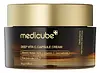 Key Ingredients
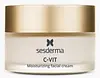
Benefits
Concerns
Ingredients Side-by-side
Hippophae Rhamnoides Water
Masking
Glycerin
Humectant


Water
Skin ConditioningNiacinamide
Smoothing









Methylpropanediol
SolventPropanediol
Solvent
1,2-Hexanediol
Skin Conditioning
Butylene Glycol
Humectant
Dipropylene Glycol
HumectantCaprylic/Capric Triglyceride
Masking
Glycereth-26
Humectant
Ethylhexyl Palmitate
Emollient


Cetearyl Alcohol
Emollient
Arginine
Masking
Carbomer
Emulsion StabilisingAmmonium Acryloyldimethyltaurate/Vp Copolymer
Cetearyl Olivate
Helianthus Annuus Seed Oil
Emollient
Sorbitan Olivate
Emulsifying
Simethicone
Emollient
Polyglyceryl-10 Laurate
Skin Conditioning
Ethylhexylglycerin
Skin ConditioningAdenosine
Skin Conditioning
Parfum
Masking


Polyacrylate-13
Glycine Soja Oil
Emollient
Disodium EDTA
Polyisobutene
Hydrolyzed Sclerotium Gum
HumectantGlyceryl Stearate
Emollient
Gluconolactone
Skin Conditioning
Polysorbate 20
Emulsifying
Sorbitan Isostearate
Emulsifying
Hydrogenated Lecithin
Emulsifying
Bixa Orellana Seed Oil
Emollient
Polyglyceryl-10 Stearate
Skin Conditioning
Alpha-Arbutin
Antioxidant

Panthenol
Skin Conditioning
Sodium Ascorbyl Phosphate
Antioxidant
Pentylene Glycol
Skin Conditioning
Ferulic Acid
Antimicrobial
Tocopherol
Antioxidant
Ascorbyl Glucoside
Antioxidant
3-O-Ethyl Ascorbic Acid
Skin Conditioning
Bisabolol
Antioxidant
Ascorbic Acid
Antioxidant
Hydroxyphenyl Propamidobenzoic Acid
Skin ConditioningPyridoxine
Skin ConditioningUbiquinone
Antioxidant
Biotin
AntiseborrhoeicFolic Acid
Skin ConditioningSodium Hyaluronate
Humectant
Ascorbyl Propyl Hyaluronate
Skin Conditioning
Ascorbyl Palmitate
Antioxidant
Cyanocobalamin
Skin ConditioningThiamine Hcl
MaskingRiboflavin
Cosmetic ColorantLinoleic Acid
Cleansing
Beta-Carotene
Skin ConditioningRutin
Antioxidant
Hydroxycinnamic Acid
Skin ConditioningHippophae Rhamnoides Water, Glycerin, Water, Niacinamide, Methylpropanediol, Propanediol, 1,2-Hexanediol, Butylene Glycol, Dipropylene Glycol, Caprylic/Capric Triglyceride, Glycereth-26, Ethylhexyl Palmitate, Cetearyl Alcohol, Arginine, Carbomer, Ammonium Acryloyldimethyltaurate/Vp Copolymer, Cetearyl Olivate, Helianthus Annuus Seed Oil, Sorbitan Olivate, Simethicone, Polyglyceryl-10 Laurate, Ethylhexylglycerin, Adenosine, Parfum, Polyacrylate-13, Glycine Soja Oil, Disodium EDTA, Polyisobutene, Hydrolyzed Sclerotium Gum, Glyceryl Stearate, Gluconolactone, Polysorbate 20, Sorbitan Isostearate, Hydrogenated Lecithin, Bixa Orellana Seed Oil, Polyglyceryl-10 Stearate, Alpha-Arbutin, Panthenol, Sodium Ascorbyl Phosphate, Pentylene Glycol, Ferulic Acid, Tocopherol, Ascorbyl Glucoside, 3-O-Ethyl Ascorbic Acid, Bisabolol, Ascorbic Acid, Hydroxyphenyl Propamidobenzoic Acid, Pyridoxine, Ubiquinone, Biotin, Folic Acid, Sodium Hyaluronate, Ascorbyl Propyl Hyaluronate, Ascorbyl Palmitate, Cyanocobalamin, Thiamine Hcl, Riboflavin, Linoleic Acid, Beta-Carotene, Rutin, Hydroxycinnamic Acid
Water
Skin ConditioningGlycerin
Humectant
Propylene Glycol
Humectant
Octyldodecanol
Emollient
Propanediol
Solvent
Pentylene Glycol
Skin Conditioning
Cetyl Alcohol
Emollient
Arachidyl Alcohol
Emollient
Citrus Aurantium Dulcis Fruit Extract
MaskingGinkgo Biloba Leaf Extract
Skin Conditioning
3-O-Ethyl Ascorbic Acid
Skin Conditioning
Palmitoyl Tripeptide-5
Skin Conditioning
Resveratrol Dimethyl Ether
Antioxidant
Quercetin
Antioxidant
Behenyl Alcohol
Emollient
Cyclopentasiloxane
Emollient
Ammonium Acryloyldimethyltaurate/Vp Copolymer
Arachidyl Glucoside
EmulsifyingAcrylamide/Sodium Acryloyldimethyltaurate Copolymer
Emulsion StabilisingTocopheryl Acetate
Antioxidant
C13-14 Isoparaffin
Emollient
Mica
Cosmetic ColorantLecithin
Emollient
Titanium Dioxide
Cosmetic Colorant

Alcohol
Antimicrobial


Dimethiconol
Emollient
Polysorbate 20
Emulsifying
Disodium EDTA
BHT
Antioxidant
Triethanolamine
BufferingLaureth-7
EmulsifyingSodium Chloride
MaskingSodium Hydroxide
BufferingSodium Cholate
Skin ConditioningPhenoxyethanol
Preservative
Ethylhexylglycerin
Skin ConditioningPotassium Sorbate
Preservative
Parfum
Masking
Limonene
Perfuming
Linalool
Perfuming
Citral
Perfuming
CI 15985
Cosmetic ColorantCI 19140
Cosmetic ColorantWater, Glycerin, Propylene Glycol, Octyldodecanol, Propanediol, Pentylene Glycol, Cetyl Alcohol, Arachidyl Alcohol, Citrus Aurantium Dulcis Fruit Extract, Ginkgo Biloba Leaf Extract, 3-O-Ethyl Ascorbic Acid, Palmitoyl Tripeptide-5, Resveratrol Dimethyl Ether, Quercetin, Behenyl Alcohol, Cyclopentasiloxane, Ammonium Acryloyldimethyltaurate/Vp Copolymer, Arachidyl Glucoside, Acrylamide/Sodium Acryloyldimethyltaurate Copolymer, Tocopheryl Acetate, C13-14 Isoparaffin, Mica, Lecithin, Titanium Dioxide, Alcohol, Dimethiconol, Polysorbate 20, Disodium EDTA, BHT, Triethanolamine, Laureth-7, Sodium Chloride, Sodium Hydroxide, Sodium Cholate, Phenoxyethanol, Ethylhexylglycerin, Potassium Sorbate, Parfum, Limonene, Linalool, Citral, CI 15985, CI 19140
Reviews
Ingredients Explained
These ingredients are found in both products.
Ingredients higher up in an ingredient list are typically present in a larger amount.
You might know this ingredient as Ethyl Ascorbic Acid, a more stable version of ascorbic acid.
Like other types of vitamin C, this ingredient has many benefits including reducing wrinkles, skin soothing, dark spot fading, and fighting against free radicals.
3-O-Ethyl Ascorbic Acid interferes with the process of skin darkening, helping to reduce hyperpigmentation. It also encourages the skin to produce more collagen.
Once applied, 3-O-Ethyl Ascorbic Acid is converted to Vitamin C deeper in the skin's layers. This process is slow but makes this ingredient more tolerable for skin.
The optimum pH range for this ingredient is 4 - 5.5
Learn more about 3-O-Ethyl Ascorbic AcidAmmonium Acryloyldimethyltaurate/Vp Copolymer is a synthetically created polymer. It's used as a film-forming agent and used to thicken the consistency of products.
Think of it as a supportive ingredient that helps your gel-creams feel silky, "cloud cream-like", and spread evenly without being greasy.
The Cosmetic Ingredient Review (CIR) Expert Panel evaluated it (along with 22 other acryloyldimethyltaurate polymers) and concluded it's:
Due to its large molecular size, it sits on the surface of skin rather than penetrating it.
Learn more about Ammonium Acryloyldimethyltaurate/Vp CopolymerDisodium EDTA is a chelating agent. It grabs onto and deactivates metal ions that sneak into your products from water, packaging, or air.
This ingredient mainly works behind the scenes and helps with:
On top of that, this ingredient can counteract the effects of hard water by binding to the minerals in it.
One thing worth knowing is that Disodium EDTA has been shown to be a mild penetration enhancer. It can help other ingredients absorb into skin more effectively which can be a double-edged sword (great for actives, but can also make the active too strong if you have sensitive skin).
Clinical patch testing showed no significant skin irritation at typical use concentrations and minimal dermal absorption.
You'll most likely see this ingredient near the end of an ingredient list. It's typically found in concentrations less than 1%.
Learn more about Disodium EDTAEthylhexylglycerin is created from glycerin. It is a multitasker ingredient that:
The CIR Expert Panel found minimal skin absorption or sensitization of any kind in a safety assessment. Though this ingredient is considered well-tolerated, a small number of cases of allergic dermatitis have been published since 2002. Just be sure to patch test if you are unsure.
Industry-reported use ranges from 8% in rinse-off products and 2% in leave-on formulations.
Learn more about EthylhexylglycerinGlycerin (or glycerol) is a compound naturally found in your skin. It's a powerhouse humectant that pulls water into the stratum corneum.
Topically, glycerin does several things at once:
Your skin makes glycerin on its own (mostly from sebaceous oil breakdown) and shuttles it to your outermost layer of skin, or your epidermis, via aquaporin-3.
Aquaporin-3 is a transporter that is essential for normal skin hydration, elasticity, and repair. Interestingly, mice lacking in AQP3 have dry and less elastic skin that can be fully corrected with glycerin.
This ingredient is non-irritating, plays well with almost every ingredient, and works across all skin types. Typical use is anywhere between 3-10% but can go up to 79% in some leave-on products.
Just know very high concentrations (>40%) can feel tacky in low humidity.
Glycerin is the name for this ingredient in American English. British English uses Glycerol/Glycerine.
Learn more about GlycerinParfum is a catch-all term for an ingredient or more that is used to give a scent to products.
Also called "fragrance", this ingredient can be a blend of hundreds of chemicals or plant oils. This means every product with "fragrance" or "parfum" in the ingredients list is a different mixture.
For instance, Habanolide is a proprietary trade name for a specific aroma chemical. When used as a fragrance ingredient in cosmetics, most aroma chemicals fall under the broad labeling category of “FRAGRANCE” or “PARFUM” according to EU and US regulations.
The term 'parfum' or 'fragrance' is not regulated in many countries. In many cases, it is up to the brand to define this term.
For instance, many brands choose to label themselves as "fragrance-free" because they are not using synthetic fragrances. However, their products may still contain ingredients such as essential oils that are considered a fragrance by INCI standards.
One example is Calendula flower extract. Calendula is an essential oil that still imparts a scent or 'fragrance'.
Depending on the blend, the ingredients in the mixture can cause allergies and sensitivities on the skin. Some ingredients that are known EU allergens include linalool and citronellol.
Parfum can also be used to mask or cover an unpleasant scent.
The bottom line is: not all fragrances/parfum/ingredients are created equally. If you are worried about fragrances, we recommend taking a closer look at an ingredient. And of course, we always recommend speaking with a professional.
Learn more about ParfumPentylene glycol is typically used within a product to thicken it. It also adds a smooth, soft, and moisturizing feel to the product. It is naturally found in plants such as sugar beets.
The hydrophilic trait of Pentylene Glycol makes it a humectant. As a humectant, Pentylene Glycol helps draw moisture from the air to your skin. This can help keep your skin hydrated.
This property also makes Pentylene Glycol a great texture enhancer. It can also help thicken or stabilize a product.
Pentylene Glycol also acts as a mild preservative and helps to keep a product microbe-free.
Some people may experience mild eye and skin irritation from Pentylene Glycol. We always recommend speaking with a professional about using this ingredient in your routine.
Pentylene Glycol has a low molecular weight and is part of the 1,2-glycol family.
Learn more about Pentylene GlycolPolysorbate 20 is a gentle, water-soluble emulsifier and mild surfactant. It stops oil and water from separating to keep your formulas blended and stable.
It also acts as a mild penetration enhancer by helping active ingredients absorb slightly better.
The common safety discussion around this ingredient involves a manufacturing byproduct called 1,4-dioxane.
Trace amounts can form during production but the EU's Scientific Committee on Consumer Safety has concluded that levels at/below 10 ppm in finished products are safe (commercial products consistently fall within acceptable margins).
True allergic reactions are uncommon and the CIR Expert Panel has confirmed this ingredient to be safe as used in cosmetics.
Because it is derived from lauric acid, it may not be fungal acne safe.
Learn more about Polysorbate 20Propanediol is an all-star ingredient. It softens, hydrates, and smooths the skin.
It’s often used to:
Propanediol is not likely to cause sensitivity and considered safe to use. It is derived from corn or petroleum with a clear color and no scent.
Learn more about PropanediolWater. It's the most common cosmetic ingredient of all. You'll usually see it at the top of ingredient lists, meaning that it makes up the largest part of the product.
So why is it so popular? Water most often acts as a solvent - this means that it helps dissolve other ingredients into the formulation.
You'll also recognize water as that liquid we all need to stay alive. If you see this, drink a glass of water. Remember to stay hydrated!
Learn more about Water
