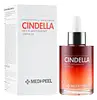
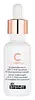
MEDI-PEEL Cindella Multi-Antioxidant Ampoule Versus Dr. Brandt Skincare C Scription™ Vitamin C Brightening Serum
This brightening ampoule is formulated around Niacinamide and Adenosine to brighten dull-looking skin and soften the look of wrinkles.
This brightening serum is formulated around Tetrahexyldecyl Ascorbate and Hexylresorcinol to brighten dull-looking skin and fade the look of dark spots.


What's inside
What's inside
 Key Ingredients
Benefits
Concerns
Ingredients Side-by-side
Water
Skin ConditioningGlycerin
Humectant


Propanediol
Solvent
1,2-Hexanediol
Skin Conditioning
Niacinamide
Smoothing









Butylene Glycol
Humectant
Caprylic/Capric Triglyceride
Masking
Methyl Gluceth-20
Humectant
Ammonium Acryloyldimethyltaurate/Vp Copolymer
PEG-60 Hydrogenated Castor Oil
Emulsifying


Gelatin
Sodium Polyacrylate
Absorbent
Parfum
Masking



Citric Acid
Buffering
Adenosine
Skin Conditioning
Cellulose Gum
Emulsion StabilisingSodium Hyaluronate
Humectant
Disodium EDTA
ChelatingLithospermum Erythrorhizon Root Extract
Skin ConditioningSoluble Proteoglycan
Skin ConditioningSalmon Egg Extract
Limonene
Perfuming
Linalool
Perfuming
Hexyl Cinnamal
Perfuming
CI 15510
Cosmetic ColorantCI 17200
Cosmetic ColorantGlutathione
Biotin
AntiseborrhoeicAscorbic Acid
Antioxidant

Tremella Fuciformis Extract
Humectant
Lactobacillus/Rye Flour Ferment
Skin ConditioningLactobacillus/Soymilk Ferment Filtrate
Skin ConditioningBacillus/Soybean Ferment Extract
Skin ConditioningMaltodextrin
Absorbent
Calcium Pantothenate
Sodium Starch Octenylsuccinate
AbsorbentCeramide NP
Skin Conditioning
Aloe Barbadensis Leaf Extract
Emollient
Diospyros Kaki Leaf Extract
Skin Protecting
Sodium Ascorbyl Phosphate
Antioxidant
Sodium Hyaluronate Crosspolymer
Humectant
Centella Asiatica Extract
Cleansing
Rhizobian Gum
Hydrolyzed Glycosaminoglycans
HumectantScutellaria Baicalensis Root Extract
Astringent
Glycine
Buffering
Acacia Senegal Gum
MaskingTocopheryl Acetate
Antioxidant
Pyridoxine Hcl
Skin ConditioningPolygonum Cuspidatum Root Extract
Antioxidant
Serine
Masking
Glutamic Acid
Humectant
Camellia Sinensis Leaf Extract
Antimicrobial
Glycyrrhiza Glabra Root Extract
Bleaching
Origanum Vulgare Leaf Extract
Skin ConditioningPalmitoyl Tripeptide-5
Skin Conditioning
Chamaecyparis Obtusa Leaf Extract
Skin ConditioningSalix Alba Bark Extract
Astringent
Benzyl Glycol
SolventAspartic Acid
Masking
Leucine
Skin ConditioningLactobacillus/Soybean Ferment Extract
Skin ConditioningRosmarinus Officinalis Leaf Extract
AntimicrobialRiboflavin
Cosmetic ColorantChamomilla Recutita Flower Extract
Masking
Cyanocobalamin
Skin ConditioningPortulaca Oleracea Extract
Skin Conditioning
Cinnamomum Cassia Bark Extract
Masking
Thiamine Hcl
MaskingPantothenic Acid
Skin ConditioningFolic Acid
Skin ConditioningPyridoxine
Skin ConditioningAlanine
Masking
Lysine
Skin ConditioningHydrogenated Lecithin
Emulsifying
Arginine
Masking
Tyrosine
MaskingPhenylalanine
Masking
Valine
MaskingCaprylyl Glycol
Emollient
Threonine
Proline
Skin Conditioning
Hydrolyzed Hyaluronic Acid
Humectant
Isoleucine
Skin ConditioningHistidine
Humectant
Methionine
Skin ConditioningCysteine
Antioxidant
Silica
Abrasive
Ethylhexylglycerin
Skin ConditioningDipeptide Diaminobutyroyl Benzylamide Diacetate
Skin Conditioning
Hyaluronic Acid
Humectant
Raspberry Ketone
Masking
Water, Glycerin, Propanediol, 1,2-Hexanediol, Niacinamide, Butylene Glycol, Caprylic/Capric Triglyceride, Methyl Gluceth-20, Ammonium Acryloyldimethyltaurate/Vp Copolymer, PEG-60 Hydrogenated Castor Oil, Gelatin, Sodium Polyacrylate, Parfum, Citric Acid, Adenosine, Cellulose Gum, Sodium Hyaluronate, Disodium EDTA, Lithospermum Erythrorhizon Root Extract, Soluble Proteoglycan, Salmon Egg Extract, Limonene, Linalool, Hexyl Cinnamal, CI 15510, CI 17200, Glutathione, Biotin, Ascorbic Acid, Tremella Fuciformis Extract, Lactobacillus/Rye Flour Ferment, Lactobacillus/Soymilk Ferment Filtrate, Bacillus/Soybean Ferment Extract, Maltodextrin, Calcium Pantothenate, Sodium Starch Octenylsuccinate, Ceramide NP, Aloe Barbadensis Leaf Extract, Diospyros Kaki Leaf Extract, Sodium Ascorbyl Phosphate, Sodium Hyaluronate Crosspolymer, Centella Asiatica Extract, Rhizobian Gum, Hydrolyzed Glycosaminoglycans, Scutellaria Baicalensis Root Extract, Glycine, Acacia Senegal Gum, Tocopheryl Acetate, Pyridoxine Hcl, Polygonum Cuspidatum Root Extract, Serine, Glutamic Acid, Camellia Sinensis Leaf Extract, Glycyrrhiza Glabra Root Extract, Origanum Vulgare Leaf Extract, Palmitoyl Tripeptide-5, Chamaecyparis Obtusa Leaf Extract, Salix Alba Bark Extract, Benzyl Glycol, Aspartic Acid, Leucine, Lactobacillus/Soybean Ferment Extract, Rosmarinus Officinalis Leaf Extract, Riboflavin, Chamomilla Recutita Flower Extract, Cyanocobalamin, Portulaca Oleracea Extract, Cinnamomum Cassia Bark Extract, Thiamine Hcl, Pantothenic Acid, Folic Acid, Pyridoxine, Alanine, Lysine, Hydrogenated Lecithin, Arginine, Tyrosine, Phenylalanine, Valine, Caprylyl Glycol, Threonine, Proline, Hydrolyzed Hyaluronic Acid, Isoleucine, Histidine, Methionine, Cysteine, Silica, Ethylhexylglycerin, Dipeptide Diaminobutyroyl Benzylamide Diacetate, Hyaluronic Acid, Raspberry Ketone
Water
Skin ConditioningTetrahexyldecyl Ascorbate
Antioxidant
C9-12 Alkane
SolventPPG-24-Glycereth-24
EmulsifyingPropanediol
Solvent
Glycerin
Humectant
Potassium Cetyl Phosphate
EmulsifyingCaprylic/Capric Triglyceride
Masking
Glyceryl Stearate
Emollient
PEG-100 Stearate
Surfactant
1,2-Hexanediol
Skin Conditioning
Hexylresorcinol
Antimicrobial
Ethyl Linoleate
Emollient
Plankton Extract
Skin ConditioningBioflavonoids
Skin ConditioningGlucose
Humectant
Lecithin
Emollient
Lavandula Angustifolia Oil
Masking
Lavandula Hybrida Oil
Emollient
Citric Acid
Buffering
Citrus Aurantium Dulcis Peel Extract
Emulsion Stabilising
Tocopheryl Acetate
Antioxidant
Xanthan Gum
EmulsifyingCoco-Caprylate/Caprate
Emollient
Acrylates/C10-30 Alkyl Acrylate Crosspolymer
Emulsion StabilisingPhenethyl Alcohol
MaskingPolyglyceryl-6 Polyricinoleate
Emulsifying
Pentylene Glycol
Skin Conditioning
Tocopherol
Antioxidant
Aminomethyl Propanol
BufferingDisodium EDTA
ChelatingLinalyl Acetate
Masking
Chlorogenic Acids
Antioxidant
Sodium Ascorbate
Antioxidant
Phenoxyethanol
Preservative
Linalool
Perfuming
Limonene
Perfuming
Geraniol
Perfuming
Water, Tetrahexyldecyl Ascorbate, C9-12 Alkane, PPG-24-Glycereth-24, Propanediol, Glycerin, Potassium Cetyl Phosphate, Caprylic/Capric Triglyceride, Glyceryl Stearate, PEG-100 Stearate, 1,2-Hexanediol, Hexylresorcinol, Ethyl Linoleate, Plankton Extract, Bioflavonoids, Glucose, Lecithin, Lavandula Angustifolia Oil, Lavandula Hybrida Oil, Citric Acid, Citrus Aurantium Dulcis Peel Extract, Tocopheryl Acetate, Xanthan Gum, Coco-Caprylate/Caprate, Acrylates/C10-30 Alkyl Acrylate Crosspolymer, Phenethyl Alcohol, Polyglyceryl-6 Polyricinoleate, Pentylene Glycol, Tocopherol, Aminomethyl Propanol, Disodium EDTA, Linalyl Acetate, Chlorogenic Acids, Sodium Ascorbate, Phenoxyethanol, Linalool, Limonene, Geraniol
Ingredients Explained
These ingredients are found in both products.
Ingredients higher up in an ingredient list are typically present in a larger amount.
1,2-Hexanediol is a synthetic liquid and another multi-functional powerhouse.
It is a:
- Humectant, drawing moisture into the skin
- Emollient, helping to soften skin
- Solvent, dispersing and stabilizing formulas
- Preservative booster, enhancing the antimicrobial activity of other preservatives
Caprylic/Capric Triglyceride (aka MCT Oil) is a lightweight emollient, solvent, and texture enhancer. It is considered a skin-softener by helping to prevent moisture loss.
Though it behaves like an oil, it is not technically one due to its chemical composition. One perk of this ingredient is that it is very stable, resistant to oxidation, and unlikely to go rancid.
In practice, that translates to a long shelf life and a consistently elegant skin feel.
While there is an assumption Caprylic Triglyceride can clog pores due to it being derived from coconut oil, there is no research supporting this. Just patch test if you have concerns.
Fractionated coconut oil and MCT Oil are both listed as Caprylic/Capric Triglyceride according to INCI. This is because INCI names are based on the ingredient’s final chemical composition and not its marketing name or source.
This ingredient is treated as the gold standard fungal acne safe oil. Even though it is coconut derived, the problematic lauric acid is stripped out.
This leaves just caprylic (C8) and capric (C10) acid. These chain lengths actually trend antifungal; a 2020 study found caprylic acid was enough to disrupt Malassezia furfur cell membrane, with a caprylic acid derivative damaging membrane structures at concentrations as low as 0.2%.
Learn more about Caprylic/Capric TriglycerideCitric Acid is an alpha hydroxy acid (AHA) naturally found in citrus fruits like oranges, lemons, and limes.
Like other AHAs, citric acid can exfoliate skin by breaking down the bonds that hold dead skin cells together. This helps reveal smoother and brighter skin underneath.
However, this exfoliating effect only happens at high concentrations (20%) which can be hard to find in cosmetic products.
Due to this, citric acid is usually included in small amounts as a pH adjuster. This helps keep products slightly more acidic and compatible with skin's natural pH.
In skincare formulas, citric acid can:
While it can provide some skin benefits, research shows lactic acid and glycolic acid are generally more effective and less irritating exfoliants.
Most citric acid used in skincare today is made by fermenting sugars (usually from molasses). This synthetic version is identical to the natural citrus form but easier to stabilize and use in formulations.
Rosacea skin has a lower threshold for acids generally, with 62.5% of rosacea subjects in one study reacting to lactic acid in a sting test. This is why we mark citric acid as a potential rosacea trigger.
However, this ingredient shows up as a pH adjuster or chelator at roughly 0.1-1% in many products. These low levels are unlikely to be an issue for rosacea skin and becomes a potential trigger at exfoliating concentrations (20%). Because everybody's skin is unique, we recommend a patch test if you are unsure.
Learn more about Citric AcidDisodium EDTA is a chelating agent. It grabs onto and deactivates metal ions that sneak into your products from water, packaging, or air.
This ingredient mainly works behind the scenes and helps with:
On top of that, this ingredient can counteract the effects of hard water by binding to the minerals in it.
One thing worth knowing is that Disodium EDTA has been shown to be a mild penetration enhancer. It can help other ingredients absorb into skin more effectively which can be a double-edged sword (great for actives, but can also make the active too strong if you have sensitive skin).
Clinical patch testing showed no significant skin irritation at typical use concentrations and minimal dermal absorption.
You'll most likely see this ingredient near the end of an ingredient list. It's typically found in concentrations less than 1%.
Learn more about Disodium EDTAGlycerin (or glycerol) is a compound naturally found in your skin. It's a powerhouse humectant that pulls water into the stratum corneum.
Topically, glycerin does several things at once:
Your skin makes glycerin on its own (mostly from sebaceous oil breakdown) and shuttles it to your outermost layer of skin, or your epidermis, via aquaporin-3.
Aquaporin-3 is a transporter that is essential for normal skin hydration, elasticity, and repair. Interestingly, mice lacking in AQP3 have dry and less elastic skin that can be fully corrected with glycerin.
This ingredient is non-irritating, plays well with almost every ingredient, and works across all skin types. Typical use is anywhere between 3-10% but can go up to 79% in some leave-on products.
Just know very high concentrations (>40%) can feel tacky in low humidity.
Glycerin is the name for this ingredient in American English. British English uses Glycerol/Glycerine.
Learn more about GlycerinLimonene is the compound that gives citrus peel its smell.
In skincare, it shows up as a standalone fragrance ingredient or as a natural compound of citrus and other essential oils.
You'll typically see this ingredient used in very small amounts; anything above 0.001% in a leave-on product or 0.01% in a rinse-off has to be named on the label in the EU. The citrus oils that carry it sit around 0.5-1% in a finished formula.
Fresh limonene is a weak allergen; the real issue is that it slowly reacts with air and then breaks down from oxidation to create hydroperoxides (which are strong sensitizers). This is why suppliers are required to keep the peroxide value below 20 mmol.
Positive reactions in people being investigated for eczema vary:
It's worth skipping if you have a known fragrance allergy or a compromised barrier, but the risk is low for most people.
Older or long-opened products are also more likely to bother you than fresh ones due to oxidation.
Learn more about LimoneneLinalool is a small, naturally occurring scent molecule found in plants like lavender, coriander, bergamot, and more.
It is one of the two most-used fragrance ingredients in cosmetics and added purely for smell. Since it's not used for a skin benefit, there's no "effective dose". Concentration depends on the fragrance load of the product.
The EU requires it to be named on the label above 0.001% in leave-on and 0.01% in rinse-off products.
Fresh linalool is a weak sensitizer but air exposure turns some of it into hydroperoxides, which are strong sensitizers. Those oxidation products are the actual allergy concern.
Patch-test clinics see positive reactions to linalool hydroperoxides in about 4% to 12% of dermatitis patients depending on country and test concentration.
Resassuringly, one analytical study found hydroperoxide levels in real fragranced products to be orders of magnitude below what induced sensitization in animal studies with no evidence of oxidation building up during normal storage.
The practical takeaway is that linalool is fine for most people but worth avoiding if you have a confirmed fragrance contact allergy or a badly compromised barrier.
Products stored a long time after opening are also the high-risk scenario since that is when oxidation happens.
The scent of linalool is described as floral, spicy tropical, and citrus-like.
Learn more about LinaloolPropanediol is an all-star ingredient. It softens, hydrates, and smooths the skin.
It’s often used to:
Propanediol is not likely to cause sensitivity and considered safe to use. It is derived from corn or petroleum with a clear color and no scent.
Learn more about PropanediolTocopheryl Acetate is a stable, shelf-friendly form of vitamin E.
Formulators love it because plain vitamin E oxidizes quickly once it hits air. This acetate version stays stable and resists going off, helping to extend a product's shelf life.
It's actually inactive on its own and works like a slow-release "storage" form; the enzymes in your skin called esterases gradually convert it into active vitamin E over time.
One in vivo study showed 5% of the acetate in the living layer of the epidermis converted to vitamin E after 5 days of application. This study also found the skin gained protection against UV damage even though the conversion was slow and small.
Once converted, vitamin E acts as a skin's main fat-soluble antioxidant that fights free radicals to protect skin from damage.
Topical vitamin E generally boosts the skin's photoprotection, and it reduced UV-damage in animal models.
This ingredient has some brightening potential but it's more of a prevention ingredient than spot-fader. Cell studies show it can slow down melanin production but it's worth noting that it's not the most powerful brightener out there.
Overall, it has a pretty solid safety profile and has been found to be non-irritating and non-comedogenic. Allergic reactions may happen but stay rare due to how widely the ingredient gets used.
The concentration will vary depending on the formula; industry data shows 0.1% in baby lotions, 3% in lipsticks, and 5% in foot powders. You can also find this ingredient at 100% in a pure vitamin E oil.
Most leave-on skincare keeps it at the lower end, often between 0.5-1%.
Learn more about Tocopheryl AcetateWater. It's the most common cosmetic ingredient of all. You'll usually see it at the top of ingredient lists, meaning that it makes up the largest part of the product.
So why is it so popular? Water most often acts as a solvent - this means that it helps dissolve other ingredients into the formulation.
You'll also recognize water as that liquid we all need to stay alive. If you see this, drink a glass of water. Remember to stay hydrated!
Learn more about Water

