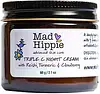
This brightening night moisturizer is formulated around Tetrahexyldecyl Ascorbate and Magnesium Ascorbyl Phosphate to brighten dull-looking skin.
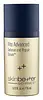
This barrier-repair serum is formulated around Niacinamide to strengthen the skin barrier and calm redness.

What's inside
What's inside
 Key Ingredients
Benefits
Concerns
Ingredients Side-by-side
Water
Skin ConditioningCarthamus Tinctorius Seed Oil
Masking



Isopropyl Palmitate
Emollient


Tetrahexyldecyl Ascorbate
Antioxidant






Magnesium Ascorbyl Phosphate
Antioxidant
Ascorbyl Glucoside
Antioxidant
Cetyl Alcohol
Emollient

Glycerin
Humectant
Polyglyceryl-2 Stearate
Emulsifying
Glyceryl Stearate
Emollient
Stearyl Alcohol
Emollient
Stearic Acid
Cleansing
Inonotus Obliquus Extract
Skin ConditioningGanoderma Lucidum Extract
Skin Protecting
Butyrospermum Parkii Butter
Skin Conditioning
Phenethyl Alcohol
MaskingCaprylyl Glycol
Emollient
Ethylhexylglycerin
Skin ConditioningCalendula Officinalis Flower Extract
Masking

Rubus Chamaemorus Fruit Extract
Antioxidant
Ribes Nigrum Seed Oil
Emollient
Squalane
Emollient
Sodium PCA
Humectant
Xanthan Gum
EmulsifyingCitrus Aurantium Dulcis Peel Oil
Masking
Hyaluronic Acid
Humectant
Tocotrienols
Skin Conditioning
Curcuma Longa Root Extract
Antioxidant
Chlorella Pyrenoidosa Extract
Skin ConditioningAllantoin
Skin Conditioning
Ceramide NP
Skin Conditioning
Riboflavin
Cosmetic ColorantWater, Carthamus Tinctorius Seed Oil, Isopropyl Palmitate, Tetrahexyldecyl Ascorbate, Magnesium Ascorbyl Phosphate, Ascorbyl Glucoside, Cetyl Alcohol, Glycerin, Polyglyceryl-2 Stearate, Glyceryl Stearate, Stearyl Alcohol, Stearic Acid, Inonotus Obliquus Extract, Ganoderma Lucidum Extract, Butyrospermum Parkii Butter, Phenethyl Alcohol, Caprylyl Glycol, Ethylhexylglycerin, Calendula Officinalis Flower Extract, Rubus Chamaemorus Fruit Extract, Ribes Nigrum Seed Oil, Squalane, Sodium PCA, Xanthan Gum, Citrus Aurantium Dulcis Peel Oil, Hyaluronic Acid, Tocotrienols, Curcuma Longa Root Extract, Chlorella Pyrenoidosa Extract, Allantoin, Ceramide NP, Riboflavin
Water
Skin ConditioningButylene Glycol
Humectant
Propanediol
Solvent
Ethylhexyl Olivate
Skin Conditioning
Cetearyl Alcohol
Emollient
Chlorogenic Acids
Antioxidant
Niacinamide
Smoothing



Lauryl Lactate
EmollientDimethyl Isosorbide
SolventPyrroloquinoline Quinone Allyl Ester
Antioxidant
Hydrolyzed Sodium Hyaluronate
Skin Conditioning
Glycyrrhiza Glabra Root Extract
Bleaching
Tetrahexyldecyl Ascorbate
Antioxidant
Ergothioneine
Antioxidant
Benzylidene Dimethoxydimethylindanone
Skin ProtectingArabidopsis Thaliana Extract
Antioxidant
Carnosine
Skin Conditioning
Camellia Sinensis Leaf Extract
Antimicrobial
Vitis Vinifera Seed Extract
Antimicrobial
Theobroma Cacao Seed Extract
Antioxidant
Curcuma Longa Root Extract
Antioxidant
Olea Europaea Fruit Extract
BleachingEuterpe Oleracea Fruit Extract
Trifluoroacetyl Tripeptide-2
Skin Conditioning
Buddleja Officinalis Flower Extract
UV FilterCoffea Arabica Leaf Cell Extract
Antioxidant
Crocus Sativus Leaf Cell Culture Extract
Skin ProtectingSuperoxide Dismutase
Antioxidant
Ubiquinone
Antioxidant
Plankton Extract
Skin ConditioningMicrococcus Lysate
Skin ConditioningArginine
Masking
Zingiber Officinale Root Extract
Masking
Ceramide NP
Skin Conditioning
Ceramide AP
Skin Conditioning
Ceramide EOP
Skin Conditioning
Linoleic Acid
Cleansing
Linolenic Acid
Cleansing
Sea Whip Extract
Skin ConditioningBisabolol
Antioxidant
Tocopherol
Antioxidant
Tocopheryl Acetate
Antioxidant
Cholesterol
Emollient
Phytosphingosine
Skin Conditioning
Jojoba Esters
Emollient
Sodium PCA
Humectant
Pentylene Glycol
Skin Conditioning
Methyl Gluceth-20
Humectant
Glycerin
Humectant
Helianthus Annuus Seed Wax
Skin Conditioning
Acacia Decurrens Flower Wax
Emollient
Lecithin
Emollient
Sodium Lauroyl Lactylate
EmulsifyingDicetyl Phosphate
EmulsifyingPropanediol Dicaprylate/Caprate
EmollientPolyglycerin-3
Humectant
Ceteth-20 Phosphate
CleansingDiisostearyl Malate
EmollientXanthan Gum
EmulsifyingSteareth-2
EmulsifyingAcacia Senegal Gum
MaskingPentaerythrityl Tetra-Di-T-Butyl Hydroxyhydrocinnamate
Antioxidant
Carbomer
Emulsion StabilisingAcrylates/C10-30 Alkyl Acrylate Crosspolymer
Emulsion StabilisingDextran
Ricinoleth-40
CleansingSodium Hydroxide
BufferingCitric Acid
Buffering
Sodium Phytate
ChelatingEthylhexylglycerin
Skin ConditioningPhenoxyethanol
Preservative
Water, Butylene Glycol, Propanediol, Ethylhexyl Olivate, Cetearyl Alcohol, Chlorogenic Acids, Niacinamide, Lauryl Lactate, Dimethyl Isosorbide, Pyrroloquinoline Quinone Allyl Ester, Hydrolyzed Sodium Hyaluronate, Glycyrrhiza Glabra Root Extract, Tetrahexyldecyl Ascorbate, Ergothioneine, Benzylidene Dimethoxydimethylindanone, Arabidopsis Thaliana Extract, Carnosine, Camellia Sinensis Leaf Extract, Vitis Vinifera Seed Extract, Theobroma Cacao Seed Extract, Curcuma Longa Root Extract, Olea Europaea Fruit Extract, Euterpe Oleracea Fruit Extract, Trifluoroacetyl Tripeptide-2, Buddleja Officinalis Flower Extract, Coffea Arabica Leaf Cell Extract, Crocus Sativus Leaf Cell Culture Extract, Superoxide Dismutase, Ubiquinone, Plankton Extract, Micrococcus Lysate, Arginine, Zingiber Officinale Root Extract, Ceramide NP, Ceramide AP, Ceramide EOP, Linoleic Acid, Linolenic Acid, Sea Whip Extract, Bisabolol, Tocopherol, Tocopheryl Acetate, Cholesterol, Phytosphingosine, Jojoba Esters, Sodium PCA, Pentylene Glycol, Methyl Gluceth-20, Glycerin, Helianthus Annuus Seed Wax, Acacia Decurrens Flower Wax, Lecithin, Sodium Lauroyl Lactylate, Dicetyl Phosphate, Propanediol Dicaprylate/Caprate, Polyglycerin-3, Ceteth-20 Phosphate, Diisostearyl Malate, Xanthan Gum, Steareth-2, Acacia Senegal Gum, Pentaerythrityl Tetra-Di-T-Butyl Hydroxyhydrocinnamate, Carbomer, Acrylates/C10-30 Alkyl Acrylate Crosspolymer, Dextran, Ricinoleth-40, Sodium Hydroxide, Citric Acid, Sodium Phytate, Ethylhexylglycerin, Phenoxyethanol
Reviews
Ingredients Explained
These ingredients are found in both products.
Ingredients higher up in an ingredient list are typically present in a larger amount.
Ceramide NP (formerly known as Ceramide 3) is one of the skin's naturally occurring lipids.
Since ceramides are the major lipid components of the skin, they are crucial for maintaining skin barrier and hydration. Ceramide NP most closely mirrors the dominant kind in human skin amongst ceramide subtypes.
This ceramide works by slotting into gaps within the stratum corneum's lipid matrix to limit trans-epidermal water loss (TEWL) and shield the skin against external irritants.
A study with 312 patients found that using a ceramide-containing routine for 4 weeks reduced the severity of atopic dermatitis by over 61%.
Another clinical study in subjects aged 60 and older found that a ceramide body wash and moisturizer improved skin dryness and itchy skin in 15 days.
Overall, ceramides are considered non-irritating and safety tests have found little to no observable adverse effects from using this ingredient.
Ceramide NP is usually sourced from plants (like soybean or rice bran), or produced synthetically.
Learn more about Ceramide NPCurcuma Longa Root Extract comes from the rhizome (underground stem) of the turmeric plant.
While the official EU Cosing Database lists this ingredient as a fragrance, it actually does more than give products a scent.
This ingredient contains a group of yellow pigments called curcuminoids (mostly curcumin) that give it genuine antioxidant and anti-inflammatory activity in skin.
Reviews of topical clinical studies have found turmeric/curcumin to be generally well-tolerated and useful across conditions like eczema and mild inflammation.
One thing working in its favor is that curcumin barely penetrates; in lab skin-permeation testing, the curcuminoids mostly stayed in the outermost layer of skin. This is a good thing because its soothing and antioxidant activity is a surface-level job anyway.
At this time, industry data shows there's no single "correct" cosmetic percentage. It's used across a wide range depending on the product and varies from tiny fractions of a percent up to a few percent.
Allergy-wise, curcumin is a documented (but uncommon) contact allergen. It can also cross react with related plants, so anyone with a turmeric/ginger/cinnamon allergy or reactive skin should patch test first.
Learn more about Curcuma Longa Root ExtractEthylhexylglycerin is created from glycerin. It is a multitasker ingredient that:
The CIR Expert Panel found minimal skin absorption or sensitization of any kind in a safety assessment. Though this ingredient is considered well-tolerated, a small number of cases of allergic dermatitis have been published since 2002. Just be sure to patch test if you are unsure.
Industry-reported use ranges from 8% in rinse-off products and 2% in leave-on formulations.
Learn more about EthylhexylglycerinGlycerin (or glycerol) is a compound naturally found in your skin. It's a powerhouse humectant that pulls water into the stratum corneum.
Topically, glycerin does several things at once:
Your skin makes glycerin on its own (mostly from sebaceous oil breakdown) and shuttles it to your outermost layer of skin, or your epidermis, via aquaporin-3.
Aquaporin-3 is a transporter that is essential for normal skin hydration, elasticity, and repair. Interestingly, mice lacking in AQP3 have dry and less elastic skin that can be fully corrected with glycerin.
This ingredient is non-irritating, plays well with almost every ingredient, and works across all skin types. Typical use is anywhere between 3-10% but can go up to 79% in some leave-on products.
Just know very high concentrations (>40%) can feel tacky in low humidity.
Glycerin is the name for this ingredient in American English. British English uses Glycerol/Glycerine.
Learn more about GlycerinSodium PCA (the salt of PCA) is one of the most well-established humectants in skincare.
Why is it so special? Your skin already makes it naturally; it's a natural component of your skin's Natural Moisturizing Factor (NMF), or the mix of water-binding compounds inside your skin cells that keeps things soft and hydrated.
As a cosmetic ingredient, it grabs water and holds it in the upper layers of skin to smooth roughness and ease dehydration.
There's some clinical support for the NMF approach with a study showing that a cream built to mimic the skin's NMF significantly boosted hydration.
Safety-wise, this ingredient non-irritating, non-comedogenic, and non-phototoxic in testing, with minimal skin absorption.
It also works really well with other hydrators like glycerin or hyaluronic acid, and typical usage is somewhere between 0.2-4%.
Learn more about Sodium PCATetrahexyldecyl Ascorbate (THD) is a stable and oil-soluble form of Vitamin C.
THD is special in that it has the ability to travel deeper into skin than traditional ascorbic acid while maintaining the same skin benefits (double win!).
Because it’s oil-soluble, THD dives deep into your skin’s fatty layers (think ceramides and cholesterol) to fight off the kind of free radicals that mess with your skin barrier. This makes it a great pair with water-based vitamin C (ascorbic acid) that mainly works on the surface.
Even at just 0.1%, THD is already showing great antioxidant activity. When used up to 2%, it helps keep your skin happy and calm, especially when it’s stressed from pollution or sun.
Want to fade dark spots or tackle hyperpigmentation? You’ll want 5% or more. Pairing it with brightening buddies like niacinamide or licorice root gives even better results. One study even used 30% THD with other brighteners and saw real results on stubborn discoloration, even in melasma-prone skin.
A note on THD: It’s has a slightly silky, oily texture and usually shows up colorless or pale yellow (though the exact shade can vary by supplier).
While you can sneak it into water-based formulas, it really shines when paired with silicones or oils, which help your skin soak it up better.
THD is pretty stable, but it’s still vulnerable to degradation like ascorbic acid. Too much light or heat (above 113°F / 45°C) can break it down over time. Go for dark and opaque packaging that keeps it safe and shady!
Read more about other types of Vitamin C:
Learn more about Tetrahexyldecyl AscorbateWater. It's the most common cosmetic ingredient of all. You'll usually see it at the top of ingredient lists, meaning that it makes up the largest part of the product.
So why is it so popular? Water most often acts as a solvent - this means that it helps dissolve other ingredients into the formulation.
You'll also recognize water as that liquid we all need to stay alive. If you see this, drink a glass of water. Remember to stay hydrated!
Learn more about WaterXanthan gum is used as a stabilizer and thickener within cosmetic products. It helps give products a sticky, thick feeling - preventing them from being too runny.
On the technical side of things, xanthan gum is a polysaccharide - a combination consisting of multiple sugar molecules bonded together.
Xanthan gum is a pretty common and great ingredient. It is a natural, non-toxic, non-irritating ingredient that is also commonly used in food products.
Learn more about Xanthan Gum

