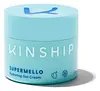
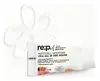
Kinship Supermellow Hydrating Gel Cream Moisturizer Versus RE:P Phytocell Moisture Cica All in One Serum
This calming moisturizer is formulated around Aloe Barbadensis Leaf Juice and Squalane to calm redness and hydrate skin.
This calming serum is formulated around Niacinamide and Centella Asiatica Extract to calm redness and strengthen the skin barrier.


What's inside
What's inside
 Key Ingredients
Benefits
Concerns
Ingredients Side-by-side
Aloe Barbadensis Leaf Juice
Skin Conditioning


Water
Skin ConditioningGlycerin
Humectant

Isopropyl Palmitate
Emollient




Mangifera Indica Seed Butter
Skin Conditioning
Sodium Acrylates Copolymer
Cocos Nucifera Oil
Masking


Squalane
Emollient
Caprylic/Capric Triglyceride
Masking
Althaea Officinalis Root Extract
Skin Conditioning
Lecithin
Emollient
Cocos Nucifera Liquid Endosperm
Lactobacillus Ferment
Skin Conditioning
Sodium Hyaluronate
Humectant
Theobroma Cacao Seed Butter
Emollient
Tetrahexyldecyl Ascorbate
Antioxidant




Citrullus Lanatus Fruit Extract
Skin Conditioning
Lens Esculenta Fruit Extract
Skin ConditioningHelianthus Annuus Seed Oil
Emollient
Pyrus Malus Fruit Extract
Skin Conditioning
Vanilla Planifolia Fruit Extract
Skin Conditioning
Calophyllum Inophyllum Seed Oil
Antimicrobial
Tocopherol
Antioxidant

Phytic Acid
Chelating
Sodium Lactate
Buffering
Sodium PCA
Humectant
Citric Acid
Buffering
Tapioca Starch
Phenoxyethanol
Preservative
Ethylhexylglycerin
Skin ConditioningPotassium Sorbate
Preservative
Sodium Benzoate
Masking
Aloe Barbadensis Leaf Juice, Water, Glycerin, Isopropyl Palmitate, Mangifera Indica Seed Butter, Sodium Acrylates Copolymer, Cocos Nucifera Oil, Squalane, Caprylic/Capric Triglyceride, Althaea Officinalis Root Extract, Lecithin, Cocos Nucifera Liquid Endosperm, Lactobacillus Ferment, Sodium Hyaluronate, Theobroma Cacao Seed Butter, Tetrahexyldecyl Ascorbate, Citrullus Lanatus Fruit Extract, Lens Esculenta Fruit Extract, Helianthus Annuus Seed Oil, Pyrus Malus Fruit Extract, Vanilla Planifolia Fruit Extract, Calophyllum Inophyllum Seed Oil, Tocopherol, Phytic Acid, Sodium Lactate, Sodium PCA, Citric Acid, Tapioca Starch, Phenoxyethanol, Ethylhexylglycerin, Potassium Sorbate, Sodium Benzoate
Water
Skin ConditioningGlycerin
Humectant
Neopentyl Glycol Diheptanoate
EmollientIsododecane
EmollientButylene Glycol
Humectant
1,2-Hexanediol
Skin Conditioning
Niacinamide
Smoothing


Cetyl Ethylhexanoate
EmollientTriethylhexanoin
MaskingCoco-Caprylate/Caprate
Emollient
Trehalose
Humectant
Polyglyceryl-2 Stearate
Emulsifying
Butyrospermum Parkii Butter
Skin Conditioning
Glyceryl Stearate
Emollient
Stearyl Alcohol
Emollient
Tromethamine
BufferingCarbomer
Emulsion StabilisingEthylhexylglycerin
Skin ConditioningAdenosine
Skin Conditioning
Acrylates/C10-30 Alkyl Acrylate Crosspolymer
Emulsion StabilisingXanthan Gum
EmulsifyingAllantoin
Skin Conditioning
Lavandula Angustifolia Oil
Masking


Citrus Aurantium Bergamia Fruit Oil
Masking
Citrus Aurantium Dulcis Peel Oil
Masking
Aniba Rosaeodora Wood Oil
Astringent
Centella Asiatica Extract
Cleansing
Chamomilla Recutita Flower Water
MaskingRosmarinus Officinalis Leaf Oil
Masking
Eucalyptus Globulus Leaf Oil
Perfuming
Sodium Hyaluronate
Humectant
Camellia Japonica Seed Oil
Emollient
Limnanthes Alba Seed Oil
Skin Conditioning
Panthenol
Skin Conditioning
Helianthus Annuus Seed Oil
Emollient
Asiaticoside
Antioxidant
Madecassic Acid
Skin Conditioning
Asiatic Acid
Skin Conditioning
Leontopodium Alpinum Callus Culture Extract
Antioxidant
Octyldodecanol
Emollient
Ceramide NP
Skin Conditioning
Caprylic/Capric Triglyceride
Masking
Hydrogenated Lecithin
Emulsifying
Glycyrrhiza Glabra Root Extract
Bleaching
Oldenlandia Diffusa Extract
Skin ConditioningSaururus Chinensis Extract
Skin ConditioningHouttuynia Cordata Extract
Skin Conditioning
Leontopodium Alpinum Flower/Leaf Extract
Skin ConditioningLeonurus Sibiricus Flower/Leaf/Stem Extract
SoothingEclipta Prostrata Extract
Skin Conditioning
Saxifraga Sarmentosa Extract
Skin ConditioningUsnea Barbata Extract
Zanthoxylum Piperitum Fruit Extract
Skin ConditioningPulsatilla Koreana Extract
Skin ConditioningTocopherol
Antioxidant
Madecassoside
Antioxidant
Limonene
Perfuming
Linalool
Perfuming
Water, Glycerin, Neopentyl Glycol Diheptanoate, Isododecane, Butylene Glycol, 1,2-Hexanediol, Niacinamide, Cetyl Ethylhexanoate, Triethylhexanoin, Coco-Caprylate/Caprate, Trehalose, Polyglyceryl-2 Stearate, Butyrospermum Parkii Butter, Glyceryl Stearate, Stearyl Alcohol, Tromethamine, Carbomer, Ethylhexylglycerin, Adenosine, Acrylates/C10-30 Alkyl Acrylate Crosspolymer, Xanthan Gum, Allantoin, Lavandula Angustifolia Oil, Citrus Aurantium Bergamia Fruit Oil, Citrus Aurantium Dulcis Peel Oil, Aniba Rosaeodora Wood Oil, Centella Asiatica Extract, Chamomilla Recutita Flower Water, Rosmarinus Officinalis Leaf Oil, Eucalyptus Globulus Leaf Oil, Sodium Hyaluronate, Camellia Japonica Seed Oil, Limnanthes Alba Seed Oil, Panthenol, Helianthus Annuus Seed Oil, Asiaticoside, Madecassic Acid, Asiatic Acid, Leontopodium Alpinum Callus Culture Extract, Octyldodecanol, Ceramide NP, Caprylic/Capric Triglyceride, Hydrogenated Lecithin, Glycyrrhiza Glabra Root Extract, Oldenlandia Diffusa Extract, Saururus Chinensis Extract, Houttuynia Cordata Extract, Leontopodium Alpinum Flower/Leaf Extract, Leonurus Sibiricus Flower/Leaf/Stem Extract, Eclipta Prostrata Extract, Saxifraga Sarmentosa Extract, Usnea Barbata Extract, Zanthoxylum Piperitum Fruit Extract, Pulsatilla Koreana Extract, Tocopherol, Madecassoside, Limonene, Linalool
Ingredients Explained
These ingredients are found in both products.
Ingredients higher up in an ingredient list are typically present in a larger amount.
Caprylic/Capric Triglyceride (aka MCT Oil) is a lightweight emollient, solvent, and texture enhancer. It is considered a skin-softener by helping to prevent moisture loss.
Though it behaves like an oil, it is not technically one due to its chemical composition. One perk of this ingredient is that it is very stable, resistant to oxidation, and unlikely to go rancid.
In practice, that translates to a long shelf life and a consistently elegant skin feel.
While there is an assumption Caprylic Triglyceride can clog pores due to it being derived from coconut oil, there is no research supporting this. Just patch test if you have concerns.
Fractionated coconut oil and MCT Oil are both listed as Caprylic/Capric Triglyceride according to INCI. This is because INCI names are based on the ingredient’s final chemical composition and not its marketing name or source.
This ingredient is treated as the gold standard fungal acne safe oil. Even though it is coconut derived, the problematic lauric acid is stripped out.
This leaves just caprylic (C8) and capric (C10) acid. These chain lengths actually trend antifungal; a 2020 study found caprylic acid was enough to disrupt Malassezia furfur cell membrane, with a caprylic acid derivative damaging membrane structures at concentrations as low as 0.2%.
Learn more about Caprylic/Capric TriglycerideEthylhexylglycerin is created from glycerin. It is a multitasker ingredient that:
The CIR Expert Panel found minimal skin absorption or sensitization of any kind in a safety assessment. Though this ingredient is considered well-tolerated, a small number of cases of allergic dermatitis have been published since 2002. Just be sure to patch test if you are unsure.
Industry-reported use ranges from 8% in rinse-off products and 2% in leave-on formulations.
Learn more about EthylhexylglycerinGlycerin (or glycerol) is a compound naturally found in your skin. It's a powerhouse humectant that pulls water into the stratum corneum.
Topically, glycerin does several things at once:
Your skin makes glycerin on its own (mostly from sebaceous oil breakdown) and shuttles it to your outermost layer of skin, or your epidermis, via aquaporin-3.
Aquaporin-3 is a transporter that is essential for normal skin hydration, elasticity, and repair. Interestingly, mice lacking in AQP3 have dry and less elastic skin that can be fully corrected with glycerin.
This ingredient is non-irritating, plays well with almost every ingredient, and works across all skin types. Typical use is anywhere between 3-10% but can go up to 79% in some leave-on products.
Just know very high concentrations (>40%) can feel tacky in low humidity.
Glycerin is the name for this ingredient in American English. British English uses Glycerol/Glycerine.
Learn more about GlycerinHelianthus Annuus Seed Oil is a plant oil derived from the seeds of a sunflower.
It is rich in fatty acids, primarily linoleic acid and oleic acid. This gives it emollient and skin conditioning properties.
The reason this ingredient is so effective is because it forms a thin film on the skin that reduces transepidermal water loss (TEWL) while supplying linoleic acid to the stratum corneum to improve barrier strength.
The high linoleic acid content is particularly noteworthy for acne-prone skin.
Research suggests that acne-prone skin tends to be deficient in linoleic acid in sebum. Topical application may help replenish this to support a healthier follicular environment and less comedone-promoting sebum.
One randomized study found sunflower seed oil preserved skin barrier integrity in adult volunteers with and without atopic dermatitis (outperforming olive oil).
This ingredient is well-studied, gentle, and an effective emollient suitable for most skin types.
On fungal acne: This ingredient may not be Fungal acne (Malassezia folliculitis) safe. This is because it contains fatty acids with carbon chain lengths in the C11-C24 range.
Learn more about Helianthus Annuus Seed OilSodium Hyaluronate is the salt form of hyaluronic acid. It is a long sugar chain that is naturally found in your skin, joints, and connective tissue that maintains hydration and elasticity.
In skincare, it works as a humectant. It pulls water from the environment and deeper layers of skin and binds it to the surface.
Interestingly, the size of the molecule affects its behavior:
Some clinical evidence links low molecular weight versions to improved wrinkle depth, elasticity, anti-inflammatory effects, and barrier repair.
Many serums use a blend of both weights so you can get surface hydration plus longer-lasting and deeper effects.
You'll typically see concentrations between 0.1-2% for this ingredient.
Learn more about Sodium HyaluronateTocopherol is a fat-soluble antioxidant known as Vitamin E.
You'll find this ingredient in the vast majority of skincare (for good reason). It works to neutralize free radicals, or unstable molecules generated by UV exposure, pollution, and other environmental stressors, before they can cause oxidative damage to your skin cells.
Topically applied tocopherol has been shown to protect against UV damage by ramping up the skin's own natural defense enzymes.
It also acts as a skin conditioning agent; some studies show that regular topical use can improve the skin's water-binding capacity over 2-4 weeks.
This ingredient is especially loved for being a team player. When combined with Vitamin C, the photoprotective effect of both ingredients roughly doubles and the combo also helps reduce UV-induced DNA damage.
This ingredient has some brightening potential but it's more of a prevention ingredient than spot-fader. Cell studies show it can slow down melanin production but it's worth noting that it's not the most powerful brightener out there.
In formulations, it also serves as a stabilizer that helps protect other oxidation-prone ingredients from degrading.
Concentrations usually range from 0.1-1% in most leave-on products.
Learn more about TocopherolWater. It's the most common cosmetic ingredient of all. You'll usually see it at the top of ingredient lists, meaning that it makes up the largest part of the product.
So why is it so popular? Water most often acts as a solvent - this means that it helps dissolve other ingredients into the formulation.
You'll also recognize water as that liquid we all need to stay alive. If you see this, drink a glass of water. Remember to stay hydrated!
Learn more about Water

