
What's inside
What's inside
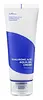 Key Ingredients
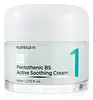
Benefits
Concerns
No concerns
Ingredients Side-by-side
Water
Skin ConditioningMethylpropanediol
SolventCoco-Caprylate/Caprate
Emollient
1,2-Hexanediol
Skin Conditioning
Glycerin
Humectant

Biosaccharide Gum-1
Humectant
Betaine
Humectant
Ammonium Acryloyldimethyltaurate/Vp Copolymer
Trehalose
Humectant
Sodium Hyaluronate
Humectant

Hydrolyzed Hyaluronic Acid
Humectant
Centella Asiatica Extract
Cleansing
Polygonum Cuspidatum Root Extract
Antioxidant
Scutellaria Baicalensis Root Extract
Astringent
Camellia Sinensis Leaf Extract
Antimicrobial


Portulaca Oleracea Extract
Skin Conditioning
Glycyrrhiza Glabra Root Extract
Bleaching
Houttuynia Cordata Extract
Skin Conditioning
Rosmarinus Officinalis Leaf Extract
AntimicrobialChamomilla Recutita Flower Extract
Masking
Sodium Hyaluronate Crosspolymer
Humectant
Sodium PCA
Humectant
Squalane
Emollient
Isostearyl Alcohol
Emollient

Butylene Glycol Cocoate
Emulsifying
Cetearyl Olivate
Sorbitan Olivate
Emulsifying
Hyaluronic Acid
Humectant
Hydrolyzed Jojoba Esters
Skin Conditioning
Hydrogenated Olive Oil Unsaponifiables
Emollient
Butylene Glycol
Humectant
Hydrolyzed Sodium Hyaluronate
Skin Conditioning
Allantoin
Skin Conditioning
Xanthan Gum
EmulsifyingEthylcellulose
Propanediol
Solvent
Phenyl Trimethicone
Skin Conditioning
Pentylene Glycol
Skin Conditioning
Ethylhexylglycerin
Skin ConditioningWater, Methylpropanediol, Coco-Caprylate/Caprate, 1,2-Hexanediol, Glycerin, Biosaccharide Gum-1, Betaine, Ammonium Acryloyldimethyltaurate/Vp Copolymer, Trehalose, Sodium Hyaluronate, Hydrolyzed Hyaluronic Acid, Centella Asiatica Extract, Polygonum Cuspidatum Root Extract, Scutellaria Baicalensis Root Extract, Camellia Sinensis Leaf Extract, Portulaca Oleracea Extract, Glycyrrhiza Glabra Root Extract, Houttuynia Cordata Extract, Rosmarinus Officinalis Leaf Extract, Chamomilla Recutita Flower Extract, Sodium Hyaluronate Crosspolymer, Sodium PCA, Squalane, Isostearyl Alcohol, Butylene Glycol Cocoate, Cetearyl Olivate, Sorbitan Olivate, Hyaluronic Acid, Hydrolyzed Jojoba Esters, Hydrogenated Olive Oil Unsaponifiables, Butylene Glycol, Hydrolyzed Sodium Hyaluronate, Allantoin, Xanthan Gum, Ethylcellulose, Propanediol, Phenyl Trimethicone, Pentylene Glycol, Ethylhexylglycerin
Water
Skin ConditioningButylene Glycol
Humectant
Glycerin
Humectant
Niacinamide
Smoothing

Cetyl Ethylhexanoate
EmollientDicaprylyl Carbonate
Emollient1,2-Hexanediol
Skin Conditioning
Pentylene Glycol
Skin Conditioning
Vinyldimethicone
Centella Asiatica Extract
Cleansing
Chlorella Vulgaris Extract
Skin ConditioningSophora Angustifolia Root Extract
Skin ConditioningMelia Azadirachta Leaf Extract
Skin ConditioningMelia Azadirachta Flower Extract
Skin ConditioningCoccinia Indica Fruit Extract
Skin ConditioningOcimum Sanctum Leaf Extract
Skin ConditioningCurcuma Longa Root Extract
Masking
Aloe Barbadensis Flower Extract
EmollientSolanum Melongena Fruit Extract
Skin ConditioningCorallina Officinalis Extract
Skin Conditioning
Camellia Sinensis Leaf Extract
Antimicrobial
Centella Asiatica Leaf Extract
Skin Conditioning
Cladosiphon Okamuranus Extract
Skin ConditioningSalix Alba Bark Extract
Astringent
Houttuynia Cordata Extract
Skin Conditioning
Coffea Arabica Seed Extract
Masking
Citrus Aurantium Bergamia Leaf Extract
AstringentPinus Densiflora Leaf Extract
Antimicrobial
Alpha-Arbutin
Antioxidant
Argania Spinosa Kernel Oil
Emollient
Sesamum Indicum Seed Oil
Emollient
Serenoa Serrulata Fruit Extract
Skin Conditioning
Glycyrrhiza Glabra Root Extract
Bleaching
Caprylyl Methicone
Skin Conditioning
Erythritol
Humectant
Panthenol
Skin Conditioning
Hydroxyethyl Acrylate/Sodium Acryloyldimethyl Taurate Copolymer
Emulsion StabilisingDimethiconol
Emollient
Polymethylsilsesquioxane
Acrylates/C10-30 Alkyl Acrylate Crosspolymer
Emulsion StabilisingGlucose
Humectant
Tromethamine
BufferingSilica
Abrasive
Fructooligosaccharides
Humectant
Fructose
Humectant
Ethylhexylglycerin
Skin ConditioningSodium Phytate
Glyceryl Acrylate/Acrylic Acid Copolymer
HumectantCaprylic/Capric Triglyceride
Masking
Hydrogenated Lecithin
Emulsifying
Tocopherol
Antioxidant
Decyl Glucoside
Cleansing
Pantothenic Acid
Skin ConditioningPolyglyceryl-4 Caprate
EmulsifyingPolyglyceryl-6 Caprylate
EmulsifyingZinc PCA
Humectant
Methyl Diisopropyl Propionamide
MaskingBeta-Sitosterol
Emulsion Stabilising
Xanthan Gum
EmulsifyingWater, Butylene Glycol, Glycerin, Niacinamide, Cetyl Ethylhexanoate, Dicaprylyl Carbonate, 1,2-Hexanediol, Pentylene Glycol, Vinyldimethicone, Centella Asiatica Extract, Chlorella Vulgaris Extract, Sophora Angustifolia Root Extract, Melia Azadirachta Leaf Extract, Melia Azadirachta Flower Extract, Coccinia Indica Fruit Extract, Ocimum Sanctum Leaf Extract, Curcuma Longa Root Extract, Aloe Barbadensis Flower Extract, Solanum Melongena Fruit Extract, Corallina Officinalis Extract, Camellia Sinensis Leaf Extract, Centella Asiatica Leaf Extract, Cladosiphon Okamuranus Extract, Salix Alba Bark Extract, Houttuynia Cordata Extract, Coffea Arabica Seed Extract, Citrus Aurantium Bergamia Leaf Extract, Pinus Densiflora Leaf Extract, Alpha-Arbutin, Argania Spinosa Kernel Oil, Sesamum Indicum Seed Oil, Serenoa Serrulata Fruit Extract, Glycyrrhiza Glabra Root Extract, Caprylyl Methicone, Erythritol, Panthenol, Hydroxyethyl Acrylate/Sodium Acryloyldimethyl Taurate Copolymer, Dimethiconol, Polymethylsilsesquioxane, Acrylates/C10-30 Alkyl Acrylate Crosspolymer, Glucose, Tromethamine, Silica, Fructooligosaccharides, Fructose, Ethylhexylglycerin, Sodium Phytate, Glyceryl Acrylate/Acrylic Acid Copolymer, Caprylic/Capric Triglyceride, Hydrogenated Lecithin, Tocopherol, Decyl Glucoside, Pantothenic Acid, Polyglyceryl-4 Caprate, Polyglyceryl-6 Caprylate, Zinc PCA, Methyl Diisopropyl Propionamide, Beta-Sitosterol, Xanthan Gum
Reviews
Ingredients Explained
These ingredients are found in both products.
Ingredients higher up in an ingredient list are typically present in a larger amount.
1,2-Hexanediol is a synthetic liquid and another multi-functional powerhouse.
It is a:
- Humectant, drawing moisture into the skin
- Emollient, helping to soften skin
- Solvent, dispersing and stabilizing formulas
- Preservative booster, enhancing the antimicrobial activity of other preservatives
Butylene Glycol (or BG) is used within cosmetic products for a few different reasons:
Overall, Butylene Glycol is a safe and well-rounded ingredient that works well with other ingredients.
Though this ingredient works well with most skin types, some people with sensitive skin may experience a reaction such as allergic rashes, closed comedones, or itchiness.
Learn more about Butylene GlycolCamellia Sinensis Leaf Extract (tea extract) is one of the most well-researched plant extracts in skincare with an impressive resume.
Black tea, green tea, and oolong tea are all harvested from the Camellia Sinensis plant.
Studies show green tea extract and its catechins (like epigallocatechin gallate (EGCG)) help your skin cells product energy more efficiently and reducing the number of free-radicals that can damage your skin from the inside.
In lab-grown skin models, this translated to younger, healthier, and stronger skin.
There's also good sun protection data; researchers saw less DNA damage and redness on human skin when green tea was applied before UVB exposure. And the more they applied, the better the protection.
Needless to say, this ingredient shouldn't replace your sunscreen. But it is a great supportive ingredient that you can already find in many sunscreens and antioxidant serums.
A 2009 study found a 2% green tea lotion was effective for mild-to-moderate acne thanks to its anti-inflammatory and mild antimicrobial activity.
The quality of the extract matters a lot here:
Good extracts contain 50-90% catechins while lower quality ones are mostly there for marketing. We recommend reaching out to the brand if you have questions about the quality or source of their ingredients.
Human Repeated Insult Patch Testing showed no irritation or sensitization at use concentrations (0.86% in leave-on products and up to 30% as leaf water).
Learn more about Camellia Sinensis Leaf ExtractCentella Asiatica Extract (Centella) is derived from an herb native to Southeast Asia. It is famous for its anti-inflammatory and soothing properties.
Centella is rich in antioxidants and amino acids, such as Madecassic Acid and Asiaticoside.
Studies show the compounds in centella help with:
The combination of all these properties makes centella effective at soothing, hydrating, and protecting the skin.
Other great components of centella include Vitamin A, vitamin C, several B vitamins, and Asiatic Acid.
Fun fact: Centella has been used as a medicine and in food for many centuries. As a medicine, it is used to treat burns, scratches, and wounds.
Learn more about Centella Asiatica ExtractEthylhexylglycerin is created from glycerin. It is a multitasker ingredient that:
The CIR Expert Panel found minimal skin absorption or sensitization of any kind in a safety assessment. Though this ingredient is considered well-tolerated, a small number of cases of allergic dermatitis have been published since 2002. Just be sure to patch test if you are unsure.
Industry-reported use ranges from 8% in rinse-off products and 2% in leave-on formulations.
Learn more about EthylhexylglycerinGlycerin (or glycerol) is a compound naturally found in your skin. It's a powerhouse humectant that pulls water into the stratum corneum.
Topically, glycerin does several things at once:
Your skin makes glycerin on its own (mostly from sebaceous oil breakdown) and shuttles it to your outermost layer of skin, or your epidermis, via aquaporin-3.
Aquaporin-3 is a transporter that is essential for normal skin hydration, elasticity, and repair. Interestingly, mice lacking in AQP3 have dry and less elastic skin that can be fully corrected with glycerin.
This ingredient is non-irritating, plays well with almost every ingredient, and works across all skin types. Typical use is anywhere between 3-10% but can go up to 79% in some leave-on products.
Just know very high concentrations (>40%) can feel tacky in low humidity.
Glycerin is the name for this ingredient in American English. British English uses Glycerol/Glycerine.
Learn more about GlycerinGlycyrrhiza Glabra Root Extract is an extract of the roots of Licorice. It has been found to have several benefits such as skin hydrating, conditioning, and soothing.
One component, glabridin, has extra potent antioxidant and soothing properties. It has also been found to block pigmentation from UVB rays in guinea pigs.
Licorice Root also contains a flavonoid. Flavonoids are a natural substance from in plants. Flavonoids also have antioxidant properties.
Another component, glycyrrhizin, has been found to have anti-inflammatory and antimicrobial benefits. This may make licorice root extract effective at treating acne. However, more research is needed to support this.
Liquiritin is one of the flavone compounds found in licorice. It has been found to help lighten skin by preventing tyrosinase from reacting with tyrosine. When the two react, protein is converted to melanin. Melanin is the substance in your body that gives your features pigmentation.
Learn more about Glycyrrhiza Glabra Root ExtractHouttuynia Cordata Extract is more commonly known as Heart Leaf, Fish Mint, or Chameleon plant.
The components found in Heart Leaf give it antioxidant, hydrating, antimicrobial, and anti-inflammatory properties.
Heart Leaf is rich in flavonoids such as quercetin, apigenin, and more. It also contains polysaccharides, the most common type of carbs in food.
Flavonoids have been shown to be effective antioxidants. They help neutralize free-radical molecules. Free-radical molecules are unstable molecules that may damage our skin cells and DNA. The flavonoids in Heart Leaf also help soothe the skin.
Polysaccharides are naturally found in our skin. They play a role in hydrating and repairing the top layer of skin. The polysaccharides in Heart Leaf help moisturize our skin.
Studies show decanoyl acetaldehyde, a component of Heart Leaf oil, is effective at killing bacteria.
The name 'Fish Mint' comes from the herb's natural fishy smell. Is is native to southeast Asia and used throughout the continent for traditional cooking and medicine.
Learn more about Houttuynia Cordata ExtractPentylene glycol is typically used within a product to thicken it. It also adds a smooth, soft, and moisturizing feel to the product. It is naturally found in plants such as sugar beets.
The hydrophilic trait of Pentylene Glycol makes it a humectant. As a humectant, Pentylene Glycol helps draw moisture from the air to your skin. This can help keep your skin hydrated.
This property also makes Pentylene Glycol a great texture enhancer. It can also help thicken or stabilize a product.
Pentylene Glycol also acts as a mild preservative and helps to keep a product microbe-free.
Some people may experience mild eye and skin irritation from Pentylene Glycol. We always recommend speaking with a professional about using this ingredient in your routine.
Pentylene Glycol has a low molecular weight and is part of the 1,2-glycol family.
Learn more about Pentylene GlycolWater. It's the most common cosmetic ingredient of all. You'll usually see it at the top of ingredient lists, meaning that it makes up the largest part of the product.
So why is it so popular? Water most often acts as a solvent - this means that it helps dissolve other ingredients into the formulation.
You'll also recognize water as that liquid we all need to stay alive. If you see this, drink a glass of water. Remember to stay hydrated!
Learn more about WaterXanthan gum is used as a stabilizer and thickener within cosmetic products. It helps give products a sticky, thick feeling - preventing them from being too runny.
On the technical side of things, xanthan gum is a polysaccharide - a combination consisting of multiple sugar molecules bonded together.
Xanthan gum is a pretty common and great ingredient. It is a natural, non-toxic, non-irritating ingredient that is also commonly used in food products.
Learn more about Xanthan Gum
