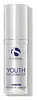
This anti-aging eye moisturizer is formulated around Sodium Hyaluronate and Acetyl Octapeptide-3 to soften the look of wrinkles and hydrate skin.

What's inside
What's inside
 Key Ingredients
Benefits
Concerns
Ingredients Side-by-side
Water
Skin ConditioningSodium Hyaluronate
Humectant




Caprylic/Capric Triglyceride
Masking
Glycerin
Humectant
Acetyl Octapeptide-3
Humectant
Glyceryl Dilaurate
Emollient

Pseudoalteromonas Ferment Extract
Humectant
Glycosaminoglycans
EmollientHydrolyzed Wheat Protein
Skin ConditioningHydrolyzed Soy Protein
Humectant
Tripeptide-10
Skin Conditioning
Citrulline
Skin ConditioningTripeptide-1
Skin Conditioning
Lecithin
Emollient
Silica Dimethyl Silylate
EmollientDimethicone
Emollient
Cetyl Alcohol
Emollient
Cetearyl Alcohol
Emollient


Ceteareth-20
Cleansing
Glyceryl Stearate
Emollient
PEG-100 Stearate
Surfactant
Urea
Buffering

Glucose
Humectant
Guanidine Hcl
BufferingDipalmitoyl Hydroxyproline
Skin Conditioning
Panthenol
Skin Conditioning
Phospholipids
Skin Conditioning
Dipotassium Glycyrrhizate
Humectant
Butylene Glycol
Humectant
Xanthan Gum
EmulsifyingCarbomer
Emulsion StabilisingTriethanolamine
BufferingPvp
Emulsion StabilisingAsiaticoside
Antioxidant
Asiatic Acid
Skin Conditioning
Madecassic Acid
Skin Conditioning
Retinyl Palmitate
Skin Conditioning


Tocopheryl Acetate
Antioxidant
Ethylhexyl Palmitate
Emollient
Disodium EDTA
Chelating1,2-Hexanediol
Skin Conditioning
Caprylyl Glycol
Emollient
Ascorbyl Palmitate
Antioxidant
Pantothenic Acid
Skin ConditioningWater, Sodium Hyaluronate, Caprylic/Capric Triglyceride, Glycerin, Acetyl Octapeptide-3, Glyceryl Dilaurate, Pseudoalteromonas Ferment Extract, Glycosaminoglycans, Hydrolyzed Wheat Protein, Hydrolyzed Soy Protein, Tripeptide-10, Citrulline, Tripeptide-1, Lecithin, Silica Dimethyl Silylate, Dimethicone, Cetyl Alcohol, Cetearyl Alcohol, Ceteareth-20, Glyceryl Stearate, PEG-100 Stearate, Urea, Glucose, Guanidine Hcl, Dipalmitoyl Hydroxyproline, Panthenol, Phospholipids, Dipotassium Glycyrrhizate, Butylene Glycol, Xanthan Gum, Carbomer, Triethanolamine, Pvp, Asiaticoside, Asiatic Acid, Madecassic Acid, Retinyl Palmitate, Tocopheryl Acetate, Ethylhexyl Palmitate, Disodium EDTA, 1,2-Hexanediol, Caprylyl Glycol, Ascorbyl Palmitate, Pantothenic Acid
Water
Skin ConditioningGlycerin
Humectant
Tribehenin
Emollient
Caprylic/Capric Triglyceride
Masking
Isodecyl Neopentanoate
EmollientGlyceryl Stearate
Emollient
Propanediol
Solvent
Squalane
Emollient
Acrylamide/Sodium Acryloyldimethyltaurate Copolymer
Emulsion StabilisingLeuconostoc/Radish Root Ferment Filtrate
Antimicrobial
Caprylyl Glycol
Emollient
Bakuchiol
Antimicrobial

Sodium Ascorbyl Phosphate
Antioxidant
Ceramide NP
Skin Conditioning
Rosa Canina Seed Oil
Emollient
Adansonia Digitata Seed Oil
Emollient
Argania Spinosa Kernel Oil
Emollient
Glycyrrhiza Glabra Root Extract
Bleaching
Pfaffia Paniculata Root Extract
SoothingPtychopetalum Olacoides Bark/Stem Extract
Skin ConditioningCalanthe Discolor Extract
Skin ConditioningLilium Candidum Flower Extract
Skin ConditioningUbiquinone
Antioxidant
Superoxide Dismutase
Antioxidant
Ergothioneine
Antioxidant
Tocopheryl Acetate
Antioxidant
Bisabolol
Antioxidant
Allantoin
Skin Conditioning
Biotin
AntiseborrhoeicHesperidin Methyl Chalcone
Antioxidant
Methylglucoside Phosphate
Skin ConditioningCopper Lysinate/Prolinate
Skin ConditioningPalmitoyl Tetrapeptide-7
Skin Conditioning
Chrysin
Skin ConditioningGluconolactone
Chelating

Dipeptide-2
Skin Conditioning
Palmitoyl Tripeptide-1
Skin Conditioning
N-Prolyl Palmitoyl Tripeptide-56 Acetate
Skin Conditioning
Calcium Gluconate
HumectantN-Hydroxysuccinimide
Skin ConditioningCaprylyl/Capryl Glucoside
CleansingCitric Acid
Buffering
Glyceryl Polyacrylate
Isohexadecane
EmollientPentylene Glycol
Skin Conditioning
Polysorbate 80
Emulsifying
Sodium Citrate
BufferingSodium Gluconate
ChelatingSodium Hydroxide
BufferingSorbitan Oleate
Emulsifying
Steareth-20
CleansingXanthan Gum
EmulsifyingBenzyl Alcohol
Perfuming





Chlorhexidine Digluconate
Antimicrobial
Sodium Benzoate
Masking
Potassium Sorbate
Preservative
Phenoxyethanol
Preservative
Water, Glycerin, Tribehenin, Caprylic/Capric Triglyceride, Isodecyl Neopentanoate, Glyceryl Stearate, Propanediol, Squalane, Acrylamide/Sodium Acryloyldimethyltaurate Copolymer, Leuconostoc/Radish Root Ferment Filtrate, Caprylyl Glycol, Bakuchiol, Sodium Ascorbyl Phosphate, Ceramide NP, Rosa Canina Seed Oil, Adansonia Digitata Seed Oil, Argania Spinosa Kernel Oil, Glycyrrhiza Glabra Root Extract, Pfaffia Paniculata Root Extract, Ptychopetalum Olacoides Bark/Stem Extract, Calanthe Discolor Extract, Lilium Candidum Flower Extract, Ubiquinone, Superoxide Dismutase, Ergothioneine, Tocopheryl Acetate, Bisabolol, Allantoin, Biotin, Hesperidin Methyl Chalcone, Methylglucoside Phosphate, Copper Lysinate/Prolinate, Palmitoyl Tetrapeptide-7, Chrysin, Gluconolactone, Dipeptide-2, Palmitoyl Tripeptide-1, N-Prolyl Palmitoyl Tripeptide-56 Acetate, Calcium Gluconate, N-Hydroxysuccinimide, Caprylyl/Capryl Glucoside, Citric Acid, Glyceryl Polyacrylate, Isohexadecane, Pentylene Glycol, Polysorbate 80, Sodium Citrate, Sodium Gluconate, Sodium Hydroxide, Sorbitan Oleate, Steareth-20, Xanthan Gum, Benzyl Alcohol, Chlorhexidine Digluconate, Sodium Benzoate, Potassium Sorbate, Phenoxyethanol
Reviews
Ingredients Explained
These ingredients are found in both products.
Ingredients higher up in an ingredient list are typically present in a larger amount.
Caprylic/Capric Triglyceride (aka MCT Oil) is a lightweight emollient, solvent, and texture enhancer. It is considered a skin-softener by helping to prevent moisture loss.
Though it behaves like an oil, it is not technically one due to its chemical composition. One perk of this ingredient is that it is very stable, resistant to oxidation, and unlikely to go rancid.
In practice, that translates to a long shelf life and a consistently elegant skin feel.
While there is an assumption Caprylic Triglyceride can clog pores due to it being derived from coconut oil, there is no research supporting this. Just patch test if you have concerns.
Fractionated coconut oil and MCT Oil are both listed as Caprylic/Capric Triglyceride according to INCI. This is because INCI names are based on the ingredient’s final chemical composition and not its marketing name or source.
This ingredient is treated as the gold standard fungal acne safe oil. Even though it is coconut derived, the problematic lauric acid is stripped out.
This leaves just caprylic (C8) and capric (C10) acid. These chain lengths actually trend antifungal; a 2020 study found caprylic acid was enough to disrupt Malassezia furfur cell membrane, with a caprylic acid derivative damaging membrane structures at concentrations as low as 0.2%.
Learn more about Caprylic/Capric TriglycerideCaprylyl Glycol is a humectant, skin conditioner, emollient, and preservative booster derived from either caprylic acid or synthetically created.
Typical use levels vary from 0.3-1% as a preservative booster and go up to 2% to condition skin.
Because it is not a free-fatty acid, this ingredient is fungal acne safe (there's nothing for Malassezia to feed on).
Learn more about Caprylyl GlycolGlycerin (or glycerol) is a compound naturally found in your skin. It's a powerhouse humectant that pulls water into the stratum corneum.
Topically, glycerin does several things at once:
Your skin makes glycerin on its own (mostly from sebaceous oil breakdown) and shuttles it to your outermost layer of skin, or your epidermis, via aquaporin-3.
Aquaporin-3 is a transporter that is essential for normal skin hydration, elasticity, and repair. Interestingly, mice lacking in AQP3 have dry and less elastic skin that can be fully corrected with glycerin.
This ingredient is non-irritating, plays well with almost every ingredient, and works across all skin types. Typical use is anywhere between 3-10% but can go up to 79% in some leave-on products.
Just know very high concentrations (>40%) can feel tacky in low humidity.
Glycerin is the name for this ingredient in American English. British English uses Glycerol/Glycerine.
Learn more about GlycerinGlyceryl Stearate is made by reacting glycerin with stearic acid (typically sourced from plant oils like palm or coconut). It's an emulsifier, emollient, and mild occlusive.
Emulsifiers help ingredients like oil and water stay mixed so your formula stays nicely blended and uniform in texture.
This ingredient is typically used in concentrations between 1-10%. Studies have found it to be non-sensitizing, non-phototoxic, and non-photoallergenic.
A close cousin of this ingredient is Glyceryl Stearate SE ("self-emulsifying"). This just has a small amount of sodium or potassium stearate added so it can emulsify without a co-emulsifier.
Since this ingredient is an ester of a C18 fatty acid, it may not be fungal acne safe. The Malassezia yeast can potentially metabolize within the C11-C24 range.
Fun fact: The human body also creates Glyceryl Stearate naturally.
Learn more about Glyceryl StearateTocopheryl Acetate is a stable, shelf-friendly form of vitamin E.
Formulators love it because plain vitamin E oxidizes quickly once it hits air. This acetate version stays stable and resists going off, helping to extend a product's shelf life.
It's actually inactive on its own and works like a slow-release "storage" form; the enzymes in your skin called esterases gradually convert it into active vitamin E over time.
One in vivo study showed 5% of the acetate in the living layer of the epidermis converted to vitamin E after 5 days of application. This study also found the skin gained protection against UV damage even though the conversion was slow and small.
Once converted, vitamin E acts as a skin's main fat-soluble antioxidant that fights free radicals to protect skin from damage.
Topical vitamin E generally boosts the skin's photoprotection, and it reduced UV-damage in animal models.
This ingredient has some brightening potential but it's more of a prevention ingredient than spot-fader. Cell studies show it can slow down melanin production but it's worth noting that it's not the most powerful brightener out there.
Overall, it has a pretty solid safety profile and has been found to be non-irritating and non-comedogenic. Allergic reactions may happen but stay rare due to how widely the ingredient gets used.
The concentration will vary depending on the formula; industry data shows 0.1% in baby lotions, 3% in lipsticks, and 5% in foot powders. You can also find this ingredient at 100% in a pure vitamin E oil.
Most leave-on skincare keeps it at the lower end, often between 0.5-1%.
Learn more about Tocopheryl AcetateWater. It's the most common cosmetic ingredient of all. You'll usually see it at the top of ingredient lists, meaning that it makes up the largest part of the product.
So why is it so popular? Water most often acts as a solvent - this means that it helps dissolve other ingredients into the formulation.
You'll also recognize water as that liquid we all need to stay alive. If you see this, drink a glass of water. Remember to stay hydrated!
Learn more about WaterXanthan gum is used as a stabilizer and thickener within cosmetic products. It helps give products a sticky, thick feeling - preventing them from being too runny.
On the technical side of things, xanthan gum is a polysaccharide - a combination consisting of multiple sugar molecules bonded together.
Xanthan gum is a pretty common and great ingredient. It is a natural, non-toxic, non-irritating ingredient that is also commonly used in food products.
Learn more about Xanthan Gum

