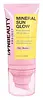
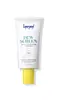
iNNBEAUTY PROJECT Mineral Sun Glow Broad Spectrum SPF 43 PA +++ Versus Supergoop! Dewscreen Daily Hydrator + Primer SPF 50 PA++++
This hybrid sunscreen covers the full UV range and blocks ~98% of UVB at SPF 43.
This chemical sunscreen covers most of the UV range, lighter on the deep UVA that drives aging.

What's inside
What's inside
 Key Ingredients
Benefits
Concerns
Ingredients Side-by-side
Zinc Oxide 14.28%
Cosmetic Colorant


Water
Skin ConditioningCaprylic/Capric Triglyceride
Masking


Propanediol
Solvent
Coco-Caprylate/Caprate
Emollient
Pentaerythrityl Tetraisostearate
Emollient

Dimethicone
Emollient

Butyloctyl Salicylate
Skin Conditioning
Glyceryl Stearate Citrate
Emollient
Squalane
Emollient
Polyglyceryl-3 Stearate
Emulsifying
Methyl Dihydroabietate
Capryloyl Glycerin/Sebacic Acid Copolymer
Skin ConditioningPalmitoyl Tripeptide-5
Skin Conditioning

Palmitoyl Tripeptide-1
Skin Conditioning
Palmitoyl Tetrapeptide-7
Skin Conditioning
Tetrahexyldecyl Ascorbate
Antioxidant




Oryza Sativa Extract
Absorbent

Oryza Sativa Germ Extract
EmollientNiacinamide
Smoothing

Superoxide Dismutase
Antioxidant
Resveratrol
Antioxidant
Bisabolol
Antioxidant
Allantoin
Skin Conditioning
Rhodomyrtus Tomentosa Fruit Extract
HumectantPongamia Pinnata Seed Extract
Skin ConditioningLeuconostoc/Radish Root Ferment Filtrate
Antimicrobial
Polygonum Aviculare Extract
EmollientGlycerin
Humectant
Butylene Glycol
Humectant
Phospholipids
Skin Conditioning
Sorbitol
Humectant
Sodium Lactate
Buffering
Serine
Masking
Urea
Buffering
1,2-Hexanediol
Skin Conditioning
Vp/Eicosene Copolymer
Polyglyceryl-3 Polyricinoleate
Emulsifying
Lecithin
Emollient
Polyhydroxystearic Acid
Emulsifying
Isostearic Acid
Cleansing

C12-15 Alkyl Benzoate
AntimicrobialXanthan Gum
EmulsifyingEthylene/Propylene/Styrene Copolymer
Polyglyceryl-3 Diisostearate
Emulsifying
Pentylene Glycol
Skin Conditioning
Polysilicone-11
Caprylhydroxamic Acid
ChelatingSodium Phytate
ChelatingLactic Acid
Buffering

Palmitic Acid
Emollient
Butylene/Ethylene/Styrene Copolymer
Sodium Chloride
MaskingCetearyl Olivate
Polyacrylate Crosspolymer-6
Emulsion StabilisingTocopherol
Antioxidant
Hydrogenated Lecithin
Emulsifying
Glycine Soja Oil
Emollient
Pentaerythrityl Tetra-Di-T-Butyl Hydroxyhydrocinnamate
Antioxidant
Sorbitan Laurate
Emulsifying
C18-36 Acid Triglyceride
EmollientC18-36 Acid Glycol Ester
EmollientIron Oxides
CI 77492
Cosmetic ColorantMica
Cosmetic ColorantTitanium Dioxide
Cosmetic Colorant
CI 77891
Cosmetic ColorantCI 77491
Cosmetic ColorantCI 77499
Cosmetic ColorantZinc Oxide 14.28%, Water, Caprylic/Capric Triglyceride, Propanediol, Coco-Caprylate/Caprate, Pentaerythrityl Tetraisostearate, Dimethicone, Butyloctyl Salicylate, Glyceryl Stearate Citrate, Squalane, Polyglyceryl-3 Stearate, Methyl Dihydroabietate, Capryloyl Glycerin/Sebacic Acid Copolymer, Palmitoyl Tripeptide-5, Palmitoyl Tripeptide-1, Palmitoyl Tetrapeptide-7, Tetrahexyldecyl Ascorbate, Oryza Sativa Extract, Oryza Sativa Germ Extract, Niacinamide, Superoxide Dismutase, Resveratrol, Bisabolol, Allantoin, Rhodomyrtus Tomentosa Fruit Extract, Pongamia Pinnata Seed Extract, Leuconostoc/Radish Root Ferment Filtrate, Polygonum Aviculare Extract, Glycerin, Butylene Glycol, Phospholipids, Sorbitol, Sodium Lactate, Serine, Urea, 1,2-Hexanediol, Vp/Eicosene Copolymer, Polyglyceryl-3 Polyricinoleate, Lecithin, Polyhydroxystearic Acid, Isostearic Acid, C12-15 Alkyl Benzoate, Xanthan Gum, Ethylene/Propylene/Styrene Copolymer, Polyglyceryl-3 Diisostearate, Pentylene Glycol, Polysilicone-11, Caprylhydroxamic Acid, Sodium Phytate, Lactic Acid, Palmitic Acid, Butylene/Ethylene/Styrene Copolymer, Sodium Chloride, Cetearyl Olivate, Polyacrylate Crosspolymer-6, Tocopherol, Hydrogenated Lecithin, Glycine Soja Oil, Pentaerythrityl Tetra-Di-T-Butyl Hydroxyhydrocinnamate, Sorbitan Laurate, C18-36 Acid Triglyceride, C18-36 Acid Glycol Ester, Iron Oxides, CI 77492, Mica, Titanium Dioxide, CI 77891, CI 77491, CI 77499
Butyl Methoxydibenzoylmethane 3%
UV Absorber
Homosalate 9%
Skin Conditioning
Ethylhexyl Salicylate 4.5%
UV Absorber
Octocrylene 9%
UV Absorber
Water
Skin ConditioningAcrylates/Steareth-20 Methacrylate Copolymer
Pentylene Glycol
Skin Conditioning
Glycerin
Humectant
Isododecane
EmollientPalmitoyl Tripeptide-5
Skin Conditioning
Tremella Fuciformis Sporocarp Extract
Antioxidant
Hydrolyzed Hyaluronic Acid
Humectant
Carthamus Tinctorius Oleosomes
Emollient
Bisabolol
Antioxidant
Dimethicone Crosspolymer-3
Skin Conditioning
Trisodium Ethylenediamine Disuccinate
ChelatingBetaine
Humectant
Polyglutamic Acid
Skin Conditioning
Sodium Benzoate
Masking
Sodium Hydroxide
BufferingPotassium Sorbate
Preservative
Butyl Methoxydibenzoylmethane 3%, Homosalate 9%, Ethylhexyl Salicylate 4.5%, Octocrylene 9%, Water, Acrylates/Steareth-20 Methacrylate Copolymer, Pentylene Glycol, Glycerin, Isododecane, Palmitoyl Tripeptide-5, Tremella Fuciformis Sporocarp Extract, Hydrolyzed Hyaluronic Acid, Carthamus Tinctorius Oleosomes, Bisabolol, Dimethicone Crosspolymer-3, Trisodium Ethylenediamine Disuccinate, Betaine, Polyglutamic Acid, Sodium Benzoate, Sodium Hydroxide, Potassium Sorbate
Reviews
Ingredients Explained
These ingredients are found in both products.
Ingredients higher up in an ingredient list are typically present in a larger amount.
Bisabolol is a gentle skin conditioner, antioxidant, and soothing ingredient.
It's primary claim to fame is soothing and research shows topically applied bisabolol can quiet the chemical messengers that cause your skin to become inflamed, helping to sooth any irritation.
A clinical study found that applying 0.5% bisabolol daily for 8 weeks produced an average 9% decrease in skin pigmentation. Researchers found it can also suppress the process that leads to excess melanin production in skin.
In vitro studies found that bisabolol combined with propylene glycol significantly increased skin permeability by increasing lipid fluidity in the stratum corneum.
You'll likely see use concentrations quite low, usually 0.1-0.2%.
Overall, this is a well-tolerated ingredient that works well in formulas designed for sensitive, reactive, or post-procedure skin.
Learn more about BisabololGlycerin (or glycerol) is a compound naturally found in your skin. It's a powerhouse humectant that pulls water into the stratum corneum.
Topically, glycerin does several things at once:
Your skin makes glycerin on its own (mostly from sebaceous oil breakdown) and shuttles it to your outermost layer of skin, or your epidermis, via aquaporin-3.
Aquaporin-3 is a transporter that is essential for normal skin hydration, elasticity, and repair. Interestingly, mice lacking in AQP3 have dry and less elastic skin that can be fully corrected with glycerin.
This ingredient is non-irritating, plays well with almost every ingredient, and works across all skin types. Typical use is anywhere between 3-10% but can go up to 79% in some leave-on products.
Just know very high concentrations (>40%) can feel tacky in low humidity.
Glycerin is the name for this ingredient in American English. British English uses Glycerol/Glycerine.
Learn more about GlycerinPalmitoyl Tripeptide-5 is a synthetic signal lipopeptide. This just means it is a three amino acid chain bolted onto a palmitic acid tail so it can slip through the skin's lipid barrier.
This peptide has a "build more, lose less" approach.
It's designed to mimic the collagen-stimulating activity in your skin by copying a snippet of one of your skin's own matrix proteins. This nudges fibroblasts into making more collagen while inhibiting the enzyme that breaks down skin protein.
The manufacturer's in vivo study of 45 volunteers found 1% and 2.5% reduced the appearance of wrinkles by 7% and 12% respectively, after using it twice daily for 84 days.
This is in the expected range for peptides; they're slow and cumulative actives and not overnight fixers.
Typical use levels range from 1-3% and this ingredient gets along with pretty much everything.
On the fungal acne front:
Although palmitic acid sits in the chain length that Malassezia can feed on, this ingredient has it locked in an amine bond. This makes it hard for Malassezia to access as a source of food, and therefore fungal acne safe.
Pentylene Glycol (1,2-pentanediol) is a multitasking little diol with three main roles in a formula:
Research on alkanediols (the family pentylene glycol belongs to) show they work by disrupting microbial cell membranes. This disruption helps the primary preservative system in a product work more effectively at lower doses.
On the safety side, the Cosmetic Ingredient Review Expert Panel has concluded this ingredient to be safe as used in current cosmetic practices + concentrations.
Typical use levels in a formula run about 1-5%.
Learn more about Pentylene GlycolWater. It's the most common cosmetic ingredient of all. You'll usually see it at the top of ingredient lists, meaning that it makes up the largest part of the product.
So why is it so popular? Water most often acts as a solvent - this means that it helps dissolve other ingredients into the formulation.
You'll also recognize water as that liquid we all need to stay alive. If you see this, drink a glass of water. Remember to stay hydrated!
Learn more about Water

