IMAGE skincare Ageless Total Resurfacing Masque Versus IMAGE skincare I Mask Purifying Probiotic Mask
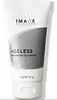
This wash off mask is formulated around Salicylic Acid to clear breakouts and unclog pores.
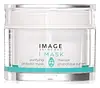
This wash off mask is made with Kaolin and Lactococcus Ferment Lysate for a rinse-off oil-control boost.

What's inside
What's inside
 Key Ingredients
Benefits
Concerns
Ingredients Side-by-side
Water
Skin ConditioningAlumina
Abrasive
Helianthus Annuus Seed Wax
Skin Conditioning

Stearic Acid
Cleansing

Dimethicone
Emollient

Propylene Glycol
Humectant
Glycolic Acid
Buffering








Glycerin
Humectant
Glyceryl Stearate
Emollient
PEG-100 Stearate
Surfactant
Cetyl Alcohol
Emollient

Titanium Dioxide
Cosmetic Colorant

Caprylic/Capric Triglyceride
Masking
Eucalyptus Globulus Leaf Oil
Perfuming



Aloe Barbadensis Leaf Extract
Emollient

Hamamelis Virginiana Extract
Antiseborrhoeic
Lactic Acid
Buffering
Magnesium Aluminum Silicate
Absorbent
Zea Mays Starch
Absorbent
Salicylic Acid
Masking

Sodium Hydroxide
BufferingAmmonium Lauryl Sulfate
Cleansing
Xanthan Gum
EmulsifyingButylene Glycol
Humectant
Carica Papaya Fruit Extract
Skin ConditioningGlycine Soja Sterols
Emollient
Linoleic Acid
Cleansing
Phospholipids
Skin Conditioning
Alcohol
Antimicrobial
Allantoin
Skin Conditioning
Arctostaphylos Uva Ursi Leaf Extract
Skin Conditioning
Ethylhexylglycerin
Skin ConditioningMentha Viridis Leaf Oil
Astringent
Disodium EDTA
ChelatingSodium Phytate
ChelatingAscorbic Acid
Antioxidant

Cedrus Atlantica Bark Oil
Masking
Arnica Montana Flower Extract
Masking
Citrus Grandis Seed Extract
Astringent
Hypericum Perforatum Extract
AntimicrobialAesculus Hippocastanum Seed Extract
Skin ConditioningCalendula Officinalis Flower Extract
Masking
Cucumis Sativus Extract
Skin Conditioning
Hedera Helix Extract
AntimicrobialYeast Extract
Skin ConditioningAmmonium Sulfate
Lauryl Alcohol
Emollient
Ammonium Chloride
BufferingTetrasodium EDTA
ChelatingFormaldehyde
Phenoxyethanol
Preservative
Water, Alumina, Helianthus Annuus Seed Wax, Stearic Acid, Dimethicone, Propylene Glycol, Glycolic Acid, Glycerin, Glyceryl Stearate, PEG-100 Stearate, Cetyl Alcohol, Titanium Dioxide, Caprylic/Capric Triglyceride, Eucalyptus Globulus Leaf Oil, Aloe Barbadensis Leaf Extract, Hamamelis Virginiana Extract, Lactic Acid, Magnesium Aluminum Silicate, Zea Mays Starch, Salicylic Acid, Sodium Hydroxide, Ammonium Lauryl Sulfate, Xanthan Gum, Butylene Glycol, Carica Papaya Fruit Extract, Glycine Soja Sterols, Linoleic Acid, Phospholipids, Alcohol, Allantoin, Arctostaphylos Uva Ursi Leaf Extract, Ethylhexylglycerin, Mentha Viridis Leaf Oil, Disodium EDTA, Sodium Phytate, Ascorbic Acid, Cedrus Atlantica Bark Oil, Arnica Montana Flower Extract, Citrus Grandis Seed Extract, Hypericum Perforatum Extract, Aesculus Hippocastanum Seed Extract, Calendula Officinalis Flower Extract, Cucumis Sativus Extract, Hedera Helix Extract, Yeast Extract, Ammonium Sulfate, Lauryl Alcohol, Ammonium Chloride, Tetrasodium EDTA, Formaldehyde, Phenoxyethanol
Water
Skin ConditioningKaolin
Abrasive
Glycerin
Humectant
Propanediol
Solvent
Caprylic/Capric Triglyceride
Masking
Cetearyl Alcohol
Emollient
Brassica Campestris Seed Oil
Skin Conditioning
Hypnea Musciformis Extract
Skin Protecting
Cetyl Alcohol
Emollient
Stearic Acid
Cleansing
CI 77288
Cosmetic ColorantArachidyl Alcohol
Emollient
Ceteareth-20
Cleansing
Sargassum Filipendula Extract
Skin Protecting
Inulin
Skin Conditioning
Lactococcus Ferment Lysate
Skin Conditioning
Sorbitol
Humectant
Behenyl Alcohol
Emollient
Linum Usitatissimum Seed Oil
Perfuming
Carrageenan
Citrullus Lanatus Fruit Extract
Skin Conditioning
Arachidyl Glucoside
EmulsifyingGelidiella Acerosa Extract
Skin Protecting
Xanthan Gum
EmulsifyingLens Esculenta Fruit Extract
Skin ConditioningVitis Vinifera Seed Oil
Emollient
Yogurt
Skin ProtectingCitrus Aurantium Dulcis Peel Oil
Masking
Pyrus Malus Fruit Extract
Skin Conditioning
Ethylhexylglycerin
Skin ConditioningSodium Lactate
Buffering
Tocopherol
Antioxidant
Epilobium Angustifolium Flower/Leaf/Stem Extract
Skin ConditioningCharcoal Powder
Abrasive
Citrus Aurantium Dulcis Peel Extract
Emulsion Stabilising
Santalum Album Extract
CleansingCucumis Melo Cantalupensis Fruit Extract
AstringentPrunus Armeniaca Fruit Extract
Skin ConditioningSodium PCA
Humectant
Glucose
Humectant
Lactic Acid
Buffering
Coffea Arabica Seed Extract
Masking
Camellia Sinensis Leaf Extract
Antimicrobial
Lycium Barbarum Fruit Extract
Astringent
Passiflora Incarnata Fruit Extract
Skin ConditioningCitrus Grandis Fruit Extract
Astringent
Cocos Nucifera Fruit Extract
Emollient
Cucumis Sativus Fruit Extract
Emollient
Spirulina Maxima Extract
SmoothingVanilla Planifolia Fruit Extract
Skin Conditioning
Ananas Sativus Fruit Extract
Skin ConditioningEuterpe Oleracea Fruit Extract
Citrus Limon Peel Extract
EmollientMorinda Citrifolia Fruit Extract
Skin Conditioning
Rubus Idaeus Fruit Extract
AstringentPunica Granatum Juice Extract
Skin ConditioningRose Extract
Skin ConditioningButter Extract
Emollient
Cananga Odorata Flower Extract
Perfuming
Garcinia Mangostana Fruit Extract
Skin ConditioningPrunus Amygdalus Dulcis Seed Extract
Skin ConditioningSodium Chloride
MaskingSilybum Marianum Extract
Skin Conditioning
Phenoxyethanol
Preservative
Potassium Sorbate
Preservative
Sodium Benzoate
Masking
Sodium Metabisulfite
Antioxidant
Limonene
Perfuming
Hydroxycitronellal
Perfuming
Water, Kaolin, Glycerin, Propanediol, Caprylic/Capric Triglyceride, Cetearyl Alcohol, Brassica Campestris Seed Oil, Hypnea Musciformis Extract, Cetyl Alcohol, Stearic Acid, CI 77288, Arachidyl Alcohol, Ceteareth-20, Sargassum Filipendula Extract, Inulin, Lactococcus Ferment Lysate, Sorbitol, Behenyl Alcohol, Linum Usitatissimum Seed Oil, Carrageenan, Citrullus Lanatus Fruit Extract, Arachidyl Glucoside, Gelidiella Acerosa Extract, Xanthan Gum, Lens Esculenta Fruit Extract, Vitis Vinifera Seed Oil, Yogurt, Citrus Aurantium Dulcis Peel Oil, Pyrus Malus Fruit Extract, Ethylhexylglycerin, Sodium Lactate, Tocopherol, Epilobium Angustifolium Flower/Leaf/Stem Extract, Charcoal Powder, Citrus Aurantium Dulcis Peel Extract, Santalum Album Extract, Cucumis Melo Cantalupensis Fruit Extract, Prunus Armeniaca Fruit Extract, Sodium PCA, Glucose, Lactic Acid, Coffea Arabica Seed Extract, Camellia Sinensis Leaf Extract, Lycium Barbarum Fruit Extract, Passiflora Incarnata Fruit Extract, Citrus Grandis Fruit Extract, Cocos Nucifera Fruit Extract, Cucumis Sativus Fruit Extract, Spirulina Maxima Extract, Vanilla Planifolia Fruit Extract, Ananas Sativus Fruit Extract, Euterpe Oleracea Fruit Extract, Citrus Limon Peel Extract, Morinda Citrifolia Fruit Extract, Rubus Idaeus Fruit Extract, Punica Granatum Juice Extract, Rose Extract, Butter Extract, Cananga Odorata Flower Extract, Garcinia Mangostana Fruit Extract, Prunus Amygdalus Dulcis Seed Extract, Sodium Chloride, Silybum Marianum Extract, Phenoxyethanol, Potassium Sorbate, Sodium Benzoate, Sodium Metabisulfite, Limonene, Hydroxycitronellal
Ingredients Explained
These ingredients are found in both products.
Ingredients higher up in an ingredient list are typically present in a larger amount.
Caprylic/Capric Triglyceride (aka MCT Oil) is a lightweight emollient, solvent, and texture enhancer. It is considered a skin-softener by helping to prevent moisture loss.
Though it behaves like an oil, it is not technically one due to its chemical composition. One perk of this ingredient is that it is very stable, resistant to oxidation, and unlikely to go rancid.
In practice, that translates to a long shelf life and a consistently elegant skin feel.
While there is an assumption Caprylic Triglyceride can clog pores due to it being derived from coconut oil, there is no research supporting this. Just patch test if you have concerns.
Fractionated coconut oil and MCT Oil are both listed as Caprylic/Capric Triglyceride according to INCI. This is because INCI names are based on the ingredient’s final chemical composition and not its marketing name or source.
This ingredient is treated as the gold standard fungal acne safe oil. Even though it is coconut derived, the problematic lauric acid is stripped out.
This leaves just caprylic (C8) and capric (C10) acid. These chain lengths actually trend antifungal; a 2020 study found caprylic acid was enough to disrupt Malassezia furfur cell membrane, with a caprylic acid derivative damaging membrane structures at concentrations as low as 0.2%.
Learn more about Caprylic/Capric TriglycerideCetyl Alcohol is a fatty alcohol. Fatty Alcohols are most often used as an emollient or to thicken a product.
Its main roles are:
Though it has "alcohol" in the name, it is not related to denatured alcohol or ethyl alcohol.
The FDA allows products labeled "alcohol-free" to have fatty alcohols.
This ingredient may not be fungal acne safe. It is a primary fatty alcohol with a chain length above 12 carbons. A study from 2019 show Malassezia can feed on fatty alcohols in this range, so it may trigger fungal acne in those prone to it.
Learn more about Cetyl AlcoholEthylhexylglycerin is created from glycerin. It is a multitasker ingredient that:
The CIR Expert Panel found minimal skin absorption or sensitization of any kind in a safety assessment. Though this ingredient is considered well-tolerated, a small number of cases of allergic dermatitis have been published since 2002. Just be sure to patch test if you are unsure.
Industry-reported use ranges from 8% in rinse-off products and 2% in leave-on formulations.
Learn more about EthylhexylglycerinGlycerin (or glycerol) is a compound naturally found in your skin. It's a powerhouse humectant that pulls water into the stratum corneum.
Topically, glycerin does several things at once:
Your skin makes glycerin on its own (mostly from sebaceous oil breakdown) and shuttles it to your outermost layer of skin, or your epidermis, via aquaporin-3.
Aquaporin-3 is a transporter that is essential for normal skin hydration, elasticity, and repair. Interestingly, mice lacking in AQP3 have dry and less elastic skin that can be fully corrected with glycerin.
This ingredient is non-irritating, plays well with almost every ingredient, and works across all skin types. Typical use is anywhere between 3-10% but can go up to 79% in some leave-on products.
Just know very high concentrations (>40%) can feel tacky in low humidity.
Glycerin is the name for this ingredient in American English. British English uses Glycerol/Glycerine.
Learn more about GlycerinLactic Acid is another well-loved alpha hydroxy acid (AHA). It is gentler than glycolic acid but still highly effective.
Its main role is to exfoliate the surface of the skin by loosening the “glue” that holds dead skin cells together. Shedding those old cells leads to smoother, softer, and more even-toned skin.
Because lactic acid molecules are larger than glycolic acid, they don’t penetrate as deeply. This means they’re less likely to sting or irritate, making it a great choice for beginners or those with sensitive skin.
Like glycolic acid, it can:
Lactic acid also acts as a humectant (like hyaluronic acid). It can draw water into the skin to improve hydration and also plays a role in the skin's natural moisturizing factor (NMF) in the form of sodium lactate.
Studies show it can boost ceramide production to strengthen the skin barrier and even help balance the skin’s microbiome.
To get results, choose products with a pH between 3-4.
Lower strengths (5-12%) focus on surface exfoliation; higher strengths (12% and up) can reach deeper in the dermis (deeper, supportive layer) to improve skin texture and firmness over time.
Though it was originally derived from milk, most modern lactic acid used in skincare is vegan. It is made through non-dairy fermentation to create a bio-identical and stable form suitable for all formulations.
When lactic acid shows up near the end of an ingredient list, it usually means the brand added just a tiny amount to adjust the product’s pH.
Legend has it that Cleopatra used to bathe in sour milk to help reduce wrinkles.
Lactic acid is truly a gentle multitasker: it exfoliates, hydrates, strengthens, and brightens. It's a great ingredient for giving your skin a smooth, glowing, and healthy look without the harshness of stronger acids.
Read more about some other popular AHA's here:
Learn more about Lactic AcidPhenoxyethanol is one of the most widely used preservatives in skincare (and for good reason!).
It has a large spectrum of antimicrobial activity and especially effective bacteria, yeast, and mold while only having a weak effect on your skin's natural microbiome.
On a cellular level, it disrupts the cell membranes of microbes by poking holes that make the cell leak. This shuts down the chemical reactions the microbe needs to make energy so it can no longer survive.
Another perk of this ingredient is that it stays functional across a wide pH range (3-10).
You'll often see it paired with boosters like Ethylhexylglycerin; one study showed that a 1:9 ratio of Ethylhexylglycerin to Phenoxyethanol damages bacterial membranes as effectively as doubling the Phenoxyethanol concentration on its own.
Typical use concentrations range from 0.3-1% depending on the formula, and this ingredient is capped at 1% int the EU.
Safety-wise, the fear mongering does not hold up to the evidence. The EU's Scientific Committee on Consumer Safety and FDA consider it safe as a preservative at up to 1%, including for children of all ages.
Adverse systemic effects only showed up in animal studies at exposures roughly 200x higher than what people get from cosmetics. And despite its very widespread use, this ingredient is a rare sensitizer and allergic reactions are uncommon.
Learn more about PhenoxyethanolStearic Acid is a fatty acid that is already found in your skin. It's one of the free fatty acids that works alongside ceramides and cholesterols to maintain your barrier.
In cosmetics, it is a multitasker:
Safety-wise, the CIR Expert Panel has concluded it to be safe in cosmetics when formulated to be non-irritating and non-sensitizing.
Free stearic acid is a C18 fatty acid that the Malassezia yeast can substrate, so this ingredient may not be fungal acne safe.
This ingredient does have a comedogenic rating of 2-3, but this doesn't mean a formula with this ingredient will clog pores.
Human testing has proved that any finished product with this ingredient won't automatically make you break out; it really comes down to concentration, formula, and your skin.
Learn more about Stearic AcidWater. It's the most common cosmetic ingredient of all. You'll usually see it at the top of ingredient lists, meaning that it makes up the largest part of the product.
So why is it so popular? Water most often acts as a solvent - this means that it helps dissolve other ingredients into the formulation.
You'll also recognize water as that liquid we all need to stay alive. If you see this, drink a glass of water. Remember to stay hydrated!
Learn more about WaterXanthan gum is used as a stabilizer and thickener within cosmetic products. It helps give products a sticky, thick feeling - preventing them from being too runny.
On the technical side of things, xanthan gum is a polysaccharide - a combination consisting of multiple sugar molecules bonded together.
Xanthan gum is a pretty common and great ingredient. It is a natural, non-toxic, non-irritating ingredient that is also commonly used in food products.
Learn more about Xanthan Gum

