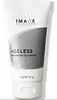
This wash off mask is formulated around Salicylic Acid to clear breakouts and unclog pores.
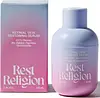
This anti-aging serum is formulated around Niacinamide and Acetyl Hexapeptide-8 to soften the look of wrinkles and refine skin texture.

What's inside
What's inside
 Key Ingredients
Benefits
Concerns
Ingredients Side-by-side
Water
Skin ConditioningAlumina
Abrasive
Helianthus Annuus Seed Wax
Skin Conditioning

Stearic Acid
Cleansing

Dimethicone
Emollient

Propylene Glycol
Humectant
Glycolic Acid
Buffering








Glycerin
Humectant
Glyceryl Stearate
Emollient
PEG-100 Stearate
Surfactant
Cetyl Alcohol
Emollient

Titanium Dioxide
Cosmetic Colorant

Caprylic/Capric Triglyceride
Masking
Eucalyptus Globulus Leaf Oil
Perfuming



Aloe Barbadensis Leaf Extract
Emollient

Hamamelis Virginiana Extract
Antiseborrhoeic
Lactic Acid
Buffering
Magnesium Aluminum Silicate
Absorbent
Zea Mays Starch
Absorbent
Salicylic Acid
Masking

Sodium Hydroxide
BufferingAmmonium Lauryl Sulfate
Cleansing
Xanthan Gum
EmulsifyingButylene Glycol
Humectant
Carica Papaya Fruit Extract
Skin ConditioningGlycine Soja Sterols
Emollient
Linoleic Acid
Cleansing
Phospholipids
Skin Conditioning
Alcohol
Antimicrobial
Allantoin
Skin Conditioning
Arctostaphylos Uva Ursi Leaf Extract
Skin Conditioning
Ethylhexylglycerin
Skin ConditioningMentha Viridis Leaf Oil
Astringent
Disodium EDTA
ChelatingSodium Phytate
ChelatingAscorbic Acid
Antioxidant

Cedrus Atlantica Bark Oil
Masking
Arnica Montana Flower Extract
Masking
Citrus Grandis Seed Extract
Astringent
Hypericum Perforatum Extract
AntimicrobialAesculus Hippocastanum Seed Extract
Skin ConditioningCalendula Officinalis Flower Extract
Masking
Cucumis Sativus Extract
Skin Conditioning
Hedera Helix Extract
AntimicrobialYeast Extract
Skin ConditioningAmmonium Sulfate
Lauryl Alcohol
Emollient
Ammonium Chloride
BufferingTetrasodium EDTA
ChelatingFormaldehyde
Phenoxyethanol
Preservative
Water, Alumina, Helianthus Annuus Seed Wax, Stearic Acid, Dimethicone, Propylene Glycol, Glycolic Acid, Glycerin, Glyceryl Stearate, PEG-100 Stearate, Cetyl Alcohol, Titanium Dioxide, Caprylic/Capric Triglyceride, Eucalyptus Globulus Leaf Oil, Aloe Barbadensis Leaf Extract, Hamamelis Virginiana Extract, Lactic Acid, Magnesium Aluminum Silicate, Zea Mays Starch, Salicylic Acid, Sodium Hydroxide, Ammonium Lauryl Sulfate, Xanthan Gum, Butylene Glycol, Carica Papaya Fruit Extract, Glycine Soja Sterols, Linoleic Acid, Phospholipids, Alcohol, Allantoin, Arctostaphylos Uva Ursi Leaf Extract, Ethylhexylglycerin, Mentha Viridis Leaf Oil, Disodium EDTA, Sodium Phytate, Ascorbic Acid, Cedrus Atlantica Bark Oil, Arnica Montana Flower Extract, Citrus Grandis Seed Extract, Hypericum Perforatum Extract, Aesculus Hippocastanum Seed Extract, Calendula Officinalis Flower Extract, Cucumis Sativus Extract, Hedera Helix Extract, Yeast Extract, Ammonium Sulfate, Lauryl Alcohol, Ammonium Chloride, Tetrasodium EDTA, Formaldehyde, Phenoxyethanol
Water
Skin ConditioningEthylhexyl Olivate
Skin Conditioning
Propanediol
Solvent
Caprylic/Capric Triglyceride
Masking
Glyceryl Stearate Citrate
Emollient
Glycerin
Humectant
Niacinamide
Smoothing
Acetyl Hexapeptide-8
Humectant
Retinal
Skin Conditioning
Bidens Pilosa Extract
HumectantLinum Usitatissimum Seed Extract
Perfuming
Astrocaryum Murumuru Seed Butter
Emollient
Gossypium Herbaceum Seed Oil
Skin Conditioning
Squalane
Emollient
Panthenol
Skin Conditioning
Bisabolol
Antioxidant
Zingiber Officinale Root Extract
Masking
Tocopheryl Acetate
Antioxidant
Dimethicone
Emollient
Polyglyceryl-3 Stearate
Emulsifying
1,2-Hexanediol
Skin Conditioning
Hydroxyapatite
Abrasive
Xanthan Gum
EmulsifyingHydrogenated Lecithin
Emulsifying
Caprylhydroxamic Acid
ChelatingPolysilicone-11
Trisodium Ethylenediamine Disuccinate
ChelatingMaltobionic Acid
Buffering
Sodium Benzoate
Masking
Sodium Hydroxide
BufferingWater, Ethylhexyl Olivate, Propanediol, Caprylic/Capric Triglyceride, Glyceryl Stearate Citrate, Glycerin, Niacinamide, Acetyl Hexapeptide-8, Retinal, Bidens Pilosa Extract, Linum Usitatissimum Seed Extract, Astrocaryum Murumuru Seed Butter, Gossypium Herbaceum Seed Oil, Squalane, Panthenol, Bisabolol, Zingiber Officinale Root Extract, Tocopheryl Acetate, Dimethicone, Polyglyceryl-3 Stearate, 1,2-Hexanediol, Hydroxyapatite, Xanthan Gum, Hydrogenated Lecithin, Caprylhydroxamic Acid, Polysilicone-11, Trisodium Ethylenediamine Disuccinate, Maltobionic Acid, Sodium Benzoate, Sodium Hydroxide
Ingredients Explained
These ingredients are found in both products.
Ingredients higher up in an ingredient list are typically present in a larger amount.
Caprylic/Capric Triglyceride (aka MCT Oil) is a lightweight emollient, solvent, and texture enhancer. It is considered a skin-softener by helping to prevent moisture loss.
Though it behaves like an oil, it is not technically one due to its chemical composition. One perk of this ingredient is that it is very stable, resistant to oxidation, and unlikely to go rancid.
In practice, that translates to a long shelf life and a consistently elegant skin feel.
While there is an assumption Caprylic Triglyceride can clog pores due to it being derived from coconut oil, there is no research supporting this. Just patch test if you have concerns.
Fractionated coconut oil and MCT Oil are both listed as Caprylic/Capric Triglyceride according to INCI. This is because INCI names are based on the ingredient’s final chemical composition and not its marketing name or source.
This ingredient is treated as the gold standard fungal acne safe oil. Even though it is coconut derived, the problematic lauric acid is stripped out.
This leaves just caprylic (C8) and capric (C10) acid. These chain lengths actually trend antifungal; a 2020 study found caprylic acid was enough to disrupt Malassezia furfur cell membrane, with a caprylic acid derivative damaging membrane structures at concentrations as low as 0.2%.
Learn more about Caprylic/Capric TriglycerideDimethicone is a type of synthetic silicone created from natural materials such as quartz. It is also known as polydimethylsiloxane.
What it does:
Dimethicone comes in different viscosities:
Depending on the viscosity, dimethicone has different properties.
Ingredients lists don't always show which type is used, so we recommend reaching out to the brand if you have questions about the viscosity.
This ingredient is unlikely to cause irritation because it does not get absorbed into skin. However, people with silicone allergies should be careful about using this ingredient.
Note: Dimethicone may contribute to pilling. This is because it is not oil or water soluble, so pilling may occur when layered with products. When mixed with heavy oils in a formula, the outcome is also quite greasy.
Learn more about DimethiconeGlycerin (or glycerol) is a compound naturally found in your skin. It's a powerhouse humectant that pulls water into the stratum corneum.
Topically, glycerin does several things at once:
Your skin makes glycerin on its own (mostly from sebaceous oil breakdown) and shuttles it to your outermost layer of skin, or your epidermis, via aquaporin-3.
Aquaporin-3 is a transporter that is essential for normal skin hydration, elasticity, and repair. Interestingly, mice lacking in AQP3 have dry and less elastic skin that can be fully corrected with glycerin.
This ingredient is non-irritating, plays well with almost every ingredient, and works across all skin types. Typical use is anywhere between 3-10% but can go up to 79% in some leave-on products.
Just know very high concentrations (>40%) can feel tacky in low humidity.
Glycerin is the name for this ingredient in American English. British English uses Glycerol/Glycerine.
Learn more about GlycerinSodium Hydroxide is also known as lye or caustic soda. It is used to adjust the pH of products; many ingredients require a specific pH to be effective.
In small amounts, sodium hydroxide is considered safe to use. However, large amounts may cause chemical burns due to its high alkaline.
Your skin has a natural pH and acid mantle. This acid mantle helps prevent harmful bacteria from breaking through. The acid mantle also helps keep your skin hydrated.
"Alkaline" refers to a high pH level. A low pH level would be considered acidic.
Learn more about Sodium HydroxideWater. It's the most common cosmetic ingredient of all. You'll usually see it at the top of ingredient lists, meaning that it makes up the largest part of the product.
So why is it so popular? Water most often acts as a solvent - this means that it helps dissolve other ingredients into the formulation.
You'll also recognize water as that liquid we all need to stay alive. If you see this, drink a glass of water. Remember to stay hydrated!
Learn more about WaterXanthan gum is used as a stabilizer and thickener within cosmetic products. It helps give products a sticky, thick feeling - preventing them from being too runny.
On the technical side of things, xanthan gum is a polysaccharide - a combination consisting of multiple sugar molecules bonded together.
Xanthan gum is a pretty common and great ingredient. It is a natural, non-toxic, non-irritating ingredient that is also commonly used in food products.
Learn more about Xanthan Gum

