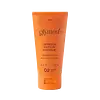
This wash off mask is formulated around Salicylic Acid to clear breakouts and unclog pores.
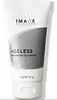
This wash off mask is formulated around Salicylic Acid to clear breakouts and unclog pores.

What's inside
What's inside
 Key Ingredients
Benefits
Concerns
Ingredients Side-by-side
Water
Skin ConditioningKaolin
Abrasive



Glyceryl Stearate
Emollient

Glycine Soja Oil
Emollient






Zea Mays Starch
Absorbent
Glycerin
Humectant

Cetyl Alcohol
Emollient

Squalane
Emollient
PEG-100 Stearate
Surfactant
Bentonite
Absorbent
Glycolic Acid
Buffering



Lactic Acid
Buffering
Dimethicone
Emollient
Phenoxyethanol
Preservative
Eucalyptus Globulus Leaf Oil
Perfuming


Salicylic Acid
Masking

Aloe Barbadensis Leaf Juice
Skin Conditioning
Caprylyl Glycol
Emollient
Allantoin
Skin Conditioning
Camphor
Masking
Melaleuca Alternifolia Leaf Oil
Antioxidant
Sodium Hydroxide
BufferingJuglans Regia Shell Powder
Abrasive
Potassium Sorbate
Preservative
Disodium EDTA
ChelatingSorbic Acid
Preservative
Ammonium Lauryl Sulfate
Cleansing
Benzalkonium Chloride
Antimicrobial
Sodium Hyaluronate
Humectant
Carica Papaya Fruit Extract
Skin ConditioningAnthemis Nobilis Flower Extract
Masking
Arnica Montana Flower Extract
Masking
Cyanocobalamin
Skin ConditioningSd Alcohol 40-B
Astringent
Glycol Stearate
Emollient
Polyethylene
Abrasive
Yeast Extract
Skin ConditioningTitanium Dioxide
Cosmetic Colorant

Bixa Orellana Seed Extract
MaskingEthylhexylglycerin
Skin ConditioningWater, Kaolin, Glyceryl Stearate, Glycine Soja Oil, Zea Mays Starch, Glycerin, Cetyl Alcohol, Squalane, PEG-100 Stearate, Bentonite, Glycolic Acid, Lactic Acid, Dimethicone, Phenoxyethanol, Eucalyptus Globulus Leaf Oil, Salicylic Acid, Aloe Barbadensis Leaf Juice, Caprylyl Glycol, Allantoin, Camphor, Melaleuca Alternifolia Leaf Oil, Sodium Hydroxide, Juglans Regia Shell Powder, Potassium Sorbate, Disodium EDTA, Sorbic Acid, Ammonium Lauryl Sulfate, Benzalkonium Chloride, Sodium Hyaluronate, Carica Papaya Fruit Extract, Anthemis Nobilis Flower Extract, Arnica Montana Flower Extract, Cyanocobalamin, Sd Alcohol 40-B, Glycol Stearate, Polyethylene, Yeast Extract, Titanium Dioxide, Bixa Orellana Seed Extract, Ethylhexylglycerin
Water
Skin ConditioningAlumina
Abrasive
Helianthus Annuus Seed Wax
Skin Conditioning
Stearic Acid
Cleansing
Dimethicone
Emollient
Propylene Glycol
Humectant
Glycolic Acid
Buffering
Glycerin
Humectant
Glyceryl Stearate
Emollient
PEG-100 Stearate
Surfactant
Cetyl Alcohol
Emollient
Titanium Dioxide
Cosmetic Colorant
Caprylic/Capric Triglyceride
Masking
Eucalyptus Globulus Leaf Oil
Perfuming
Aloe Barbadensis Leaf Extract
Emollient
Hamamelis Virginiana Extract
Antiseborrhoeic
Lactic Acid
Buffering
Magnesium Aluminum Silicate
Absorbent
Zea Mays Starch
Absorbent
Salicylic Acid
Masking
Sodium Hydroxide
BufferingAmmonium Lauryl Sulfate
Cleansing
Xanthan Gum
EmulsifyingButylene Glycol
Humectant
Carica Papaya Fruit Extract
Skin ConditioningGlycine Soja Sterols
Emollient
Linoleic Acid
Cleansing
Phospholipids
Skin Conditioning
Alcohol
Antimicrobial
Allantoin
Skin Conditioning
Arctostaphylos Uva Ursi Leaf Extract
Skin Conditioning
Ethylhexylglycerin
Skin ConditioningMentha Viridis Leaf Oil
Astringent
Disodium EDTA
ChelatingSodium Phytate
ChelatingAscorbic Acid
Antioxidant
Cedrus Atlantica Bark Oil
Masking
Arnica Montana Flower Extract
Masking
Citrus Grandis Seed Extract
Astringent
Hypericum Perforatum Extract
AntimicrobialAesculus Hippocastanum Seed Extract
Skin ConditioningCalendula Officinalis Flower Extract
Masking
Cucumis Sativus Extract
Skin Conditioning
Hedera Helix Extract
AntimicrobialYeast Extract
Skin ConditioningAmmonium Sulfate
Lauryl Alcohol
Emollient
Ammonium Chloride
BufferingTetrasodium EDTA
ChelatingFormaldehyde
Phenoxyethanol
Preservative
Water, Alumina, Helianthus Annuus Seed Wax, Stearic Acid, Dimethicone, Propylene Glycol, Glycolic Acid, Glycerin, Glyceryl Stearate, PEG-100 Stearate, Cetyl Alcohol, Titanium Dioxide, Caprylic/Capric Triglyceride, Eucalyptus Globulus Leaf Oil, Aloe Barbadensis Leaf Extract, Hamamelis Virginiana Extract, Lactic Acid, Magnesium Aluminum Silicate, Zea Mays Starch, Salicylic Acid, Sodium Hydroxide, Ammonium Lauryl Sulfate, Xanthan Gum, Butylene Glycol, Carica Papaya Fruit Extract, Glycine Soja Sterols, Linoleic Acid, Phospholipids, Alcohol, Allantoin, Arctostaphylos Uva Ursi Leaf Extract, Ethylhexylglycerin, Mentha Viridis Leaf Oil, Disodium EDTA, Sodium Phytate, Ascorbic Acid, Cedrus Atlantica Bark Oil, Arnica Montana Flower Extract, Citrus Grandis Seed Extract, Hypericum Perforatum Extract, Aesculus Hippocastanum Seed Extract, Calendula Officinalis Flower Extract, Cucumis Sativus Extract, Hedera Helix Extract, Yeast Extract, Ammonium Sulfate, Lauryl Alcohol, Ammonium Chloride, Tetrasodium EDTA, Formaldehyde, Phenoxyethanol
Ingredients Explained
These ingredients are found in both products.
Ingredients higher up in an ingredient list are typically present in a larger amount.
Allantoin is a soothing ingredient known for its protective and moisturizing properties; it's basically a quiet workhorse ingredient you can find in a huge range of cosmetics.
Though it can be derived from the comfrey plant, allantoin is produced synthetically for cosmetic products to ensure purity.
Research shows it can encourage your skin cells to turn over and renew by stimulating keratinocyte and fibroblast proliferation.
It also has mild keratolytic properties to help loosen and shed dead skin cells without being harsh.
Studies also suggest allantoin can help calm inflammation by dialing down some of the chemical signals your skin sends out when it is irritated.
This ingredient is typically used in the 0.1-0.5% range, and the FDA recognizes it as a skin protectant in OTC products up to 2%.
Overall, allantoin is a wonderful addition to most routines; it is stable across a wide pH range (~4-8), works well with other ingredients, and is considered non-sensitizing/non-irritating.
Fun fact: Allantoin is naturally occurring in comfrey root, beets, chamomile, and wheat sprouts. Our bodies even produce it as a byproduct of uric acid metabolism.
Learn more about AllantoinAmmonium Lauryl Sulfate is a type of sulfate. It can be bad for dry skin, cause irritation, and worsen rosacea.
Arnica Montana Flower is more commonly known as Wolf's Bane. While this flower has been used in traditional medicine, its skin benefits are in question.
The FDA considers Wolf's Bane to be an unsafe herb. They advise against taking it orally or applying it to broken skin.
Wolf's Bane has been said to have anti-inflammatory properties. However, studies are conflicting about whether this is true.
According to the Final report on the safety assessment of Arnica montana, this plant has not been found to cause dermal irritation.
This flower contains numerous fatty acids such as palmitic, linoleic, myristic, and linolenic acids. The presence and amount of fatty acids depends on where the flower is harvested.
Like other flowers, this ingredient has a natural fragrance. It can also be used to mask, or cover, the unpleasant scents from other ingredients.
Learn more about Arnica Montana Flower ExtractCarica Papaya Fruit Extract comes from the flesh of the papaya. It's a skin conditioning agent that carries a mix of bioactives like papain, beta-carotene, and vitamin C.
These bioactive compounds give it two main talking points:
1. Papain is a proteolytic enzyme that provides mild exfoliation, helping skin look smoother and more even.
2. The carotenoids and vitamin C provide some antioxidant activity.
It's pretty compatible with most ingredients, but just sure to space out enzyme products with strong acids/retinoids to avoid over-doing it.
Maximum reported concentration is around 0.1% and most leave-on products use just 0.05%. If you see higher figures like 5-10%, this is usually the pre-diluted material from raw extract suppliers.
This ingredient has an assuring safety record and there's a lack of clinical case reports of dermatitis from using it.
The only caveat is allergy: patch test if you have a papaya or latex-fruit allergy.
Learn more about Carica Papaya Fruit ExtractCetyl Alcohol is a fatty alcohol. Fatty Alcohols are most often used as an emollient or to thicken a product.
Its main roles are:
Though it has "alcohol" in the name, it is not related to denatured alcohol or ethyl alcohol.
The FDA allows products labeled "alcohol-free" to have fatty alcohols.
This ingredient may not be fungal acne safe. It is a primary fatty alcohol with a chain length above 12 carbons. A study from 2019 show Malassezia can feed on fatty alcohols in this range, so it may trigger fungal acne in those prone to it.
Learn more about Cetyl AlcoholDimethicone is a type of synthetic silicone created from natural materials such as quartz. It is also known as polydimethylsiloxane.
What it does:
Dimethicone comes in different viscosities:
Depending on the viscosity, dimethicone has different properties.
Ingredients lists don't always show which type is used, so we recommend reaching out to the brand if you have questions about the viscosity.
This ingredient is unlikely to cause irritation because it does not get absorbed into skin. However, people with silicone allergies should be careful about using this ingredient.
Note: Dimethicone may contribute to pilling. This is because it is not oil or water soluble, so pilling may occur when layered with products. When mixed with heavy oils in a formula, the outcome is also quite greasy.
Learn more about DimethiconeDisodium EDTA is a chelating agent. It grabs onto and deactivates metal ions that sneak into your products from water, packaging, or air.
This ingredient mainly works behind the scenes and helps with:
On top of that, this ingredient can counteract the effects of hard water by binding to the minerals in it.
One thing worth knowing is that Disodium EDTA has been shown to be a mild penetration enhancer. It can help other ingredients absorb into skin more effectively which can be a double-edged sword (great for actives, but can also make the active too strong if you have sensitive skin).
Clinical patch testing showed no significant skin irritation at typical use concentrations and minimal dermal absorption.
You'll most likely see this ingredient near the end of an ingredient list. It's typically found in concentrations less than 1%.
Learn more about Disodium EDTAEthylhexylglycerin is created from glycerin. It is a multitasker ingredient that:
The CIR Expert Panel found minimal skin absorption or sensitization of any kind in a safety assessment. Though this ingredient is considered well-tolerated, a small number of cases of allergic dermatitis have been published since 2002. Just be sure to patch test if you are unsure.
Industry-reported use ranges from 8% in rinse-off products and 2% in leave-on formulations.
Learn more about EthylhexylglycerinThis oil is derived from the leaves of Eucalyptus Globulus, a type of Eucalyptus tree native to Australia.
Though this oil shows antibacterial and antioxidant activity, it is also a known skin-irritant due to its fragrance components.
Glycerin (or glycerol) is a compound naturally found in your skin. It's a powerhouse humectant that pulls water into the stratum corneum.
Topically, glycerin does several things at once:
Your skin makes glycerin on its own (mostly from sebaceous oil breakdown) and shuttles it to your outermost layer of skin, or your epidermis, via aquaporin-3.
Aquaporin-3 is a transporter that is essential for normal skin hydration, elasticity, and repair. Interestingly, mice lacking in AQP3 have dry and less elastic skin that can be fully corrected with glycerin.
This ingredient is non-irritating, plays well with almost every ingredient, and works across all skin types. Typical use is anywhere between 3-10% but can go up to 79% in some leave-on products.
Just know very high concentrations (>40%) can feel tacky in low humidity.
Glycerin is the name for this ingredient in American English. British English uses Glycerol/Glycerine.
Learn more about GlycerinGlyceryl Stearate is made by reacting glycerin with stearic acid (typically sourced from plant oils like palm or coconut). It's an emulsifier, emollient, and mild occlusive.
Emulsifiers help ingredients like oil and water stay mixed so your formula stays nicely blended and uniform in texture.
This ingredient is typically used in concentrations between 1-10%. Studies have found it to be non-sensitizing, non-phototoxic, and non-photoallergenic.
A close cousin of this ingredient is Glyceryl Stearate SE ("self-emulsifying"). This just has a small amount of sodium or potassium stearate added so it can emulsify without a co-emulsifier.
Since this ingredient is an ester of a C18 fatty acid, it may not be fungal acne safe. The Malassezia yeast can potentially metabolize within the C11-C24 range.
Fun fact: The human body also creates Glyceryl Stearate naturally.
Learn more about Glyceryl StearateGlycolic Acid is arguably the most famous alpha hydroxy acid (AHA) with tons of research backing its benefits.
It is found naturally in sugar cane but the form used in skincare is usually synthetic for purity and stability.
Glycolic acid removes the top layer of dead skin cells to allow newer and fresher ones to emerge.
AHAs work by breaking down the structural “glue” that holds old skin cells in place. When that buildup is gone, your skin can renew itself more efficiently.
Research also shows glycolic acid stimulates collagen production, helping to firm and thicken the skin over time. This is one of its biggest advantages over other AHAs.
Overall, glycolic acid helps with:
Fun fact: Glycolic acid boosts skin hydration by helping it produce molecules that increase hyaluronic acid naturally.
To work best, glycolic acid products should have a pH between 3-4 (that’s where exfoliation is most effective but still gentle on skin).
The pH and concentration of a product are key to its effectiveness:
It is normal to feel a slight stinging sensation when using glycolic acid. This usually fades as your skin adjusts.
Because glycolic acid has the smallest molecular size in the AHA family, it can penetrate deeper, which enhances its effectiveness but also makes it more likely to irritate sensitive skin.
If your skin is very sensitive or prone to rosacea, glycolic acid may be too strong; in that case, try milder options like lactic acid or a PHA instead.
Recent studies suggest glycolic acid might even help protect against UV damage. But don’t skip sunscreen! Freshly exfoliated skin is more sensitive to the sun.
Glycolic acid is a skincare superstar. It smooths, brightens, hydrates, and firms the skin. Unless you’re highly sensitive, it’s well worth adding to your routine.
Read more about some other popular AHA's here:
Learn more about Glycolic AcidLactic Acid is another well-loved alpha hydroxy acid (AHA). It is gentler than glycolic acid but still highly effective.
Its main role is to exfoliate the surface of the skin by loosening the “glue” that holds dead skin cells together. Shedding those old cells leads to smoother, softer, and more even-toned skin.
Because lactic acid molecules are larger than glycolic acid, they don’t penetrate as deeply. This means they’re less likely to sting or irritate, making it a great choice for beginners or those with sensitive skin.
Like glycolic acid, it can:
Lactic acid also acts as a humectant (like hyaluronic acid). It can draw water into the skin to improve hydration and also plays a role in the skin's natural moisturizing factor (NMF) in the form of sodium lactate.
Studies show it can boost ceramide production to strengthen the skin barrier and even help balance the skin’s microbiome.
To get results, choose products with a pH between 3-4.
Lower strengths (5-12%) focus on surface exfoliation; higher strengths (12% and up) can reach deeper in the dermis (deeper, supportive layer) to improve skin texture and firmness over time.
Though it was originally derived from milk, most modern lactic acid used in skincare is vegan. It is made through non-dairy fermentation to create a bio-identical and stable form suitable for all formulations.
When lactic acid shows up near the end of an ingredient list, it usually means the brand added just a tiny amount to adjust the product’s pH.
Legend has it that Cleopatra used to bathe in sour milk to help reduce wrinkles.
Lactic acid is truly a gentle multitasker: it exfoliates, hydrates, strengthens, and brightens. It's a great ingredient for giving your skin a smooth, glowing, and healthy look without the harshness of stronger acids.
Read more about some other popular AHA's here:
Learn more about Lactic AcidPeg-100 Stearate is an emollient and emulsifier. As an emollient, it helps keep skin soft by trapping moisture in. On the other hand, emulsifiers help prevent oil and water from separating in a product.
PEGS are a hydrophilic polyether compound . There are 100 ethylene oxide monomers in Peg-100 Stearate. Peg-100 Stearate is polyethylene glycol ester of stearic acid.
Phenoxyethanol is one of the most widely used preservatives in skincare (and for good reason!).
It has a large spectrum of antimicrobial activity and especially effective bacteria, yeast, and mold while only having a weak effect on your skin's natural microbiome.
On a cellular level, it disrupts the cell membranes of microbes by poking holes that make the cell leak. This shuts down the chemical reactions the microbe needs to make energy so it can no longer survive.
Another perk of this ingredient is that it stays functional across a wide pH range (3-10).
You'll often see it paired with boosters like Ethylhexylglycerin; one study showed that a 1:9 ratio of Ethylhexylglycerin to Phenoxyethanol damages bacterial membranes as effectively as doubling the Phenoxyethanol concentration on its own.
Typical use concentrations range from 0.3-1% depending on the formula, and this ingredient is capped at 1% int the EU.
Safety-wise, the fear mongering does not hold up to the evidence. The EU's Scientific Committee on Consumer Safety and FDA consider it safe as a preservative at up to 1%, including for children of all ages.
Adverse systemic effects only showed up in animal studies at exposures roughly 200x higher than what people get from cosmetics. And despite its very widespread use, this ingredient is a rare sensitizer and allergic reactions are uncommon.
Learn more about PhenoxyethanolSalicylic Acid (also known as beta hydroxy acid or BHA) is a well-known ingredient for treating skin that struggles with acne and clogged pores. It exfoliates both the skin's surface and deep within the pores to help clear out buildup, control oil, and reduce inflammation.
Unlike AHAs (alpha hydroxy acids), salicylic acid is oil-soluble. This allows it to penetrate into pores which makes it especially effective for treating blackheads and preventing future breakouts.
Salicylic acid is also known for its soothing properties. It has a similar structure to aspirin and can calm inflamed or irritated skin, making it a good option for acne-prone skin that is also sensitive.
Concentrations of 0.5-2% are recognized by the U.S. FDA as an over-the-counter topical acne product.
It can cause irritation and/or dryness if one's skin already has a compromised moisture barrier, so it's best to focus on repairing that before introducing this ingredient into your routine.
While salicylic acid does not increase sun sensitivity, it’s still important to wear sunscreen daily to protect your skin.
If you are looking for the ingredient called BHA or Butylated Hydroxyanisole, click here.
Learn more about Salicylic AcidSodium Hydroxide is also known as lye or caustic soda. It is used to adjust the pH of products; many ingredients require a specific pH to be effective.
In small amounts, sodium hydroxide is considered safe to use. However, large amounts may cause chemical burns due to its high alkaline.
Your skin has a natural pH and acid mantle. This acid mantle helps prevent harmful bacteria from breaking through. The acid mantle also helps keep your skin hydrated.
"Alkaline" refers to a high pH level. A low pH level would be considered acidic.
Learn more about Sodium HydroxideTitanium Dioxide (TD) is a mineral UV filter widely used in sunscreens and cosmetics.
It's one of only two UV filters officially classified as "mineral" by regulatory agencies (the other being Zinc Oxide).
A really common myth is that mineral filters work by reflecting UV light off your skin like tiny mirrors.
They don't only do that; modern research shows TD protects mostly by absorbing UV radiation, the same way chemical filters do.
When researchers measured this, reflection accounted for only about 4-5% of the protection (and less than SPF 2 on its own). The other ~95% comes from absorption: the UV photons hit the particle and their energy gets soaked up by its semiconductor band gap rather than bouncing off.
So "reflects vs. absorbs" was never really the right way to split mineral from chemical filters.
TD gives broad-spectrum protection that's strongest in the UVB and UVA-2 range and weaker in the UVA-1 range. Its UVA protection isn't quite as strong as Zinc Oxide's which is why you'll often see the two paired together.
Together, they make a solid broad-spectrum system.
TD is a great pick for sensitive, acne-prone, or redness-prone skin because it's non-irritating and chemically inert. Regulatory reviews classify it as a non-sensitizer and mild-to-non-irritant.
It's also unlikely to cause the "eye sting" some chemical filters are known for.
The main trade-off is cosmetic; TD can leave a white cast and has a thicker texture. This is why mineral sunscreens are often less cosmetically elegant than chemical or hybrid formulas (and harder to shade-match on deeper skin tones).
Formulators often use micronized or nano-sized TD to cut down on white case and improve spreadability. Smaller particles scatter less visible light so the formula looks less chalky while still filtering UV.
TD is almost always bundled with coatings like Alumina, Silica, Stearic Acid, or Dimethicone. These coatings do two important jobs:
TD can be used at up to 25% in a finished sunscreen; this is the regulatory ceiling in both the US and the EU.
In practice, the amount in any given product varies a lot depending on the target SPF and whether it's paired with other UV filters.
TD is one of the most heavily vetted sunscreen ingredients out there. It is approved as a UV filter in all major markets worldwide, including the US, EU, UK, Japan, Korea, China, Australia, and Canada.
The safety evidence is solid. There was an old worry that nano particles might absorb through skin into the body but multiple studies (including on damaged, sunburned, and UV-irradiated skin) have shown that TD stays on the surface and the layer of dead skin cells on top of everything else.
There's also no evidence of carcinogenicity, mutagenicity, or reproductive toxicity from dermal exposure of this ingredient.
For those who have seen the headline about a 2022 EU ban on TD, that was on TD as a food additive (a complete separate use from topical sunscreen).
There are ongoing questions about how nano-TD might affect marine ecosystems. As of now, there has been no conclusive evidence that any form of TD (or any other sunscreen filter) harms coral reefs or marine life.
The science is still developing and it's a space worth watching rather than packing over.
However, several destinations have reef-safety sunscreen rules that restrict certain chemical filters and steer visitors toward mineral, non-nano options. If you're traveling somewhere with these rules, a non-nano mineral sunscreen is the safe bet.
Learn more about Titanium DioxideWater. It's the most common cosmetic ingredient of all. You'll usually see it at the top of ingredient lists, meaning that it makes up the largest part of the product.
So why is it so popular? Water most often acts as a solvent - this means that it helps dissolve other ingredients into the formulation.
You'll also recognize water as that liquid we all need to stay alive. If you see this, drink a glass of water. Remember to stay hydrated!
Learn more about WaterYeast extract is a silky, clear liquid derived from yeast (usually Saccharomyces cerevisiae or Torula yeast).
This ingredient has plenty of skin benefits:
Bioferments of yeast and soy have been found to reduce hyperpigmentation at low levels.
Yeast extract is fungal acne safe because it's made up of amino acids, peptides, B vitamins, and nucleotides (not the C11-C24 fatty acids that Malassezia needs to thrive).
The "yeast" in the name can be misleading, but FA safety is about chemical composition and not ingredient origin.
Learn more about Yeast ExtractZea Mays Starch is starch made from corn. You might know this as cornstarch . It is used to thicken a product. It can replace talc as an absorbent.
The pH of cornstarch is 5.92.
Cornstarch is a common food ingredient used to thicken soups or to make corn syrup.
Learn more about Zea Mays Starch

