
What's inside
What's inside
 Key Ingredients
Benefits
Concerns
Ingredients Side-by-side
Aloe Barbadensis Leaf Juice
Skin Conditioning


Coconut Alkanes
Emollient


Caprylyl Methicone
Skin Conditioning
Polyglyceryl-6 Polyricinoleate
Emulsifying

Cetearyl Isononanoate
Emollient
Polyglyceryl-2 Isostearate
Emulsifying
Boron Nitride
Absorbent
Dimethicone
Emollient
Disteardimonium Hectorite
StabilisingNiacinamide
Smoothing







Oryza Sativa Hull Powder
Abrasive
Gluconolactone
Skin Conditioning
Sodium Chloride
MaskingIsopentyldiol
Humectant
Glycerin
Humectant
Coco-Caprylate/Caprate
Emollient
Allantoin
Skin Conditioning
Sodium Benzoate
Masking
Caprylic/Capric Triglyceride
Masking
Simmondsia Chinensis Seed Oil
Emollient
Sclerocarya Birrea Seed Oil
Humectant
Squalane
Emollient
Tocopherol
Antioxidant

Pentylene Glycol
Skin Conditioning
Triethoxycaprylylsilane
Pistacia Lentiscus Gum
MaskingHydrogenated Lecithin
Emulsifying
Calcium Gluconate
HumectantEthylhexylglycerin
Skin ConditioningJasminum Officinale Flower/Leaf Extract
Masking
Phenethyl Alcohol
MaskingBisabolol
Antioxidant
CI 77891
Cosmetic ColorantCI 77491
Cosmetic ColorantCI 77492
Cosmetic ColorantCI 77499
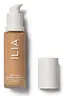
Cosmetic ColorantAloe Barbadensis Leaf Juice, Coconut Alkanes, Caprylyl Methicone, Polyglyceryl-6 Polyricinoleate, Cetearyl Isononanoate, Polyglyceryl-2 Isostearate, Boron Nitride, Dimethicone, Disteardimonium Hectorite, Niacinamide, Oryza Sativa Hull Powder, Gluconolactone, Sodium Chloride, Isopentyldiol, Glycerin, Coco-Caprylate/Caprate, Allantoin, Sodium Benzoate, Caprylic/Capric Triglyceride, Simmondsia Chinensis Seed Oil, Sclerocarya Birrea Seed Oil, Squalane, Tocopherol, Pentylene Glycol, Triethoxycaprylylsilane, Pistacia Lentiscus Gum, Hydrogenated Lecithin, Calcium Gluconate, Ethylhexylglycerin, Jasminum Officinale Flower/Leaf Extract, Phenethyl Alcohol, Bisabolol, CI 77891, CI 77491, CI 77492, CI 77499
Titanium Dioxide 9%
Cosmetic Colorant

Zinc Oxide
Cosmetic Colorant
Water
Skin ConditioningSnail Secretion Filtrate
Skin Conditioning
Phenyl Trimethicone
Skin Conditioning
Dimethicone
Emollient
Butylene Glycol
Humectant
Butylene Glycol Dicaprylate/Dicaprate
EmollientOrbignya Oleifera Seed Oil
Emollient
Butyloctyl Salicylate
Skin Conditioning
Cetyl PEG/PPG-10/1 Dimethicone
Emulsifying
Cyclopentasiloxane
Emollient
Cyclohexasiloxane
Emollient
Magnesium Sulfate
Polyglyceryl-4 Isostearate
Emulsifying
Dimethicone/Vinyl Dimethicone Crosspolymer
Skin Conditioning
Aluminum Hydroxide
EmollientHexyl Laurate
Emollient
Stearic Acid
Cleansing
Calcium Stearate
Cosmetic ColorantCaprylyl Glycol
Emollient
Triethoxycaprylylsilane
Ethylhexylglycerin
Skin ConditioningCitrus Limon Peel Oil
Masking



Tocopheryl Acetate
Antioxidant
Sorbitan Isostearate
Emulsifying
Phenoxyethanol
Preservative
Citrus Aurantium Bergamia Fruit Oil
Masking
1,2-Hexanediol
Skin Conditioning
Disodium EDTA
Citrus Aurantium Dulcis Peel Oil
Masking
Citrus Aurantifolia Oil
Cleansing
Vitis Vinifera Seed Oil
Emollient
Punica Granatum Seed Oil
Emollient
Pinus Sylvestris Leaf Oil
Masking
Persea Gratissima Oil
Skin Conditioning
Niacinamide
Smoothing
Citrus Grandis Peel Oil
Masking
Cholesterol
Emollient
Anthemis Nobilis Flower Water
Masking
Lactobacillus
Skin ConditioningPerfluorohexane
SolventOlea Europaea Leaf Extract
Perfuming
Glycerin
Humectant
Eucalyptus Globulus Leaf Oil
Perfuming
Camellia Sinensis Leaf Extract
Antimicrobial
Chrysanthemum Indicum Flower Extract
Skin Conditioning
Pueraria Lobata Root Extract
HumectantPerfluorodecalin
Skin ConditioningMorus Alba Fruit Extract
Antioxidant
Magnolia Kobus Bark Extract
Skin ConditioningGlycine Soja Sprout Extract
EmollientDiospyros Kaki Leaf Extract
Skin Protecting
Cinnamomum Cassia Bark Extract
Masking
Artemisia Princeps Leaf Extract
Skin ConditioningPentafluoropropane
MaskingCurcuma Longa Root Extract
Antioxidant
Steareth-20
CleansingHydrolyzed Hyaluronic Acid
Humectant
Colloidal Oatmeal
Absorbent
Hydrolyzed Silk
Humectant
Citric Acid
Buffering
Sodium Benzoate
Masking
Potassium Sorbate
Preservative
Aloe Barbadensis Leaf Extract
Emollient
N-Hydroxysuccinimide
Skin ConditioningHydrolyzed Collagen
Emollient
Caprylhydroxamic Acid
Tocopherol
Antioxidant
Thiamine Hcl
MaskingRiboflavin
Cosmetic ColorantRetinyl Palmitate
Skin Conditioning
Pantothenic Acid
Skin ConditioningPalmitoyl Oligopeptide
Cleansing
Niacin
SmoothingFolic Acid
Skin ConditioningChrysin
Skin ConditioningCarnitine Hcl
HumectantBiotin
AntiseborrhoeicAscorbic Acid
Antioxidant
Palmitoyl Tetrapeptide-7
Skin Conditioning
Chlorhexidine Digluconate
Antimicrobial
Mica
Cosmetic ColorantIron Oxides
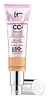
Titanium Dioxide 9%, Zinc Oxide, Water, Snail Secretion Filtrate, Phenyl Trimethicone, Dimethicone, Butylene Glycol, Butylene Glycol Dicaprylate/Dicaprate, Orbignya Oleifera Seed Oil, Butyloctyl Salicylate, Cetyl PEG/PPG-10/1 Dimethicone, Cyclopentasiloxane, Cyclohexasiloxane, Magnesium Sulfate, Polyglyceryl-4 Isostearate, Dimethicone/Vinyl Dimethicone Crosspolymer, Aluminum Hydroxide, Hexyl Laurate, Stearic Acid, Calcium Stearate, Caprylyl Glycol, Triethoxycaprylylsilane, Ethylhexylglycerin, Citrus Limon Peel Oil, Tocopheryl Acetate, Sorbitan Isostearate, Phenoxyethanol, Citrus Aurantium Bergamia Fruit Oil, 1,2-Hexanediol, Disodium EDTA, Citrus Aurantium Dulcis Peel Oil, Citrus Aurantifolia Oil, Vitis Vinifera Seed Oil, Punica Granatum Seed Oil, Pinus Sylvestris Leaf Oil, Persea Gratissima Oil, Niacinamide, Citrus Grandis Peel Oil, Cholesterol, Anthemis Nobilis Flower Water, Lactobacillus, Perfluorohexane, Olea Europaea Leaf Extract, Glycerin, Eucalyptus Globulus Leaf Oil, Camellia Sinensis Leaf Extract, Chrysanthemum Indicum Flower Extract, Pueraria Lobata Root Extract, Perfluorodecalin, Morus Alba Fruit Extract, Magnolia Kobus Bark Extract, Glycine Soja Sprout Extract, Diospyros Kaki Leaf Extract, Cinnamomum Cassia Bark Extract, Artemisia Princeps Leaf Extract, Pentafluoropropane, Curcuma Longa Root Extract, Steareth-20, Hydrolyzed Hyaluronic Acid, Colloidal Oatmeal, Hydrolyzed Silk, Citric Acid, Sodium Benzoate, Potassium Sorbate, Aloe Barbadensis Leaf Extract, N-Hydroxysuccinimide, Hydrolyzed Collagen, Caprylhydroxamic Acid, Tocopherol, Thiamine Hcl, Riboflavin, Retinyl Palmitate, Pantothenic Acid, Palmitoyl Oligopeptide, Niacin, Folic Acid, Chrysin, Carnitine Hcl, Biotin, Ascorbic Acid, Palmitoyl Tetrapeptide-7, Chlorhexidine Digluconate, Mica, Iron Oxides
Ingredients Explained
These ingredients are found in both products.
Ingredients higher up in an ingredient list are typically present in a larger amount.
Dimethicone is a type of synthetic silicone created from natural materials such as quartz. It is also known as polydimethylsiloxane.
What it does:
Dimethicone comes in different viscosities:
Depending on the viscosity, dimethicone has different properties.
Ingredients lists don't always show which type is used, so we recommend reaching out to the brand if you have questions about the viscosity.
This ingredient is unlikely to cause irritation because it does not get absorbed into skin. However, people with silicone allergies should be careful about using this ingredient.
Note: Dimethicone may contribute to pilling. This is because it is not oil or water soluble, so pilling may occur when layered with products. When mixed with heavy oils in a formula, the outcome is also quite greasy.
Learn more about DimethiconeEthylhexylglycerin is created from glycerin. It is a multitasker ingredient that:
The CIR Expert Panel found minimal skin absorption or sensitization of any kind in a safety assessment. Though this ingredient is considered well-tolerated, a small number of cases of allergic dermatitis have been published since 2002. Just be sure to patch test if you are unsure.
Industry-reported use ranges from 8% in rinse-off products and 2% in leave-on formulations.
Learn more about EthylhexylglycerinGlycerin (or glycerol) is a compound naturally found in your skin. It's a powerhouse humectant that pulls water into the stratum corneum.
Topically, glycerin does several things at once:
Your skin makes glycerin on its own (mostly from sebaceous oil breakdown) and shuttles it to your outermost layer of skin, or your epidermis, via aquaporin-3.
Aquaporin-3 is a transporter that is essential for normal skin hydration, elasticity, and repair. Interestingly, mice lacking in AQP3 have dry and less elastic skin that can be fully corrected with glycerin.
This ingredient is non-irritating, plays well with almost every ingredient, and works across all skin types. Typical use is anywhere between 3-10% but can go up to 79% in some leave-on products.
Just know very high concentrations (>40%) can feel tacky in low humidity.
Glycerin is the name for this ingredient in American English. British English uses Glycerol/Glycerine.
Learn more about GlycerinNiacinamide is a multitasking form of vitamin B3 that strengthens the skin barrier, reduces pores and dark spots, regulates oil, and improves signs of aging.
And the best part? It's gentle and well-tolerated by most skin types, including sensitive and reactive skin.
You might have heard of "niacin flush", or the reddening of skin that causes itchiness. Niacinamide has not been found to cause this.
In very rare cases, some individuals may not be able to tolerate niacinamide at all or experience an allergic reaction to it.
If you are experiencing flaking, irritation, and dryness with this ingredient, be sure to double check all your products as this ingredient can be found in all categories of skincare.
When incorporating niacinamide into your routine, look out for concentration amounts. Typically, 5% niacinamide provides benefits such as fading dark spots. However, if you have sensitive skin, it is better to begin with a smaller concentration.
When you apply niacinamide to your skin, your body converts it into nicotinamide adenine dinucleotide (NAD). NAD is an essential coenzyme that is already found in your cells as "fuel" and powers countless biological processes.
In your skin, NAD helps repair cell damage, produce new healthy cells, support collagen production, strengthen the skin barrier, and fight environmental stressors (like UV and pollution).
Our natural NAD levels start to decline with age, leading to slower skin repair, visible aging, and a weaker skin barrier. By providing your skin niacinamide, you're recharging your skin's NAD levels. This leads to stronger, healthier, and younger looking skin.
Another name for vitamin B3 is nicotinamide. This vitamin is water-soluble and our bodies don't store it. We obtain Vitamin B3 from either food or skincare. Meat, fish, wheat, yeast, and leafy greens contain vitamin B3.
The type of niacinamide used in skincare is synthetically created.
Learn more about NiacinamideSodium Benzoate is a preservative. It's used in both cosmetic and food products to inhibit the growth of mold and bacteria. It is typically produced synthetically.
Both the US FDA and EU Health Committee have approved the use of sodium benzoate. In the US, levels of 0.1% (of the total product) are allowed.
Sodium benzoate works as a preservative by inhibiting the growth of bacteria inside of cells. It prevents the cell from fermenting a type of sugar using an enzyme called phosphofructokinase.
It is the salt of benzoic acid. Foods containing sodium benzoate include soda, salad dressings, condiments, fruit juices, wines, and snack foods.
Studies for using ascorbic acid and sodium benzoate in cosmetics are lacking, especially in skincare routines with multiple steps.
We always recommend speaking with a professional, such as a dermatologist, if you have any concerns.
Learn more about Sodium BenzoateTocopherol is a fat-soluble antioxidant known as Vitamin E.
You'll find this ingredient in the vast majority of skincare (for good reason). It works to neutralize free radicals, or unstable molecules generated by UV exposure, pollution, and other environmental stressors, before they can cause oxidative damage to your skin cells.
Topically applied tocopherol has been shown to protect against UV damage by ramping up the skin's own natural defense enzymes.
It also acts as a skin conditioning agent; some studies show that regular topical use can improve the skin's water-binding capacity over 2-4 weeks.
This ingredient is especially loved for being a team player. When combined with Vitamin C, the photoprotective effect of both ingredients roughly doubles and the combo also helps reduce UV-induced DNA damage.
This ingredient has some brightening potential but it's more of a prevention ingredient than spot-fader. Cell studies show it can slow down melanin production but it's worth noting that it's not the most powerful brightener out there.
In formulations, it also serves as a stabilizer that helps protect other oxidation-prone ingredients from degrading.
Concentrations usually range from 0.1-1% in most leave-on products.
Learn more about TocopherolTriethoxycaprylylsilane is a silicon-based surface modifier that makes sunscreens feel silky and makeup stay put.
Its main job is to coat mineral particles like titanium dioxide, zinc oxide, and color pigments in a thin, oily layer so they spread smoothly, don't clump, and stick to skin better.
This ingredient is typically used at low levels (up to 2.5% in eyeshadow and 1% in lipstick).
Learn more about Triethoxycaprylylsilane

