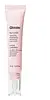
This barrier-repair eye moisturizer is formulated around Niacinamide and Sodium Hyaluronate to strengthen the skin barrier and hydrate skin.
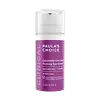
This anti-aging eye moisturizer is formulated around Ceramide Ns and Palmitoyl Tripeptide-5 to soften the look of wrinkles and strengthen the skin barrier.

What's inside
What's inside
 Key Ingredients
Benefits
Concerns
Ingredients Side-by-side
Water
Skin ConditioningGlycerin
Humectant


Niacinamide
Smoothing









Pentaerythrityl Tetraisostearate
Emollient

C13-15 Alkane
SolventPropanediol
Solvent
Sorbitan Olivate
Emulsifying
Cetearyl Olivate
Butyrospermum Parkii Butter
Skin Conditioning


C15-19 Alkane
SolventPentylene Glycol
Skin Conditioning
Sodium Hyaluronate
Humectant
Panthenol
Skin Conditioning
Biotin
AntiseborrhoeicJasminum Sambac Flower Extract
Masking
Crataegus Monogyna Flower Extract
Skin ConditioningCarthamus Tinctorius Oleosomes
Emollient
Plankton Extract
Skin ConditioningSodium Polyglutamate
HumectantHydroxyacetophenone
Antioxidant
Maltodextrin
Absorbent
Cetyl Palmitate
Emollient
Gluconolactone
Chelating
Glyceryl Stearate
Emollient
Glyceryl Undecylenate
Emollient
Glyceryl Laurate
Emollient
Ethylhexylglycerin
Skin ConditioningIsohexadecane
EmollientXanthan Gum
EmulsifyingSclerotium Gum
Emulsion StabilisingHydroxyethyl Acrylate/Sodium Acryloyldimethyl Taurate Copolymer
Emulsion StabilisingCetearyl Alcohol
Emollient

Tetrasodium Glutamate Diacetate
ChelatingSorbitan Palmitate
Emulsifying
Sorbitan Isostearate
Emulsifying
Polysorbate 60
Emulsifying
Citric Acid
Buffering
Sodium Hydroxide
BufferingSodium Benzoate
Masking
1,2-Hexanediol
Skin Conditioning
Caprylyl Glycol
Emollient
Water, Glycerin, Niacinamide, Pentaerythrityl Tetraisostearate, C13-15 Alkane, Propanediol, Sorbitan Olivate, Cetearyl Olivate, Butyrospermum Parkii Butter, C15-19 Alkane, Pentylene Glycol, Sodium Hyaluronate, Panthenol, Biotin, Jasminum Sambac Flower Extract, Crataegus Monogyna Flower Extract, Carthamus Tinctorius Oleosomes, Plankton Extract, Sodium Polyglutamate, Hydroxyacetophenone, Maltodextrin, Cetyl Palmitate, Gluconolactone, Glyceryl Stearate, Glyceryl Undecylenate, Glyceryl Laurate, Ethylhexylglycerin, Isohexadecane, Xanthan Gum, Sclerotium Gum, Hydroxyethyl Acrylate/Sodium Acryloyldimethyl Taurate Copolymer, Cetearyl Alcohol, Tetrasodium Glutamate Diacetate, Sorbitan Palmitate, Sorbitan Isostearate, Polysorbate 60, Citric Acid, Sodium Hydroxide, Sodium Benzoate, 1,2-Hexanediol, Caprylyl Glycol
Water
Skin ConditioningNeopentyl Glycol Diheptanoate
EmollientCetyl Alcohol
Emollient
Butylene Glycol
Humectant
Glycerin
Humectant
Glyceryl Stearate
Emollient
PEG-100 Stearate
Surfactant
Ammonium Acryloyldimethyltaurate/Vp Copolymer
Ascorbyl Glucoside
Antioxidant
Potassium Cetyl Phosphate
EmulsifyingSodium Ascorbyl Phosphate
Antioxidant
Bis-Diglyceryl Polyacyladipate-2
Emollient
Polyglyceryl-10 Dioleate
Emulsifying
Tetrahexyldecyl Ascorbate
Antioxidant
Ceramide Ns
Skin Conditioning
Ceramide EOP
Skin Conditioning
Ceramide AP
Skin Conditioning
Ceramide Eos
Skin Conditioning
Ceramide NP
Skin Conditioning
Palmitoyl Tripeptide-5
Skin Conditioning
Acetyl Tetrapeptide-5
Humectant
Caprooyl Phytosphingosine
Skin Conditioning
Caprooyl Sphingosine
Skin ConditioningCholesterol
Emollient
Squalane
Emollient
Retinol
Skin Conditioning

Vitis Vinifera Seed Extract
Antimicrobial
Glycyrrhiza Glabra Root Extract
Bleaching
Punica Granatum Fruit Extract
Antioxidant
Dunaliella Salina Extract
Skin ConditioningPongamia Glabra Seed Oil
Skin Conditioning
Tocopheryl Acetate
Antioxidant
Allantoin
Skin Conditioning
Bisabolol
Antioxidant
Carnosine
Skin Conditioning
Panthenol
Skin Conditioning
Sodium PCA
Humectant
Pullulan
Glyceryl Ascorbate
Antioxidant
Behenic Acid
Cleansing
Dimethicone
Emollient
Sodium Citrate
BufferingSodium Polyacrylate
Absorbent
Caprylyl Glycol
Emollient
Ethylhexyl Stearate
Emollient
Ceteareth-25
CleansingSodium Hydroxide
BufferingTrideceth-6
EmulsifyingPropyl Gallate
Antioxidant
Polysorbate 20
Emulsifying
Disodium EDTA
ChelatingMica
Cosmetic ColorantPhenoxyethanol
Preservative
Chlorphenesin
Antimicrobial
Sodium Benzoate
Masking
Water, Neopentyl Glycol Diheptanoate, Cetyl Alcohol, Butylene Glycol, Glycerin, Glyceryl Stearate, PEG-100 Stearate, Ammonium Acryloyldimethyltaurate/Vp Copolymer, Ascorbyl Glucoside, Potassium Cetyl Phosphate, Sodium Ascorbyl Phosphate, Bis-Diglyceryl Polyacyladipate-2, Polyglyceryl-10 Dioleate, Tetrahexyldecyl Ascorbate, Ceramide Ns, Ceramide EOP, Ceramide AP, Ceramide Eos, Ceramide NP, Palmitoyl Tripeptide-5, Acetyl Tetrapeptide-5, Caprooyl Phytosphingosine, Caprooyl Sphingosine, Cholesterol, Squalane, Retinol, Vitis Vinifera Seed Extract, Glycyrrhiza Glabra Root Extract, Punica Granatum Fruit Extract, Dunaliella Salina Extract, Pongamia Glabra Seed Oil, Tocopheryl Acetate, Allantoin, Bisabolol, Carnosine, Panthenol, Sodium PCA, Pullulan, Glyceryl Ascorbate, Behenic Acid, Dimethicone, Sodium Citrate, Sodium Polyacrylate, Caprylyl Glycol, Ethylhexyl Stearate, Ceteareth-25, Sodium Hydroxide, Trideceth-6, Propyl Gallate, Polysorbate 20, Disodium EDTA, Mica, Phenoxyethanol, Chlorphenesin, Sodium Benzoate
Reviews
Ingredients Explained
These ingredients are found in both products.
Ingredients higher up in an ingredient list are typically present in a larger amount.
Caprylyl Glycol is a humectant, skin conditioner, emollient, and preservative booster derived from either caprylic acid or synthetically created.
Typical use levels vary from 0.3-1% as a preservative booster and go up to 2% to condition skin.
Because it is not a free-fatty acid, this ingredient is fungal acne safe (there's nothing for Malassezia to feed on).
Learn more about Caprylyl GlycolGlycerin (or glycerol) is a compound naturally found in your skin. It's a powerhouse humectant that pulls water into the stratum corneum.
Topically, glycerin does several things at once:
Your skin makes glycerin on its own (mostly from sebaceous oil breakdown) and shuttles it to your outermost layer of skin, or your epidermis, via aquaporin-3.
Aquaporin-3 is a transporter that is essential for normal skin hydration, elasticity, and repair. Interestingly, mice lacking in AQP3 have dry and less elastic skin that can be fully corrected with glycerin.
This ingredient is non-irritating, plays well with almost every ingredient, and works across all skin types. Typical use is anywhere between 3-10% but can go up to 79% in some leave-on products.
Just know very high concentrations (>40%) can feel tacky in low humidity.
Glycerin is the name for this ingredient in American English. British English uses Glycerol/Glycerine.
Learn more about GlycerinGlyceryl Stearate is made by reacting glycerin with stearic acid (typically sourced from plant oils like palm or coconut). It's an emulsifier, emollient, and mild occlusive.
Emulsifiers help ingredients like oil and water stay mixed so your formula stays nicely blended and uniform in texture.
This ingredient is typically used in concentrations between 1-10%. Studies have found it to be non-sensitizing, non-phototoxic, and non-photoallergenic.
A close cousin of this ingredient is Glyceryl Stearate SE ("self-emulsifying"). This just has a small amount of sodium or potassium stearate added so it can emulsify without a co-emulsifier.
Since this ingredient is an ester of a C18 fatty acid, it may not be fungal acne safe. The Malassezia yeast can potentially metabolize within the C11-C24 range.
Fun fact: The human body also creates Glyceryl Stearate naturally.
Learn more about Glyceryl StearatePanthenol is a common ingredient that helps hydrate and soothe the skin. It is found naturally in our skin and hair.
There are two forms of panthenol: D and L.
D-panthenol is also known as dexpanthenol. Most cosmetics use dexpanthenol or a mixture of D and L-panthenol.
Panthenol is famous due to its ability to go deeper into the skin's layers. Using this ingredient has numerous pros (and no cons):
Like hyaluronic acid, panthenol is a humectant. Humectants are able to bind and hold large amounts of water to keep skin hydrated.
This ingredient works well for wound healing. It works by increasing tissue in the wound and helps close open wounds.
Once oxidized, panthenol converts to pantothenic acid. Panthothenic acid is found in all living cells.
This ingredient is also referred to as pro-vitamin B5.
Learn more about PanthenolSodium Benzoate is a preservative. It's used in both cosmetic and food products to inhibit the growth of mold and bacteria. It is typically produced synthetically.
Both the US FDA and EU Health Committee have approved the use of sodium benzoate. In the US, levels of 0.1% (of the total product) are allowed.
Sodium benzoate works as a preservative by inhibiting the growth of bacteria inside of cells. It prevents the cell from fermenting a type of sugar using an enzyme called phosphofructokinase.
It is the salt of benzoic acid. Foods containing sodium benzoate include soda, salad dressings, condiments, fruit juices, wines, and snack foods.
Studies for using ascorbic acid and sodium benzoate in cosmetics are lacking, especially in skincare routines with multiple steps.
We always recommend speaking with a professional, such as a dermatologist, if you have any concerns.
Learn more about Sodium BenzoateSodium Hydroxide is also known as lye or caustic soda. It is used to adjust the pH of products; many ingredients require a specific pH to be effective.
In small amounts, sodium hydroxide is considered safe to use. However, large amounts may cause chemical burns due to its high alkaline.
Your skin has a natural pH and acid mantle. This acid mantle helps prevent harmful bacteria from breaking through. The acid mantle also helps keep your skin hydrated.
"Alkaline" refers to a high pH level. A low pH level would be considered acidic.
Learn more about Sodium HydroxideWater. It's the most common cosmetic ingredient of all. You'll usually see it at the top of ingredient lists, meaning that it makes up the largest part of the product.
So why is it so popular? Water most often acts as a solvent - this means that it helps dissolve other ingredients into the formulation.
You'll also recognize water as that liquid we all need to stay alive. If you see this, drink a glass of water. Remember to stay hydrated!
Learn more about Water

