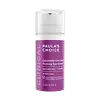
This anti-aging eye moisturizer is formulated around Ceramide Ns and Palmitoyl Tripeptide-5 to soften the look of wrinkles and strengthen the skin barrier.
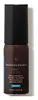
This anti-aging eye moisturizer is formulated around Ascorbic Acid and Ferulic Acid to soften the look of wrinkles and brighten dull-looking skin.

What's inside
What's inside
 Key Ingredients
Benefits
Concerns
Ingredients Side-by-side
Water
Skin ConditioningNeopentyl Glycol Diheptanoate
EmollientCetyl Alcohol
Emollient



Butylene Glycol
Humectant

Glycerin
Humectant
Glyceryl Stearate
Emollient
PEG-100 Stearate
Surfactant
Ammonium Acryloyldimethyltaurate/Vp Copolymer
Ascorbyl Glucoside
Antioxidant



Potassium Cetyl Phosphate
EmulsifyingSodium Ascorbyl Phosphate
Antioxidant


Bis-Diglyceryl Polyacyladipate-2
Emollient
Polyglyceryl-10 Dioleate
Emulsifying
Tetrahexyldecyl Ascorbate
Antioxidant
Ceramide Ns
Skin Conditioning

Ceramide EOP
Skin Conditioning
Ceramide AP
Skin Conditioning
Ceramide Eos
Skin Conditioning
Ceramide NP
Skin Conditioning
Palmitoyl Tripeptide-5
Skin Conditioning
Acetyl Tetrapeptide-5
Humectant
Caprooyl Phytosphingosine
Skin Conditioning
Caprooyl Sphingosine
Skin ConditioningCholesterol
Emollient
Squalane
Emollient
Retinol
Skin Conditioning




Vitis Vinifera Seed Extract
Antimicrobial
Glycyrrhiza Glabra Root Extract
Bleaching
Punica Granatum Fruit Extract
Antioxidant
Dunaliella Salina Extract
Skin ConditioningPongamia Glabra Seed Oil
Skin Conditioning
Tocopheryl Acetate
Antioxidant
Allantoin
Skin Conditioning
Bisabolol
Antioxidant
Carnosine
Skin Conditioning
Panthenol
Skin Conditioning
Sodium PCA
Humectant
Pullulan
Glyceryl Ascorbate
Antioxidant
Behenic Acid
Cleansing
Dimethicone
Emollient
Sodium Citrate
BufferingSodium Polyacrylate
Absorbent
Caprylyl Glycol
Emollient
Ethylhexyl Stearate
Emollient


Ceteareth-25
CleansingSodium Hydroxide
BufferingTrideceth-6
EmulsifyingPropyl Gallate
Antioxidant

Polysorbate 20
Emulsifying
Disodium EDTA
ChelatingMica
Cosmetic ColorantPhenoxyethanol
Preservative
Chlorphenesin
Antimicrobial
Sodium Benzoate
Masking
Water, Neopentyl Glycol Diheptanoate, Cetyl Alcohol, Butylene Glycol, Glycerin, Glyceryl Stearate, PEG-100 Stearate, Ammonium Acryloyldimethyltaurate/Vp Copolymer, Ascorbyl Glucoside, Potassium Cetyl Phosphate, Sodium Ascorbyl Phosphate, Bis-Diglyceryl Polyacyladipate-2, Polyglyceryl-10 Dioleate, Tetrahexyldecyl Ascorbate, Ceramide Ns, Ceramide EOP, Ceramide AP, Ceramide Eos, Ceramide NP, Palmitoyl Tripeptide-5, Acetyl Tetrapeptide-5, Caprooyl Phytosphingosine, Caprooyl Sphingosine, Cholesterol, Squalane, Retinol, Vitis Vinifera Seed Extract, Glycyrrhiza Glabra Root Extract, Punica Granatum Fruit Extract, Dunaliella Salina Extract, Pongamia Glabra Seed Oil, Tocopheryl Acetate, Allantoin, Bisabolol, Carnosine, Panthenol, Sodium PCA, Pullulan, Glyceryl Ascorbate, Behenic Acid, Dimethicone, Sodium Citrate, Sodium Polyacrylate, Caprylyl Glycol, Ethylhexyl Stearate, Ceteareth-25, Sodium Hydroxide, Trideceth-6, Propyl Gallate, Polysorbate 20, Disodium EDTA, Mica, Phenoxyethanol, Chlorphenesin, Sodium Benzoate
Water
Skin ConditioningDipropylene Glycol
HumectantButylene Glycol
Humectant
Undecane
EmollientBis-Hydroxyethoxypropyl Dimethicone
Emollient
Alcohol Denat.
Antimicrobial

Ascorbic Acid
Antioxidant
Dimethicone
Emollient
Caprylic/Capric Triglyceride
Masking
Tridecane
Perfuming
Phloretin
Antioxidant
Lauryl PEG-9 Polydimethylsiloxyethyl Dimethicone
Skin Conditioning
Dimethicone/PEG-10/15 Crosspolymer
Dimethicone/Polyglycerin-3 Crosspolymer
Cleansing
Ferulic Acid
Antimicrobial
Ruscus Aculeatus Root Extract
Astringent
Caffeine
Skin Conditioning
Disodium EDTA
ChelatingSodium Hydroxide
BufferingWater, Dipropylene Glycol, Butylene Glycol, Undecane, Bis-Hydroxyethoxypropyl Dimethicone, Alcohol Denat., Ascorbic Acid, Dimethicone, Caprylic/Capric Triglyceride, Tridecane, Phloretin, Lauryl PEG-9 Polydimethylsiloxyethyl Dimethicone, Dimethicone/PEG-10/15 Crosspolymer, Dimethicone/Polyglycerin-3 Crosspolymer, Ferulic Acid, Ruscus Aculeatus Root Extract, Caffeine, Disodium EDTA, Sodium Hydroxide
Reviews
Alternatives
Ingredients Explained
These ingredients are found in both products.
Ingredients higher up in an ingredient list are typically present in a larger amount.
Butylene Glycol (or BG) is used within cosmetic products for a few different reasons:
Overall, Butylene Glycol is a safe and well-rounded ingredient that works well with other ingredients.
Though this ingredient works well with most skin types, some people with sensitive skin may experience a reaction such as allergic rashes, closed comedones, or itchiness.
Learn more about Butylene GlycolDimethicone is a type of synthetic silicone created from natural materials such as quartz. It is also known as polydimethylsiloxane.
What it does:
Dimethicone comes in different viscosities:
Depending on the viscosity, dimethicone has different properties.
Ingredients lists don't always show which type is used, so we recommend reaching out to the brand if you have questions about the viscosity.
This ingredient is unlikely to cause irritation because it does not get absorbed into skin. However, people with silicone allergies should be careful about using this ingredient.
Note: Dimethicone may contribute to pilling. This is because it is not oil or water soluble, so pilling may occur when layered with products. When mixed with heavy oils in a formula, the outcome is also quite greasy.
Learn more about DimethiconeDisodium EDTA is a chelating agent. It grabs onto and deactivates metal ions that sneak into your products from water, packaging, or air.
This ingredient mainly works behind the scenes and helps with:
On top of that, this ingredient can counteract the effects of hard water by binding to the minerals in it.
One thing worth knowing is that Disodium EDTA has been shown to be a mild penetration enhancer. It can help other ingredients absorb into skin more effectively which can be a double-edged sword (great for actives, but can also make the active too strong if you have sensitive skin).
Clinical patch testing showed no significant skin irritation at typical use concentrations and minimal dermal absorption.
You'll most likely see this ingredient near the end of an ingredient list. It's typically found in concentrations less than 1%.
Learn more about Disodium EDTASodium Hydroxide is also known as lye or caustic soda. It is used to adjust the pH of products; many ingredients require a specific pH to be effective.
In small amounts, sodium hydroxide is considered safe to use. However, large amounts may cause chemical burns due to its high alkaline.
Your skin has a natural pH and acid mantle. This acid mantle helps prevent harmful bacteria from breaking through. The acid mantle also helps keep your skin hydrated.
"Alkaline" refers to a high pH level. A low pH level would be considered acidic.
Learn more about Sodium HydroxideWater. It's the most common cosmetic ingredient of all. You'll usually see it at the top of ingredient lists, meaning that it makes up the largest part of the product.
So why is it so popular? Water most often acts as a solvent - this means that it helps dissolve other ingredients into the formulation.
You'll also recognize water as that liquid we all need to stay alive. If you see this, drink a glass of water. Remember to stay hydrated!
Learn more about Water

