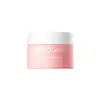
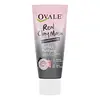
Glad2Glow Pomegranate Niacinamide Brightening Claymask Versus Ovale Perfect Purifying Real Clay Mask
This wash off mask is formulated around Salicylic Acid to clear breakouts and unclog pores.
This wash off mask is made with Zea Mays Starch and Kaolin for a rinse-off oil-control boost.

What's inside
What's inside
 Key Ingredients
Benefits
Concerns
Ingredients Side-by-side
Water
Skin ConditioningKaolin
Abrasive



Glycerin
Humectant


Cetearyl Alcohol
Emollient






Dipropylene Glycol
HumectantOryza Sativa Bran Oil
Emollient


Ethylhexyl Palmitate
Emollient
CI 77891
Cosmetic ColorantPolysorbate 60
Emulsifying
Dimethicone
Emollient
Lactobacillus/Punica Granatum Fruit Ferment Extract
Antioxidant

Niacinamide
Smoothing



Magnesium Aluminum Silicate
Absorbent
PEG-100 Stearate
Surfactant
Glyceryl Stearate
Emollient
1,2-Hexanediol
Skin Conditioning
Hydroxyacetophenone
Antioxidant
Xanthan Gum
EmulsifyingPEG-20 Stearate
Emulsifying
Hydroxyethyl Acrylate/Sodium Acryloyldimethyl Taurate Copolymer
Emulsion StabilisingChlorphenesin
Antimicrobial
Bisabolol
Antioxidant
Butylene Glycol
Humectant
Allantoin
Skin Conditioning
Polyisobutene
Pentaerythrityl Tetra-Di-T-Butyl Hydroxyhydrocinnamate
Antioxidant
Ethylhexylglycerin
Skin ConditioningDisodium EDTA
ChelatingCI 77491
Cosmetic ColorantGentiana Scabra Root Extract
Skin ConditioningPEG-7 Trimethylolpropane Coconut Ether
Emulsifying
Aroma


Polysorbate 80
Emulsifying
Propylene Glycol
Humectant
Sorbitan Isostearate
Emulsifying
Pentylene Glycol
Skin Conditioning
Lactobacillus/Soymilk Ferment Filtrate
Skin ConditioningCaprylyl Glycol
Emollient
Phenoxyethanol
Preservative
Sodium Hyaluronate
Humectant
Maltodextrin
Absorbent
Salicylic Acid
Masking


Acacia Senegal Gum
MaskingArtemisia Vulgaris Extract
Skin Conditioning
Tocopherol
Antioxidant
Centella Asiatica Leaf Extract
Skin Conditioning
Alchemilla Vulgaris Extract
AstringentTrehalose
Humectant
Panicum Miliaceum Seed Extract
Skin ConditioningSophora Flavescens Root Extract
Antioxidant
Opuntia Ficus-Indica Stem Extract
Skin Conditioning
Ophiopogon Japonicus Root Extract
Skin ConditioningHibiscus Abelmoschus Seed Extract
Masking
Pyrus Cydonia Seed Extract
MaskingSecale Cereale Seed Extract
Abrasive
Glycine Soja Seed Extract
Skin Conditioning
Lactobacillus Ferment
Skin Conditioning
Leuconostoc/Radish Root Ferment Filtrate
Antimicrobial
Castanea Sativa Seed Extract
Skin ConditioningHelianthus Annuus Seed Extract
Skin Conditioning
Water, Kaolin, Glycerin, Cetearyl Alcohol, Dipropylene Glycol, Oryza Sativa Bran Oil, Ethylhexyl Palmitate, CI 77891, Polysorbate 60, Dimethicone, Lactobacillus/Punica Granatum Fruit Ferment Extract, Niacinamide, Magnesium Aluminum Silicate, PEG-100 Stearate, Glyceryl Stearate, 1,2-Hexanediol, Hydroxyacetophenone, Xanthan Gum, PEG-20 Stearate, Hydroxyethyl Acrylate/Sodium Acryloyldimethyl Taurate Copolymer, Chlorphenesin, Bisabolol, Butylene Glycol, Allantoin, Polyisobutene, Pentaerythrityl Tetra-Di-T-Butyl Hydroxyhydrocinnamate, Ethylhexylglycerin, Disodium EDTA, CI 77491, Gentiana Scabra Root Extract, PEG-7 Trimethylolpropane Coconut Ether, Aroma, Polysorbate 80, Propylene Glycol, Sorbitan Isostearate, Pentylene Glycol, Lactobacillus/Soymilk Ferment Filtrate, Caprylyl Glycol, Phenoxyethanol, Sodium Hyaluronate, Maltodextrin, Salicylic Acid, Acacia Senegal Gum, Artemisia Vulgaris Extract, Tocopherol, Centella Asiatica Leaf Extract, Alchemilla Vulgaris Extract, Trehalose, Panicum Miliaceum Seed Extract, Sophora Flavescens Root Extract, Opuntia Ficus-Indica Stem Extract, Ophiopogon Japonicus Root Extract, Hibiscus Abelmoschus Seed Extract, Pyrus Cydonia Seed Extract, Secale Cereale Seed Extract, Glycine Soja Seed Extract, Lactobacillus Ferment, Leuconostoc/Radish Root Ferment Filtrate, Castanea Sativa Seed Extract, Helianthus Annuus Seed Extract
Water
Skin ConditioningZea Mays Starch
Absorbent
Sorbitol
Humectant
Kaolin
Abrasive
Talc
Abrasive
Magnesium Aluminum Silicate
Absorbent
Titanium Dioxide
Cosmetic Colorant

Polysorbate 20
Emulsifying
1,2-Hexanediol
Skin Conditioning
Betaine
Humectant
Sodium Citrate
BufferingSorbitan Caprylate
EmulsifyingPropylene Glycol
Humectant
Maltodextrin
Absorbent
Allantoin
Skin Conditioning
Citric Acid
Buffering
CI 77499
Cosmetic ColorantSodium Polystyrene Sulfonate
Emulsion StabilisingXanthan Gum
EmulsifyingPropanediol
Solvent
Benzoic Acid
Masking
Parfum
Masking
Mica
Cosmetic ColorantPanthenol
Skin Conditioning
Tocopheryl Acetate
Antioxidant
Biosaccharide Gum-1
Humectant
Olea Europaea Leaf Extract
Perfuming
Styrene/Acrylates Copolymer
Cellulose Gum
Emulsion StabilisingSodium Chloride
MaskingSucrose
Humectant
CI 47005
Cosmetic ColorantChondrus Crispus Extract
Skin Conditioning
Ulva Lactuca Extract
Skin ConditioningEnteromorpha Compressa Extract
Skin Protecting
Palmaria Palmata Extract
Skin Protecting
CI 45100
Cosmetic ColorantUndaria Pinnatifida Extract
Skin ConditioningSodium Lauroyl Lactylate
EmulsifyingCharcoal Powder
Abrasive
Ceramide NP
Skin Conditioning
Ceramide AP
Skin Conditioning
Cholesterol
Emollient
Phytosphingosine
Skin Conditioning
Carbomer
Emulsion StabilisingEthylhexylglycerin
Skin ConditioningCeramide EOP
Skin Conditioning
Water, Zea Mays Starch, Sorbitol, Kaolin, Talc, Magnesium Aluminum Silicate, Titanium Dioxide, Polysorbate 20, 1,2-Hexanediol, Betaine, Sodium Citrate, Sorbitan Caprylate, Propylene Glycol, Maltodextrin, Allantoin, Citric Acid, CI 77499, Sodium Polystyrene Sulfonate, Xanthan Gum, Propanediol, Benzoic Acid, Parfum, Mica, Panthenol, Tocopheryl Acetate, Biosaccharide Gum-1, Olea Europaea Leaf Extract, Styrene/Acrylates Copolymer, Cellulose Gum, Sodium Chloride, Sucrose, CI 47005, Chondrus Crispus Extract, Ulva Lactuca Extract, Enteromorpha Compressa Extract, Palmaria Palmata Extract, CI 45100, Undaria Pinnatifida Extract, Sodium Lauroyl Lactylate, Charcoal Powder, Ceramide NP, Ceramide AP, Cholesterol, Phytosphingosine, Carbomer, Ethylhexylglycerin, Ceramide EOP
Reviews
Ingredients Explained
These ingredients are found in both products.
Ingredients higher up in an ingredient list are typically present in a larger amount.
1,2-Hexanediol is a synthetic liquid and another multi-functional powerhouse.
It is a:
- Humectant, drawing moisture into the skin
- Emollient, helping to soften skin
- Solvent, dispersing and stabilizing formulas
- Preservative booster, enhancing the antimicrobial activity of other preservatives
Allantoin is a soothing ingredient known for its protective and moisturizing properties; it's basically a quiet workhorse ingredient you can find in a huge range of cosmetics.
Though it can be derived from the comfrey plant, allantoin is produced synthetically for cosmetic products to ensure purity.
Research shows it can encourage your skin cells to turn over and renew by stimulating keratinocyte and fibroblast proliferation.
It also has mild keratolytic properties to help loosen and shed dead skin cells without being harsh.
Studies also suggest allantoin can help calm inflammation by dialing down some of the chemical signals your skin sends out when it is irritated.
This ingredient is typically used in the 0.1-0.5% range, and the FDA recognizes it as a skin protectant in OTC products up to 2%.
Overall, allantoin is a wonderful addition to most routines; it is stable across a wide pH range (~4-8), works well with other ingredients, and is considered non-sensitizing/non-irritating.
Fun fact: Allantoin is naturally occurring in comfrey root, beets, chamomile, and wheat sprouts. Our bodies even produce it as a byproduct of uric acid metabolism.
Learn more about AllantoinEthylhexylglycerin is created from glycerin. It is a multitasker ingredient that:
The CIR Expert Panel found minimal skin absorption or sensitization of any kind in a safety assessment. Though this ingredient is considered well-tolerated, a small number of cases of allergic dermatitis have been published since 2002. Just be sure to patch test if you are unsure.
Industry-reported use ranges from 8% in rinse-off products and 2% in leave-on formulations.
Learn more about EthylhexylglycerinKaolin is a clay. It is used for oil control and to help minimize pores. Like other clays, kaolin has the ability to absorb excess sebum or oil. This can help clean out pores and mattify the skin.
Some types of kaolin may have exfoliating properties. When water is added to kaolin, it becomes a paste with small abrasive particles.
Most kaolin is a white color, but may be pink/orange/red depending on where it comes from.
The name 'kaolin' comes from a Chinese village named 'Gaoling'. Kaolin clay comes from rocks rich in kaolinite. Kaolinite, the mineral, has a silicate layered structure. Kaolinite is formed from chemical weathering of aluminum siilicate minerals.
Besides skincare, kaolin is commonly used to make glossy paper, in ceramics, toothpaste, and as medicine to soothe stomach issues.
Learn more about KaolinMagnesium Aluminum Silicate is a type of silica. It comes from naturally occuring minerals such as silicate ores and clay.
Magnesium aluminum silicate is used for enhancing texture and as an absorbent. Due to its large molecular size, it is unable to be absorbed into the skin.
Like other types of silica, this ingredient can be used to thicken a product. As an absorbent, it may be used to absorb extra water or help prevent clumping.
Although “aluminum” in an ingredient name can raise red flags for some consumers, the form and usage context matter significantly. For typical topical applications, there is no substantial evidence of health risks - such as cancer, neurotoxicity, or systemic “aluminum overload.”
Learn more about Magnesium Aluminum SilicateMaltodextrin is a plant-derived carbohydrate made by breaking down starch (usually from corn, potato, or rice). In cosmetic formulas, it's a multitasking absorbent, emulsion stabilizer, and skin conditioner.
This ingredient is mostly used to stabilize emulsions and improve the powdery, non-greasy feel of products (like dry shampoos).
Safety-wise, this ingredient is pretty solid; it's even recognized as a food additive. Both animal and clinical studies found no adverse effects at the levels used in cosmetics.
Industry data shows this ingredient is used up to 45.7% in spray products and up to 33% in powder products.
Learn more about MaltodextrinPropylene Glycol is a synthetic, colorless, odorless liquid that has been a staple in cosmetics for decades. It is a skin conditioning agent, humectant, and solvent.
As a humectant, it draw water to the skin to reduce flaking and restore suppleness. It's also a solvent that helps dissolve other actives and keeps formulas stable across temperature changes.
The CIR Expert Panel has confirmed this ingredient to be nontoxic and clinical studies show no sensitization at cosmetic use concentrations.
True allergic reactions are quite rare: a 15-year retrospective study of 6,751 patients found only 0.31% had a positive reaction (and less than half were considered clinically relevant).
It seemed that when sensitization does occur, it's most commonly linked to topical medication (like corticosteroids) and not cosmetics. Allergic contact dermatitis also appears largely limited to individuals with underlying skin conditions.
Overall, propylene glycol is a well-studied ingredient that most people can tolerate without issue.
Learn more about Propylene GlycolWater. It's the most common cosmetic ingredient of all. You'll usually see it at the top of ingredient lists, meaning that it makes up the largest part of the product.
So why is it so popular? Water most often acts as a solvent - this means that it helps dissolve other ingredients into the formulation.
You'll also recognize water as that liquid we all need to stay alive. If you see this, drink a glass of water. Remember to stay hydrated!
Learn more about WaterXanthan gum is used as a stabilizer and thickener within cosmetic products. It helps give products a sticky, thick feeling - preventing them from being too runny.
On the technical side of things, xanthan gum is a polysaccharide - a combination consisting of multiple sugar molecules bonded together.
Xanthan gum is a pretty common and great ingredient. It is a natural, non-toxic, non-irritating ingredient that is also commonly used in food products.
Learn more about Xanthan Gum

