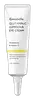
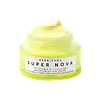
Genabelle Glutamin-C Luminous Eye Cream Versus Herbivore Super Nova 5% THD Vitamin C + Caffeine Brightening Eye Cream
This brightening eye moisturizer is formulated around Niacinamide and Ascorbic Acid to brighten dull-looking skin and soften the look of wrinkles.
This brightening eye moisturizer is formulated around Tetrahexyldecyl Ascorbate and Caffeine to brighten dull-looking skin and fade the look of dark spots.


What's inside
What's inside
 Key Ingredients
Benefits
Concerns
Ingredients Side-by-side
Water
Skin ConditioningCaprylic/Capric Triglyceride
Masking


Glycerin
Humectant
Propanediol
Solvent
Butyrospermum Parkii Butter
Skin Conditioning




Simmondsia Chinensis Seed Oil
Emollient
Cetearyl Alcohol
Emollient
Hydrogenated Vegetable Oil
Emollient
Niacinamide
Smoothing









1,2-Hexanediol
Skin Conditioning
Cetearyl Olivate
Glyceryl Stearate
Emollient
Isopentyldiol
Humectant
Sorbitan Olivate
Emulsifying
Sorbitan Stearate
Emulsifying
Squalane
Emollient
Polyglyceryl-3 Stearate
Emulsifying
Sodium Acrylate/Sodium Acryloyldimethyl Taurate Copolymer
Emulsion StabilisingPolyisobutene
Arginine
Masking
Carbomer
Emulsion StabilisingAllantoin
Skin Conditioning
Ethylhexylglycerin
Skin ConditioningParfum
Masking


Xanthan Gum
EmulsifyingAdenosine
Skin Conditioning
Caprylyl/Capryl Glucoside
CleansingDisodium EDTA
ChelatingSorbitan Oleate
Emulsifying
Hydrogenated Lecithin
Emulsifying
Butylene Glycol
Humectant
Stearic Acid
Cleansing
Beta-Glucan
Skin Conditioning
Sodium Hyaluronate
Humectant
Ceramide NP
Skin Conditioning
Ceramide Ns
Skin Conditioning
Ascorbic Acid
Antioxidant

Cholesterol
Emollient
Glutathione
Hydroxypropyltrimonium Hyaluronate
Phytosphingosine
Skin Conditioning
Ceramide AP
Skin Conditioning
Ceramide As
Skin Conditioning
Hydrolyzed Hyaluronic Acid
Humectant
Sodium Acetylated Hyaluronate
Humectant
Hyaluronic Acid
Humectant
Sodium Hyaluronate Crosspolymer
Humectant
Potassium Hyaluronate
Skin ConditioningCeramide EOP
Skin Conditioning
Water, Caprylic/Capric Triglyceride, Glycerin, Propanediol, Butyrospermum Parkii Butter, Simmondsia Chinensis Seed Oil, Cetearyl Alcohol, Hydrogenated Vegetable Oil, Niacinamide, 1,2-Hexanediol, Cetearyl Olivate, Glyceryl Stearate, Isopentyldiol, Sorbitan Olivate, Sorbitan Stearate, Squalane, Polyglyceryl-3 Stearate, Sodium Acrylate/Sodium Acryloyldimethyl Taurate Copolymer, Polyisobutene, Arginine, Carbomer, Allantoin, Ethylhexylglycerin, Parfum, Xanthan Gum, Adenosine, Caprylyl/Capryl Glucoside, Disodium EDTA, Sorbitan Oleate, Hydrogenated Lecithin, Butylene Glycol, Stearic Acid, Beta-Glucan, Sodium Hyaluronate, Ceramide NP, Ceramide Ns, Ascorbic Acid, Cholesterol, Glutathione, Hydroxypropyltrimonium Hyaluronate, Phytosphingosine, Ceramide AP, Ceramide As, Hydrolyzed Hyaluronic Acid, Sodium Acetylated Hyaluronate, Hyaluronic Acid, Sodium Hyaluronate Crosspolymer, Potassium Hyaluronate, Ceramide EOP
Water
Skin ConditioningTetrahexyldecyl Ascorbate
Antioxidant
Butyrospermum Parkii Butter
Skin Conditioning
Triheptanoin
Skin ConditioningBis-Diglyceryl Polyacyladipate-2
Emollient
Coco-Caprylate/Caprate
Emollient
Propanediol
Solvent
Simmondsia Chinensis Seed Oil
Emollient
Cetearyl Olivate
Sorbitan Olivate
Emulsifying
Stearyl Stearate
Emollient
Polyglyceryl-6 Stearate
Emollient
Glycerin
Humectant
Sodium Stearoyl Glutamate
CleansingBehenyl Alcohol
Emollient
Caffeine
Skin Conditioning
Ganoderma Lucidum Extract
Skin Protecting
Curcuma Longa Root Extract
Antioxidant
Astragalus Membranaceus Root Extract
Emollient
Spilanthes Acmella Flower/Leaf/Stem Extract
AntimicrobialHyaluronic Acid
Humectant
Ubiquinone
Antioxidant
Carthamus Tinctorius Seed Oil
Masking
Sclerotium Gum
Emulsion StabilisingC9-12 Alkane
SolventPolyglyceryl-6 Polyricinoleate
Emulsifying
Sodium Levulinate
Skin ConditioningSodium Anisate
AntimicrobialMelia Azadirachta Flower Extract
Skin ConditioningPolyglyceryl-6 Behenate
Emulsion Stabilising
Melia Azadirachta Leaf Extract
Skin ConditioningOcimum Sanctum Leaf Extract
Skin ConditioningSodium Phytate
ChelatingOcimum Basilicum Flower/Leaf Extract
TonicTocopheryl Acetate
Antioxidant
Corallina Officinalis Extract
Skin Conditioning
Xanthan Gum
EmulsifyingBacillus Ferment
Skin Conditioning
Glyceryl Caprylate
EmollientCitric Acid
Buffering
Water, Tetrahexyldecyl Ascorbate, Butyrospermum Parkii Butter, Triheptanoin, Bis-Diglyceryl Polyacyladipate-2, Coco-Caprylate/Caprate, Propanediol, Simmondsia Chinensis Seed Oil, Cetearyl Olivate, Sorbitan Olivate, Stearyl Stearate, Polyglyceryl-6 Stearate, Glycerin, Sodium Stearoyl Glutamate, Behenyl Alcohol, Caffeine, Ganoderma Lucidum Extract, Curcuma Longa Root Extract, Astragalus Membranaceus Root Extract, Spilanthes Acmella Flower/Leaf/Stem Extract, Hyaluronic Acid, Ubiquinone, Carthamus Tinctorius Seed Oil, Sclerotium Gum, C9-12 Alkane, Polyglyceryl-6 Polyricinoleate, Sodium Levulinate, Sodium Anisate, Melia Azadirachta Flower Extract, Polyglyceryl-6 Behenate, Melia Azadirachta Leaf Extract, Ocimum Sanctum Leaf Extract, Sodium Phytate, Ocimum Basilicum Flower/Leaf Extract, Tocopheryl Acetate, Corallina Officinalis Extract, Xanthan Gum, Bacillus Ferment, Glyceryl Caprylate, Citric Acid
Ingredients Explained
These ingredients are found in both products.
Ingredients higher up in an ingredient list are typically present in a larger amount.
This ingredient is also known as shea butter. It is a plant-derived extract from the nuts of the Africa shea tree and one of the most well-studied emollients.
Because it has a high concentration of fatty acids (primarily oleic, stearic, and linoleic) it is able to form a protective barrier on the skin's surface. This helps seal in moisture and prevents transepidermal water loss (TEWL).
In vitro research found an increase in skin hydration by 58% and a decrease in TEWL by 37.8% after 24 hours of applying this ingredient (pretty impressive for a single ingredient!).
Besides hydration, shea butter also contains triterpenes that have anti-inflammatory potential. In particule, lupeol cinnamate has shown the highest anti-inflammatory activity in vivo.
Shea butter also contains vitamins A and E which may contribute to antioxidant activity.
While Shea Butter has an SPF rating of about 3-4, it is not a sunscreen replacement.
This ingredient may not be fungal acne safe because its fatty acids fall within the C11-C24 range that the Malassezia yeast can metabolize.
This ingredient shows up on a lot of "pore-clogging" lists but there's no real evidence behind that. It doesn't even have a comedogenic rating from an actual study; the numbers you'll find online come from blogs citing other blogs.
Ratings for other ingredients mostly come from a 1980s rabbit ear test. This test doesn't translate well to human skin or to real products because the ingredient sits at a much lower percentage.
Some people still find it breaks them out. So if that's you, definitely trust your skin. Just know this one's based on experience and not evidence.
Learn more about Butyrospermum Parkii ButterCetearyl Olivate is a plant-derived emulsifier and texture enhancer. It helps keep the oil and water phases from separating so your formulas stay stable.
You'll likely see it combined with Sorbitan Olivate (together sold as the trade name Olivem 1000). This combination generates a liquid crystal structure that closely resemble the lipid organization of the stratum corneum.
These "skin-like" liquid crystals improve skin barrier integrity and promote the delivery of actives into the skin.
This ingredient is well-tolerated and has no significant sensitization data.
Because it is derived from the fatty acids in olive oil, this ingredient may not be fungal acne safe.
Learn more about Cetearyl OlivateGlycerin (or glycerol) is a compound naturally found in your skin. It's a powerhouse humectant that pulls water into the stratum corneum.
Topically, glycerin does several things at once:
Your skin makes glycerin on its own (mostly from sebaceous oil breakdown) and shuttles it to your outermost layer of skin, or your epidermis, via aquaporin-3.
Aquaporin-3 is a transporter that is essential for normal skin hydration, elasticity, and repair. Interestingly, mice lacking in AQP3 have dry and less elastic skin that can be fully corrected with glycerin.
This ingredient is non-irritating, plays well with almost every ingredient, and works across all skin types. Typical use is anywhere between 3-10% but can go up to 79% in some leave-on products.
Just know very high concentrations (>40%) can feel tacky in low humidity.
Glycerin is the name for this ingredient in American English. British English uses Glycerol/Glycerine.
Learn more about GlycerinHyaluronic acid (HA) is a glycosaminoglycan (basically a long sugar chain) that your skin already makes on its own. In your skin, HA lives in the extracellular matrix and acts as the body's moisture reservoir.
Topically, HA is a humectant that binds water and helps skin look more plump, smooth, and hydrated.
The only catch is that HA isn't a single thing; it actually comes in a wide range of molecular weights (~50 - 2,000+ kDA) and size matters.
Some clinical evidence links low molecular weight versions to improved wrinkle depth, elasticity, anti-inflammatory effects, and barrier repair.
This is why the best HA serums blend the two sizes together so you get the best of both worlds.
The majority of cosmetic HA is produced by bacterial fermentation, typically using Streptococcus or Bacillus strains. Typical use levels in skincare sit around 0.1-2%.
A clinical study using a 0.2% low-molecular weight HA gel showed improvement in facial seborrheic dermatitis with excellent tolerance.
These are some other common types of Hyaluronic Acid:
Learn more about Hyaluronic AcidPropanediol is an all-star ingredient. It softens, hydrates, and smooths the skin.
It’s often used to:
Propanediol is not likely to cause sensitivity and considered safe to use. It is derived from corn or petroleum with a clear color and no scent.
Learn more about PropanediolJojoba oil is one of the most well-studied plant-derived ingredients in cosmetics. It is an emollient with a special structure.
Because it is made up of 97-98% wax esters, it closely mirrors the linear monoesters found in human sebum. This makes it skin compatible, non-greasy, and lightweight.
Unlike other plant oils, jojoba wax doesn't easily penetrate skin. It mostly works in the uppermost layers as an emollient. This just means it forms a light barrier on the skin to help retain moisture.
Formulations with jojoba esters up to 90% reduced transepidermal water loss (TEWL) and increased barrier recovery by 81% (outperforming bisabolol at 47%).
Besides barrier support, the science also suggests jojoba to have anti-inflammatory effects and potential applications for skin infections, aging, and wound healing.
Fun fact: Indigenous cultures have used jojoba as a moisturizer and to help treat burns for centuries.
Fungal acne: The Malassezia yeast is known to metabolize fatty acids in the C11-24 range and jojoba's dominant fatty acid components fall into this range. This ingredient may not be fungal acne safe.
Learn more about Simmondsia Chinensis Seed OilSorbitan Olivate is created from the fatty acids in olive oil and sorbitol.
This ingredient is an oil in water emulsifier. It helps stabilize a product by preventing oils and waters from separating. Sorbitan Olivate also helps hydrate the skin.
This ingredient is also known as part of Olivem 1000, with Cetearyl Olivate being the other part.
According to a manufacturer, this ingredient helps preserve the natural microbiome of skin. Having a healthy microbiome helps keep our skin healthy and protects against harmful bacteria.
Please note, having a healthy microbiome is different from fungal acne; a healthy microbiome includes small amounts of yeast that normally live on your skin without causing problems.
Fungal acne happens when one type of yeast (Malassezia) grows out of control. This is usually because it's feeding on certain oils or fatty acids. Due to the olive oil base, this ingredient may not be fungal acne safe.
Learn more about Sorbitan OlivateWater. It's the most common cosmetic ingredient of all. You'll usually see it at the top of ingredient lists, meaning that it makes up the largest part of the product.
So why is it so popular? Water most often acts as a solvent - this means that it helps dissolve other ingredients into the formulation.
You'll also recognize water as that liquid we all need to stay alive. If you see this, drink a glass of water. Remember to stay hydrated!
Learn more about WaterXanthan gum is used as a stabilizer and thickener within cosmetic products. It helps give products a sticky, thick feeling - preventing them from being too runny.
On the technical side of things, xanthan gum is a polysaccharide - a combination consisting of multiple sugar molecules bonded together.
Xanthan gum is a pretty common and great ingredient. It is a natural, non-toxic, non-irritating ingredient that is also commonly used in food products.
Learn more about Xanthan Gum

