Drunk Elephant Protini Powerpeptide Resurfacing Serum Versus Skinfix Barrier+ Triple Lipid + Collagen + Niacinamide Activating Serum
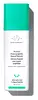
This smoothing serum is formulated around Lactic Acid and Sh-Oligopeptide-1 to refine skin texture and soften the look of wrinkles.
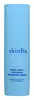
This barrier-repair serum is formulated around Niacinamide and Ceramide NP to strengthen the skin barrier and soften the look of wrinkles.


What's inside
What's inside
 Key Ingredients
Benefits
Concerns
Ingredients Side-by-side
Water
Skin ConditioningGlycerin
Humectant


Lactic Acid
Buffering









Dicaprylyl Carbonate
EmollientSqualane
Emollient
Sodium Hydroxide
BufferingGlycine Max Seed Extract
Skin ConditioningSclerocarya Birrea Seed Oil
Humectant


Camellia Sinensis Seed Oil
Humectant
Sodium PCA
Humectant
Caprylic/Capric Triglyceride
Masking
Borago Officinalis Seed Oil
Emollient
Tremella Fuciformis Polysaccharide
Emulsion Stabilising
Tocotrienols
Skin Conditioning
Sh-Oligopeptide-1
Skin Conditioning
Sh-Oligopeptide-2
Skin Conditioning
Sh-Polypeptide-1
Skin Conditioning
Sh-Polypeptide-9
Skin Conditioning
Sh-Polypeptide-11
Copper Palmitoyl Heptapeptide-14
Skin Conditioning
Heptapeptide-15 Palmitate
Skin Conditioning
Palmitoyl Tetrapeptide-7
Skin Conditioning
Palmitoyl Tripeptide-1
Skin Conditioning
Palmitoyl Tripeptide-38
Skin Conditioning
Palmitoyl Hexapeptide-12
Skin Conditioning
Tripeptide-1
Skin Conditioning
Pyrus Malus Fruit Extract
Skin Conditioning
Propanediol
Solvent
Sodium Hyaluronate
Humectant
Panthenol
Skin Conditioning
Sodium Hyaluronate Crosspolymer
Humectant
Sodium Lactate
Buffering
PCA
Humectant
Alanine
Masking
Arginine
Masking
Glycine
Buffering
Histidine
Humectant
Isoleucine
Skin ConditioningPhenylalanine
Masking
Proline
Skin Conditioning
Serine
Masking
Threonine
Valine
MaskingAdenosine
Skin Conditioning
Nymphaea Alba Root Extract
Skin ConditioningBacillus/Folic Acid Ferment Filtrate Extract
Antioxidant
Symphytum Officinale Callus Culture Extract
Skin ConditioningDextran
Oryza Sativa Bran Oil
Emollient
Linoleic Acid
Cleansing
Linolenic Acid
Cleansing

Butylene Glycol
Humectant
Acetyl Glutamine
Skin ConditioningCoconut Alkanes
Emollient
Coco-Caprylate/Caprate
Emollient
Pentylene Glycol
Skin Conditioning
Isomalt
HumectantLecithin
Emollient
Xanthan Gum
EmulsifyingAspartic Acid
Masking
Phytosphingosine
Skin Conditioning
Phospholipids
Skin Conditioning
Glycine Soja Sterols
Emollient
Tocopherol
Antioxidant
Citric Acid
Buffering
Lactic Acid/Glycolic Acid Copolymer
Skin ConditioningPolyvinyl Alcohol
Phenoxyethanol
Preservative
Sodium Benzoate
Masking
Hydroxypropyl Cyclodextrin
MaskingPolysorbate 20
Emulsifying
Caprylyl Glycol
Emollient
Phenylpropanol
Masking
Chlorphenesin
Antimicrobial
Carbomer
Emulsion StabilisingGlyceryl Caprylate
EmollientEthylhexylglycerin
Skin ConditioningWater, Glycerin, Lactic Acid, Dicaprylyl Carbonate, Squalane, Sodium Hydroxide, Glycine Max Seed Extract, Sclerocarya Birrea Seed Oil, Camellia Sinensis Seed Oil, Sodium PCA, Caprylic/Capric Triglyceride, Borago Officinalis Seed Oil, Tremella Fuciformis Polysaccharide, Tocotrienols, Sh-Oligopeptide-1, Sh-Oligopeptide-2, Sh-Polypeptide-1, Sh-Polypeptide-9, Sh-Polypeptide-11, Copper Palmitoyl Heptapeptide-14, Heptapeptide-15 Palmitate, Palmitoyl Tetrapeptide-7, Palmitoyl Tripeptide-1, Palmitoyl Tripeptide-38, Palmitoyl Hexapeptide-12, Tripeptide-1, Pyrus Malus Fruit Extract, Propanediol, Sodium Hyaluronate, Panthenol, Sodium Hyaluronate Crosspolymer, Sodium Lactate, PCA, Alanine, Arginine, Glycine, Histidine, Isoleucine, Phenylalanine, Proline, Serine, Threonine, Valine, Adenosine, Nymphaea Alba Root Extract, Bacillus/Folic Acid Ferment Filtrate Extract, Symphytum Officinale Callus Culture Extract, Dextran, Oryza Sativa Bran Oil, Linoleic Acid, Linolenic Acid, Butylene Glycol, Acetyl Glutamine, Coconut Alkanes, Coco-Caprylate/Caprate, Pentylene Glycol, Isomalt, Lecithin, Xanthan Gum, Aspartic Acid, Phytosphingosine, Phospholipids, Glycine Soja Sterols, Tocopherol, Citric Acid, Lactic Acid/Glycolic Acid Copolymer, Polyvinyl Alcohol, Phenoxyethanol, Sodium Benzoate, Hydroxypropyl Cyclodextrin, Polysorbate 20, Caprylyl Glycol, Phenylpropanol, Chlorphenesin, Carbomer, Glyceryl Caprylate, Ethylhexylglycerin
Water
Skin ConditioningCaprylyl Caprylate/Caprate
Emollient
Propanediol
Solvent
Jojoba Oil/Macadamia Seed Oil Esters
Skin Conditioning
Niacinamide
Smoothing

Glycerin
Humectant
Ammonium Acryloyldimethyltaurate/Vp Copolymer
Squalene
Emollient
Macadamia Integrifolia Seed Oil
Skin Conditioning
Amylopectin
Lecithin
Emollient
Phytosteryl Macadamiate
Skin Conditioning
Collagen Amino Acids
Moisturising
Lithothamnion Calcareum Extract
Skin ConditioningSodium Hyaluronate
Humectant
Oligopeptide-3
Skin Conditioning
Oligopeptide-2
Skin Conditioning
Oligopeptide-1
Skin Conditioning
Hexapeptide-11
Skin Conditioning
Folic Acid
Skin ConditioningBacillus/Soybean Ferment Extract
Skin ConditioningLactic Acid
Buffering
Phospholipids
Skin Conditioning
Ceramide NP
Skin Conditioning
Phytosterols
Skin Conditioning
Phytosphingosine
Skin Conditioning
Ceramide AP
Skin Conditioning
Cholesterol
Emollient
Myrica Cerifera Fruit Extract
HumectantAkebia Quinata Stem Extract
Skin ConditioningPrunus Lannesiana Flower Extract
Skin ConditioningSaccharomyces Lysate
Skin Conditioning
Lactobacillus Ferment Lysate
Skin Conditioning
Tripeptide-1
Skin Conditioning
Ceramide EOP
Skin Conditioning
Polyglutamic Acid
Skin Conditioning
Tocopheryl Acetate
Antioxidant
Tocopherol
Antioxidant
Butylene Glycol
Humectant
Caprylyl Glycol
Emollient
Sodium Lauroyl Lactylate
EmulsifyingEthylhexylglycerin
Skin ConditioningHexylene Glycol
EmulsifyingPentylene Glycol
Skin Conditioning
Acetyl Glutamine
Skin ConditioningTrisodium Ethylenediamine Disuccinate
Leuconostoc/Radish Root Ferment Filtrate
Antimicrobial
Sodium Benzoate
Masking
Hydroxyacetophenone
Antioxidant
Xanthan Gum
EmulsifyingPotassium Sorbate
Preservative
Carbomer
Emulsion Stabilising1,2-Hexanediol
Skin Conditioning
Dextran
Phenoxyethanol
Preservative
Water, Caprylyl Caprylate/Caprate, Propanediol, Jojoba Oil/Macadamia Seed Oil Esters, Niacinamide, Glycerin, Ammonium Acryloyldimethyltaurate/Vp Copolymer, Squalene, Macadamia Integrifolia Seed Oil, Amylopectin, Lecithin, Phytosteryl Macadamiate, Collagen Amino Acids, Lithothamnion Calcareum Extract, Sodium Hyaluronate, Oligopeptide-3, Oligopeptide-2, Oligopeptide-1, Hexapeptide-11, Folic Acid, Bacillus/Soybean Ferment Extract, Lactic Acid, Phospholipids, Ceramide NP, Phytosterols, Phytosphingosine, Ceramide AP, Cholesterol, Myrica Cerifera Fruit Extract, Akebia Quinata Stem Extract, Prunus Lannesiana Flower Extract, Saccharomyces Lysate, Lactobacillus Ferment Lysate, Tripeptide-1, Ceramide EOP, Polyglutamic Acid, Tocopheryl Acetate, Tocopherol, Butylene Glycol, Caprylyl Glycol, Sodium Lauroyl Lactylate, Ethylhexylglycerin, Hexylene Glycol, Pentylene Glycol, Acetyl Glutamine, Trisodium Ethylenediamine Disuccinate, Leuconostoc/Radish Root Ferment Filtrate, Sodium Benzoate, Hydroxyacetophenone, Xanthan Gum, Potassium Sorbate, Carbomer, 1,2-Hexanediol, Dextran, Phenoxyethanol
Reviews
Ingredients Explained
These ingredients are found in both products.
Ingredients higher up in an ingredient list are typically present in a larger amount.
We don't have a description for Acetyl Glutamine yet.
Butylene Glycol (or BG) is used within cosmetic products for a few different reasons:
Overall, Butylene Glycol is a safe and well-rounded ingredient that works well with other ingredients.
Though this ingredient works well with most skin types, some people with sensitive skin may experience a reaction such as allergic rashes, closed comedones, or itchiness.
Learn more about Butylene GlycolCaprylyl Glycol is a humectant, skin conditioner, emollient, and preservative booster derived from either caprylic acid or synthetically created.
Typical use levels vary from 0.3-1% as a preservative booster and go up to 2% to condition skin.
Because it is not a free-fatty acid, this ingredient is fungal acne safe (there's nothing for Malassezia to feed on).
Learn more about Caprylyl GlycolCarbomer is a synthetic thickening and gelling agent. It's basically the ingredient that gives a lot of serums, gels, creams, and sunscreens their smooth, non-sticky texture.
Although legally permitted at very high levels, carbomers are normally used at concentrations below 1%.
It also needs to be neutralized to actually thicken, and because it is a large molecule, it doesn't really penetrate the skin barrier.
Allergy-wise, the risk is very low. Clinical studies show carbomers have low potential for skin irritation/sensitization even at concentrations up to 100%.
A 2024 UK study patch-tested 1,302 patients and found true allergy to the parent group of carbomer to be rare with no confirmed relevant reactions.
Learn more about CarbomerDextran is a sugar (polysaccharide) with skin hydrating properties.
Fun fact: Louis Pasteur first discovered this ingredient as a microbial product in wine.
Ethylhexylglycerin is created from glycerin. It is a multitasker ingredient that:
The CIR Expert Panel found minimal skin absorption or sensitization of any kind in a safety assessment. Though this ingredient is considered well-tolerated, a small number of cases of allergic dermatitis have been published since 2002. Just be sure to patch test if you are unsure.
Industry-reported use ranges from 8% in rinse-off products and 2% in leave-on formulations.
Learn more about EthylhexylglycerinGlycerin (or glycerol) is a compound naturally found in your skin. It's a powerhouse humectant that pulls water into the stratum corneum.
Topically, glycerin does several things at once:
Your skin makes glycerin on its own (mostly from sebaceous oil breakdown) and shuttles it to your outermost layer of skin, or your epidermis, via aquaporin-3.
Aquaporin-3 is a transporter that is essential for normal skin hydration, elasticity, and repair. Interestingly, mice lacking in AQP3 have dry and less elastic skin that can be fully corrected with glycerin.
This ingredient is non-irritating, plays well with almost every ingredient, and works across all skin types. Typical use is anywhere between 3-10% but can go up to 79% in some leave-on products.
Just know very high concentrations (>40%) can feel tacky in low humidity.
Glycerin is the name for this ingredient in American English. British English uses Glycerol/Glycerine.
Learn more about GlycerinLactic Acid is another well-loved alpha hydroxy acid (AHA). It is gentler than glycolic acid but still highly effective.
Its main role is to exfoliate the surface of the skin by loosening the “glue” that holds dead skin cells together. Shedding those old cells leads to smoother, softer, and more even-toned skin.
Because lactic acid molecules are larger than glycolic acid, they don’t penetrate as deeply. This means they’re less likely to sting or irritate, making it a great choice for beginners or those with sensitive skin.
Like glycolic acid, it can:
Lactic acid also acts as a humectant (like hyaluronic acid). It can draw water into the skin to improve hydration and also plays a role in the skin's natural moisturizing factor (NMF) in the form of sodium lactate.
Studies show it can boost ceramide production to strengthen the skin barrier and even help balance the skin’s microbiome.
To get results, choose products with a pH between 3-4.
Lower strengths (5-12%) focus on surface exfoliation; higher strengths (12% and up) can reach deeper in the dermis (deeper, supportive layer) to improve skin texture and firmness over time.
Though it was originally derived from milk, most modern lactic acid used in skincare is vegan. It is made through non-dairy fermentation to create a bio-identical and stable form suitable for all formulations.
When lactic acid shows up near the end of an ingredient list, it usually means the brand added just a tiny amount to adjust the product’s pH.
Legend has it that Cleopatra used to bathe in sour milk to help reduce wrinkles.
Lactic acid is truly a gentle multitasker: it exfoliates, hydrates, strengthens, and brightens. It's a great ingredient for giving your skin a smooth, glowing, and healthy look without the harshness of stronger acids.
Read more about some other popular AHA's here:
Learn more about Lactic AcidLecithin is a term for a group of substances found in the cell membranes of plants, animals, and humans. They are made up of phospholipids.
Thanks to its amphiphilic structure (water-loving head and oil-loving tail), it is a true multitasker:
It plays well with most ingredients and is typically used at 0.1-1%. However, concentrations up to 50% have been reported in moisturizers.
Learn more about LecithinPentylene Glycol (1,2-pentanediol) is a multitasking little diol with three main roles in a formula:
Research on alkanediols (the family pentylene glycol belongs to) show they work by disrupting microbial cell membranes. This disruption helps the primary preservative system in a product work more effectively at lower doses.
On the safety side, the Cosmetic Ingredient Review Expert Panel has concluded this ingredient to be safe as used in current cosmetic practices + concentrations.
Typical use levels in a formula run about 1-5%.
Learn more about Pentylene GlycolPhenoxyethanol is one of the most widely used preservatives in skincare (and for good reason!).
It has a large spectrum of antimicrobial activity and especially effective bacteria, yeast, and mold while only having a weak effect on your skin's natural microbiome.
On a cellular level, it disrupts the cell membranes of microbes by poking holes that make the cell leak. This shuts down the chemical reactions the microbe needs to make energy so it can no longer survive.
Another perk of this ingredient is that it stays functional across a wide pH range (3-10).
You'll often see it paired with boosters like Ethylhexylglycerin; one study showed that a 1:9 ratio of Ethylhexylglycerin to Phenoxyethanol damages bacterial membranes as effectively as doubling the Phenoxyethanol concentration on its own.
Typical use concentrations range from 0.3-1% depending on the formula, and this ingredient is capped at 1% int the EU.
Safety-wise, the fear mongering does not hold up to the evidence. The EU's Scientific Committee on Consumer Safety and FDA consider it safe as a preservative at up to 1%, including for children of all ages.
Adverse systemic effects only showed up in animal studies at exposures roughly 200x higher than what people get from cosmetics. And despite its very widespread use, this ingredient is a rare sensitizer and allergic reactions are uncommon.
Learn more about PhenoxyethanolPhospholipids are a family of skin-identical lipids that makeup the structural backbone of every cell membrane in your body.
In cosmetics, they function as skin conditioning agents with emulsifier and surfactant properties. They're typically sourced from soybean or sunflower lecithin (or sometimes egg yolk or marine sources).
Because they mirror the lipids naturally found in the deeper layers of your skin, topical phospholipids help reinforce the lipid matrix, reduce transepidermal water loss, and leave skin feeling conditioned.
They're also used to form liposomes, or tiny self-assembling vesible used to stabilize actives like vitamin c or retinol. This helps these ingredients integrate into the upper layers of skin more easily.
Phospholipids are compatible with everything and the CIR Expert Panel has concluded them to be safe at current use levels.
Some types of phospholipids include:
Learn more about PhospholipidsPhytosphingosine is a phospholipid naturally found in our skin as a building block for ceramides.. It helps moisturize, soothe, and protect skin.
Phytosphingosine contributes to your skin's natural moisturizing factor (NMF). The NMF is responsible for hydration, a strong barrier, and plasticity. Our NMF decreases with age. Increasing NMF leads to more healthy and hydrated skin.
Studies show products formulated with NMF ingredients help strengthen our skin's barrier. Having a healthy skin barrier reduces irritation and increases hydration. Our skin barrier is responsible for having plump and firm skin. It also helps protect our skin against infection, allergies, and inflammation.
Fun fact: Phytosphingosine is abundant in plants and fungi.
More ingredients that help boost collagen in skin:
Learn more about PhytosphingosinePropanediol is an all-star ingredient. It softens, hydrates, and smooths the skin.
It’s often used to:
Propanediol is not likely to cause sensitivity and considered safe to use. It is derived from corn or petroleum with a clear color and no scent.
Learn more about PropanediolSodium Benzoate is a preservative. It's used in both cosmetic and food products to inhibit the growth of mold and bacteria. It is typically produced synthetically.
Both the US FDA and EU Health Committee have approved the use of sodium benzoate. In the US, levels of 0.1% (of the total product) are allowed.
Sodium benzoate works as a preservative by inhibiting the growth of bacteria inside of cells. It prevents the cell from fermenting a type of sugar using an enzyme called phosphofructokinase.
It is the salt of benzoic acid. Foods containing sodium benzoate include soda, salad dressings, condiments, fruit juices, wines, and snack foods.
Studies for using ascorbic acid and sodium benzoate in cosmetics are lacking, especially in skincare routines with multiple steps.
We always recommend speaking with a professional, such as a dermatologist, if you have any concerns.
Learn more about Sodium BenzoateSodium Hyaluronate is the salt form of hyaluronic acid. It is a long sugar chain that is naturally found in your skin, joints, and connective tissue that maintains hydration and elasticity.
In skincare, it works as a humectant. It pulls water from the environment and deeper layers of skin and binds it to the surface.
Interestingly, the size of the molecule affects its behavior:
Some clinical evidence links low molecular weight versions to improved wrinkle depth, elasticity, anti-inflammatory effects, and barrier repair.
Many serums use a blend of both weights so you can get surface hydration plus longer-lasting and deeper effects.
You'll typically see concentrations between 0.1-2% for this ingredient.
Learn more about Sodium HyaluronateTocopherol is a fat-soluble antioxidant known as Vitamin E.
You'll find this ingredient in the vast majority of skincare (for good reason). It works to neutralize free radicals, or unstable molecules generated by UV exposure, pollution, and other environmental stressors, before they can cause oxidative damage to your skin cells.
Topically applied tocopherol has been shown to protect against UV damage by ramping up the skin's own natural defense enzymes.
It also acts as a skin conditioning agent; some studies show that regular topical use can improve the skin's water-binding capacity over 2-4 weeks.
This ingredient is especially loved for being a team player. When combined with Vitamin C, the photoprotective effect of both ingredients roughly doubles and the combo also helps reduce UV-induced DNA damage.
This ingredient has some brightening potential but it's more of a prevention ingredient than spot-fader. Cell studies show it can slow down melanin production but it's worth noting that it's not the most powerful brightener out there.
In formulations, it also serves as a stabilizer that helps protect other oxidation-prone ingredients from degrading.
Concentrations usually range from 0.1-1% in most leave-on products.
Learn more about TocopherolTripeptide-1, also known as GHK), is a small, three-amino-acid peptide made up of glycine, histidine, and lysine.
This ingredient is a signal peptide and tell your skin to start producing fresh collagen, elastin, and other key structural proteins. This helps maintain firmness and reduces the look of fine-lines/wrinkles.
GHK is also unique because is also acts as a carrier peptide. It binds to and transports copper ions (forming the complex GHK-Cu). This form has been studied for decades and is known to stimulate wound healing, boost antioxidant defenses, and promote collagen/elastin synthesis.
In-vitro studies show both GHK and GHK-CU increase fibroblast activity that enhances the production of collagen, elastin, fibronectin, and other extracellular matrix components.
Both of these compounds also help balance enzymes that control collagen breakdown.
Human studies (in-vivo) using GHK-Cu creams have reported visible improvements to skin density, elasticity, and wrinkle depth after several weeks of use.
A small clinical study also found topical collagen tripeptide improved wrinkle appearance and skin elasticity in women after four weeks.
While these results are promising, most research is based on GHK-Cu or its derivatives rather than Tripeptide-1 alone (Palmitoyl Tripeptide-1 is a famous derivative of GHK). However, the consensus still supports GHK as a potent skin-signaling molecule that can encourage regeneration and maintain youthful looking skin.
Fun fact: GHK is a naturally occurring fragment of type 1 collagen that can be found in human plasma, saliva, and urine.
Learn more about Tripeptide-1Water. It's the most common cosmetic ingredient of all. You'll usually see it at the top of ingredient lists, meaning that it makes up the largest part of the product.
So why is it so popular? Water most often acts as a solvent - this means that it helps dissolve other ingredients into the formulation.
You'll also recognize water as that liquid we all need to stay alive. If you see this, drink a glass of water. Remember to stay hydrated!
Learn more about WaterXanthan gum is used as a stabilizer and thickener within cosmetic products. It helps give products a sticky, thick feeling - preventing them from being too runny.
On the technical side of things, xanthan gum is a polysaccharide - a combination consisting of multiple sugar molecules bonded together.
Xanthan gum is a pretty common and great ingredient. It is a natural, non-toxic, non-irritating ingredient that is also commonly used in food products.
Learn more about Xanthan Gum

