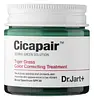
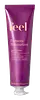
Dr. Jart+ Cicapair Tiger Grass Color Correcting Treatment SPF 30 Versus Feel Beauty Probiotic Moisturizer
This barrier-repair moisturizer is formulated around Pyrus Malus Fruit Extract and Squalane to strengthen the skin barrier and hydrate skin.


What's inside
What's inside
 Key Ingredients
Benefits
Concerns
Ingredients Side-by-side
Water
Skin ConditioningCentella Asiatica Leaf Water
Skin Conditioning


Isononyl Isononanoate
EmollientCyclopentasiloxane
Emollient
Butylene Glycol
Humectant
Dimethicone
Emollient
Phenyl Trimethicone
Skin Conditioning
Methyl Methacrylate Crosspolymer

Cera Alba
Emollient




Glycerin
Humectant
Diethylhexyl Carbonate
EmollientPolyglyceryl-3 Polyricinoleate
Emulsifying
Niacinamide
Smoothing






Polymethylsilsesquioxane
Cyclohexasiloxane
Emollient
Panthenol
Skin Conditioning
Diglycerin
Humectant
Iron Oxides
Polyglyceryl-4 Diisostearate/Polyhydroxystearate/Sebacate
Emulsifying
Isododecane
EmollientEthylene/Methacrylate Copolymer
Cetearyl Alcohol
Emollient

Polyglyceryl-2 Triisostearate
Emulsifying
Aluminum Hydroxide
EmollientStearic Acid
Cleansing
Disteardimonium Hectorite
StabilisingAcrylates/Ammonium Methacrylate Copolymer
Sclerotium Gum
Emulsion StabilisingSodium Benzoate
Masking
Acrylates/Dimethicone Copolymer
Skin Conditioning
Hydrogen Dimethicone
Chromium Oxide Greens
Triethyl Citrate
Masking

Potassium Sorbate
Preservative
Fragaria Vesca Leaf Extract
AstringentDisodium EDTA
BHT
Antioxidant
Alcohol
Antimicrobial


Asiaticoside
Antioxidant
Adenosine
Skin Conditioning
Triethoxycaprylylsilane
Lavandula Angustifolia Oil
Masking


Boron Nitride
Absorbent
Asiatic Acid
Skin Conditioning
Madecassic Acid
Skin Conditioning
Citrus Grandis Peel Oil
Masking
Rosmarinus Officinalis Leaf Oil
Masking
1,2-Hexanediol
Skin Conditioning
Anthemis Nobilis Flower Oil
Masking
Houttuynia Cordata Extract
Skin Conditioning
Propanediol
Solvent
Centella Asiatica Extract
Cleansing
Gentiana Lutea Root Extract
Skin ConditioningArtemisia Absinthium Extract
Skin ConditioningAchillea Millefolium Extract
CleansingArnica Montana Flower Extract
Masking
Polysorbate 20
Emulsifying
Aniba Rosodora Wood Oil
Astringent
Sodium Glycerophosphate
Selaginella Lepidophylla Extract
EmollientPotassium Magnesium Aspartate
BufferingCitric Acid
Buffering
Calcium Gluconate
HumectantMadecassoside
Antioxidant
Magnesium Gluconate
Skin ConditioningCentella Asiatica Meristem Cell Culture
Antioxidant
Xanthan Gum
EmulsifyingTitanium Dioxide
Cosmetic Colorant

Zinc Oxide
Cosmetic Colorant
Water, Centella Asiatica Leaf Water, Isononyl Isononanoate, Cyclopentasiloxane, Butylene Glycol, Dimethicone, Phenyl Trimethicone, Methyl Methacrylate Crosspolymer, Cera Alba, Glycerin, Diethylhexyl Carbonate, Polyglyceryl-3 Polyricinoleate, Niacinamide, Polymethylsilsesquioxane, Cyclohexasiloxane, Panthenol, Diglycerin, Iron Oxides, Polyglyceryl-4 Diisostearate/Polyhydroxystearate/Sebacate, Isododecane, Ethylene/Methacrylate Copolymer, Cetearyl Alcohol, Polyglyceryl-2 Triisostearate, Aluminum Hydroxide, Stearic Acid, Disteardimonium Hectorite, Acrylates/Ammonium Methacrylate Copolymer, Sclerotium Gum, Sodium Benzoate, Acrylates/Dimethicone Copolymer, Hydrogen Dimethicone, Chromium Oxide Greens, Triethyl Citrate, Potassium Sorbate, Fragaria Vesca Leaf Extract, Disodium EDTA, BHT, Alcohol, Asiaticoside, Adenosine, Triethoxycaprylylsilane, Lavandula Angustifolia Oil, Boron Nitride, Asiatic Acid, Madecassic Acid, Citrus Grandis Peel Oil, Rosmarinus Officinalis Leaf Oil, 1,2-Hexanediol, Anthemis Nobilis Flower Oil, Houttuynia Cordata Extract, Propanediol, Centella Asiatica Extract, Gentiana Lutea Root Extract, Artemisia Absinthium Extract, Achillea Millefolium Extract, Arnica Montana Flower Extract, Polysorbate 20, Aniba Rosodora Wood Oil, Sodium Glycerophosphate, Selaginella Lepidophylla Extract, Potassium Magnesium Aspartate, Citric Acid, Calcium Gluconate, Madecassoside, Magnesium Gluconate, Centella Asiatica Meristem Cell Culture, Xanthan Gum, Titanium Dioxide, Zinc Oxide
Water
Skin ConditioningDicaprylyl Carbonate
EmollientCetearyl Alcohol
Emollient
Candelilla/Jojoba/Rice Bran Polyglyceryl-3 Esters
Emulsifying
Pyrus Malus Fruit Extract
Skin Conditioning
Glycerin
Humectant
Isononyl Isononanoate
EmollientSqualane
Emollient
Sodium Acrylate/Sodium Acryloyldimethyl Taurate Copolymer
Emulsion StabilisingGlyceryl Stearate
Emollient
Lactobacillus Ferment
Skin Conditioning
Polysorbate 60
Emulsifying
Propanediol
Solvent
C10-18 Triglycerides
Emollient
Polymethylsilsesquioxane
Ethylhexylglycerin
Skin ConditioningCapryloyl Glycerin/Sebacic Acid Copolymer
Skin ConditioningCaprylyl Glycol
Emollient
Sodium Stearoyl Lactylate
EmulsifyingDiheptyl Succinate
EmollientPhenoxyethanol
Preservative
Glucosamine Hcl
Xanthan Gum
EmulsifyingSclerotium Gum
Emulsion StabilisingCaprylhydroxamic Acid
Camellia Sinensis Leaf Extract
Antimicrobial
Pullulan
Allantoin
Skin Conditioning
Lysolecithin
EmulsifyingLecithin
Emollient
Sodium Hyaluronate
Humectant
Tetrasodium Glutamate Diacetate
Silica
Abrasive
Tocopherol
Antioxidant
Sodium Hydroxide
BufferingWater, Dicaprylyl Carbonate, Cetearyl Alcohol, Candelilla/Jojoba/Rice Bran Polyglyceryl-3 Esters, Pyrus Malus Fruit Extract, Glycerin, Isononyl Isononanoate, Squalane, Sodium Acrylate/Sodium Acryloyldimethyl Taurate Copolymer, Glyceryl Stearate, Lactobacillus Ferment, Polysorbate 60, Propanediol, C10-18 Triglycerides, Polymethylsilsesquioxane, Ethylhexylglycerin, Capryloyl Glycerin/Sebacic Acid Copolymer, Caprylyl Glycol, Sodium Stearoyl Lactylate, Diheptyl Succinate, Phenoxyethanol, Glucosamine Hcl, Xanthan Gum, Sclerotium Gum, Caprylhydroxamic Acid, Camellia Sinensis Leaf Extract, Pullulan, Allantoin, Lysolecithin, Lecithin, Sodium Hyaluronate, Tetrasodium Glutamate Diacetate, Silica, Tocopherol, Sodium Hydroxide
Reviews
Ingredients Explained
These ingredients are found in both products.
Ingredients higher up in an ingredient list are typically present in a larger amount.
Cetearyl alcohol is a waxy mixture of two fatty alcohols: cetyl alcohol and stearyl alcohol. It is an emollient and emulsifier.
Despite having "alcohol" in its name, it has nothing to do with drying solvent alcohols; the FDA also allows "alcohol-free" products to contain fatty alcohols like this ingredient.
It plays several roles in a formula:
Typical use levels for this ingredient sit around 1-10% and the Cosmetic Ingredient Review Expert Panel has affirmed safety at concentrations up to 25% in leave-on products.
Multiple assessments have found it to be non-irritating and non-sensitizing to most people.
However, there have been some cases of allergic contact dermatitis in patients with chronically compromised skin barriers.
Cetearyl alcohol has a comedogenic rating of 2 and irritancy rating of 1. Both of these numbers come from the 1989 study that used rabbit ears; a "2" means mildly comedogenic and a "1" means low irritancy.
Here's the catch: rabbit skin is more sensitive than human skin and throws a lot of false positives. A 1996 reappraisal found that ingredients rated 1-2 in the rabbit ear tests are generally safe for humans.
Remember comedogenic ratings are unable to assess the entire formula of a product or how it will react on your skin. Just be sure to patch test if you are unsure about certain ingredients.
This ingredient is not fungal acne safe. Cetearyl alcohol is a fatty alcohol with chain lengths that fall within the range that Malassezia can metabolize.
A 2019 study has also observed Malassezia growth in the presence of this ingredient, confirming it to be not-fungal acne safe.
Learn more about Cetearyl AlcoholGlycerin (or glycerol) is a compound naturally found in your skin. It's a powerhouse humectant that pulls water into the stratum corneum.
Topically, glycerin does several things at once:
Your skin makes glycerin on its own (mostly from sebaceous oil breakdown) and shuttles it to your outermost layer of skin, or your epidermis, via aquaporin-3.
Aquaporin-3 is a transporter that is essential for normal skin hydration, elasticity, and repair. Interestingly, mice lacking in AQP3 have dry and less elastic skin that can be fully corrected with glycerin.
This ingredient is non-irritating, plays well with almost every ingredient, and works across all skin types. Typical use is anywhere between 3-10% but can go up to 79% in some leave-on products.
Just know very high concentrations (>40%) can feel tacky in low humidity.
Glycerin is the name for this ingredient in American English. British English uses Glycerol/Glycerine.
Learn more about GlycerinIsononyl Isononanoate is a synthetic skin-conditioner and texture enhancer. It is created from nonanoic acid, a fatty acid found in cocoa and lavender oil.
As an emollient, Isononyl Isononanoate helps keep your skin soft and smooth. This is because emollients create a barrier on the skin to trap moisture in.
Isononyl Isononanoate helps give products a velvet feel and improves spreadability.
Learn more about Isononyl IsononanoatePolymethylsilsesquioxane is a silicone used as a film forming agent.
When applied to the skin, this ingredient creates an invisible film on the surface. This film still allows oxygen to pass through, but prevents moisture from escaping. This can help condition and hydrate the skin. It also leaves a silky feel when applied.
Polymethylsilsesquioxane has not been shown to clog pores. It has been deemed safe to use up to 55%, but most cosmetics use much less.
If you have concerns about using this ingredient, we recommend speaking with a professional.
Learn more about PolymethylsilsesquioxanePropanediol is an all-star ingredient. It softens, hydrates, and smooths the skin.
It’s often used to:
Propanediol is not likely to cause sensitivity and considered safe to use. It is derived from corn or petroleum with a clear color and no scent.
Learn more about PropanediolSclerotium Gum is a natural sugar-based fiber made by fermenting a fungus called Sclerotium rolfsii. It's often used as the plant-friendly alternative for synthetic thickeners like carbomer.
In skincare, it works as a thickener, gel former, and stabilizer that keeps heavy ingredients suspended so a product does not separate.
It is non-ionic and forms a triple helix in solution. This is just a fancy way of saying it builds a smooth, cushiony, and non-sticky gel that feels silkier than many other gums.
Another perk of this ingredient is that it is very sturdy and holds up across a wide pH range (~2-11). It's also good at resisting heat and hydrolysis.
Since it holds water at the skin surface, it can provide some light hydration as well.
Typical use levels are around 0.25-2%; formulators usually use 0.2-0.5% to thicken lotions and up to 2% for a firmer gel base.
This ingredient has been found safe in cosmetics with no meaningful evidence of skin sensitization.
Learn more about Sclerotium GumWater. It's the most common cosmetic ingredient of all. You'll usually see it at the top of ingredient lists, meaning that it makes up the largest part of the product.
So why is it so popular? Water most often acts as a solvent - this means that it helps dissolve other ingredients into the formulation.
You'll also recognize water as that liquid we all need to stay alive. If you see this, drink a glass of water. Remember to stay hydrated!
Learn more about WaterXanthan gum is used as a stabilizer and thickener within cosmetic products. It helps give products a sticky, thick feeling - preventing them from being too runny.
On the technical side of things, xanthan gum is a polysaccharide - a combination consisting of multiple sugar molecules bonded together.
Xanthan gum is a pretty common and great ingredient. It is a natural, non-toxic, non-irritating ingredient that is also commonly used in food products.
Learn more about Xanthan Gum

