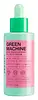
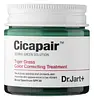
iNNBEAUTY PROJECT Green Machine Skin Transforming Oil Jelly Serum Versus Dr. Jart+ Cicapair Tiger Grass Color Correcting Treatment SPF 30
This brightening serum is formulated around Tranexamic Acid and Niacinamide to fade the look of dark spots and calm redness.


What's inside
What's inside
 Key Ingredients
Benefits
Concerns
Ingredients Side-by-side
Aloe Barbadensis Leaf Juice
Skin Conditioning


Glycerin
Humectant

Water
Skin ConditioningHelianthus Annuus Seed Oil
Emollient


Tranexamic Acid
Astringent


Isosorbide Dicaprylate
Skin ConditioningNiacinamide
Smoothing





Cannabis Sativa Seed Oil
Emollient
Chenopodium Quinoa Seed Oil
Emollient
Tetrahexyldecyl Ascorbate
Antioxidant

Xanthan Gum
EmulsifyingKojic Acid
Antioxidant
Lactic Acid
Buffering


Alpha-Arbutin
Antioxidant
Arthrospira Platensis Extract
Antioxidant
Persea Gratissima Oil
Skin Conditioning
Crithmum Maritimum Callus Culture Filtrate
Skin ProtectingPunica Granatum Seed Extract
Skin ConditioningCollagen Amino Acids
Moisturising
Potassium Azeloyl Diglycinate
Skin Conditioning
Brassica Oleracea Acephala Leaf Extract
HumectantSpinacia Oleracea Leaf Extract
Skin ConditioningMoringa Oleifera Seed Oil
Emollient
Sodium Hyaluronate
Humectant
Melia Azadirachta Leaf Extract
Skin ConditioningMelia Azadirachta Flower Extract
Skin ConditioningOcimum Sanctum Leaf Extract
Skin ConditioningCucumis Sativus Fruit Extract
Emollient
Origanum Vulgare Oil
Masking
Thymus Vulgaris Oil
Masking

Curcuma Longa Leaf Extract
Skin ConditioningPinus Pinaster Bark Extract
Antioxidant
Boerhavia Diffusa Root Extract
Skin Protecting
Solanum Melongena Fruit Extract
Skin ConditioningCorallina Officinalis Extract
Skin Conditioning
Chondrus Crispus Extract
Skin Conditioning
Coccinia Indica Fruit Extract
Skin Conditioning
Citric Acid
Buffering
Caprylyl Glycol
Emollient
Butylene Glycol
Humectant
Maltodextrin
Absorbent
Leuconostoc/Radish Root Ferment Filtrate
Antimicrobial
1,2-Hexanediol
Skin Conditioning
Potassium Sorbate
Preservative
Sodium Benzoate
Masking
Amber Powder
Hydroxyacetophenone
Antioxidant
Aloe Barbadensis Leaf Juice, Glycerin, Water, Helianthus Annuus Seed Oil, Tranexamic Acid, Isosorbide Dicaprylate, Niacinamide, Cannabis Sativa Seed Oil, Chenopodium Quinoa Seed Oil, Tetrahexyldecyl Ascorbate, Xanthan Gum, Kojic Acid, Lactic Acid, Alpha-Arbutin, Arthrospira Platensis Extract, Persea Gratissima Oil, Crithmum Maritimum Callus Culture Filtrate, Punica Granatum Seed Extract, Collagen Amino Acids, Potassium Azeloyl Diglycinate, Brassica Oleracea Acephala Leaf Extract, Spinacia Oleracea Leaf Extract, Moringa Oleifera Seed Oil, Sodium Hyaluronate, Melia Azadirachta Leaf Extract, Melia Azadirachta Flower Extract, Ocimum Sanctum Leaf Extract, Cucumis Sativus Fruit Extract, Origanum Vulgare Oil, Thymus Vulgaris Oil, Curcuma Longa Leaf Extract, Pinus Pinaster Bark Extract, Boerhavia Diffusa Root Extract, Solanum Melongena Fruit Extract, Corallina Officinalis Extract, Chondrus Crispus Extract, Coccinia Indica Fruit Extract, Citric Acid, Caprylyl Glycol, Butylene Glycol, Maltodextrin, Leuconostoc/Radish Root Ferment Filtrate, 1,2-Hexanediol, Potassium Sorbate, Sodium Benzoate, Amber Powder, Hydroxyacetophenone
Water
Skin ConditioningCentella Asiatica Leaf Water
Skin Conditioning
Isononyl Isononanoate
EmollientCyclopentasiloxane
Emollient
Butylene Glycol
Humectant
Dimethicone
Emollient
Phenyl Trimethicone
Skin Conditioning
Methyl Methacrylate Crosspolymer
Cera Alba
Emollient

Glycerin
Humectant
Diethylhexyl Carbonate
EmollientPolyglyceryl-3 Polyricinoleate
Emulsifying
Niacinamide
Smoothing
Polymethylsilsesquioxane
Cyclohexasiloxane
Emollient
Panthenol
Skin Conditioning
Diglycerin
Humectant
Iron Oxides
Polyglyceryl-4 Diisostearate/Polyhydroxystearate/Sebacate
Emulsifying
Isododecane
EmollientEthylene/Methacrylate Copolymer
Cetearyl Alcohol
Emollient
Polyglyceryl-2 Triisostearate
Emulsifying
Aluminum Hydroxide
EmollientStearic Acid
Cleansing
Disteardimonium Hectorite
StabilisingAcrylates/Ammonium Methacrylate Copolymer
Sclerotium Gum
Emulsion StabilisingSodium Benzoate
Masking
Acrylates/Dimethicone Copolymer
Skin Conditioning
Hydrogen Dimethicone
Chromium Oxide Greens
Triethyl Citrate
Masking
Potassium Sorbate
Preservative
Fragaria Vesca Leaf Extract
AstringentDisodium EDTA
BHT
Antioxidant
Alcohol
Antimicrobial

Asiaticoside
Antioxidant
Adenosine
Skin Conditioning
Triethoxycaprylylsilane
Lavandula Angustifolia Oil
Masking
Boron Nitride
Absorbent
Asiatic Acid
Skin Conditioning
Madecassic Acid
Skin Conditioning
Citrus Grandis Peel Oil
Masking
Rosmarinus Officinalis Leaf Oil
Masking
1,2-Hexanediol
Skin Conditioning
Anthemis Nobilis Flower Oil
Masking
Houttuynia Cordata Extract
Skin Conditioning
Propanediol
Solvent
Centella Asiatica Extract
Cleansing
Gentiana Lutea Root Extract
Skin ConditioningArtemisia Absinthium Extract
Skin ConditioningAchillea Millefolium Extract
Cleansing
Arnica Montana Flower Extract
Masking
Polysorbate 20
Emulsifying
Aniba Rosodora Wood Oil
Astringent
Sodium Glycerophosphate
Selaginella Lepidophylla Extract
EmollientPotassium Magnesium Aspartate
BufferingCitric Acid
Buffering
Calcium Gluconate
HumectantMadecassoside
Antioxidant
Magnesium Gluconate
Skin ConditioningCentella Asiatica Meristem Cell Culture
Antioxidant
Xanthan Gum
EmulsifyingTitanium Dioxide
Cosmetic Colorant

Zinc Oxide
Cosmetic Colorant
Water, Centella Asiatica Leaf Water, Isononyl Isononanoate, Cyclopentasiloxane, Butylene Glycol, Dimethicone, Phenyl Trimethicone, Methyl Methacrylate Crosspolymer, Cera Alba, Glycerin, Diethylhexyl Carbonate, Polyglyceryl-3 Polyricinoleate, Niacinamide, Polymethylsilsesquioxane, Cyclohexasiloxane, Panthenol, Diglycerin, Iron Oxides, Polyglyceryl-4 Diisostearate/Polyhydroxystearate/Sebacate, Isododecane, Ethylene/Methacrylate Copolymer, Cetearyl Alcohol, Polyglyceryl-2 Triisostearate, Aluminum Hydroxide, Stearic Acid, Disteardimonium Hectorite, Acrylates/Ammonium Methacrylate Copolymer, Sclerotium Gum, Sodium Benzoate, Acrylates/Dimethicone Copolymer, Hydrogen Dimethicone, Chromium Oxide Greens, Triethyl Citrate, Potassium Sorbate, Fragaria Vesca Leaf Extract, Disodium EDTA, BHT, Alcohol, Asiaticoside, Adenosine, Triethoxycaprylylsilane, Lavandula Angustifolia Oil, Boron Nitride, Asiatic Acid, Madecassic Acid, Citrus Grandis Peel Oil, Rosmarinus Officinalis Leaf Oil, 1,2-Hexanediol, Anthemis Nobilis Flower Oil, Houttuynia Cordata Extract, Propanediol, Centella Asiatica Extract, Gentiana Lutea Root Extract, Artemisia Absinthium Extract, Achillea Millefolium Extract, Arnica Montana Flower Extract, Polysorbate 20, Aniba Rosodora Wood Oil, Sodium Glycerophosphate, Selaginella Lepidophylla Extract, Potassium Magnesium Aspartate, Citric Acid, Calcium Gluconate, Madecassoside, Magnesium Gluconate, Centella Asiatica Meristem Cell Culture, Xanthan Gum, Titanium Dioxide, Zinc Oxide
Reviews
Ingredients Explained
These ingredients are found in both products.
Ingredients higher up in an ingredient list are typically present in a larger amount.
1,2-Hexanediol is a synthetic liquid and another multi-functional powerhouse.
It is a:
- Humectant, drawing moisture into the skin
- Emollient, helping to soften skin
- Solvent, dispersing and stabilizing formulas
- Preservative booster, enhancing the antimicrobial activity of other preservatives
Butylene Glycol (or BG) is used within cosmetic products for a few different reasons:
Overall, Butylene Glycol is a safe and well-rounded ingredient that works well with other ingredients.
Though this ingredient works well with most skin types, some people with sensitive skin may experience a reaction such as allergic rashes, closed comedones, or itchiness.
Learn more about Butylene GlycolCitric Acid is an alpha hydroxy acid (AHA) naturally found in citrus fruits like oranges, lemons, and limes.
Like other AHAs, citric acid can exfoliate skin by breaking down the bonds that hold dead skin cells together. This helps reveal smoother and brighter skin underneath.
However, this exfoliating effect only happens at high concentrations (20%) which can be hard to find in cosmetic products.
Due to this, citric acid is usually included in small amounts as a pH adjuster. This helps keep products slightly more acidic and compatible with skin's natural pH.
In skincare formulas, citric acid can:
While it can provide some skin benefits, research shows lactic acid and glycolic acid are generally more effective and less irritating exfoliants.
Most citric acid used in skincare today is made by fermenting sugars (usually from molasses). This synthetic version is identical to the natural citrus form but easier to stabilize and use in formulations.
Rosacea skin has a lower threshold for acids generally, with 62.5% of rosacea subjects in one study reacting to lactic acid in a sting test. This is why we mark citric acid as a potential rosacea trigger.
However, this ingredient shows up as a pH adjuster or chelator at roughly 0.1-1% in many products. These low levels are unlikely to be an issue for rosacea skin and becomes a potential trigger at exfoliating concentrations (20%). Because everybody's skin is unique, we recommend a patch test if you are unsure.
Learn more about Citric AcidGlycerin (or glycerol) is a compound naturally found in your skin. It's a powerhouse humectant that pulls water into the stratum corneum.
Topically, glycerin does several things at once:
Your skin makes glycerin on its own (mostly from sebaceous oil breakdown) and shuttles it to your outermost layer of skin, or your epidermis, via aquaporin-3.
Aquaporin-3 is a transporter that is essential for normal skin hydration, elasticity, and repair. Interestingly, mice lacking in AQP3 have dry and less elastic skin that can be fully corrected with glycerin.
This ingredient is non-irritating, plays well with almost every ingredient, and works across all skin types. Typical use is anywhere between 3-10% but can go up to 79% in some leave-on products.
Just know very high concentrations (>40%) can feel tacky in low humidity.
Glycerin is the name for this ingredient in American English. British English uses Glycerol/Glycerine.
Learn more about GlycerinNiacinamide is a multitasking form of vitamin B3 that strengthens the skin barrier, reduces pores and dark spots, regulates oil, and improves signs of aging.
And the best part? It's gentle and well-tolerated by most skin types, including sensitive and reactive skin.
You might have heard of "niacin flush", or the reddening of skin that causes itchiness. Niacinamide has not been found to cause this.
In very rare cases, some individuals may not be able to tolerate niacinamide at all or experience an allergic reaction to it.
If you are experiencing flaking, irritation, and dryness with this ingredient, be sure to double check all your products as this ingredient can be found in all categories of skincare.
When incorporating niacinamide into your routine, look out for concentration amounts. Typically, 5% niacinamide provides benefits such as fading dark spots. However, if you have sensitive skin, it is better to begin with a smaller concentration.
When you apply niacinamide to your skin, your body converts it into nicotinamide adenine dinucleotide (NAD). NAD is an essential coenzyme that is already found in your cells as "fuel" and powers countless biological processes.
In your skin, NAD helps repair cell damage, produce new healthy cells, support collagen production, strengthen the skin barrier, and fight environmental stressors (like UV and pollution).
Our natural NAD levels start to decline with age, leading to slower skin repair, visible aging, and a weaker skin barrier. By providing your skin niacinamide, you're recharging your skin's NAD levels. This leads to stronger, healthier, and younger looking skin.
Another name for vitamin B3 is nicotinamide. This vitamin is water-soluble and our bodies don't store it. We obtain Vitamin B3 from either food or skincare. Meat, fish, wheat, yeast, and leafy greens contain vitamin B3.
The type of niacinamide used in skincare is synthetically created.
Learn more about NiacinamidePotassium Sorbate is a preservative used to prevent yeast and mold in products. It is commonly found in both cosmetic and food products.
This ingredient comes from potassium salt derived from sorbic acid. Sorbic acid is a natural antibiotic and effective against fungus.
Both potassium sorbate and sorbic acid can be found in baked goods, cheeses, dried meats, dried fruit, ice cream, pickles, wine, yogurt, and more.
You'll often find this ingredient used with other preservatives.
Learn more about Potassium SorbateSodium Benzoate is a preservative. It's used in both cosmetic and food products to inhibit the growth of mold and bacteria. It is typically produced synthetically.
Both the US FDA and EU Health Committee have approved the use of sodium benzoate. In the US, levels of 0.1% (of the total product) are allowed.
Sodium benzoate works as a preservative by inhibiting the growth of bacteria inside of cells. It prevents the cell from fermenting a type of sugar using an enzyme called phosphofructokinase.
It is the salt of benzoic acid. Foods containing sodium benzoate include soda, salad dressings, condiments, fruit juices, wines, and snack foods.
Studies for using ascorbic acid and sodium benzoate in cosmetics are lacking, especially in skincare routines with multiple steps.
We always recommend speaking with a professional, such as a dermatologist, if you have any concerns.
Learn more about Sodium BenzoateWater. It's the most common cosmetic ingredient of all. You'll usually see it at the top of ingredient lists, meaning that it makes up the largest part of the product.
So why is it so popular? Water most often acts as a solvent - this means that it helps dissolve other ingredients into the formulation.
You'll also recognize water as that liquid we all need to stay alive. If you see this, drink a glass of water. Remember to stay hydrated!
Learn more about WaterXanthan gum is used as a stabilizer and thickener within cosmetic products. It helps give products a sticky, thick feeling - preventing them from being too runny.
On the technical side of things, xanthan gum is a polysaccharide - a combination consisting of multiple sugar molecules bonded together.
Xanthan gum is a pretty common and great ingredient. It is a natural, non-toxic, non-irritating ingredient that is also commonly used in food products.
Learn more about Xanthan Gum

