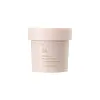
This hydrating overnight mask is formulated around Niacinamide and Camellia Sinensis Leaf Extract to hydrate skin and strengthen the skin barrier.
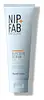
This smoothing exfoliator is formulated around Glycolic Acid and Salicylic Acid to refine skin texture and brighten dull-looking skin.


What's inside
What's inside
 Key Ingredients
Benefits
Concerns
Ingredients Side-by-side
Water
Skin ConditioningGlycerin
Humectant


Butyrospermum Parkii Butter
Skin Conditioning




Cocos Nucifera Oil
Masking


Ethylhexyl Palmitate
Emollient
Coco-Caprylate/Caprate
Emollient
Butylene Glycol
Humectant
Cetearyl Alcohol
Emollient
Hydrogenated Poly(C6-14 Olefin)
EmollientMacadamia Integrifolia Seed Oil
Skin Conditioning
Niacinamide
Smoothing









Arachidyl Alcohol
Emollient
Methylpropanediol
SolventPolyglyceryl-3 Distearate
Emulsifying
1,2-Hexanediol
Skin Conditioning
Behenyl Alcohol
Emollient
Hydroxyethyl Acrylate/Sodium Acryloyldimethyl Taurate Copolymer
Emulsion StabilisingHydroxyacetophenone
Antioxidant
Silica
Abrasive
Squalane
Emollient
Polyglyceryl-10 Laurate
Skin Conditioning
Olea Europaea Fruit Oil
Masking
Sodium Stearoyl Glutamate
CleansingArachidyl Glucoside
EmulsifyingGlyceryl Stearate
Emollient
Jojoba Esters
Emollient
Camellia Sinensis Leaf Extract
Antimicrobial
Saccharomyces Ferment Filtrate
Humectant
Carbomer
Emulsion StabilisingHelianthus Annuus Seed Wax
Skin Conditioning
Tromethamine
BufferingCamellia Sinensis Leaf Water
Masking
Dipropylene Glycol
HumectantEclipta Prostrata Leaf Extract
Skin ConditioningGlyceryl Stearate Citrate
Emollient
Laminaria Japonica Extract
Skin Protecting
Hydrogenated Olive Oil Unsaponifiables
Emollient
Adenosine
Skin Conditioning
Dextrin
AbsorbentTheobroma Cacao Seed Extract
Antioxidant
Sorbitan Isostearate
Emulsifying
Disodium EDTA
ChelatingAbies Sibirica Oil
Masking

Sodium Laurate
CleansingBakuchiol
Antimicrobial
Fructooligosaccharides
Humectant
Helianthus Annuus Seed Oil Unsaponifiables
Emollient
Hydrogenated Lecithin
Emulsifying
Polyglycerin-3
Humectant
Beta-Glucan
Skin Conditioning
Lauric Acid
Cleansing
Rosmarinus Officinalis Leaf Oil
Masking
Salvia Sclarea Oil
Masking
Centella Asiatica Extract
Cleansing
Ficus Carica Fruit Extract
Humectant
Glucose
Humectant
Pelargonium Graveolens Flower Oil
Masking
Schisandra Chinensis Fruit Extract
Skin Conditioning
Hydrolyzed Hyaluronic Acid
Humectant
Eugenia Caryophyllus Leaf Oil
Masking
Tocopherol
Antioxidant
Anthemis Nobilis Flower Oil
Masking
Ceramide NP
Skin Conditioning
Chamomilla Recutita Flower Oil
Masking
Juniperus Mexicana Oil
Masking
Pogostemon Cablin Leaf Oil
Masking
Water, Glycerin, Butyrospermum Parkii Butter, Cocos Nucifera Oil, Ethylhexyl Palmitate, Coco-Caprylate/Caprate, Butylene Glycol, Cetearyl Alcohol, Hydrogenated Poly(C6-14 Olefin), Macadamia Integrifolia Seed Oil, Niacinamide, Arachidyl Alcohol, Methylpropanediol, Polyglyceryl-3 Distearate, 1,2-Hexanediol, Behenyl Alcohol, Hydroxyethyl Acrylate/Sodium Acryloyldimethyl Taurate Copolymer, Hydroxyacetophenone, Silica, Squalane, Polyglyceryl-10 Laurate, Olea Europaea Fruit Oil, Sodium Stearoyl Glutamate, Arachidyl Glucoside, Glyceryl Stearate, Jojoba Esters, Camellia Sinensis Leaf Extract, Saccharomyces Ferment Filtrate, Carbomer, Helianthus Annuus Seed Wax, Tromethamine, Camellia Sinensis Leaf Water, Dipropylene Glycol, Eclipta Prostrata Leaf Extract, Glyceryl Stearate Citrate, Laminaria Japonica Extract, Hydrogenated Olive Oil Unsaponifiables, Adenosine, Dextrin, Theobroma Cacao Seed Extract, Sorbitan Isostearate, Disodium EDTA, Abies Sibirica Oil, Sodium Laurate, Bakuchiol, Fructooligosaccharides, Helianthus Annuus Seed Oil Unsaponifiables, Hydrogenated Lecithin, Polyglycerin-3, Beta-Glucan, Lauric Acid, Rosmarinus Officinalis Leaf Oil, Salvia Sclarea Oil, Centella Asiatica Extract, Ficus Carica Fruit Extract, Glucose, Pelargonium Graveolens Flower Oil, Schisandra Chinensis Fruit Extract, Hydrolyzed Hyaluronic Acid, Eugenia Caryophyllus Leaf Oil, Tocopherol, Anthemis Nobilis Flower Oil, Ceramide NP, Chamomilla Recutita Flower Oil, Juniperus Mexicana Oil, Pogostemon Cablin Leaf Oil
Water
Skin ConditioningHydrated Silica
Abrasive
Cetearyl Alcohol
Emollient
Caprylic/Capric Triglyceride
Masking
Triethanolamine
BufferingGlycolic Acid
Buffering
Glycerin
Humectant
Glyceryl Stearate
Emollient
PEG-100 Stearate
Surfactant
Butyrospermum Parkii Butter
Skin Conditioning
Prunus Amygdalus Dulcis Oil
Skin Conditioning
Phenoxyethanol
Preservative
Parfum
Masking
Xanthan Gum
EmulsifyingDisodium EDTA
ChelatingSalicylic Acid
Masking

Aloe Barbadensis Leaf Juice
Skin Conditioning
Dehydroacetic Acid
Preservative
Tocopheryl Acetate
Antioxidant
Citric Acid
Buffering
Potassium Sorbate
Preservative
Sodium Benzoate
Masking
Sodium Sulfite
Preservative
Benzyl Alcohol
Perfuming
Limonene
Perfuming
Benzyl Benzoate
Antimicrobial
Geraniol
Perfuming
Butylphenyl Methylpropional
Perfuming
CI 42090
Cosmetic ColorantWater, Hydrated Silica, Cetearyl Alcohol, Caprylic/Capric Triglyceride, Triethanolamine, Glycolic Acid, Glycerin, Glyceryl Stearate, PEG-100 Stearate, Butyrospermum Parkii Butter, Prunus Amygdalus Dulcis Oil, Phenoxyethanol, Parfum, Xanthan Gum, Disodium EDTA, Salicylic Acid, Aloe Barbadensis Leaf Juice, Dehydroacetic Acid, Tocopheryl Acetate, Citric Acid, Potassium Sorbate, Sodium Benzoate, Sodium Sulfite, Benzyl Alcohol, Limonene, Benzyl Benzoate, Geraniol, Butylphenyl Methylpropional, CI 42090
Ingredients Explained
These ingredients are found in both products.
Ingredients higher up in an ingredient list are typically present in a larger amount.
This ingredient is also known as shea butter. It is a plant-derived extract from the nuts of the Africa shea tree and one of the most well-studied emollients.
Because it has a high concentration of fatty acids (primarily oleic, stearic, and linoleic) it is able to form a protective barrier on the skin's surface. This helps seal in moisture and prevents transepidermal water loss (TEWL).
In vitro research found an increase in skin hydration by 58% and a decrease in TEWL by 37.8% after 24 hours of applying this ingredient (pretty impressive for a single ingredient!).
Besides hydration, shea butter also contains triterpenes that have anti-inflammatory potential. In particule, lupeol cinnamate has shown the highest anti-inflammatory activity in vivo.
Shea butter also contains vitamins A and E which may contribute to antioxidant activity.
While Shea Butter has an SPF rating of about 3-4, it is not a sunscreen replacement.
This ingredient may not be fungal acne safe because its fatty acids fall within the C11-C24 range that the Malassezia yeast can metabolize.
This ingredient shows up on a lot of "pore-clogging" lists but there's no real evidence behind that. It doesn't even have a comedogenic rating from an actual study; the numbers you'll find online come from blogs citing other blogs.
Ratings for other ingredients mostly come from a 1980s rabbit ear test. This test doesn't translate well to human skin or to real products because the ingredient sits at a much lower percentage.
Some people still find it breaks them out. So if that's you, definitely trust your skin. Just know this one's based on experience and not evidence.
Learn more about Butyrospermum Parkii ButterCetearyl alcohol is a waxy mixture of two fatty alcohols: cetyl alcohol and stearyl alcohol. It is an emollient and emulsifier.
Despite having "alcohol" in its name, it has nothing to do with drying solvent alcohols; the FDA also allows "alcohol-free" products to contain fatty alcohols like this ingredient.
It plays several roles in a formula:
Typical use levels for this ingredient sit around 1-10% and the Cosmetic Ingredient Review Expert Panel has affirmed safety at concentrations up to 25% in leave-on products.
Multiple assessments have found it to be non-irritating and non-sensitizing to most people.
However, there have been some cases of allergic contact dermatitis in patients with chronically compromised skin barriers.
Cetearyl alcohol has a comedogenic rating of 2 and irritancy rating of 1. Both of these numbers come from the 1989 study that used rabbit ears; a "2" means mildly comedogenic and a "1" means low irritancy.
Here's the catch: rabbit skin is more sensitive than human skin and throws a lot of false positives. A 1996 reappraisal found that ingredients rated 1-2 in the rabbit ear tests are generally safe for humans.
Remember comedogenic ratings are unable to assess the entire formula of a product or how it will react on your skin. Just be sure to patch test if you are unsure about certain ingredients.
This ingredient is not fungal acne safe. Cetearyl alcohol is a fatty alcohol with chain lengths that fall within the range that Malassezia can metabolize.
A 2019 study has also observed Malassezia growth in the presence of this ingredient, confirming it to be not-fungal acne safe.
Learn more about Cetearyl AlcoholDisodium EDTA is a chelating agent. It grabs onto and deactivates metal ions that sneak into your products from water, packaging, or air.
This ingredient mainly works behind the scenes and helps with:
On top of that, this ingredient can counteract the effects of hard water by binding to the minerals in it.
One thing worth knowing is that Disodium EDTA has been shown to be a mild penetration enhancer. It can help other ingredients absorb into skin more effectively which can be a double-edged sword (great for actives, but can also make the active too strong if you have sensitive skin).
Clinical patch testing showed no significant skin irritation at typical use concentrations and minimal dermal absorption.
You'll most likely see this ingredient near the end of an ingredient list. It's typically found in concentrations less than 1%.
Learn more about Disodium EDTAGlycerin (or glycerol) is a compound naturally found in your skin. It's a powerhouse humectant that pulls water into the stratum corneum.
Topically, glycerin does several things at once:
Your skin makes glycerin on its own (mostly from sebaceous oil breakdown) and shuttles it to your outermost layer of skin, or your epidermis, via aquaporin-3.
Aquaporin-3 is a transporter that is essential for normal skin hydration, elasticity, and repair. Interestingly, mice lacking in AQP3 have dry and less elastic skin that can be fully corrected with glycerin.
This ingredient is non-irritating, plays well with almost every ingredient, and works across all skin types. Typical use is anywhere between 3-10% but can go up to 79% in some leave-on products.
Just know very high concentrations (>40%) can feel tacky in low humidity.
Glycerin is the name for this ingredient in American English. British English uses Glycerol/Glycerine.
Learn more about GlycerinGlyceryl Stearate is made by reacting glycerin with stearic acid (typically sourced from plant oils like palm or coconut). It's an emulsifier, emollient, and mild occlusive.
Emulsifiers help ingredients like oil and water stay mixed so your formula stays nicely blended and uniform in texture.
This ingredient is typically used in concentrations between 1-10%. Studies have found it to be non-sensitizing, non-phototoxic, and non-photoallergenic.
A close cousin of this ingredient is Glyceryl Stearate SE ("self-emulsifying"). This just has a small amount of sodium or potassium stearate added so it can emulsify without a co-emulsifier.
Since this ingredient is an ester of a C18 fatty acid, it may not be fungal acne safe. The Malassezia yeast can potentially metabolize within the C11-C24 range.
Fun fact: The human body also creates Glyceryl Stearate naturally.
Learn more about Glyceryl StearateWater. It's the most common cosmetic ingredient of all. You'll usually see it at the top of ingredient lists, meaning that it makes up the largest part of the product.
So why is it so popular? Water most often acts as a solvent - this means that it helps dissolve other ingredients into the formulation.
You'll also recognize water as that liquid we all need to stay alive. If you see this, drink a glass of water. Remember to stay hydrated!
Learn more about Water

