Dr. Althea Resveratrol 345NA Intensive Repair Cream Versus Dr.G R.E.D Blemish For Men All In One Cream
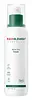
This barrier-repair moisturizer is formulated around Centella Asiatica Leaf Extract and Resveratrol to strengthen the skin barrier and calm redness.
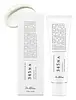
This calming moisturizer is formulated around Niacinamide and Panthenol to calm redness and clear breakouts.

What's inside
What's inside
 Key Ingredients
Benefits
Concerns
Ingredients Side-by-side
Water
Skin ConditioningPropanediol
Solvent

Glycerin
Humectant
Cyclohexasiloxane
Emollient
1,2-Hexanediol
Skin Conditioning
Caprylic/Capric Triglyceride
Masking
Dicaprylyl Carbonate
EmollientPolyglycerin-3
Humectant
Polyglyceryl-10 Stearate
Skin Conditioning

Hydrogenated Polydecene
EmollientLaminaria Japonica Extract
Skin Protecting

Eclipta Prostrata Leaf Extract
Skin ConditioningOenothera Biennis Flower Extract
AstringentPerilla Ocymoides Leaf Extract
TonicLavandula Angustifolia Flower Extract
Cleansing

Sargassum Fulvellum Extract
Skin ConditioningCentella Asiatica Leaf Extract
Skin Conditioning
Gardenia Florida Fruit Extract
Skin ConditioningCalendula Officinalis Flower Extract
Masking
Melia Azadirachta Flower Extract
Skin ConditioningHouttuynia Cordata Extract
Skin Conditioning
Melia Azadirachta Leaf Extract
Skin ConditioningCurcuma Longa Root Extract
Antioxidant
Ocimum Sanctum Leaf Extract
Skin ConditioningAgave Tequilana Leaf Extract
AstringentCorallina Officinalis Extract
Skin Conditioning

Hibiscus Sabdariffa Flower Extract
Skin ConditioningSodium Hyaluronate
Humectant
Hydrogenated Lecithin
Emulsifying
Pelargonium Graveolens Flower Oil
Masking

Empetrum Nigrum Fruit Juice
Skin ConditioningAmmonium Acryloyldimethyltaurate/Vp Copolymer
C14-22 Alcohols
Emulsion Stabilising
C12-20 Alkyl Glucoside
EmulsifyingAcrylates/C10-30 Alkyl Acrylate Crosspolymer
Emulsion StabilisingButylene Glycol
Humectant
Polyquaternium-51
Skin Conditioning
Tromethamine
BufferingFructooligosaccharides
Humectant
Adenosine
Skin Conditioning
Beta-Glucan
Skin Conditioning
Glycine Soja Sterols
Emollient
Hydrolyzed Hyaluronic Acid
Humectant
Resveratrol
Antioxidant
Glucose
Humectant
Oligopeptide-1
Skin Conditioning


Ceramide NP
Skin Conditioning
PEG-40 Castor Oil
Emulsifying
Ethylhexylglycerin
Skin ConditioningCitronellol
Perfuming
Geraniol
Perfuming
Linalool
Perfuming
Water, Propanediol, Glycerin, Cyclohexasiloxane, 1,2-Hexanediol, Caprylic/Capric Triglyceride, Dicaprylyl Carbonate, Polyglycerin-3, Polyglyceryl-10 Stearate, Hydrogenated Polydecene, Laminaria Japonica Extract, Eclipta Prostrata Leaf Extract, Oenothera Biennis Flower Extract, Perilla Ocymoides Leaf Extract, Lavandula Angustifolia Flower Extract, Sargassum Fulvellum Extract, Centella Asiatica Leaf Extract, Gardenia Florida Fruit Extract, Calendula Officinalis Flower Extract, Melia Azadirachta Flower Extract, Houttuynia Cordata Extract, Melia Azadirachta Leaf Extract, Curcuma Longa Root Extract, Ocimum Sanctum Leaf Extract, Agave Tequilana Leaf Extract, Corallina Officinalis Extract, Hibiscus Sabdariffa Flower Extract, Sodium Hyaluronate, Hydrogenated Lecithin, Pelargonium Graveolens Flower Oil, Empetrum Nigrum Fruit Juice, Ammonium Acryloyldimethyltaurate/Vp Copolymer, C14-22 Alcohols, C12-20 Alkyl Glucoside, Acrylates/C10-30 Alkyl Acrylate Crosspolymer, Butylene Glycol, Polyquaternium-51, Tromethamine, Fructooligosaccharides, Adenosine, Beta-Glucan, Glycine Soja Sterols, Hydrolyzed Hyaluronic Acid, Resveratrol, Glucose, Oligopeptide-1, Ceramide NP, PEG-40 Castor Oil, Ethylhexylglycerin, Citronellol, Geraniol, Linalool
Water
Skin ConditioningPropanediol
Solvent
Butylene Glycol Dicaprylate/Dicaprate
EmollientMethylpropanediol
SolventTriethylhexanoin
MaskingNiacinamide
Smoothing



Arachidyl Alcohol
Emollient
Panthenol
Skin Conditioning
Vinyldimethicone
Behenyl Alcohol
Emollient
1,2-Hexanediol
Skin Conditioning
Glyceryl Stearate Se
Emulsifying
Potassium Cetyl Phosphate
EmulsifyingPolyglyceryl-2 Stearate
Emulsifying
Arachidyl Glucoside
EmulsifyingGlyceryl Glucoside
Humectant
Polyacrylate Crosspolymer-6
Emulsion StabilisingAmmonium Acryloyldimethyltaurate/Vp Copolymer
Caprylyl Glycol
Emollient
Cetearyl Olivate
Cetearyl Alcohol
Emollient
Glyceryl Stearate
Emollient
Stearyl Alcohol
Emollient
Sorbitan Olivate
Emulsifying
Hydrogenated Lecithin
Emulsifying
Glycerin
Humectant
Tocopherol
Antioxidant
Ethylhexylglycerin
Skin ConditioningFructan
Skin ConditioningCeramide NP
Skin Conditioning
Adenosine
Skin Conditioning
Gluconolactone
Chelating
Disodium EDTA
ChelatingGlucose
Humectant
Polyglyceryl-3 Distearate
Emulsifying
Cholesterol
Emollient
Centella Asiatica Extract
Cleansing
Palmitic Acid
Emollient
Glyceryl Stearate Citrate
Emollient
Dipeptide-2
Skin Conditioning
Madecassoside
Antioxidant
Madecassic Acid
Skin Conditioning
Asiaticoside
Antioxidant
Asiatic Acid
Skin Conditioning
Benzyl Glycol
SolventHydrolyzed Glycosaminoglycans
HumectantStearic Acid
Cleansing
Myristic Acid
Cleansing
Sodium Hyaluronate
Humectant
Sodium Hyaluronate Crosspolymer
Humectant
Hydrolyzed Hyaluronic Acid
Humectant
Hydroxypropyltrimonium Hyaluronate
Hyaluronic Acid
Humectant
Sodium Acetylated Hyaluronate
Humectant
Water, Propanediol, Butylene Glycol Dicaprylate/Dicaprate, Methylpropanediol, Triethylhexanoin, Niacinamide, Arachidyl Alcohol, Panthenol, Vinyldimethicone, Behenyl Alcohol, 1,2-Hexanediol, Glyceryl Stearate Se, Potassium Cetyl Phosphate, Polyglyceryl-2 Stearate, Arachidyl Glucoside, Glyceryl Glucoside, Polyacrylate Crosspolymer-6, Ammonium Acryloyldimethyltaurate/Vp Copolymer, Caprylyl Glycol, Cetearyl Olivate, Cetearyl Alcohol, Glyceryl Stearate, Stearyl Alcohol, Sorbitan Olivate, Hydrogenated Lecithin, Glycerin, Tocopherol, Ethylhexylglycerin, Fructan, Ceramide NP, Adenosine, Gluconolactone, Disodium EDTA, Glucose, Polyglyceryl-3 Distearate, Cholesterol, Centella Asiatica Extract, Palmitic Acid, Glyceryl Stearate Citrate, Dipeptide-2, Madecassoside, Madecassic Acid, Asiaticoside, Asiatic Acid, Benzyl Glycol, Hydrolyzed Glycosaminoglycans, Stearic Acid, Myristic Acid, Sodium Hyaluronate, Sodium Hyaluronate Crosspolymer, Hydrolyzed Hyaluronic Acid, Hydroxypropyltrimonium Hyaluronate, Hyaluronic Acid, Sodium Acetylated Hyaluronate
Reviews
Ingredients Explained
These ingredients are found in both products.
Ingredients higher up in an ingredient list are typically present in a larger amount.
1,2-Hexanediol is a synthetic liquid and another multi-functional powerhouse.
It is a:
- Humectant, drawing moisture into the skin
- Emollient, helping to soften skin
- Solvent, dispersing and stabilizing formulas
- Preservative booster, enhancing the antimicrobial activity of other preservatives
Adenosine is a purine nucleoside that your body already makes in every cell. In skincare, it acts mainly as a skin conditioning and anti-aging agent.
The way it works is fairly well mapped out:
Your skin has cells called fibroblasts that build collagen (the stuff that keeps skin firm and smooth). Adenosine basically flips a switch on these cells that tells them to get to work making more collagen and other proteins. These cells slow down on their own as skin ages, so Adenosine helps give them a little nudge to keep going.
The clinical backing is pretty solid too.
A blind, randomized, placebo-controlled trial of 126 women aged 45-65 tested a 0.1% cream twice daily and found real improvements in crow's feet and frown lines using a precise 3D skin-mapping technique; these changes showed up by week 3 and held at 2 months.
A later study using Adenosine-loaded dissolving microneedle patches reported gains in wrinkle depth, dermal density, elasticity, and hydration.
On concentrations, South Korea's Ministry of Food and Drug Safety has set 0.04% as the approved functional anti-wrinkle level. You'll typically see this ingredient used somewhere in the 0.04-0.1% range since it works at low doses.
This ingredient has been found safe for cosmetics with the data showing no irritation or sensitization.
Overall, this is a great ingredient for any anti-aging routine and has no photosensitizing effect, so it suits both AM and PM use.
Learn more about AdenosineAmmonium Acryloyldimethyltaurate/Vp Copolymer is a synthetically created polymer. It's used as a film-forming agent and used to thicken the consistency of products.
Think of it as a supportive ingredient that helps your gel-creams feel silky, "cloud cream-like", and spread evenly without being greasy.
The Cosmetic Ingredient Review (CIR) Expert Panel evaluated it (along with 22 other acryloyldimethyltaurate polymers) and concluded it's:
Due to its large molecular size, it sits on the surface of skin rather than penetrating it.
Learn more about Ammonium Acryloyldimethyltaurate/Vp CopolymerCeramide NP (formerly known as Ceramide 3) is one of the skin's naturally occurring lipids.
Since ceramides are the major lipid components of the skin, they are crucial for maintaining skin barrier and hydration. Ceramide NP most closely mirrors the dominant kind in human skin amongst ceramide subtypes.
This ceramide works by slotting into gaps within the stratum corneum's lipid matrix to limit trans-epidermal water loss (TEWL) and shield the skin against external irritants.
A study with 312 patients found that using a ceramide-containing routine for 4 weeks reduced the severity of atopic dermatitis by over 61%.
Another clinical study in subjects aged 60 and older found that a ceramide body wash and moisturizer improved skin dryness and itchy skin in 15 days.
Overall, ceramides are considered non-irritating and safety tests have found little to no observable adverse effects from using this ingredient.
Ceramide NP is usually sourced from plants (like soybean or rice bran), or produced synthetically.
Learn more about Ceramide NPEthylhexylglycerin is created from glycerin. It is a multitasker ingredient that:
The CIR Expert Panel found minimal skin absorption or sensitization of any kind in a safety assessment. Though this ingredient is considered well-tolerated, a small number of cases of allergic dermatitis have been published since 2002. Just be sure to patch test if you are unsure.
Industry-reported use ranges from 8% in rinse-off products and 2% in leave-on formulations.
Learn more about EthylhexylglycerinGlucose is a simple sugar (a monosaccharide). In skincare, it is mostly a humectant and skin conditioning agent.
Mechanistically, it has multiple hydroxyl groups that hydrogen-bond to water. This pulls moisture into the upper layers of skin to keep the surface soft and hydrated.
It's worth knowing sugars are already a natural component of the skin's NMF (natural moisturizing factor) so it's a molecule that your stratum corneum is well-acquainted with.
Just so you know, glucose is hydrophilic (water-loving) and the stratum corneum is a strong barrier to hydrophilic compounds. This just means penetration is slow and most of the action is happening on the surface.
Gram-to-gram, glucose is not as efficient as a humectant as glycerin. This is why you'll likely see glycose paired with stronger humectants for a bigger hydration payoff.
In skincare, glucose is typically derived from corn or other starch sources.
Learn more about GlucoseGlycerin (or glycerol) is a compound naturally found in your skin. It's a powerhouse humectant that pulls water into the stratum corneum.
Topically, glycerin does several things at once:
Your skin makes glycerin on its own (mostly from sebaceous oil breakdown) and shuttles it to your outermost layer of skin, or your epidermis, via aquaporin-3.
Aquaporin-3 is a transporter that is essential for normal skin hydration, elasticity, and repair. Interestingly, mice lacking in AQP3 have dry and less elastic skin that can be fully corrected with glycerin.
This ingredient is non-irritating, plays well with almost every ingredient, and works across all skin types. Typical use is anywhere between 3-10% but can go up to 79% in some leave-on products.
Just know very high concentrations (>40%) can feel tacky in low humidity.
Glycerin is the name for this ingredient in American English. British English uses Glycerol/Glycerine.
Learn more about GlycerinHydrogenated Lecithin is a more stable version of lecithin.
It's made by taking lecithin (a phospholipid commonly found in soybeans and egg yolks) and hydrogenating it. This just means the unsaturated fatty acids are turned into saturated ones so they don't go bad as easily.
This ingredient is an emollient, emulsifier, and penetration enhancer. As an emollient, it helps soften and hydrate skin by trapping moisture within. As an emulsifier, it prevents oil and water ingredients from separating.
Hydrogenated Lecithin can form tiny spherical structures made of phospholipid bilayers called liposomes. These liposomes are able to capture compounds inside their structure and deliver them through the skin barrier.
Because phospholipids are a natural component of our cell membranes, this ingredient is inherently compatible with skin.
A 2021 study found lecithin-based surfactants were less harsh and more tolerable comared to Sodium Lauryl Sulfate (SLS).
Learn more about Hydrogenated LecithinHydrolyzed Hyaluronic Acid is hyaluronic acid (HA) that is broken down into lower molecular weight fragments.
It's a humectant that pulls and holds water in the skin to help with hydration, plumpness, and reduce transepidermal water loss.
Because hydrolyzed hyaluronic acid is smaller in size, it can slip past your outermost layer of skin more easily than full-sized HA.
Most formulations will combine all sizes to get the best of both worlds.
Typical usage levels range from 0.01-1%. Any percentage higher than 2% might become goopy and tacky.
Learn more about Hydrolyzed Hyaluronic AcidPropanediol is an all-star ingredient. It softens, hydrates, and smooths the skin.
It’s often used to:
Propanediol is not likely to cause sensitivity and considered safe to use. It is derived from corn or petroleum with a clear color and no scent.
Learn more about PropanediolSodium Hyaluronate is the salt form of hyaluronic acid. It is a long sugar chain that is naturally found in your skin, joints, and connective tissue that maintains hydration and elasticity.
In skincare, it works as a humectant. It pulls water from the environment and deeper layers of skin and binds it to the surface.
Interestingly, the size of the molecule affects its behavior:
Some clinical evidence links low molecular weight versions to improved wrinkle depth, elasticity, anti-inflammatory effects, and barrier repair.
Many serums use a blend of both weights so you can get surface hydration plus longer-lasting and deeper effects.
You'll typically see concentrations between 0.1-2% for this ingredient.
Learn more about Sodium HyaluronateWater. It's the most common cosmetic ingredient of all. You'll usually see it at the top of ingredient lists, meaning that it makes up the largest part of the product.
So why is it so popular? Water most often acts as a solvent - this means that it helps dissolve other ingredients into the formulation.
You'll also recognize water as that liquid we all need to stay alive. If you see this, drink a glass of water. Remember to stay hydrated!
Learn more about Water

