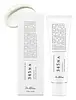
This barrier-repair moisturizer is formulated around Centella Asiatica Leaf Extract and Resveratrol to strengthen the skin barrier and calm redness.
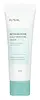
This barrier-repair moisturizer is formulated around Centella Asiatica Extract and Beta-Glucan to strengthen the skin barrier and hydrate skin.

What's inside
What's inside
 Key Ingredients
Benefits
Concerns
Ingredients Side-by-side
Water
Skin ConditioningPropanediol
Solvent

Glycerin
Humectant
Cyclohexasiloxane
Emollient
1,2-Hexanediol
Skin Conditioning
Caprylic/Capric Triglyceride
Masking
Dicaprylyl Carbonate
EmollientPolyglycerin-3
Humectant
Polyglyceryl-10 Stearate
Skin Conditioning

Hydrogenated Polydecene
EmollientLaminaria Japonica Extract
Skin Protecting

Eclipta Prostrata Leaf Extract
Skin ConditioningOenothera Biennis Flower Extract
AstringentPerilla Ocymoides Leaf Extract
TonicLavandula Angustifolia Flower Extract
Cleansing

Sargassum Fulvellum Extract
Skin ConditioningCentella Asiatica Leaf Extract
Skin Conditioning
Gardenia Florida Fruit Extract
Skin ConditioningCalendula Officinalis Flower Extract
Masking
Melia Azadirachta Flower Extract
Skin ConditioningHouttuynia Cordata Extract
Skin Conditioning
Melia Azadirachta Leaf Extract
Skin ConditioningCurcuma Longa Root Extract
Antioxidant
Ocimum Sanctum Leaf Extract
Skin ConditioningAgave Tequilana Leaf Extract
AstringentCorallina Officinalis Extract
Skin Conditioning

Hibiscus Sabdariffa Flower Extract
Skin ConditioningSodium Hyaluronate
Humectant
Hydrogenated Lecithin
Emulsifying
Pelargonium Graveolens Flower Oil
Masking

Empetrum Nigrum Fruit Juice
Skin ConditioningAmmonium Acryloyldimethyltaurate/Vp Copolymer
C14-22 Alcohols
Emulsion Stabilising
C12-20 Alkyl Glucoside
EmulsifyingAcrylates/C10-30 Alkyl Acrylate Crosspolymer
Emulsion StabilisingButylene Glycol
Humectant
Polyquaternium-51
Skin Conditioning
Tromethamine
BufferingFructooligosaccharides
Humectant
Adenosine
Skin Conditioning
Beta-Glucan
Skin Conditioning
Glycine Soja Sterols
Emollient
Hydrolyzed Hyaluronic Acid
Humectant
Resveratrol
Antioxidant
Glucose
Humectant
Oligopeptide-1
Skin Conditioning


Ceramide NP
Skin Conditioning
PEG-40 Castor Oil
Emulsifying
Ethylhexylglycerin
Skin ConditioningCitronellol
Perfuming
Geraniol
Perfuming
Linalool
Perfuming
Water, Propanediol, Glycerin, Cyclohexasiloxane, 1,2-Hexanediol, Caprylic/Capric Triglyceride, Dicaprylyl Carbonate, Polyglycerin-3, Polyglyceryl-10 Stearate, Hydrogenated Polydecene, Laminaria Japonica Extract, Eclipta Prostrata Leaf Extract, Oenothera Biennis Flower Extract, Perilla Ocymoides Leaf Extract, Lavandula Angustifolia Flower Extract, Sargassum Fulvellum Extract, Centella Asiatica Leaf Extract, Gardenia Florida Fruit Extract, Calendula Officinalis Flower Extract, Melia Azadirachta Flower Extract, Houttuynia Cordata Extract, Melia Azadirachta Leaf Extract, Curcuma Longa Root Extract, Ocimum Sanctum Leaf Extract, Agave Tequilana Leaf Extract, Corallina Officinalis Extract, Hibiscus Sabdariffa Flower Extract, Sodium Hyaluronate, Hydrogenated Lecithin, Pelargonium Graveolens Flower Oil, Empetrum Nigrum Fruit Juice, Ammonium Acryloyldimethyltaurate/Vp Copolymer, C14-22 Alcohols, C12-20 Alkyl Glucoside, Acrylates/C10-30 Alkyl Acrylate Crosspolymer, Butylene Glycol, Polyquaternium-51, Tromethamine, Fructooligosaccharides, Adenosine, Beta-Glucan, Glycine Soja Sterols, Hydrolyzed Hyaluronic Acid, Resveratrol, Glucose, Oligopeptide-1, Ceramide NP, PEG-40 Castor Oil, Ethylhexylglycerin, Citronellol, Geraniol, Linalool
Water
Skin ConditioningButylene Glycol
Humectant
Glycerin
Humectant
Methyl Trimethicone
Skin Conditioning
Centella Asiatica Extract
Cleansing
Beta-Glucan
Skin Conditioning
Cetearyl Alcohol
Emollient
1,2-Hexanediol
Skin Conditioning
Niacinamide
Smoothing



Hydrogenated Polyisobutene
EmollientIsononyl Isononanoate
EmollientCetearyl Glucoside
Emulsifying
Glyceryl Stearate
Emollient
Sorbitan Stearate
Emulsifying
Cetearyl Olivate
Sorbitan Olivate
Emulsifying
Acrylates/C10-30 Alkyl Acrylate Crosspolymer
Emulsion StabilisingBetaine
Humectant
Allantoin
Skin Conditioning
Adenosine
Skin Conditioning
Dipotassium Glycyrrhizate
Humectant
Glucose
Humectant
Sodium Hyaluronate
Humectant
Arginine
Masking
Prunus Salicina Fruit Extract
Antioxidant
Punica Granatum Fruit Extract
Antioxidant
Rubus Idaeus Fruit Extract
AstringentFragaria Vesca Fruit Extract
AstringentPrunus Persica Fruit Extract
Abrasive
Water, Butylene Glycol, Glycerin, Methyl Trimethicone, Centella Asiatica Extract, Beta-Glucan, Cetearyl Alcohol, 1,2-Hexanediol, Niacinamide, Hydrogenated Polyisobutene, Isononyl Isononanoate, Cetearyl Glucoside, Glyceryl Stearate, Sorbitan Stearate, Cetearyl Olivate, Sorbitan Olivate, Acrylates/C10-30 Alkyl Acrylate Crosspolymer, Betaine, Allantoin, Adenosine, Dipotassium Glycyrrhizate, Glucose, Sodium Hyaluronate, Arginine, Prunus Salicina Fruit Extract, Punica Granatum Fruit Extract, Rubus Idaeus Fruit Extract, Fragaria Vesca Fruit Extract, Prunus Persica Fruit Extract
Reviews
Ingredients Explained
These ingredients are found in both products.
Ingredients higher up in an ingredient list are typically present in a larger amount.
1,2-Hexanediol is a synthetic liquid and another multi-functional powerhouse.
It is a:
- Humectant, drawing moisture into the skin
- Emollient, helping to soften skin
- Solvent, dispersing and stabilizing formulas
- Preservative booster, enhancing the antimicrobial activity of other preservatives
Acrylates/C10-30 Alkyl Acrylate Crosspolymer is a synthetic polymer. It is used to thicken, emulsify, and improve the texture of products.
As an emulsifier, it helps stabilize oil-in-water emulsions to give products an elegant feel when applied.
It can also form a thin protective film on skin. One study found that a formula using this polymer helped slow down how quickly other ingredients (like DEET) were absorbed through skin.
A 2024 study of over 1,300 patients confirmed that sensitization to this ingredient is rare. It is also non-mutagenic and has a clean track record.
Learn more about Acrylates/C10-30 Alkyl Acrylate CrosspolymerAdenosine is a purine nucleoside that your body already makes in every cell. In skincare, it acts mainly as a skin conditioning and anti-aging agent.
The way it works is fairly well mapped out:
Your skin has cells called fibroblasts that build collagen (the stuff that keeps skin firm and smooth). Adenosine basically flips a switch on these cells that tells them to get to work making more collagen and other proteins. These cells slow down on their own as skin ages, so Adenosine helps give them a little nudge to keep going.
The clinical backing is pretty solid too.
A blind, randomized, placebo-controlled trial of 126 women aged 45-65 tested a 0.1% cream twice daily and found real improvements in crow's feet and frown lines using a precise 3D skin-mapping technique; these changes showed up by week 3 and held at 2 months.
A later study using Adenosine-loaded dissolving microneedle patches reported gains in wrinkle depth, dermal density, elasticity, and hydration.
On concentrations, South Korea's Ministry of Food and Drug Safety has set 0.04% as the approved functional anti-wrinkle level. You'll typically see this ingredient used somewhere in the 0.04-0.1% range since it works at low doses.
This ingredient has been found safe for cosmetics with the data showing no irritation or sensitization.
Overall, this is a great ingredient for any anti-aging routine and has no photosensitizing effect, so it suits both AM and PM use.
Learn more about AdenosineBeta-Glucan is a soluble polysaccharide (a chain of glucose sugars) sourced from the cells walls of oats, baker's yeast, mushrooms, and seaweed.
It's a rare ingredient that pulls double-duty as a heavy-duty hydrator and skin-soothing repair agent.
On the surface, it acts as a humectant that holds water in place and reduces moisture loss for a plumper, smoother feel, while its anti-inflammatory and antioxidant properties make it a great pick for calming redness or sensitive skin
The more interesting story is underneath:
Despite its large molecular size, oat beta-glucan has been shown to penetrate the epidermis and reach the dermis by slipping between skin cells. Here, it interacts with fibroblasts and macrophages to nudge collagen synthesis and support wound repair.
A small 2005 split-face clinical study of 27 subjects found topical beta-glucan produced measurable reductions in wrinkle depth, height, and roughness after 8 weeks of use.
It is worth noting the trial was small and the penetration testing used frozen, irradiated skin so the anti-aging data is encouraging rather than definitive.
This ingredient gets along with pretty much everything and is typically used around 0.1-1%.
Fungal acne: This ingredient is not a food source for the Malassezia yeast because it is a glucose polysaccharide with no fatty acid or ester component.
Learn more about Beta-GlucanButylene Glycol (or BG) is used within cosmetic products for a few different reasons:
Overall, Butylene Glycol is a safe and well-rounded ingredient that works well with other ingredients.
Though this ingredient works well with most skin types, some people with sensitive skin may experience a reaction such as allergic rashes, closed comedones, or itchiness.
Learn more about Butylene GlycolGlucose is a simple sugar (a monosaccharide). In skincare, it is mostly a humectant and skin conditioning agent.
Mechanistically, it has multiple hydroxyl groups that hydrogen-bond to water. This pulls moisture into the upper layers of skin to keep the surface soft and hydrated.
It's worth knowing sugars are already a natural component of the skin's NMF (natural moisturizing factor) so it's a molecule that your stratum corneum is well-acquainted with.
Just so you know, glucose is hydrophilic (water-loving) and the stratum corneum is a strong barrier to hydrophilic compounds. This just means penetration is slow and most of the action is happening on the surface.
Gram-to-gram, glucose is not as efficient as a humectant as glycerin. This is why you'll likely see glycose paired with stronger humectants for a bigger hydration payoff.
In skincare, glucose is typically derived from corn or other starch sources.
Learn more about GlucoseGlycerin (or glycerol) is a compound naturally found in your skin. It's a powerhouse humectant that pulls water into the stratum corneum.
Topically, glycerin does several things at once:
Your skin makes glycerin on its own (mostly from sebaceous oil breakdown) and shuttles it to your outermost layer of skin, or your epidermis, via aquaporin-3.
Aquaporin-3 is a transporter that is essential for normal skin hydration, elasticity, and repair. Interestingly, mice lacking in AQP3 have dry and less elastic skin that can be fully corrected with glycerin.
This ingredient is non-irritating, plays well with almost every ingredient, and works across all skin types. Typical use is anywhere between 3-10% but can go up to 79% in some leave-on products.
Just know very high concentrations (>40%) can feel tacky in low humidity.
Glycerin is the name for this ingredient in American English. British English uses Glycerol/Glycerine.
Learn more about GlycerinSodium Hyaluronate is the salt form of hyaluronic acid. It is a long sugar chain that is naturally found in your skin, joints, and connective tissue that maintains hydration and elasticity.
In skincare, it works as a humectant. It pulls water from the environment and deeper layers of skin and binds it to the surface.
Interestingly, the size of the molecule affects its behavior:
Some clinical evidence links low molecular weight versions to improved wrinkle depth, elasticity, anti-inflammatory effects, and barrier repair.
Many serums use a blend of both weights so you can get surface hydration plus longer-lasting and deeper effects.
You'll typically see concentrations between 0.1-2% for this ingredient.
Learn more about Sodium HyaluronateWater. It's the most common cosmetic ingredient of all. You'll usually see it at the top of ingredient lists, meaning that it makes up the largest part of the product.
So why is it so popular? Water most often acts as a solvent - this means that it helps dissolve other ingredients into the formulation.
You'll also recognize water as that liquid we all need to stay alive. If you see this, drink a glass of water. Remember to stay hydrated!
Learn more about Water

