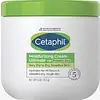
This moisturizer is formulated around Petrolatum and Aloe Barbadensis Leaf Juice Powder to hydrate skin.
This barrier-repair moisturizer is formulated around Butyrospermum Parkii Butter to strengthen the skin barrier and hydrate skin.


What's inside
What's inside
 Key Ingredients
Benefits
Concerns
Ingredients Side-by-side
Water
Skin ConditioningGlycerin
Humectant


Petrolatum
Emollient


Dicaprylyl Ether
Emollient
Dimethicone
Emollient
Glyceryl Stearate
Emollient

Cetyl Alcohol
Emollient

Helianthus Annuus Seed Oil
Emollient
PEG-30 Stearate
Emulsifying
Tocopheryl Acetate
Antioxidant


Dimethiconol
Emollient
Acrylates/C10-30 Alkyl Acrylate Crosspolymer
Emulsion StabilisingBenzyl Alcohol
Perfuming





Phenoxyethanol
Preservative
Prunus Amygdalus Dulcis Oil
Skin Conditioning
Propylene Glycol
Humectant
Carbomer
Emulsion StabilisingSodium Hydroxide
BufferingAloe Barbadensis Leaf Juice Powder
Skin Conditioning

Tocopherol
Antioxidant

BHT
Antioxidant
Water, Glycerin, Petrolatum, Dicaprylyl Ether, Dimethicone, Glyceryl Stearate, Cetyl Alcohol, Helianthus Annuus Seed Oil, PEG-30 Stearate, Tocopheryl Acetate, Dimethiconol, Acrylates/C10-30 Alkyl Acrylate Crosspolymer, Benzyl Alcohol, Phenoxyethanol, Prunus Amygdalus Dulcis Oil, Propylene Glycol, Carbomer, Sodium Hydroxide, Aloe Barbadensis Leaf Juice Powder, Tocopherol, BHT
Camellia Sinensis Leaf Water
Masking
Narcissus Tazetta Bulb Extract
Astringent
Methylpropanediol
SolventGlycerin
Humectant
Butyrospermum Parkii Butter
Skin Conditioning
Ethylhexyl Stearate
Emollient
1,2-Hexanediol
Skin Conditioning
Cetearyl Alcohol
Emollient
Lavandula Angustifolia Flower/Leaf/Stem Extract
Masking
Rosmarinus Officinalis Extract
AntimicrobialAlthaea Officinalis Leaf/Root Extract
EmollientOcimum Basilicum Flower/Leaf Extract
TonicPyrus Malus Fruit Water
MaskingHouttuynia Cordata Extract
Skin Conditioning
Anthemis Nobilis Flower Extract
Masking
Foeniculum Vulgare Leaf Extract
HumectantDimethicone
Emollient
Stearic Acid
Cleansing
Pichia Ferment Lysate Filtrate
HumectantHydrolyzed Lupine Protein
Skin ConditioningLactic Acid/Glycolic Acid Copolymer
Skin ConditioningPolyvinyl Alcohol
Alanine
Masking
Glycine
Buffering
Palmitic Acid
Emollient
Isoleucine
Skin ConditioningArginine
Masking
Serine
Masking
Proline
Skin Conditioning
Tyrosine
MaskingGlutamine
Skin ConditioningLysine
Skin ConditioningValine
MaskingAspartic Acid
Masking
Camellia Sinensis Leaf Extract
Antimicrobial

Diospyros Kaki Leaf Extract
Skin Protecting
Phellinus Linteus Extract
Skin ConditioningPanax Ginseng Root Extract
Emollient
Algae Extract
Emollient
Cordyceps Sinensis Extract
Antioxidant
Eclipta Prostrata Leaf Extract
Skin ConditioningAvena Sativa Kernel Extract
Abrasive
Pteris Multifida Extract
Antioxidant
Cynara Scolymus Leaf Extract
Skin ConditioningPortulaca Oleracea Extract
Skin Conditioning
Pueraria Thunbergiana Root Extract
Skin ConditioningGlycyrrhiza Glabra Root Extract
Bleaching
Paeonia Lactiflora Root Extract
Skin ConditioningCnidium Officinale Root Extract
Skin ConditioningHydrogenated Lecithin
Emulsifying
Aloe Barbadensis Leaf Juice
Skin Conditioning
Argania Spinosa Kernel Oil
Emollient
Soluble Collagen
Humectant
Sodium Hyaluronate
Humectant
Glyceryl Stearate Se
Emulsifying
Sorbitan Stearate
Emulsifying
Polyglyceryl-2 Stearate
Emulsifying
Behenyl Alcohol
Emollient
Tromethamine
BufferingCarbomer
Emulsion StabilisingGlyceryl Stearate
Emollient
Stearyl Alcohol
Emollient
Sodium Stearoyl Glutamate
CleansingTocopheryl Acetate
Antioxidant
Dipropylene Glycol
HumectantRice Ferment Filtrate
Skin Conditioning
Squalane
Emollient
Polyquaternium-51
Skin Conditioning
Hydrogenated Polyisobutene
EmollientBeta-Glucan
Skin Conditioning
Cholesterol
Emollient
Cellulose Gum
Emulsion StabilisingIsononyl Isononanoate
EmollientPolyglyceryl-10 Stearate
Skin Conditioning
Polyglyceryl-2 Dipolyhydroxystearate
Skin Conditioning
Fructooligosaccharides
Humectant
Ceramide NP
Skin Conditioning
Butylene Glycol
Humectant
Propanediol
Solvent
Niacinamide
Smoothing


Hydrogenated Phosphatidylcholine
Emulsifying
Raffinose
Skin ConditioningIsostearyl Isostearate
Emollient
Panthenol
Skin Conditioning
Inulin Lauryl Carbamate
Emulsion StabilisingTriethylhexanoin
MaskingHydrolyzed Hyaluronic Acid
Humectant
Tocopheryl Linoleate
Antioxidant
Xanthan Gum
EmulsifyingHydrogenated Polydecene
EmollientPhospholipids
Skin Conditioning
Glyceryl Oleate
Emollient
Disodium Stearoyl Glutamate
CleansingFolic Acid
Skin ConditioningCeramide Ng
Skin Conditioning
Potassium Cetyl Phosphate
EmulsifyingLecithin
Emollient
Tocopherol
Antioxidant
Palmitoyl Pentapeptide-4
Skin Conditioning
Phytosphingosine
Skin Conditioning
Parfum
Masking
Ethylhexylglycerin
Skin ConditioningPentylene Glycol
Skin Conditioning
Camellia Sinensis Leaf Water, Narcissus Tazetta Bulb Extract, Methylpropanediol, Glycerin, Butyrospermum Parkii Butter, Ethylhexyl Stearate, 1,2-Hexanediol, Cetearyl Alcohol, Lavandula Angustifolia Flower/Leaf/Stem Extract, Rosmarinus Officinalis Extract, Althaea Officinalis Leaf/Root Extract, Ocimum Basilicum Flower/Leaf Extract, Pyrus Malus Fruit Water, Houttuynia Cordata Extract, Anthemis Nobilis Flower Extract, Foeniculum Vulgare Leaf Extract, Dimethicone, Stearic Acid, Pichia Ferment Lysate Filtrate, Hydrolyzed Lupine Protein, Lactic Acid/Glycolic Acid Copolymer, Polyvinyl Alcohol, Alanine, Glycine, Palmitic Acid, Isoleucine, Arginine, Serine, Proline, Tyrosine, Glutamine, Lysine, Valine, Aspartic Acid, Camellia Sinensis Leaf Extract, Diospyros Kaki Leaf Extract, Phellinus Linteus Extract, Panax Ginseng Root Extract, Algae Extract, Cordyceps Sinensis Extract, Eclipta Prostrata Leaf Extract, Avena Sativa Kernel Extract, Pteris Multifida Extract, Cynara Scolymus Leaf Extract, Portulaca Oleracea Extract, Pueraria Thunbergiana Root Extract, Glycyrrhiza Glabra Root Extract, Paeonia Lactiflora Root Extract, Cnidium Officinale Root Extract, Hydrogenated Lecithin, Aloe Barbadensis Leaf Juice, Argania Spinosa Kernel Oil, Soluble Collagen, Sodium Hyaluronate, Glyceryl Stearate Se, Sorbitan Stearate, Polyglyceryl-2 Stearate, Behenyl Alcohol, Tromethamine, Carbomer, Glyceryl Stearate, Stearyl Alcohol, Sodium Stearoyl Glutamate, Tocopheryl Acetate, Dipropylene Glycol, Rice Ferment Filtrate, Squalane, Polyquaternium-51, Hydrogenated Polyisobutene, Beta-Glucan, Cholesterol, Cellulose Gum, Isononyl Isononanoate, Polyglyceryl-10 Stearate, Polyglyceryl-2 Dipolyhydroxystearate, Fructooligosaccharides, Ceramide NP, Butylene Glycol, Propanediol, Niacinamide, Hydrogenated Phosphatidylcholine, Raffinose, Isostearyl Isostearate, Panthenol, Inulin Lauryl Carbamate, Triethylhexanoin, Hydrolyzed Hyaluronic Acid, Tocopheryl Linoleate, Xanthan Gum, Hydrogenated Polydecene, Phospholipids, Glyceryl Oleate, Disodium Stearoyl Glutamate, Folic Acid, Ceramide Ng, Potassium Cetyl Phosphate, Lecithin, Tocopherol, Palmitoyl Pentapeptide-4, Phytosphingosine, Parfum, Ethylhexylglycerin, Pentylene Glycol
Reviews
Ingredients Explained
These ingredients are found in both products.
Ingredients higher up in an ingredient list are typically present in a larger amount.
Carbomer is a synthetic thickening and gelling agent. It's basically the ingredient that gives a lot of serums, gels, creams, and sunscreens their smooth, non-sticky texture.
Although legally permitted at very high levels, carbomers are normally used at concentrations below 1%.
It also needs to be neutralized to actually thicken, and because it is a large molecule, it doesn't really penetrate the skin barrier.
Allergy-wise, the risk is very low. Clinical studies show carbomers have low potential for skin irritation/sensitization even at concentrations up to 100%.
A 2024 UK study patch-tested 1,302 patients and found true allergy to the parent group of carbomer to be rare with no confirmed relevant reactions.
Learn more about CarbomerDimethicone is a type of synthetic silicone created from natural materials such as quartz. It is also known as polydimethylsiloxane.
What it does:
Dimethicone comes in different viscosities:
Depending on the viscosity, dimethicone has different properties.
Ingredients lists don't always show which type is used, so we recommend reaching out to the brand if you have questions about the viscosity.
This ingredient is unlikely to cause irritation because it does not get absorbed into skin. However, people with silicone allergies should be careful about using this ingredient.
Note: Dimethicone may contribute to pilling. This is because it is not oil or water soluble, so pilling may occur when layered with products. When mixed with heavy oils in a formula, the outcome is also quite greasy.
Learn more about DimethiconeGlycerin (or glycerol) is a compound naturally found in your skin. It's a powerhouse humectant that pulls water into the stratum corneum.
Topically, glycerin does several things at once:
Your skin makes glycerin on its own (mostly from sebaceous oil breakdown) and shuttles it to your outermost layer of skin, or your epidermis, via aquaporin-3.
Aquaporin-3 is a transporter that is essential for normal skin hydration, elasticity, and repair. Interestingly, mice lacking in AQP3 have dry and less elastic skin that can be fully corrected with glycerin.
This ingredient is non-irritating, plays well with almost every ingredient, and works across all skin types. Typical use is anywhere between 3-10% but can go up to 79% in some leave-on products.
Just know very high concentrations (>40%) can feel tacky in low humidity.
Glycerin is the name for this ingredient in American English. British English uses Glycerol/Glycerine.
Learn more about GlycerinGlyceryl Stearate is made by reacting glycerin with stearic acid (typically sourced from plant oils like palm or coconut). It's an emulsifier, emollient, and mild occlusive.
Emulsifiers help ingredients like oil and water stay mixed so your formula stays nicely blended and uniform in texture.
This ingredient is typically used in concentrations between 1-10%. Studies have found it to be non-sensitizing, non-phototoxic, and non-photoallergenic.
A close cousin of this ingredient is Glyceryl Stearate SE ("self-emulsifying"). This just has a small amount of sodium or potassium stearate added so it can emulsify without a co-emulsifier.
Since this ingredient is an ester of a C18 fatty acid, it may not be fungal acne safe. The Malassezia yeast can potentially metabolize within the C11-C24 range.
Fun fact: The human body also creates Glyceryl Stearate naturally.
Learn more about Glyceryl StearateTocopherol is a fat-soluble antioxidant known as Vitamin E.
You'll find this ingredient in the vast majority of skincare (for good reason). It works to neutralize free radicals, or unstable molecules generated by UV exposure, pollution, and other environmental stressors, before they can cause oxidative damage to your skin cells.
Topically applied tocopherol has been shown to protect against UV damage by ramping up the skin's own natural defense enzymes.
It also acts as a skin conditioning agent; some studies show that regular topical use can improve the skin's water-binding capacity over 2-4 weeks.
This ingredient is especially loved for being a team player. When combined with Vitamin C, the photoprotective effect of both ingredients roughly doubles and the combo also helps reduce UV-induced DNA damage.
This ingredient has some brightening potential but it's more of a prevention ingredient than spot-fader. Cell studies show it can slow down melanin production but it's worth noting that it's not the most powerful brightener out there.
In formulations, it also serves as a stabilizer that helps protect other oxidation-prone ingredients from degrading.
Concentrations usually range from 0.1-1% in most leave-on products.
Learn more about TocopherolTocopheryl Acetate is a stable, shelf-friendly form of vitamin E.
Formulators love it because plain vitamin E oxidizes quickly once it hits air. This acetate version stays stable and resists going off, helping to extend a product's shelf life.
It's actually inactive on its own and works like a slow-release "storage" form; the enzymes in your skin called esterases gradually convert it into active vitamin E over time.
One in vivo study showed 5% of the acetate in the living layer of the epidermis converted to vitamin E after 5 days of application. This study also found the skin gained protection against UV damage even though the conversion was slow and small.
Once converted, vitamin E acts as a skin's main fat-soluble antioxidant that fights free radicals to protect skin from damage.
Topical vitamin E generally boosts the skin's photoprotection, and it reduced UV-damage in animal models.
This ingredient has some brightening potential but it's more of a prevention ingredient than spot-fader. Cell studies show it can slow down melanin production but it's worth noting that it's not the most powerful brightener out there.
Overall, it has a pretty solid safety profile and has been found to be non-irritating and non-comedogenic. Allergic reactions may happen but stay rare due to how widely the ingredient gets used.
The concentration will vary depending on the formula; industry data shows 0.1% in baby lotions, 3% in lipsticks, and 5% in foot powders. You can also find this ingredient at 100% in a pure vitamin E oil.
Most leave-on skincare keeps it at the lower end, often between 0.5-1%.
Learn more about Tocopheryl Acetate

