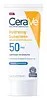
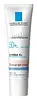
CeraVe Hydrating Mineral Sunscreen SPF 50 Face Lotion Versus La Roche-Posay Uvidea Anthelios Tone-Up Rosy SPF50+
This hybrid sunscreen covers the full UV range and blocks ~98% of UVB at SPF 50.
This hybrid sunscreen covers the full UV range and blocks ~98% of UVB at SPF 50.


What's inside
What's inside
 Key Ingredients
Benefits
Concerns
Ingredients Side-by-side
Titanium Dioxide 9%
Cosmetic Colorant

Zinc Oxide 7%
Cosmetic Colorant
Water
Skin ConditioningGlycerin
Humectant


C12-15 Alkyl Benzoate
AntimicrobialDimethicone
Emollient
Isododecane
EmollientStyrene/Acrylates Copolymer
Glyceryl Stearate
Emollient

Butyloctyl Salicylate
Skin Conditioning
Dicaprylyl Carbonate
EmollientPropanediol
Solvent
Stearic Acid
Cleansing
Aluminum Hydroxide
EmollientPEG-100 Stearate
Surfactant
Sorbitan Stearate
Emulsifying
Niacinamide
Smoothing








PEG-8 Laurate
Emulsifying
Ceramide NP
Skin Conditioning
Ceramide AP
Skin Conditioning
Ceramide EOP
Skin Conditioning
Sorbitan Isostearate
Emulsifying
Carbomer
Emulsion StabilisingCetearyl Alcohol
Emollient



Ceteareth-20
Cleansing
Triethoxycaprylylsilane
Dimethiconol
Emollient
Sodium Citrate
BufferingSodium Lauroyl Lactylate
EmulsifyingSodium Dodecylbenzenesulfonate
CleansingMyristic Acid
Cleansing
Sodium Hyaluronate
Humectant
Cholesterol
Emollient
Palmitic Acid
Emollient
Phenoxyethanol
Preservative
Chlorphenesin
Antimicrobial
Tocopherol
Antioxidant

Hydroxyethyl Acrylate/Sodium Acryloyldimethyl Taurate Copolymer
Emulsion StabilisingCaprylyl Glycol
Emollient
Citric Acid
Buffering
Panthenol
Skin Conditioning
Xanthan Gum
EmulsifyingPhytosphingosine
Skin Conditioning
Polyhydroxystearic Acid
Emulsifying
Polysorbate 60
Emulsifying
Ethylhexylglycerin
Skin ConditioningTitanium Dioxide 9%, Zinc Oxide 7%, Water, Glycerin, C12-15 Alkyl Benzoate, Dimethicone, Isododecane, Styrene/Acrylates Copolymer, Glyceryl Stearate, Butyloctyl Salicylate, Dicaprylyl Carbonate, Propanediol, Stearic Acid, Aluminum Hydroxide, PEG-100 Stearate, Sorbitan Stearate, Niacinamide, PEG-8 Laurate, Ceramide NP, Ceramide AP, Ceramide EOP, Sorbitan Isostearate, Carbomer, Cetearyl Alcohol, Ceteareth-20, Triethoxycaprylylsilane, Dimethiconol, Sodium Citrate, Sodium Lauroyl Lactylate, Sodium Dodecylbenzenesulfonate, Myristic Acid, Sodium Hyaluronate, Cholesterol, Palmitic Acid, Phenoxyethanol, Chlorphenesin, Tocopherol, Hydroxyethyl Acrylate/Sodium Acryloyldimethyl Taurate Copolymer, Caprylyl Glycol, Citric Acid, Panthenol, Xanthan Gum, Phytosphingosine, Polyhydroxystearic Acid, Polysorbate 60, Ethylhexylglycerin
Water
Skin ConditioningEthylhexyl Methoxycinnamate
UV Absorber
Squalene
Emollient
Titanium Dioxide
Cosmetic Colorant
Glycerin
Humectant
Drometrizole Trisiloxane
UV Absorber
Terephthalylidene Dicamphor Sulfonic Acid
UV Absorber
Propylene Glycol
Humectant
Alcohol Denat.
Antimicrobial

Triethanolamine
BufferingDipropylene Glycol
HumectantMica
Cosmetic ColorantStearic Acid
Cleansing
Potassium Cetyl Phosphate
EmulsifyingTocopherol
Antioxidant
Nylon-12
Acrylamide/Sodium Acryloyldimethyltaurate Copolymer
Emulsion StabilisingAluminum Hydroxide
EmollientCI 77120
Cosmetic ColorantBHT
Antioxidant
Bis-Ethylhexyloxyphenol Methoxyphenyl Triazine
UV Absorber
Butylene Glycol
Humectant
Butyrospermum Parkii Seedcake Extract
Skin Protecting
Caprylyl Glycol
Emollient
Carbomer
Emulsion StabilisingCetyl Alcohol
Emollient
CI 77491
Cosmetic ColorantCI 77492
Cosmetic ColorantIron Oxides
CI 77891
Cosmetic ColorantDiethylamino Hydroxybenzoyl Hexyl Benzoate
UV Filter
Ethylhexyl Triazone
UV Absorber
Glyceryl Stearate
Emollient
Isohexadecane
EmollientMyristic Acid
Cleansing
Paeonia Suffruticosa Root Extract
Skin ProtectingPalmitic Acid
Emollient
PEG-100 Stearate
Surfactant
Phenoxyethanol
Preservative
Polysorbate 80
Emulsifying
Potassium Sorbate
Preservative
Sodium Chloride
MaskingSodium Cocoyl Sarcosinate
Cleansing
Sorbitan Oleate
Emulsifying
Thermus Thermophillus Ferment
Skin ConditioningTrisodium Ethylenediamine Disuccinate
ChelatingTromethamine
BufferingXanthan Gum
EmulsifyingWater, Ethylhexyl Methoxycinnamate, Squalene, Titanium Dioxide, Glycerin, Drometrizole Trisiloxane, Terephthalylidene Dicamphor Sulfonic Acid, Propylene Glycol, Alcohol Denat., Triethanolamine, Dipropylene Glycol, Mica, Stearic Acid, Potassium Cetyl Phosphate, Tocopherol, Nylon-12, Acrylamide/Sodium Acryloyldimethyltaurate Copolymer, Aluminum Hydroxide, CI 77120, BHT, Bis-Ethylhexyloxyphenol Methoxyphenyl Triazine, Butylene Glycol, Butyrospermum Parkii Seedcake Extract, Caprylyl Glycol, Carbomer, Cetyl Alcohol, CI 77491, CI 77492, Iron Oxides, CI 77891, Diethylamino Hydroxybenzoyl Hexyl Benzoate, Ethylhexyl Triazone, Glyceryl Stearate, Isohexadecane, Myristic Acid, Paeonia Suffruticosa Root Extract, Palmitic Acid, PEG-100 Stearate, Phenoxyethanol, Polysorbate 80, Potassium Sorbate, Sodium Chloride, Sodium Cocoyl Sarcosinate, Sorbitan Oleate, Thermus Thermophillus Ferment, Trisodium Ethylenediamine Disuccinate, Tromethamine, Xanthan Gum
Reviews
Ingredients Explained
These ingredients are found in both products.
Ingredients higher up in an ingredient list are typically present in a larger amount.
Aluminum Hydroxide is a form of aluminum. It can be naturally found in nature as the mineral gibbsite. In cosmetics, Aluminum Hydroxide is used as a colorant, pH adjuster, and absorbent.
As a colorant, Aluminum Hydroxide may add opacity, or reduce the transparency. Aluminum hydroxide is contains both basic and acidic properties.
According to manufacturers, this ingredient is an emollient and humectant. This means it helps hydrate the skin.
In medicine, this ingredient is used to help relieve heartburn and help heal ulcers.
There is currently no credible scientific evidence linking aluminum hydroxide in cosmetics to increased cancer risk.
Major health organizations allow the use of aluminum hydroxide in personal care products and have not flagged it as a carcinogenic risk at typical usage levels.
Learn more about Aluminum HydroxideCaprylyl Glycol is a humectant, skin conditioner, emollient, and preservative booster derived from either caprylic acid or synthetically created.
Typical use levels vary from 0.3-1% as a preservative booster and go up to 2% to condition skin.
Because it is not a free-fatty acid, this ingredient is fungal acne safe (there's nothing for Malassezia to feed on).
Learn more about Caprylyl GlycolCarbomer is a synthetic thickening and gelling agent. It's basically the ingredient that gives a lot of serums, gels, creams, and sunscreens their smooth, non-sticky texture.
Although legally permitted at very high levels, carbomers are normally used at concentrations below 1%.
It also needs to be neutralized to actually thicken, and because it is a large molecule, it doesn't really penetrate the skin barrier.
Allergy-wise, the risk is very low. Clinical studies show carbomers have low potential for skin irritation/sensitization even at concentrations up to 100%.
A 2024 UK study patch-tested 1,302 patients and found true allergy to the parent group of carbomer to be rare with no confirmed relevant reactions.
Learn more about CarbomerGlycerin (or glycerol) is a compound naturally found in your skin. It's a powerhouse humectant that pulls water into the stratum corneum.
Topically, glycerin does several things at once:
Your skin makes glycerin on its own (mostly from sebaceous oil breakdown) and shuttles it to your outermost layer of skin, or your epidermis, via aquaporin-3.
Aquaporin-3 is a transporter that is essential for normal skin hydration, elasticity, and repair. Interestingly, mice lacking in AQP3 have dry and less elastic skin that can be fully corrected with glycerin.
This ingredient is non-irritating, plays well with almost every ingredient, and works across all skin types. Typical use is anywhere between 3-10% but can go up to 79% in some leave-on products.
Just know very high concentrations (>40%) can feel tacky in low humidity.
Glycerin is the name for this ingredient in American English. British English uses Glycerol/Glycerine.
Learn more about GlycerinGlyceryl Stearate is made by reacting glycerin with stearic acid (typically sourced from plant oils like palm or coconut). It's an emulsifier, emollient, and mild occlusive.
Emulsifiers help ingredients like oil and water stay mixed so your formula stays nicely blended and uniform in texture.
This ingredient is typically used in concentrations between 1-10%. Studies have found it to be non-sensitizing, non-phototoxic, and non-photoallergenic.
A close cousin of this ingredient is Glyceryl Stearate SE ("self-emulsifying"). This just has a small amount of sodium or potassium stearate added so it can emulsify without a co-emulsifier.
Since this ingredient is an ester of a C18 fatty acid, it may not be fungal acne safe. The Malassezia yeast can potentially metabolize within the C11-C24 range.
Fun fact: The human body also creates Glyceryl Stearate naturally.
Learn more about Glyceryl StearateMyristic Acid, aka tetradecanoic acid, is a naturally occurring fatty acid found in coconut oil, milk fat, and palm oil.
In skincare, it is an:
Research indicates that this ingredient posts a low risk of irritation and sensitization.
Industry survey data collected for this ingredient puts real-world usage concentrations anywhere from 0.00002% to 20% (most of the high end sits in rinse-off products).
Myristic Acid is not a recognized contact allergen and there are no published case reports of allergic contact dermatitis to it. Human testing found it to be non-irritating at 100% and at 40-50% in mineral oil. There are complaints about high-Myristic-acid cleansers leaving a tight feeling behind, but that has more to do with soap chemistry and pH than an allergy.
This ingredient does have a comedogenic rating of 3, but this doesn't mean a formula with this ingredient will clog pores.
Human testing has proved that any finished product with this ingredient won't automatically make you break out; it really comes down to concentration, formula, and your skin. Some people still find it breaks them out. So if that's you, definitely trust your skin.
Since myristic acid is a C14 fatty acid, it falls within the range that Malassezia can metabolize (C11-24), and therefore may not be fungal acne safe.
Learn more about Myristic AcidPalmitic Acid is a fatty acid naturally found in our skin and in many plant and animal sources.
In cosmetics, it is usually derived from palm oil. It serves many purposes in skincare, acting as a cleanser, emollient, and emulsifier.
Interestingly, topically applied Palmitic Acid can be elongated into longer chain fatty acids and ceramides. A 2019 study found low levels of Palmitic Acid lead to slower development of cells, suggesting it plays a role in keeping your skin's renewal process on track.
The CIR (Cosmetic Ingredient Review) panel determined it safe as used in cosmetics at concentrations up to 13%. It is non-irritating and non-sensitizing in clinical studies.
The culprit behind fungal acne, the Malassezia yeast, feeds on fatty acids with carbon chain lengths between C11-C24. Palmitic Acid, at C16, falls right into that sweet spot.
In vitro studies have shown that Palmitic Acid is one of the fatty acids that induce rapid Malassezia growth in lab settings.
It's worth noting that what feeds yeast in a lab doesn't necessarily feed it on your face since formulation and your skin's chemistry play a bigger role.
This ingredient does have a comedogenic rating of 2, but this doesn't mean a formula with this ingredient will clog pores.
Human testing has proved that any finished product with a comedogenic ingredient won't automatically make you break out; it really comes down to concentration, formula, and your skin.
Learn more about Palmitic AcidPeg-100 Stearate is an emollient and emulsifier. As an emollient, it helps keep skin soft by trapping moisture in. On the other hand, emulsifiers help prevent oil and water from separating in a product.
PEGS are a hydrophilic polyether compound . There are 100 ethylene oxide monomers in Peg-100 Stearate. Peg-100 Stearate is polyethylene glycol ester of stearic acid.
Phenoxyethanol is one of the most widely used preservatives in skincare (and for good reason!).
It has a large spectrum of antimicrobial activity and especially effective bacteria, yeast, and mold while only having a weak effect on your skin's natural microbiome.
On a cellular level, it disrupts the cell membranes of microbes by poking holes that make the cell leak. This shuts down the chemical reactions the microbe needs to make energy so it can no longer survive.
Another perk of this ingredient is that it stays functional across a wide pH range (3-10).
You'll often see it paired with boosters like Ethylhexylglycerin; one study showed that a 1:9 ratio of Ethylhexylglycerin to Phenoxyethanol damages bacterial membranes as effectively as doubling the Phenoxyethanol concentration on its own.
Typical use concentrations range from 0.3-1% depending on the formula, and this ingredient is capped at 1% int the EU.
Safety-wise, the fear mongering does not hold up to the evidence. The EU's Scientific Committee on Consumer Safety and FDA consider it safe as a preservative at up to 1%, including for children of all ages.
Adverse systemic effects only showed up in animal studies at exposures roughly 200x higher than what people get from cosmetics. And despite its very widespread use, this ingredient is a rare sensitizer and allergic reactions are uncommon.
Learn more about PhenoxyethanolStearic Acid is a fatty acid that is already found in your skin. It's one of the free fatty acids that works alongside ceramides and cholesterols to maintain your barrier.
In cosmetics, it is a multitasker:
Safety-wise, the CIR Expert Panel has concluded it to be safe in cosmetics when formulated to be non-irritating and non-sensitizing.
Free stearic acid is a C18 fatty acid that the Malassezia yeast can substrate, so this ingredient may not be fungal acne safe.
This ingredient does have a comedogenic rating of 2-3, but this doesn't mean a formula with this ingredient will clog pores.
Human testing has proved that any finished product with this ingredient won't automatically make you break out; it really comes down to concentration, formula, and your skin.
Learn more about Stearic AcidTitanium Dioxide (TD) is a mineral UV filter widely used in sunscreens and cosmetics.
It's one of only two UV filters officially classified as "mineral" by regulatory agencies (the other being Zinc Oxide).
A really common myth is that mineral filters work by reflecting UV light off your skin like tiny mirrors.
They don't only do that; modern research shows TD protects mostly by absorbing UV radiation, the same way chemical filters do.
When researchers measured this, reflection accounted for only about 4-5% of the protection (and less than SPF 2 on its own). The other ~95% comes from absorption: the UV photons hit the particle and their energy gets soaked up by its semiconductor band gap rather than bouncing off.
So "reflects vs. absorbs" was never really the right way to split mineral from chemical filters.
TD gives broad-spectrum protection that's strongest in the UVB and UVA-2 range and weaker in the UVA-1 range. Its UVA protection isn't quite as strong as Zinc Oxide's which is why you'll often see the two paired together.
Together, they make a solid broad-spectrum system.
TD is a great pick for sensitive, acne-prone, or redness-prone skin because it's non-irritating and chemically inert. Regulatory reviews classify it as a non-sensitizer and mild-to-non-irritant.
It's also unlikely to cause the "eye sting" some chemical filters are known for.
The main trade-off is cosmetic; TD can leave a white cast and has a thicker texture. This is why mineral sunscreens are often less cosmetically elegant than chemical or hybrid formulas (and harder to shade-match on deeper skin tones).
Formulators often use micronized or nano-sized TD to cut down on white case and improve spreadability. Smaller particles scatter less visible light so the formula looks less chalky while still filtering UV.
TD is almost always bundled with coatings like Alumina, Silica, Stearic Acid, or Dimethicone. These coatings do two important jobs:
TD can be used at up to 25% in a finished sunscreen; this is the regulatory ceiling in both the US and the EU.
In practice, the amount in any given product varies a lot depending on the target SPF and whether it's paired with other UV filters.
TD is one of the most heavily vetted sunscreen ingredients out there. It is approved as a UV filter in all major markets worldwide, including the US, EU, UK, Japan, Korea, China, Australia, and Canada.
The safety evidence is solid. There was an old worry that nano particles might absorb through skin into the body but multiple studies (including on damaged, sunburned, and UV-irradiated skin) have shown that TD stays on the surface and the layer of dead skin cells on top of everything else.
There's also no evidence of carcinogenicity, mutagenicity, or reproductive toxicity from dermal exposure of this ingredient.
For those who have seen the headline about a 2022 EU ban on TD, that was on TD as a food additive (a complete separate use from topical sunscreen).
There are ongoing questions about how nano-TD might affect marine ecosystems. As of now, there has been no conclusive evidence that any form of TD (or any other sunscreen filter) harms coral reefs or marine life.
The science is still developing and it's a space worth watching rather than packing over.
However, several destinations have reef-safety sunscreen rules that restrict certain chemical filters and steer visitors toward mineral, non-nano options. If you're traveling somewhere with these rules, a non-nano mineral sunscreen is the safe bet.
Learn more about Titanium DioxideTocopherol is a fat-soluble antioxidant known as Vitamin E.
You'll find this ingredient in the vast majority of skincare (for good reason). It works to neutralize free radicals, or unstable molecules generated by UV exposure, pollution, and other environmental stressors, before they can cause oxidative damage to your skin cells.
Topically applied tocopherol has been shown to protect against UV damage by ramping up the skin's own natural defense enzymes.
It also acts as a skin conditioning agent; some studies show that regular topical use can improve the skin's water-binding capacity over 2-4 weeks.
This ingredient is especially loved for being a team player. When combined with Vitamin C, the photoprotective effect of both ingredients roughly doubles and the combo also helps reduce UV-induced DNA damage.
This ingredient has some brightening potential but it's more of a prevention ingredient than spot-fader. Cell studies show it can slow down melanin production but it's worth noting that it's not the most powerful brightener out there.
In formulations, it also serves as a stabilizer that helps protect other oxidation-prone ingredients from degrading.
Concentrations usually range from 0.1-1% in most leave-on products.
Learn more about TocopherolWater. It's the most common cosmetic ingredient of all. You'll usually see it at the top of ingredient lists, meaning that it makes up the largest part of the product.
So why is it so popular? Water most often acts as a solvent - this means that it helps dissolve other ingredients into the formulation.
You'll also recognize water as that liquid we all need to stay alive. If you see this, drink a glass of water. Remember to stay hydrated!
Learn more about WaterXanthan gum is used as a stabilizer and thickener within cosmetic products. It helps give products a sticky, thick feeling - preventing them from being too runny.
On the technical side of things, xanthan gum is a polysaccharide - a combination consisting of multiple sugar molecules bonded together.
Xanthan gum is a pretty common and great ingredient. It is a natural, non-toxic, non-irritating ingredient that is also commonly used in food products.
Learn more about Xanthan Gum

